


 Visa i rummet
 Skicka
 Dela
Dela
 Detaljer
 Studentguide för konstverk

 Ladda ner
 Liknande objekt
 Röntgen
 Bildspel
 Besökstatistik
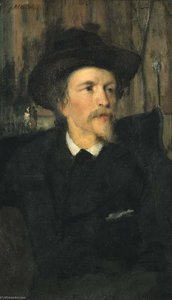
Self Portrait


Experience the realism of Eastman Johnson's 'Self Portrait' (1860). A captivating oil painting showcasing an American artist’s nuanced portrayal of himself, reflecting a bygone era.
 Läs mer
Utforska Jonathan Eastman Johnsons realistiska porträtt och scener från det amerikanska livet – en 'amerikansk Rembrandt' som fångade sin tids sårbarhet och värderingar.
Handgjord oljereproduktion
Handmålad olja på duk i din valda storlek och ram, tillverkad efter beställning av våra konstnärer. ( Byt till tryckta exemplar Byt till digital bildförsäljning)




P118B Skr10

P118H Skr10

P118W Skr10

P438Z Skr10

P508JH Skr12

P508YH Skr12

P805H Skr10

P805Z Skr10

P919BZ Skr10

P919G Skr10

P919XJ Skr10

P959ZH Skr10

P968JZ Skr12

W106C Skr8

W218G Skr10

W218JH Skr8

W218Y Skr10

W307PJ Skr10

W316G Skr10

W316PJ Skr8

W316Y Skr10

W398PJ Skr8

W4111J Skr10

W500HY Skr15

W500JH Skr15

W692G Skr12

W849H Skr8

W940BG Skr15

W953PJ Skr8




Standardstorlek
anpassad
CM
INCH
Välj bland våra förinställda storlekar som motsvarar konstverkets ursprungliga proportioner.
Loading sizes...

bredd
höjd
Ange den bredd och höjd du behöver för att passa din ram eller din vägg. Eftersom detta är handmålat kan konstnären vid en annan form måla lite mer runt bilden eller beskära den något – du väljer själv. Vi skickar en digital mockup för godkännande innan målningen påbörjas. Bilden som visas på denna sida representerar inte det slutgiltiga resultatet — det är endast mockuppen som visar det.
Exempel på vad som kan anpassas: Byt ut ansiktet mot ett foto av kunden; Lägg till ett husdjur (t.ex. byt ut en katt mot en hund); Inkludera ett dolt meddelande i bakgrunden; Ändra bakgrundens landskap eller element.
Efter beställning kommer TopImpressionists.com team att mejla kunden för instruktioner och tillhandahålla en skissförhandsvisning
Efter beställning kommer TopImpressionists.com team att mejla kunden för instruktioner och tillhandahålla en skissförhandsvisning
Leverans över hela världen () på 3–4 veckor istället för standard 5 veckor. (23 oktober). Inga kompromisser med kvaliteten.

Fri expressfrakt över hela världen

Högkvalitativ linnecanvas

Fullständig fraktförsäkring

Garantier för återbetalning av tullavgifter

Garantier för exakt färgåtergivning

100 dagars returrätt vid fabrikationsfel

100% pengarna tillbaka-garanti

Mängdrabatt erbjuds
 Glasalternativet är endast tillgängligt i storlekar under 110 cm.

Self Portrait
Tryckteknik
Reproduktionsstorlek
-


Totalpris
Skr 2668
A Window into American Realism: Eastman Johnson’s “Self Portrait” (1860)
Eastman Johnson's "Self Portrait" of 1860 is more than just a likeness; it’s a meticulously crafted window into the soul of an era and the quiet dignity of a man. Painted during a pivotal period of American artistic development, this oil-on-canvas work embodies the burgeoning realism that would define Johnson's career and, in many ways, shape the course of 19th-century portraiture. The painting immediately draws the viewer in with its direct gaze – Johnson’s eyes meet ours across time, conveying a sense of thoughtful introspection and understated strength.
The composition is deceptively simple yet profoundly effective. Dressed in a dark, well-tailored coat and holding a red cloth—a subtle detail that hints at theatricality or perhaps a deliberate gesture of presentation – Johnson presents himself against a muted wall adorned with a vase and a clock. These elements aren’t merely decorative; they ground the portrait within a domestic setting, suggesting a life lived within the rhythms of everyday existence. The background's subdued palette further emphasizes the subject, allowing his features and demeanor to take center stage.
The Painter’s Palette: Technique and Style
Johnson’s masterful technique is rooted in the academic traditions he studied in Europe, particularly in Düsseldorf, Germany, where he honed his skills alongside other American artists seeking a rigorous artistic education. However, unlike many of his European contemporaries, Johnson didn't simply replicate established styles; he adapted them to reflect the unique character of American life. His brushwork is precise and controlled, yet imbued with a remarkable sensitivity to light and shadow. Note the subtle gradations in tone that define the contours of his face, creating a sense of volume and depth.
The painting’s realism extends beyond mere representation. Johnson captures not just Johnson's physical appearance but also something of his personality – a quiet confidence tempered by a hint of melancholy. The careful attention to detail—the texture of the coat, the slight furrow in his brow—reveals a deep understanding of human anatomy and expression. It’s a testament to Johnson’s ability to translate observation into compelling visual narrative.
A Man of His Time: Historical Context
To fully appreciate “Self Portrait,” it's essential to understand the social and artistic landscape of 1860 America. The nation was grappling with the aftermath of the Civil War, navigating a period of Reconstruction and profound societal change. Johnson’s work reflects this atmosphere of introspection and quiet resilience. He wasn’t interested in grand historical narratives or idealized representations; instead, he focused on capturing the realities of ordinary American life – a theme that would become increasingly prominent in his later genre paintings.
Johnson's connection to Washington D.C. is particularly significant. He lived and worked there for much of his career, documenting the lives of politicians, businessmen, and everyday citizens. His portraits offer invaluable insights into the social fabric of a rapidly evolving nation. The inclusion of elements like the vase and clock—common features of domestic interiors—further anchors the portrait within this specific context.
Symbolism and Emotional Resonance
While seemingly straightforward, “Self Portrait” is rich in subtle symbolism. The red cloth held in Johnson’s hand could represent passion, creativity, or perhaps a theatrical element – reflecting his involvement in stage design and set dressing. The direct gaze of the subject invites contemplation, prompting us to consider not only Johnson's identity but also our own relationship with self-representation and portraiture itself.
Ultimately, “Self Portrait” is a powerful testament to the enduring appeal of realism as an artistic approach. It’s a painting that speaks to the complexities of human experience – capturing both the outward appearance and the inner life of a man who sought to document his time with honesty, nuance, and a profound appreciation for the beauty of everyday existence.
Frågor och svar
Kan jag beställa en oljereproduktion av "Self Portrait"?
Handmålade kopior av "Self Portrait" av Jonathan Eastman Johnson säljs på denna webbplats: en handmålad oljereproduktion på linneväv, beställbara via dess Handmålad reproduktion-sida.
Är "Self Portrait" ett av Jonathan Eastman Johnsons mest populära verk?
Popularitetsnivån som registrerats för "Self Portrait" av Jonathan Eastman Johnson är Recognized.
Hur gammal var Jonathan Eastman Johnson när "Self Portrait" skapades?
Jonathan Eastman Johnson skapade "Self Portrait" vid 36 års ålder. Konstnären föddes 1824 och verket är daterat 1860.




Om konstnären
En Livsfröjd i Amerikas Realism
Jonathan Eastman Johnson, ett namn som ekar med en stilla värdighet från 1800-talets Amerika, var mer än bara en målare; han var en visuell skildrare av sin tid. Född i Lovell, Maine, 1824, formades Johnsons väg till konstnärlig erkännande inte av omedelbar berömmelse utan snarare genom en gradvis utveckling präglad av familjeband, rigorös utbildning och en outsläckt dedikation att porträttera världen som han såg den – med ärlighet, nyans och en antydan till melankolisk skönhet. Hans far, Philip Carrigan Johnson, innehavde positioner i affärer och frasorganisationer, vilket lade grunden för Johnsons framtida konstnärliga ämnen genom att förmedla en känsla av samhällsengagemang. Tidig exponering för livet i Fryeburg och Augusta, Maine, gav de fundamentala erfarenheter som formade hans förståelse för vardagsexistensen – en förståelse han sedan översatte till canvas med anmärkningsvärd känslighet. Hans formella utbildning inleddes med en lärlingsanställning hos en Boston-baserad grafisk konstnär 1840, vilket markerade det första steget i en karriär präglad av noggrann observation och teknisk skicklighet. En flytt till Washington D.C. tillsammans med sin familj, på grund av hans fars sjömansbefordran, bredde ut hans perspektiv och exponerade honom för olika ämnen och erfarenheter som subtilt skulle påverka hans konstnärliga vision.Från Holländska Mästare till Amerikanska Scener
Johnsons konstnärliga utveckling var en fascinerande sammansmuggling av inflytanden. Initialt lockades han av porträttmålning, men utvidgade snabbt sitt repertoar till genremålningar – scener som skildrade vardagslivet. Detta var inte bara en fråga om representation; det handlade om att fånga essensen av amerikansk samhälle, erbjuda glimtar in i livet för vanliga människor ofta bortglömda i mer storslagna historiska berättelser. Ett avgörande ögonblick inträffade under 1850-talet när Johnson reste till Haag och djupt begravde sig i verk av 1600-talets holländska mästare. Denna upplevelse visade sig vara transformativ. Han absorberade deras behärskning av komposition, ljus och realism, vilket fick honom att bli känd som "The American Rembrandt." Detta inflytande är tydligt i hans målningar – en dämpad palett, dramatisk chiaroscuro och en nästan fotografisk uppmärksamhet på detaljer kännetecknar hans mogna stil. Men Johnson kopierade inte bara; han syntetiserade dessa europeiska tekniker med sin unikt amerikanska känsla, vilket skapade verk som var både tekniskt briljanta och djupt rotade i samhällets tyngdpunkt under hans tid. Han anslöt sig till den växande realismrörelsen, avvisade idealiserade representationer till förmån för noggranna beskrivningar av vardagslivet – ett åtagande som skulle definiera hans konstnärliga arv.Vittne till en Epok
Johnsons oeuvre är otroligt mångsidig, omfattande porträtt av framstående figurer som Abraham Lincoln, Nathaniel Hawthorne, Ralph Waldo Emerson och Henry Wadsworth Longfellow tillsammans med intima scener av hushållsliv och landsbygdsliv. Men vissa verk sticker ut särskilt för sina sociala kommentarer och konstnärliga innovationer. *Negro Life at the South* (1859) är ett av hans mest berömda – och kontroversiella – målningar. Den skildrar afroamerikaner som njuter av fritid, vilket väckte intensiv debatt om rasrelationer och verkligheterna kring slaveriet i det prä-krigstidens söder. Ambivalensen i scenen – var det en romantiserad porträtt eller en subtil kritik? – orsakade diskussioner som resonerade långt bortom konstvärlden. Hans svar på inbördeskriget var lika gripande. Istället för att fokusera på krigets hjältar valde Johnson att rikta sin uppmärksamhet mot krigets inverkan på civilbefolkningen, skapade hemsökande bilder av ångestfyllda familjer och scener borta från frontlinjen. *Ride For Liberty* (1862), som skildrar en slavfamilj som flyr till friheten, är ett kraftfullt testamente till hans engagemang för social rättvisa. Hans skildringar av New England landsbygdsliv – hackning av hackspundar, skörd av lingon – hyllade traditionella amerikanska värderingar och hantverk med en tyst respekt.Ett Arv Utöver Canvasen
Utöver sina konstnärliga prestationer spelade Johnson en nyckelroll i att forma det amerikanska konsthantverket. Hans engagemang för genremålning lyfte den till en respekterad konstform, utmanade rådande uppfattningar om vad som utgjorde "hög konst." Han var inte bara en konstnär; han var en kulturell förespråkare. Hans åtagande sträckte sig bortom hans egen praktik och kulminerade i att medverka till grundandet av Metropolitan Museum of Art i New York City – ett testamente till hans tro på konstens kraft att utbilda och inspirera. Hans namn är inskuret i dess entré, en permanent erkännelse av hans betydande bidrag till nationens konstnärliga arv. Johnsons inflytande på amerikansk realism är obestridligt; hans engagemang för att porträttera vardagslivet med ärlighet och detalj banade väg för framtida generationer konstnärer som sökte fånga komplexiteten i den mänskliga upplevelsen. Idag minns man Jonathan Eastman Johnson inte bara som en tekniskt skicklig målare utan också som en eftertänksam observatör av det amerikanska samhället, vars verk fortsätter att resonera med sin bestående relevans och emotionella djup.Ett Arv Utöver Canvasen
Johnsons arv sträcker sig bortom specifika målningar eller institutionella bidrag. Han var en pionjär som broderade gapet mellan europeiska konsttraditioner och unikt amerikanska ämnen. Hans förmåga att infusa vanliga scener med djup mening, hans vilja att engagera sig i komplexa sociala frågor och hans outsläckta engagemang för realism etablerade honom som en nyckelperson i 1800-talets amerikansk konst. Han var inte bara en skildrare av livet; han tolkade det, uppmanade tittarna att reflektera över sina egna värderingar och övertygelser. Hans verk fungerar som ett kraftfullt påminnelse om att sann konst inte bara ligger i teknisk skicklighet utan också i förmågan att förbinda sig till den mänskliga andan och belysa världen omkring oss. Han dog i New York City 1906, lämnade efter sig en verktygslåda som fortsätter att fängsla och inspirera, vilket säkerställer hans bestående erkännande som en betydelsefull figur i amerikansk konsthistoria.
Jonathan Eastman Johnson
1824 - 1906 , Storbritannien
Snabbfakta
- Artistic Movement Or Style: Realism, Genre
- Artists Or Movements Influenced By This Artist: ['Amerikansk realism']
- Artists Who Influenced This Artist:
- Nederländska mästare
- Millet
- Date Of Birth: 29 juli 1824
- Date Of Death: 5 april 1906
- Full Name: Jonathan Eastman Johnson
- Nationality: Amerikansk
- Notable Artworks:
- Negro Life
- Ride Liberty
- Place Of Birth: Lovell, Storbritannien
Relaterade artiklar
The Ashcan School: Capturing the Raw, Unfiltered Soul of Urban Life through American Realism
Discover the raw beauty of the Ashcan School. Explore how masters like Bellows and Henri captured the gritty, vibrant soul of early 20th-century New York through profound American Realism and evocative urban landscapes.

The Unvarnished Truth: A Cultural Journey Through the Soul of American Realism
Explore the profound beauty of American Realism. From the Ashcan School's urban grit to intimate portraits, discover how artists captured the authentic soul of a nation through unvarnished truth and masterful observation.

The Raw Truth: A Definitive Guide to the Power and Legacy of Social Realism Art
Explore the profound impact of Social Realism. Discover how masters like Courbet rejected idealism to capture the raw, socio-political truths of the working class through powerful, unvarnished art history and enduring visual critique.