Ateljé — Fri frakt i hela världen — Leveranstid 2–6 veckor

      Late Medieval, master by master

      Famous Late Medieval Konstnärer: A Catalogue of 99 Masters

      Among the Late Medieval konstnärer, Simone Martini (1284–1344) holds the first place, celebrated for Bebådelsen och två helgon och Uppenbarelse med Sankt Margaret och Sankt Ansanus. Andrej Rubljov, Ambrogio Lorenzetti, Pietro Lorenzetti och Hubert Van Eyck follow. The catalogue spans 99 masters, from Yuan Dynasty (born 1271) to Hubert Van Eyck (born 1366), across 20 countries.

      About this catalogue. This catalogue gathers the artists whose works our collection records as Late Medieval, ordered by our fame ranking. Artists born after 1955 with no Wikidata record await verification. Beside each name, the number of our 32 languages in which Wikipedia devotes an article to the artist.

      1. Bebådelsen och två helgon av Simone Martini1Simone Martini
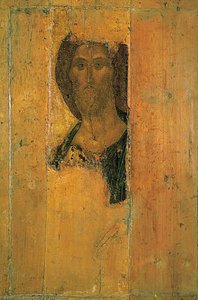
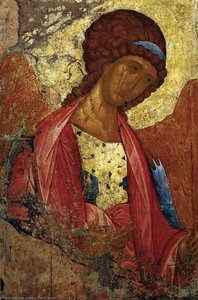
      2. Deesis Range: The Archangel Michael av Andrej Rubljov2Andrej Rubljov
      3. Dåligt styre och dåligt styres effekter på stadslivet av Ambrogio Lorenzetti3Ambrogio Lorenzetti

      The collection in brief

      Late Medieval: the collection in brief

      • 99Konstnärer
      • 1271–1366Födelseår
      • 20Födelseländer
      • 1Kvinnor
      • 5Levande konstnärer
      • 1 514Verk i vår katalog
      Städer med flest födslar
      Siena (13), Florence (9), Florens (7), Modena (3)
      Kvinnorna på denna lista
      Mother Julian

      Master by master

      The catalogue: 99 Late Medieval Konstnärer

      1of 99

      Simone Martini

      Italiensk Born in Siena Internationell gotik Wikipedia, 28 of 32 languages

      Simone Martini

      Saint Louis of Toulouse Crowning His Brother Robert of Anjou, 1317. År 1317 arbetade han med Altaret för S:t Ludvig av Toulouse, ett stycke som avbildar helgonet tillsammans med sin bror, Robert av Anjou. År 1333 målade han Bebådelsen med S:t Margareta och S:t Ansanus, ett verk som för närvarande förvaras i Galleria degli Uffizi i Florens.

      Master of Lippo Memmi #10

      Principal works · The hundred celebrated works

      2of 99

      Andrej Rubljov

      Rysk Born in Moskvariket Rysk ikonmålning Wikipedia, 31 of 32 languages

      Andrej Rubljov

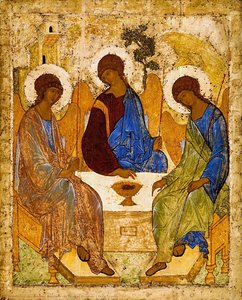
      Andrei Rublev (ca 1360 – ca 1430) förblir en av de mest gåtfulla och djupt inflytelserika gestalterna i den ryska konsthistorien. År 1405 förenade han sina krafter med Teofanes och Prokhor av Gorodets för att dekorera Bebådelsekatedralen, ett avgörande ögonblick inom rysk ikonmåleri. Treenighetsikonen: Rublevs kanske mest hyllade verk, ”Treenigheten” (ca 1420–1428), är ett bevis på hans konstnärliga geni.

      Principal works · The hundred celebrated works

      3of 99

      Ambrogio Lorenzetti

      Italiensk Born in Siena Sienesk skola Wikipedia, 29 of 32 languages

      Ambrogio Lorenzetti

      Ambrogio Lorenzetti, född omkring 1290 i hjärtat av Siena, Italien, framträdde som en centralfigur i övergången från medeltidens konstnärliga traditioner till den spirande renässansen. Den sienesiska skolan, känd för sin förfinade estetik, erbjöd en bördig mark för Ambrogios talanger att blomstra, men han var inte nöjd med att bara replikera etablerade konventioner.

      Principal works · The hundred celebrated works

      4of 99

      Pietro Lorenzetti

      Italiensk Born in Siena Tidig renässans Wikipedia, 27 of 32 languages

      Pietro Lorenzetti

      Född i det livfulla kulturella landskapet i Siena omkring år 1280, utspelade sig Lorenzettis konstnärliga resa under en period av betydande intellektuell och konstnärlig förvandling i Toscana.

      Principal works · The hundred celebrated works

      5of 99

      Hubert Van Eyck

      Nederländsk Born in Maaseik Flandern-skolan Wikipedia, 20 of 32 languages

      Hubert Van Eyck

      Född i Maasik omkring 1ng 1385 eller 1390, var han en del av en formidabel konstnärlig dynasti; hans familjeband, inklusive den berömda brodern Jan och syskonen Lambert och Margaret, skapade en kreativ smältdegel som för alltid skulle förändra den europeiska måleriets bana.

      Principal works · The hundred celebrated works

      6of 99

      Taddeo Gaddi

      Italiensk Born in Florens Tidig renässans Wikipedia, 23 of 32 languages

      Taddeo Gaddi

      Grunden för Gaddis konstnärskap var djupt rotad i Giottos verkstad, där han lärde sig den djupa betydelsen av chiaroscuro och förmågan att ge figurer en känsla av fysisk närvaro. Medan Giotto fokuserade på mänsklighetens råa, skulpturala essens, introducerade Gaddi en delikat elegans och en sofistikerade användning av ljus som kunde förvandla en platt yta till ett fönster av gudomlig strålglans.

      Master of Jacopo Del Casentino (Jacopo Landino) #51

      Principal works · The hundred celebrated works

      7of 99

      Agnolo di Taddeo Gaddi

      Italian Born in Florens Gothic, Early Renaissance Wikipedia, 20 of 32 languages

      Agnolo di Taddeo Gaddi

      Giotto di Bondone (1267-1337) var en revolutionär målare som förändrade italiensk konst genom att introducera realism och emotionell djuphet – något som Gaddi skulle hämtas inspiration från. Där Giotto ofta föredrog robust enkelhet, omfamnade Gaddi en mer raffinerad elegans och införlivade komplexa detaljer och ett ökat fokus på dekorativ prakt – vilket ytterligare förstärkte hans konstnärliga identitet.

      Pupil of Taddeo Gaddi #6

      Principal works · The hundred celebrated works

      8of 99

      Theophanes greken

      Grekisk Born in Konstantinopel Bysantinsk ikonografi Wikipedia, 22 of 32 languages

      Theophanes greken

      Hans penseldrag kännetecknades av precision och flöde, vilket gjorde det möjligt för honom att skapa figurer som verkade både eteriska och kraftfullt jordade. En nyckelinnovation var hans skickliga manipulation av ljus och skugga – genom att använda högdagrar för att betona motivens andliga essens och skapa en känsla av inre strålglans.

      Principal works · The hundred celebrated works

      9of 99

      Paolo Veneziano

      Born in Venedig Wikipedia, 15 of 32 languages

      Paolo Veneziano

      Paolo Veneziano (ca 1333 – 1358) står som en monumental gestalt i den venetianska konsthistorien, universellt erkänd som ”det fjortonde århundradets viktigaste venetianska målare”. Född in i en konstnärlig släktlinje i själva Venedig – hans far var en berömd konstnär – sammanföll Venezianos korta men briljanta karriär med en transformativ period inom det europeiska måleriet.

      Principal works · The hundred celebrated works

      10of 99

      Lippo Memmi

      Italiensk Born in Siena Internationell gotik Wikipedia, 17 of 32 languages

      Lippo Memmi

      Lippo Memmi, född omkring 1291 i hjärtat av Siena, Italien, framstår som en nyckelfigur i övergången från den bysantinskt rotade traditionen inom medeltida måleri till den spirande elegansen i den internationella gotiken. Även om han ofta diskuteras i relation till sin berömda svåger och mentor, Simone Martini, erkänner modern forskning alltmer Memmis distinkta konstnärliga röst och betydande bidrag till 1300-talets sienesiska konst.

      Pupil of Simone Martini #1

      Principal works · The hundred celebrated works

      11of 99

      Altichiero

      Italiensk Born in Zevio Gotisk konst Wikipedia, 20 of 32 languages

      Altichiero

      Altichiero, född nära den lugna staden Zevio i Verona omkring 1330, var inte enbart en krönikör av heliga händelser utan en pionjär inom den venetianska gotiska stilen. Denna koppling, sannolikt formad genom ett intimt studium av Giottos lärjungar som Taddeo Gaddi, gjorde det möjligt för Altichiero att genomstråla sitt arbete med en djup känsla av volym, tyngd och narrativ klarhet som var revolutionerande för sin tid.

      Principal works · The hundred celebrated works

      12of 99

      Spinello Aretino

      Italiensk Born in Arezzo Länk mellan Giottos skola och den sienesiska skolan Wikipedia, 16 of 32 languages

      Spinello Aretino

      Född i en familj av florentinska guldsmeder var hans sanna namn Spinello Di Luca Spinelli, men han blev känd för eftervärlden under namnet "Aretino", vilket markerade hans koppling till Arezzo. Under sina tidiga år verkade han i Florens livliga verkstäder, där han bidrog till monumentala verk såsom fresker i kyrkorna Carmine och Santa Maria Novella.

      Pupil of Jacopo Del Casentino (Jacopo Landino) #51 · Master of Lorenzo di Bicci #32

      Principal works · The hundred celebrated works

      13of 99

      Bernardo Daddi

      Italiensk Born in Florens Tidig renässans Wikipedia, 17 of 32 languages

      Bernardo Daddi

      Bernardo Daddi, född i Florens omkring 1290 och bortgången 1348, framstår som en avgörande gestalt i övergången från senmedeltidens gotik till den spirande italienska renässansen. Hans första verk uppvisar en tydlig koppling till Giottos efterföljare – mästare som ”Mästaren av Santa Cecilia” och andra florentinska målare under 1300-talets första fjärdedel – vilket speglar en direkt linje av konstnärligt inflytande.

      Principal works · The hundred celebrated works

      14of 99

      Andrea Pisano

      Italiensk Born in Pontecorvo Gotik

      Andrea Pisano

      Pisano föddes i Pontecorvo, Lazio, och hans tidiga liv förblir höljt i mystik, men han förfinade sitt hantverk initialt som guldsmed innan han omkring år 1300 helt ägnade sig åt skulptur under Mino di Giovannis vägledning. Katedralen i Florens och Giottos arv: Pisano etablerade sig snabbt som Florens främsta skulptör och efterträdde Giotto som maestro d’opera år 1340.

      Principal works · The hundred celebrated works

      15of 99

      Niccolò Di Tommaso

      Italiensk Born in Florens Tidig renässans

      Niccolò Di Tommaso

      Niccolò Di Tommaso, ett namn som ekar mjukt genom fjortonde-talets italienska måleri, framträdde i Florens omkring år 1346. Ett avgörande samarbete med Nardo di Cione omkring år 1370 visade sig vara transformativt. Deras gemensamma ansträngningar i Strozzi-kapellet i Santa Maria Novella utgör en kritisk vändpunkt i Niccolòs konstnärliga bana.

      Principal works · The hundred celebrated works

      16of 99

      Ni Zan

      Kinesisk Born in Wuxi De fyra mästarna under Yuan-dynastin Wikipedia, 15 of 32 languages

      Ni Zan

      Ni Zan, en berömd kinesisk målare, föddes år 1301 i en välbärgad familj i Wuxi. Trots att han föddes efter Kublai Khans död, hade Ni Zans familj råd att ge honom en rigorös konfuciansk utbildning. Ni Zan betraktas som en av de fyra mästarna under Yuan-dynastin, tillsammans med huang gongwang, wu zhen, och wang meng.

      Principal works · The hundred celebrated works

      17of 99

      Andrea Di Cione (Orcagna)

      Italiensk Born in Florens Gotik-Senmedeltida gotik

      Andrea Di Cione (Orcagna)

      Andrea Di Cione (Orcagna), känd i historien under det stämningsfulla namnet Orcagna, står som en av de mest inflytelserika gestalterna inom florentinsk konst under mitten av 1300-talet—en period präglad av en fascinerande sammansmältning av gotiska och senmedeltida gotiska konsttraditioner. Han föddes omkring 1308 i hjärtat av Florens och växte upp i en familj djupt rotad i stadens prestigefyllda hantverkskultur.

      Principal works · The hundred celebrated works

      18of 99

      Orcagna

      Italian Born in Florence Gothic-Late Gothic Wikipedia, 20 of 32 languages

      Orcagna

      However, Orcagna’s artistic trajectory quickly diverged from his master's, developing a distinctly Florentine style characterized by dramatic figures, vibrant colors, and an innovative approach to composition. He was formally admitted into the painter’s guild in 1343-44 and later joined the stonemasons’ guild in 1352, demonstrating his versatility and ambition across multiple artistic disciplines. His work served as an inspiration to many of Florence’s leading painters, including Jacopo di Cione, his brother, who continued Orcagna's artistic legacy after his death in 1368.

      Pupil of Andrea Pisano #14

      Principal works · The hundred celebrated works

      19of 99

      Giovanni Da Milano

      Italiensk Born in Lombardiet Proto-Renässans

      Giovanni Da Milano

      Född Giovanni di Jacopo di Guido da Caversaccio i Lombardiet omkring 1346, vecklades hans konstnärliga resa främst ut i Florens pulserande kulturella landskap under en tid av enorm förändring och innovation.

      Principal works · The hundred celebrated works

      21of 99

      Wang Meng

      Chinese Born in Huzhou Yuan Dynasty Landscape Painting Wikipedia, 14 of 32 languages

      Wang Meng

      Unlike the more restrained approaches of his contemporaries, Wang Meng’s paintings are characterized by an extraordinary density and dynamism. His brushstrokes—often described as “ropy” or “layered”—were meticulously applied in thick, overlapping patterns, creating a palpable sense of texture and movement. Wang Meng’s style was profoundly influenced by the landscape painters who preceded him – Wang Wei, Dong Yuan, and Juran – but he developed his own distinctive voice through his innovative use of brushwork and composition.

      Principal works · The hundred celebrated works

      23of 99

      Nicolas Bataille

      French Medieval Art, Religious Paintings

      Nicolas Bataille

      He was born around 1330 in Paris, likely as the son of an architect, a profession that may have instilled within him an appreciation for structure and design. The recurring motif of dragons – often interpreted as representing Satan or evil forces – dominates several tapestries, symbolizing the struggle between good and evil.

      Principal works · The hundred celebrated works

      24of 99

      Lorenzo Veneziano

      Italiensk Born in Venedig Bysantinsk konst Wikipedia, 11 of 32 languages

      Lorenzo Veneziano

      Året 1336 ekar genom Italiens konstnärliga landskap, oskiljaktigt knutet till en gestalt höljd i ett fascinerande mysterium – Mästaren av 1336. Mer exakt känd som Giovanni Lipini, erbjuder denna konstnärs namn, härlett från en mirakulös fresk föreställande Jungfru Maria i Santa Maria delle Grazie i Pistoia, en lockande glimt av hans ursprung och bestående inflytande.

      Principal works · The hundred celebrated works

      25of 99

      Segna Di Buonaventure

      Italian Trecento

      Segna Di Buonaventure

      Segna's artistic journey is believed to have begun under the tutelage of his uncle, Duccio di Buoninsegna, a towering figure in Sienese painting. It’s believed that Segna spent time in Florence during this period, absorbing influences from the burgeoning Florentine school, which was beginning to experiment with linear perspective and naturalistic representation.

      Principal works · The hundred celebrated works

      27of 99

      Ugolino Di Nerio

      Italiensk Born in Siena Sienessisk målning Wikipedia, 13 of 32 languages

      Ugolino Di Nerio

      Ugolino di Nerio, ett namn som till stor del saknas i de etablerade konsthistoriska berättelserna, framstår som en central gestalt i det blomstrande konstlandskapet i Siena och Florens under 1320-talet. Han föddes omkring år 1280 i en familj av målare – hans far var Guido och hans syskon var Muccio och Ugolino – och han framträdde som en självständig mästare.

      Principal works · The hundred celebrated works

      28of 99

      Taddeo di Bartolo

      Italian Born in Siena Early Renaissance Wikipedia, 13 of 32 languages

      Taddeo di Bartolo

      His mastery of the fresco technique allowed him to command vast architectural spaces, most notably in his breathtaking works within the Cappella Nuova in San Francesco di Assisi. His compositions often feature: Luminous Pigments: A palette rich in ultramarine, vermilion, and gold leaf that reflects the divine splendor of his subjects. As the Renaissance began to shift its center of gravity toward Florence, Taddeo ensured that Siena maintained its distinct, sophisticated voice—one characterized by grace, decorative splendor, and a deep, spiritual lyricism.

      Principal works · The hundred celebrated works

      29of 99

      Lippo Di Benivieni

      Italian Born in Florence Early Quattrocento

      Lippo Di Benivieni

      Despite the paucity of surviving paintings attributed to Lippo di Benivieni, his influence is palpable in several significant frescoes adorning churches throughout Siena and San Gimignano. Santa Maria di Campagna Frescoes: These frescoes showcase Lippo's dedication to capturing religious narratives with profound emotional depth and visual splendor. Furthermore, his work serves as an exemplar of early Quattrocento painting—a transitional phase between Gothic formalism and Renaissance naturalism —demonstrating Lippo’s willingness to embrace new stylistic approaches while retaining core aesthetic principles.

      Principal works · The hundred celebrated works

      30of 99

      Zhao Yuan

      Chinese Landscape painting

      Zhao Yuan

      However, while Wang Meng often imbued his landscapes with a sense of dramatic power and spiritual intensity, Zhao Yuan’s work tends towards a more refined elegance and lyrical quality. His most significant debt is undoubtedly to Wang Meng (1308-1383), one of the last great masters of the Yuan dynasty.

      Principal works · The hundred celebrated works

      31of 99

      Andrea Di Bartolo

      Italian Born in Siena Sienese School Wikipedia, 12 of 32 languages

      Andrea Di Bartolo

      Working alongside luminaries such as Luca di Tommè, he contributed to significant communal works, including an altarpiece for the shoemaker's guild in the cathedral of Siena, marking his first documented presence in the annals of art history.

      Principal works · The hundred celebrated works

      32of 99

      Lorenzo di Bicci

      Italian Florentine School

      Lorenzo di Bicci

      This preference for light is not merely aesthetic; it reflects a deeper philosophical shift – a move towards celebrating the beauty and dignity of human life. He skillfully employed perspective, though not with the mathematically precise rigor of later Renaissance artists, creating a sense of depth and spatial awareness through subtle variations in scale and detail. He is considered a crucial link between the late Gothic style of his predecessors and the groundbreaking innovations of artists like Masaccio and Botticelli.

      Principal works · The hundred celebrated works

      33of 99

      Melchior Broederlam

      Belgian Born in Ypres Early Netherlandish Painting Wikipedia, 15 of 32 languages

      Melchior Broederlam

      By integrating the sculptural solidity learned from masters like Claus Sluter with the fluid grace of the International Gothic style, Broederlam helped forge a new visual vocabulary. The court at Dijon was a crucible of talent, attracting the finest goldsmiths, sculptors, and painters of Europe, and within this vibrant atmosphere, Broederlam refined a style that was both regal and deeply spiritual.

      Principal works · The hundred celebrated works

      34of 99

      Bicci Di Lorenzo

      Italiensk Born in Florens Florentinska skolan Wikipedia, 8 of 32 languages

      Bicci Di Lorenzo

      Lorenzos mest ambitiösa företag var utan tvekan freskcykeln som prydde Palazzo Medici – beställd av Cosimo I de' Medici – ett projekt som cementerade hans rykte som en ledande konstnär under sin tid. Dessa monumentala målningar, som skildrar scener från biblisk historia och mytologiska narrativ, representerar en höjdpunkt av florentinsk renässanskonst, och visar Lorenzos mästerskap i färg, komposition och perspektiv.

      Principal works · The hundred celebrated works

      36of 99

      Jean Pucelle

      French Early Gothic painting

      Jean Pucelle

      Jean Pucelle remains one of the most captivating enigmas in the annals of medieval art, a figure whose name is whispered with reverence by those who study the delicate transition from the rigid structures of the Middle Ages to the burgeoning humanism of the Renaissance.

      Principal works · The hundred celebrated works

      37of 99

      Andrea Di Bonaiuto

      Italiensk Born in Florens Toskanskt måleri Wikipedia, 12 of 32 languages

      Andrea Di Bonaiuto

      Tabernaklet är ett komplext och rikt ornamenterat rum som pryds av hexagonala reliefer föreställande scener ur Jungfru Marias liv. Dessa reliefer kännetecknas av sin dynamiska komposition, sina uttrycksfulla figurer och en minutiös detaljrikedom – själva signum för Orcagnas konstnärliga stil.

      Principal works · The hundred celebrated works

      38of 99

      Guariento di Arpo

      Italian Born in Piove di Sacco Early Renaissance; Venetian painting; Gothic art Wikipedia, 12 of 32 languages

      Guariento di Arpo

      Guariento di Arpo (c. 1310–1370) stands as a monumental figure of the Trecento, acting as the essential bridge between the grounded, volumetric realism of Florence and the ethereal, ornamental splendor of the Venetian Gothic tradition.

      Principal works · The hundred celebrated works

      40of 99

      Claus Sluter

      Nederländsk Born in Haarlem Nordisk realism

      Claus Sluter

      Claus Sluter (ca 1350–1406) står som en av sin eras mest inflytelserika skulptörer och markerar en avgörande vändpunkt mellan de gotiska och renässanspräglade konsttraditionerna i Nordeuropa. Inskriptionen av hans namn i Bryssels stenhuggarskrå runt 1379/1380 bekräftar hans professionella verksamhet och understryker hantverkets betydelse inom den medeltida konstkulturen.

      Principal works · The hundred celebrated works

      42of 99

      Jacopo di Cione

      Italian Born in Florence Gothic Wikipedia, 7 of 32 languages

      Jacopo di Cione

      Jacopo's dedication extended beyond commissions; he actively participated in shaping Florence’s cultural landscape through his involvement with the cathedral workshop and his role as consul of the Arte dei Medici e Speziali (1384, 1387, 1392). His commitment to procuring marble for the cathedral underscored his understanding of artistic grandeur and civic responsibility. The dispersed predella depicting scenes from Saint Peter’s life – a collaborative effort with Niccolò di Pietro Gerini – remains a poignant reminder of Jacopo's artistic legacy and the enduring power of Florentine Gothic art.

      Principal works · The hundred celebrated works

      43of 99

      Bartolo Di Fredi

      Italian Born in Siena Sienese School Wikipedia, 13 of 32 languages

      Bartolo Di Fredi

      The legacy of Bartolo di Fredi can be summarized through several key pillars of his impact: Stylistic Synthesis: He successfully merged the aristocratic elegance of the Sienese tradition with a new, more dynamic narrative energy. Narrative Innovation: His fresco cycles in San Gimignano redefined how biblical stories could be told through large-scale, emotionally charged imagery. In the heart of fourteenth-century Tuscany, a period defined by the transition from the ethereal grace of the Gothic era to the burgeoning humanism of the Renaissance, Bartolo di Fredi emerged as a master of light and narrative.

      Principal works · The hundred celebrated works

      44of 99

      Conrad von Soest

      German Born in Dortmund International Gothic soft style Wikipedia, 13 of 32 languages

      Conrad von Soest

      In the twilight of the fourteenth century, a transformative artistic energy began to pulse through the prosperous Hanseatic city of Dortmund, finding its most profound expression in the hands of Conrad von Soest. Completed around 1420, this monumental triptych stands as a pinnacle of the International Gothic style.

      Principal works · The hundred celebrated works

      45of 99

      Tuthmosis

      Egyptian Born in Amarna Amarna art style

      Tuthmosis

      He primarily worked with fine-grained limestone, a material readily available in the quarries surrounding Amarna. The use of sgraffito, a technique involving scratching designs into the surface of the stone with pointed tools, allowed for intricate detailing and patterns – a hallmark of Amarna art. The Amarna period, largely due to the work of artists like Tuthmosis, marked a significant departure from traditional artistic conventions, paving the way for subsequent developments in sculpture and portraiture.

      Principal works · The hundred celebrated works

      46of 99

      Giovanni da Milano

      Italian Born in Valmorea Italian Gothic Wikipedia, 13 of 32 languages

      Giovanni da Milano

      In the bustling streets of Florence, where the air was thick with the scent of fresh pigment and the echoes of a changing era, a painter named Giovanni di Jacopo di Guido da Caversaccio began to make his mark. Hailing from Lombardy, he arrived in Tuscany as a man seeking his fortune, appearing in the city's records as Johannes Jacobi de Commo.

      Principal works · The hundred celebrated works

      47of 99

      Master Bertram

      German Born in Minden International Gothic Wikipedia, 13 of 32 languages

      Master Bertram

      While sharing similarities with other artists of the period, such as Master Francke (another prominent Hamburg painter), Bertram's work possesses a distinct character—a subtle restraint in emotional expression compared to Francke’s more overtly dramatic approach. It is believed that Bertram was influenced by both French and Netherlandish artistic trends prevalent during his time.

      Principal works · The hundred celebrated works

      48of 99

      Agostino Di Giovanni

      Italian Born in Siena Gothic architecture/sculpture

      Agostino Di Giovanni

      Agostino di Siena, born around 1285 in the heart of Tuscany, emerged as a pivotal figure in the transition from late Gothic to early Renaissance sculpture. Giorgio Vasari, the celebrated Renaissance art historian, initially placed Agostino within the orbit of Giovanni Pisano’s workshop, suggesting a formative apprenticeship under this master sculptor. His exact date of death remains unknown, though records indicate he was no longer living as of June 27, 1347—a period marked by the devastating impact of the Black Death.

      Principal works · The hundred celebrated works

      49of 99

      Ashikaga Yoshimitsu

      Born in Kyoto

      Ashikaga Yoshimitsu

      He employed elaborate rituals, symbolic imagery, and monumental architecture – like Kitayama-dono – to portray himself as a universal monarch or dharma king, mirroring rulers in Southeast Asia. His posthumous name was Rokuon'in (鹿苑院), further cementing his place in Japanese history.

      Principal works · The hundred celebrated works

      50of 99

      André Beauneveu

      Netherlandish Born in Valenciennes Pucellian revival

      André Beauneveu

      His technical achievements are best observed in the following areas: Illuminated Manuscripts: In works such as the Psalter of Jean de Berry and his depictions of figures like King David, Beauneveu demonstrated an extraordinary ability to use light and shadow to create a sense of three-dimensional volume on parchment. While contemporary chroniclers like Jean Froissart hinted at potential travels to England—suggesting a possible collaboration with artists like Jean de Liege—Beauneveu's primary impact remained rooted in the French and Low Countries territories.

      Principal works · The hundred celebrated works

      51of 99

      Jacopo Del Casentino (Jacopo Landino)

      Italian Born in Florence Renaissance

      Jacopo Del Casentino (Jacopo Landino)

      To study the works of Jacopo del Casentino is to witness the evolution of the human spirit through paint. Technical Innovation: Early mastery of light, shadow, and the illusion of volume. Often known to history through the mistaken identity of Jacopo Landino —a nomenclature born from the historical errors of Giorgio Vasari—this Florentine master navigated the delicate transition between the late Gothic tradition and the burgeoning sensibilities of the early Renaissance.

      Principal works · The hundred celebrated works

      52of 99

      Musō Soseki

      Japansk Born in Aichi Zenbuddhism Wikipedia, 12 of 32 languages

      Musō Soseki

      Musō Soseki, en framstående gestalt inom japansk konst och spiritualitet, föddes år 1275 och gick bort den 20 oktober 1351. Som en Rinzai Zen-buddhistisk munk och lärare satte han ett outplånligt avtryck på världen av kalligrafi, poesi och trädgårdsdesign. Även om specifika målningar av Musō Soseki inte är allmänt dokumenterade, är hans inflytande på efterföljande generationer av konstnärer obestridligt.

      Principal works · The hundred celebrated works

      53of 99

      Francesco Traini

      Italian Born in Pisa Gothic Art Wikipedia, 11 of 32 languages

      Francesco Traini

      This meticulous attention to detail aligns closely with Orcagna’s sculptural approach, emphasizing naturalism as a vehicle for conveying spiritual truth. The Dance of Death Motif: The Triumph of Death fresco, arguably Traini's magnum opus, embodies the pervasive preoccupation with mortality during the Black Death era. Orcagna's Legacy: Andrea Orcagna’s influence is undeniable in Traini’s compositional strategies and expressive dynamism.

      Principal works · The hundred celebrated works

      54of 99

      Vitale Da Bologna

      Italian Born in Bologna International Gothic Wikipedia, 12 of 32 languages

      Vitale Da Bologna

      The historical importance of Vitale da Bologna lies in his role as a pivotal figure in the evolution of the Bolognese school. His legacy is found in: The Synthesis of Styles: The seamless integration of Riminese color palettes with Giottesque structural depth. His St George’s Battle with the Dragon stands as a breathtaking example of Gothic dynamism, where the struggle between faith and evil is rendered through striking geometric forms and a sense of kinetic energy.

      Principal works · The hundred celebrated works

      55of 99

      Sheikh Zain Al-Din

      Kurdish Born in Erbil Company Style

      Sheikh Zain Al-Din

      This era saw the emergence of what is now known as the “Company style” of painting—a hybrid aesthetic favored by British officials and collectors who sought realistic depictions of Indian life, flora, and fauna. His most significant association was with Mary Impey, wife of Sir Elijah Impey, Chief Justice of Calcutta Supreme Court. The Ashmolean Museum in Oxford holds several examples of his work, including exquisite depictions of mountain-rats, hanging bats, parrots, and storks—each painting a miniature world unto itself.

      Principal works · The hundred celebrated works

      56of 99

      Pere Serra

      Spanish Gothic-Italian

      Pere Serra

      Pere Serra, also known as Jaume Serra, stands as a compelling figure in the transition from the International Gothic style to the burgeoning Renaissance aesthetic within Catalonia. Born around 1357 and passing away in 1406, his life coincided with a period of significant artistic and cultural change across Europe, yet he maintained a distinctly Catalan sensibility throughout his career. The city was a vibrant hub for trade and artistic exchange, exposed to influences from Italy, France, and Flanders.

      Principal works · The hundred celebrated works

      57of 99

      Aztekriket

      Mexikansk Born in Tenochtitlan Mesoamerikansk konst

      Aztekriket

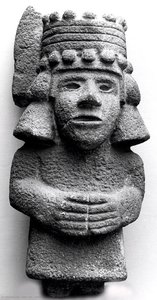
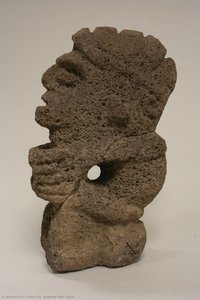
      Namnet ”Aztek” – härlett från det nahuatlska ordet ātl-ce-tlācati–tlān, som betyder ”folket av många former” – frammanar bilder av ett vidsträckt och komplext imperium som dominerade Mesoamerika under århundraden. De aztekiska konsttraditionerna föddes i början av 1400-talet i Tenochtitlan, Aztekrikets hjärta, och var djupt rotade i arvet från tidigare mesoamerikanska civilisationer.

      Principal works · The hundred celebrated works

      59of 99

      Marco Di Paolo Veneziano

      Italian Byzantine-influenced art; Gothic art

      Marco Di Paolo Veneziano

      In the shimmering, maritime heart of the fourteenth century, a transformative era was unfolding within the lagoons of Venice, and at its center stood Paolo Veneziano. His formative years were steeped in the luminous, spiritual grandeur of Byzantine art, a tradition brought to the Venetian lagoons through trade and deep ecclesiastical ties to Constantinople. Mark’s Basilica, where he decorated the sanctuary with breathtaking compositions depicting Saint Mark Evangelist and the Virgin Mary.

      Principal works · The hundred celebrated works

      62of 99

      Ferrer Bassa

      Catalan Born in Avinyonet del Penedès Gothic painting

      Ferrer Bassa

      Bassa’s initial steps as an artist were taken within the religious sphere, working on chapels in Sitges during the early years of the 14th century – commissions that likely served to hone his skills and establish a local reputation. His ability to synthesize diverse stylistic elements—French elegance, Sienese refinement, and Giottesque drama—resulted in a visual language that was both innovative and deeply rooted in its cultural context.

      Principal works · The hundred celebrated works

      63of 99

      Tommaso Da Modena

      Italian Born in Modena Late Gothic Wikipedia, 15 of 32 languages

      Tommaso Da Modena

      Tommaso Barisini, commonly known as Tommaso da Modena and sometimes referred to as Tomaso Baffini (c. 1325 – 1379), stands as one of the most prominent figures in Northern Italian painting during the mid-14th century—a period marked by burgeoning artistic innovation and profound spiritual reflection. His unwavering commitment to naturalistic representation—coupled with his masterful command of perspective—established a precedent for Renaissance artists seeking to emulate the grandeur and clarity of classical art forms.

      Principal works · The hundred celebrated works

      64of 99

      Jacopo Avanzi

      Italian Born in Bologna Renaissance, Proto-Renaissance

      Jacopo Avanzi

      D'Avanzi’s style occupies a fascinating position within the transition from Gothic art to the early Renaissance. While retaining elements of traditional Byzantine iconography – particularly in the use of gold leaf and hierarchical scaling – his work demonstrates an increasing interest in naturalism and emotional expression.

      Principal works · The hundred celebrated works

      65of 99

      Paolo Di Giovanni Fei

      Italiensk Born in San Quirico d'Orcia Naturalism, Proto-renässans Wikipedia, 10 of 32 languages

      Paolo Di Giovanni Fei

      Lorenzettis mest bestående arv ligger i hans pionjärarbete med naturalismen inom sienesiskt konst. Deras fresker i den nedre kyrkan i San Francesco i Assisi exemplifierar denna revolutionära stil.

      Principal works · The hundred celebrated works

      66of 99

      Giottino

      Italian Born in Florence Early Italian painter Wikipedia, 14 of 32 languages

      Giottino

      His output includes a variety of formats, from devotional panels to architectural elements: Frescoes: The narrative cycles in the San Silvestro chapel, Santa Croce, Florence. Sculpture and Architecture: A marble statue located on the Florentine campanile and various works attributed to his hand in the Florentine school.

      Principal works · The hundred celebrated works

      67of 99

      Wu Zhen

      Yuan dynasty Born in Jiashan County Wikipedia, 12 of 32 languages

      Wu Zhen

      The brush of Wu Zhen moved with a particular intent, seeking to capture the essence of the natural world through landscape paintings and the delicate forms of bamboo. He did not merely observe the mountains or the flora; he sought to inhabit them. His work Qing Jiang Chun Xiao remains a definitive example of how he achieved the integration of the Three Perfections, weaving together the intellectual weight of poetry and the fluid grace of calligraphy with the visual depth of his painting.

      Principal works · The hundred celebrated works

      68of 99

      Jacopo del Casentino

      Florentine Born in Florence Later Gothic Wikipedia, 10 of 32 languages

      Jacopo del Casentino

      As his career progresses, the influence of the Lorenzetti brothers, Pietro and Ambrogio, becomes visible. The tension between these traditions defines his artistic output: The foundational weight of Giotto’s legacy.

      Pupil of Taddeo Gaddi #6 · Master of Spinello Aretino #12

      Principal works · The hundred celebrated works

      69of 99

      Giusto De' Menabuoi

      Italian Born in Florence Early Renaissance Wikipedia, 12 of 32 languages

      Giusto De' Menabuoi

      Menabuoi’s distinctive style transcends simple categorization, reflecting a complex interplay between Byzantine iconography and Florentine Proto-Renaissance aesthetics. Unlike many of his contemporaries who embraced the burgeoning realism championed by artists like Altichiero and Jacopo d'Avanzi, Menabuoi prioritized conveying spiritual emotion over meticulous anatomical accuracy—a hallmark of Giotto’s artistic vision.

      Principal works · The hundred celebrated works

      70of 99

      Jacquemart de Hesdin

      French Born in Hesdin International Gothic Wikipedia, 13 of 32 languages

      Jacquemart de Hesdin

      Très Belles Heures du Duc de Berry (Brussels Hours): Considered his most significant work, showcasing elaborate scenes and detailed miniatures. Grandes Heures: Another important illuminated manuscript commissioned by the Duke of Berry. He synthesized these influences into a unique International Gothic style that was highly sought after by European nobility.

      Principal works · The hundred celebrated works

      71of 99

      Matteo Giovanetti

      Italian Born in Viterbo Early Italian Renaissance

      Matteo Giovanetti

      In the heart of fourteenth-century Italy, amidst the spiritual awakening of the early Renaissance, the name Matteo Giovanetti emerged as a beacon of devotional mastery. His life’s work serves as a vital bridge between the rigid, symbolic traditions of the Gothic period and the burgeoning naturalism that would soon define the Italian Renaissance.

      Principal works · The hundred celebrated works

      72of 99

      Reisai Gukyoku

      Japan Born in Yamashiro Zen buddhism art

      Reisai Gukyoku

      He favored ink wash techniques (sumi-e), utilizing varying shades of black to create textured surfaces that mirrored the natural world—particularly landscapes reminiscent of Mount Yoshino, a sacred site venerated by Zen monks. This deliberate simplicity was not merely aesthetic; it represented a conscious effort to transcend discursive thought and access a deeper level of awareness—a cornerstone of Zen practice. Although he remains largely unrecognized by mainstream art historians, Reisai Gukyoku’s work stands as a poignant reminder of the transformative potential of artistic practice when guided by spiritual aspiration.

      Principal works · The hundred celebrated works

      74of 99

      Bartolommeo Bulgarini

      Italian Born in Siena Sienese school

      Bartolommeo Bulgarini

      He possessed a rare, intuitive grasp of how to marry the ancient, ethereal majesty of Byzantine iconography with the burgeoning humanism and spatial curiosity emerging from Florence. This stylistic evolution is perhaps most evident in his ability to balance: The Byzantine influence, which provided the sacred, unmoving grandeur of the divine. Whether through the intimate grace of his Madonna and Child compositions or the solemnity of his depictions of saints, Bulgarini’s work captures the spiritual heartbeat of an era.

      Principal works · The hundred celebrated works

      75of 99

      Gikō Tettō

      Japanese Born in Hara Zen painting

      Gikō Tettō

      Tettō skillfully employed sumi ink – the traditional Japanese black pigment – but he wasn’t constrained by its limitations. His compositions frequently featured sweeping vistas and dynamic brushstrokes, reflecting both the natural world and the internal landscapes of Zen meditation. Gikō Tettō’s influence on Japanese art extends far beyond his own lifetime.

      Principal works · The hundred celebrated works

      76of 99

      Barnaba Da Modena

      Italian Born in Modena Byzantine-influenced Lombard Painting Wikipedia, 12 of 32 languages

      Barnaba Da Modena

      Born around 1328 in Modena (Emilia), he emerged from obscurity to become arguably the first Lombard painter of considerable renown, leaving behind an impressive oeuvre that testifies to his unwavering devotion to this venerable artistic heritage.

      Principal works · The hundred celebrated works

      77of 99

      Peter Parler

      German-Bohemian Born in Schwaebisch Guemund Late Gothic

      Peter Parler

      In the heart of the Late Middle Ages, a period defined by soaring spires and profound devotion, Peter Parler emerged as one of the most influential architects and sculptors of his era. Known variously as Peter von Gemünd or Petr Parléř, his identity was inextricably linked to the Parler family, a lineage of craftsmen whose influence stretched across much of Central Europe.

      Principal works · The hundred celebrated works

      78of 99

      Bonanat Descoll I De Santcliment

      Italiensk Born in Barcelona Tidig renässans

      Bonanat Descoll I De Santcliment

      Bonanat Descoll I De Santcliment var en katalansk amiral för kronan Aragonien under 1300-talet. Han föddes i Barcelona, Spanien år 1310 och avled år 1390. Bonanat Descoll I De Santcliment var inte enbart en skicklig militär ledare, utan även en fulländad konstnär.

      Principal works · The hundred celebrated works

      79of 99

      Yuan Dynasty

      Chinese Born in Beijing Landscape Art

      Yuan Dynasty

      The Yuan Dynasty (1271–1368), established by Kublai Khan, represents a singular moment in Chinese history – the first time a foreign power successfully ruled over all of China. He actively supported artists like Wang Meng and Zhao Yuan, commissioning monumental landscapes and intricate calligraphy scrolls that celebrated imperial grandeur and Confucian ideals. The Four Masters: The Yuan Dynasty is particularly renowned for its “Four Masters” – Huang Xuan, Zhao Menggui, Wang Meng, and Ni Zan —who redefined the conventions of landscape painting and established a new aesthetic centered on simplicity, spontaneity, and profound contemplation.

      Principal works · The hundred celebrated works

      81of 99

      Domenico Di Agostino

      Italian Born in Siena Gothic Art

      Domenico Di Agostino

      His most recognizable works center on themes of the Annunciation, the Madonna and Child, and scenes from the life of Christ. The composition typically depicts the Angel Gabriel kneeling before Mary, delivering the news of Christ’s birth. Yet, unlike Simone’s increasingly internationalized aesthetic, Domenico remained firmly rooted in the Sienese tradition.

      Principal works · The hundred celebrated works

      82of 99

      Agnolo Di Ventura

      Italian Gothic Art Italy

      Agnolo Di Ventura

      The city boasted a vibrant sculptural tradition, influenced by both French Gothic precedents and the burgeoning Italian style. Siena’s artistic climate was characterized by a distinctive emphasis on grace, refined detail, and narrative clarity – qualities that would become hallmarks of Agnolo’s own work. Agnolo’s style reflects a synthesis of various influences, blending French Gothic elegance with the growing Italian emphasis on naturalism and emotional expression.

      Principal works · The hundred celebrated works

      84of 99

      Francesco Di Petracco

      Italian Born in Arezzo Humanist poetry

      Francesco Di Petracco

      Petracco’s work reflects a unique blend of contemporary realism, influenced by the late Gothic tradition, alongside an emerging interest in perspective and atmospheric effects – hallmarks of the evolving Renaissance aesthetic. His father, Ser Parenzo, held positions of considerable authority, including serving as Chancellor of the Commission for Reforms, demonstrating a family legacy rooted in public service and intellectual pursuits. He was deeply influenced by the rediscovery of classical texts – particularly those of Cicero – which fueled the humanist movement’s emphasis on human potential, reason, and civic virtue.

      Principal works · The hundred celebrated works

      85of 99

      Giovanni d'Agostino

      Born in Siena

      Giovanni d'Agostino

      A significant partnership was formed with Agnolo di Ventura, culminating in their joint execution of the cenotaph of Guido Tarlati in the Cathedral of Arezzo (signed and dated 1330). Documentation confirms D'Agostino’s involvement in the construction of the Torre del Mangia in 1339.

      Principal works · The hundred celebrated works

      88of 99

      Giovanni Di Chellino Boccaccio

      Italian Born in Certaldo Humanism precursor

      Giovanni Di Chellino Boccaccio

      Born amidst the rolling landscapes of Certaldo in 1313, Giovanni Boccaccio emerged as a vital force in the cultural landscape of the fourteenth century. As one of the legendary "Three Crowns" of Italian literature—standing alongside the giants Dante Alighieri and Petrarch—his life served as a bridge between the medieval world and the dawning light of the Renaissance.

      Principal works · The hundred celebrated works

      89of 99

      Emperor Kōgon

      Japanese Buddhist Art

      Emperor Kōgon

      While the Nanboku-chō period was defined by conflict between rival courts, Kōgon’s focus on Buddhist art provided a sense of cultural continuity and spiritual stability. His patronage laid the groundwork for future developments in Japanese Buddhist iconography, influencing the stylistic trajectory of much of the art produced in the centuries that followed. Emperor Kōgon (1313–1364) was not merely a sovereign navigating a period of profound instability; he was a visionary patron whose devotion to Buddhist iconography helped reshape the aesthetic soul of Northern Japan.

      Principal works · The hundred celebrated works

      90of 99

      Jakushitsu Genkō

      Japanese Born in Tokyo Rinzai Zen

      Jakushitsu Genkō

      Early Life & Artistic Formation: Little biographical detail survives concerning Genkō’s formative years; he emerged from obscurity as a student of Zen at Nara Temple, establishing a foundation for his lifelong devotion to the Dharma.

      Principal works · The hundred celebrated works

      93of 99

      Nardo di Cione

      Italian Born in Florence Renaissance Painting Wikipedia, 10 of 32 languages

      Nardo di Cione

      The significance of Nardo di Cione lies in his ability to bridge the gap between the rigid traditions of the medieval period and the burgeoning humanism of the Renaissance. Chromatic Mastery: The use of vibrant, symbolic colors to navigate complex theological narratives. Born around 1320, he was part of a formidable artistic dynasty, working alongside his brothers, the renowned Orcagna (Andrea di Cione) and Jacopo di Cione.

      Principal works · The hundred celebrated works

      95of 99

      Serafino Serafini

      Italian Born in Modena Giottesque & Bolognese

      Serafino Serafini

      One of his most celebrated achievements, the Coronation of the Virgin, bears a proud inscription dating the work to March 1385, serving as a permanent testament to his hand. Beyond the cathedral walls, Serafini’s influence extended into other significant religious sites, such as the Church of San Francesco in Mantua. In the twilight of the fourteenth century, amidst the architectural grandeur of Northern Italy, the name Serafino Serafini emerged as a vital, if enigmatic, force in the evolution of late medieval painting.

      Principal works · The hundred celebrated works

      97of 99

      Antonio Baboccio Da Piperno

      Italian Born in Pietrantonella Late Medieval Art

      Antonio Baboccio Da Piperno

      Beyond the physical permanence of his marble reliefs, Antonio Baboccio da Piperno’s true significance lies in the lineage of talent he helped cultivate. He was a progenitor of style, fostering a school of artists that included luminaries such as Agnello del Fiore and Guglielmo Monaco. Antonio Baboccio da Piperno, born around 1351 in the quiet landscape of Pietrantonella, was far more than a mere craftsman; he was an abbot, a painter, a sculptor, and a goldsmith—a true polymath of the visual arts.

      Principal works · The hundred celebrated works

      98of 99

      Zekkai Chūshin

      Italian Born in Tosa Byzantine art

      Zekkai Chūshin

      The Master’s origins are shrouded in some mystery, yet a clear lineage can be traced through the artistic networks of Pistoia. Equally significant was the work of Maso di Banco, a prominent Sienese painter known for his dramatic compositions and expressive figures. The figure known as the Master of 1336 remains one of the most intriguing enigmas in Italian art history.

      Principal works · The hundred celebrated works

      Plates

      Celebrated Late Medieval paintings

      1. Bebådelsen och två helgon av Simone Martini

        Bebådelsen och två helgon

        Simone Martini

        1333 · Galleria degli Uffizi, Florens

      2. Deesis Range: The Archangel Michael av Andrej Rubljov

        Deesis Range: The Archangel Michael

        Andrej Rubljov

        1410 · Tretyakovgalleriet, Moskva

      3. Dåligt styre och dåligt styres effekter på stadslivet av Ambrogio Lorenzetti

        Dåligt styre och dåligt styres effekter på stadslivet

        Ambrogio Lorenzetti

        1338 · Palazzo Pubblico, Siena

      4. Madonna Enthroned with Angels av Pietro Lorenzetti

        Madonna Enthroned with Angels

        Pietro Lorenzetti

        1340 · Galleria degli Uffizi, Florens

      5. Ghent Altarpiece - Exteriör av vänster och höger skott av Hubert Van Eyck

        Ghent Altarpiece - Exteriör av vänster och höger skott

        Hubert Van Eyck

        1432

      6. Nativity av Taddeo Gaddi

        Nativity

        Taddeo Gaddi

        1325 · Fundación Colección Thyssen-Bornemisza, Barcelona

      7. The Last Supper av Agnolo di Taddeo Gaddi

        The Last Supper

        Agnolo di Taddeo Gaddi

        1395 · Lindenau-Museum, Altengau

      8. Our Lady of the Don av Theophanes greken

        Our Lady of the Don

        Theophanes greken

        1382 · Tretyakovgalleriet, Moskva

      Chronology

      A Late Medieval chronology in paintings

      1. 1324
      2. 1325
      3. 1333
      4. 1334
      5. 1340
      6. 1350
      7. 1359
      8. 1370
      9. 1372
      10. 1384
      11. 1394
      12. 1395
      13. 1400
      14. 1408

      Notes and figures

      The catalogue in figures

      Födelseland
      Italy35
      Italien20
      Japan10
      China4
      Spain3
      France3
      Egypt3
      People's Republic of China2
      Födelsedecennium
      1270s4
      1280s9
      1290s11
      1300s9
      1310s8
      1320s12
      1330s13
      1340s9
      1350s15
      1360s9
      Museer som innehar deras viktigaste verk
      Metropolitan Museum of Art18
      Yale University Art Gallery5
      Harvard Art Museums4
      National Gallery4
      Galleria degli Uffizi3
      Gemäldegalerie3
      Museum of Fine Arts3
      Louvre3

      Index of artists

      List of the 99 Late Medieval konstnärer

      1. 1Simone MartiniSimone MartiniItaliensk · 1284–1344
      2. 2Andrej RubljovAndrej RubljovRysk · 1360–1430
      3. 3Ambrogio LorenzettiAmbrogio LorenzettiItaliensk · 1290–1348
      4. 4Pietro LorenzettiPietro LorenzettiItaliensk · 1280–1348
      5. 5Hubert Van EyckHubert Van EyckNederländsk · 1366–1426
      6. 6Taddeo GaddiTaddeo GaddiItaliensk · 1300–1366
      7. 7Agnolo di Taddeo GaddiAgnolo di Taddeo GaddiItalian · 1350–1396
      8. 8Theophanes grekenTheophanes grekenGrekisk · 1335–1410
      9. 9Paolo VenezianoPaolo Veneziano1333–1358
      10. 10Lippo MemmiLippo MemmiItaliensk · 1291–1356
      11. 11AltichieroAltichieroItaliensk · 1330–1390
      12. 12Spinello AretinoSpinello AretinoItaliensk · 1350–1410
      13. 13Bernardo DaddiBernardo DaddiItaliensk · 1290–1348
      14. 14Andrea PisanoAndrea PisanoItaliensk · 1290–1348
      15. 15Niccolò Di TommasoNiccolò Di TommasoItaliensk · 1346–1376
      16. 16Ni ZanNi ZanKinesisk · 1301–1374
      17. 17Andrea Di Cione (Orcagna)Andrea Di Cione (Orcagna)Italiensk · 1308–1368
      18. 18OrcagnaOrcagnaItalian · 1315–1368
      19. 19Giovanni Da MilanoGiovanni Da MilanoItaliensk · 1346–1369
      20. 20Barna Da SienaBarna Da SienaItalian · 1330–1380
      21. 21Wang MengWang MengChinese · 1308–1385
      22. 22Cresques AbrahamCresques AbrahamSpanish · 1325–1387
      23. 23Nicolas BatailleNicolas BatailleFrench · 1330–1405
      24. 24Lorenzo VenezianoLorenzo VenezianoItaliensk · 1336–1379
      25. 25Segna Di BuonaventureSegna Di BuonaventureItalian · 1298–1326
      26. 26Cennino CenniniCennino CenniniItalian · 1360–1440
      27. 27Ugolino Di NerioUgolino Di NerioItaliensk · 1280–1330
      28. 28Taddeo di BartoloTaddeo di BartoloItalian · 1362–1422
      29. 29Lippo Di BenivieniLippo Di BenivieniItalian · 1296–1327
      30. 30Zhao YuanZhao YuanChinese · född 1350
      31. 31Andrea Di BartoloAndrea Di BartoloItalian · 1360–1428
      32. 32Lorenzo di BicciLorenzo di BicciItalian · 1350–1427
      33. 33Melchior BroederlamMelchior BroederlamBelgian · 1355–1410
      34. 34Bicci Di LorenzoBicci Di LorenzoItaliensk · 1350–1427
      35. 35Gherardo StarninaGherardo StarninaItalian · 1354–1413
      36. 36Jean PucelleJean PucelleFrench · 1300–1334
      37. 37Andrea Di BonaiutoAndrea Di BonaiutoItaliensk · 1343–1379
      38. 38Guariento di ArpoGuariento di ArpoItalian · 1310–1370
      39. 39Giovanni Del BiondoGiovanni Del BiondoItalian · 1356–1399
      40. 40Claus SluterClaus SluterNederländsk · 1355–1406
      41. 41Kokan ShirenKokan ShirenJapanese · 1278–1346
      42. 42Jacopo di CioneJacopo di CioneItalian · 1325–1399
      43. 43Bartolo Di FrediBartolo Di FrediItalian · 1330–1410
      44. 44Conrad von SoestConrad von SoestGerman · 1360–1423
      45. 45TuthmosisTuthmosisEgyptian · 1340–1300
      46. 46Giovanni da MilanoGiovanni da MilanoItalian · 1325–1370
      47. 47Master BertramMaster BertramGerman · 1345–1415
      48. 48Agostino Di GiovanniAgostino Di GiovanniItalian · 1285–1347
      49. 49Ashikaga YoshimitsuAshikaga Yoshimitsu1358–1408
      50. 50André BeauneveuAndré BeauneveuNetherlandish · 1335–1403
      51. 51Jacopo Del Casentino (Jacopo Landino)Jacopo Del Casentino (Jacopo Landino)Italian · 1330–1380
      52. 52Musō SosekiMusō SosekiJapansk · 1275–1351
      53. 53Francesco TrainiFrancesco TrainiItalian · 1321–1365
      54. 54Vitale Da BolognaVitale Da BolognaItalian · 1289–1359
      55. 55Sheikh Zain Al-DinSheikh Zain Al-DinKurdish · född 1325
      56. 56Pere SerraPere SerraSpanish · 1357–1406
      57. 57AztekriketAztekriketMexikansk · 1300–1521
      58. 58Liaoan QingyuLiaoan QingyuChinese · 1288–1363
      59. 59Marco Di Paolo VenezianoMarco Di Paolo VenezianoItalian · född 1362
      60. 60Matteo Di Ser CambioMatteo Di Ser CambioItalian · 1351–1424
      61. 61Zhu DiZhu Di1360–1424
      62. 62Ferrer BassaFerrer BassaCatalan · 1285–1348
      63. 63Tommaso Da ModenaTommaso Da ModenaItalian · 1326–1379
      64. 64Jacopo AvanziJacopo AvanziItalian · 1350–1416
      65. 65Paolo Di Giovanni FeiPaolo Di Giovanni FeiItaliensk · 1345–1411
      66. 66GiottinoGiottinoItalian · 1324–1372
      67. 67Wu ZhenWu ZhenYuan dynasty · 1280–1354
      68. 68Jacopo del CasentinoJacopo del CasentinoFlorentine · 1297–1358
      69. 69Giusto De' MenabuoiGiusto De' MenabuoiItalian · 1330–1393
      70. 70Jacquemart de HesdinJacquemart de HesdinFrench · 1350–1410
      71. 71Matteo GiovanettiMatteo GiovanettiItalian · 1322–1368
      72. 72Reisai GukyokuReisai GukyokuJapan · 1363–1452
      73. 73Qingzhuo Zhengcheng, Ch'Ing-Cho Cheng-Ch'EngQingzhuo Zhengcheng, Ch'Ing-Cho Cheng-Ch'EngChinese · 1274–1339
      74. 74Bartolommeo BulgariniBartolommeo BulgariniItalian · 1305–1378
      75. 75Gikō TettōGikō TettōJapanese · 1295–1369
      76. 76Barnaba Da ModenaBarnaba Da ModenaItalian · 1328–1386
      77. 77Peter ParlerPeter ParlerGerman-Bohemian · 1330–1399
      78. 78Bonanat Descoll I De SantclimentBonanat Descoll I De SantclimentItaliensk · 1310–1390
      79. 79Yuan DynastyYuan DynastyChinese · 1271–1368
      80. 80Giovanni Di RiginoGiovanni Di RiginoItalian · född 1315
      81. 81Domenico Di AgostinoDomenico Di AgostinoItalian · 1317–1366
      82. 82Agnolo Di VenturaAgnolo Di VenturaItalian · 1290–1349
      83. 83Giovanni Da CampioneGiovanni Da CampioneItalian · 1320–1375
      84. 84Francesco Di PetraccoFrancesco Di PetraccoItalian · 1304–1374
      85. 85Giovanni d'AgostinoGiovanni d'Agostino1285–1347
      86. 86Sesson YūbaiSesson YūbaiJapanese · 1290–1347
      87. 87Sultan Al-Malik Al-Zahir Abu Sa’Id BarquqSultan Al-Malik Al-Zahir Abu Sa’Id BarquqEgyptian · 1339–1399
      88. 88Giovanni Di Chellino BoccaccioGiovanni Di Chellino BoccaccioItalian · 1313–1375
      89. 89Emperor KōgonEmperor KōgonJapanese · 1313–1364
      90. 90Jakushitsu GenkōJakushitsu GenkōJapanese · 1290–1367
      91. 91Bernat Saulet I El Taller De Sant Joan De Les AbadessesBernat Saulet I El Taller De Sant Joan De Les AbadessesItalian · 1341–1342
      92. 92Mother JulianMother JulianEnglish · född 1343
      93. 93Nardo di CioneNardo di CioneItalian · 1320–1366
      94. 94TutankhamenTutankhamenEgyptian · 1345–1327
      95. 95Serafino SerafiniSerafino SerafiniItalian · 1324–1393
      96. 96Filippo CalendarioFilippo CalendarioItalian · 1315–1355
      97. 97Antonio Baboccio Da PipernoAntonio Baboccio Da PipernoItalian · 1351–1435
      98. 98Zekkai ChūshinZekkai ChūshinItalian · 1336–1405
      99. 99Ryūshū ShūtakuRyūshū ShūtakuJapanese · 1307–1388

      The visitor asks

      Frequently asked questions

      Reading room

      Essays on TopImpressionists.com

      Further rooms

      Continue the visit