


 Önizle
 Gönder
 Paylaş
 Detaylar
 Rehber

 Dosyayı İndir
 Benzerleri
 X-Işını
 Slayt Gösterisi
 İstatistikler
The Lighthouse at Collioure


André Derain's 'The Lighthouse at Collioure' (1905) – A vibrant Fauvist masterpiece showcasing bold colors and dynamic composition. Own a piece of art history!
 Devamını Oku
André Derain (1880-1954): Fauvizm’in önemli kurucularından, cesur renkleri ve etkileyici üslubuyla tanınır. İkonik Londra resimlerini ve Klasisizme doğru evrimini keşfedin.
El Yapımı Yağlı Boya Reproduksiyon
Sanatçılarımız tarafından sipariş üzerine hazırlanan; istediğiniz boyut ve çerçevede, tuval üzerine el boyaması yağlı boya. ( Baskı Satışına Geç Dijital Görsel Satışına Geç)




P118B ₺10

P118H ₺10

P118W ₺10

P438Z ₺10

P508JH ₺12

P508YH ₺12

P805H ₺10

P805Z ₺10

P919BZ ₺10

P919G ₺10

P919XJ ₺10

P959ZH ₺10

P968JZ ₺12

W106C ₺8

W218G ₺10

W218JH ₺8

W218Y ₺10

W307PJ ₺10

W316G ₺10

W316PJ ₺8

W316Y ₺10

W398PJ ₺8

W4111J ₺10

W500HY ₺15

W500JH ₺15

W692G ₺12

W849H ₺8

W940BG ₺15

W953PJ ₺8




Standart Boyutlar
özel boyutlu
CM
INCH
Eserin orijinal oranlarıyla uyumlu, önceden belirlenmiş boyutlarımız arasından seçim yapın.
Loading sizes...

genişlik
yükseklik
Çerçevenize veya duvarınıza uygun olması için ihtiyacınız olan genişliği ve yüksekliği yazın. Bu eser el boyamasıdır; bu nedenle farklı bir formdaki boyutlar için sanatçı, resmin etrafına biraz daha fazla boya ekleyebilir veya biraz daha kırpabilir — seçim sizin. Boyama işlemi başlamadan önce onaylamanız için size bir dijital taslak gönderiyoruz. Bu sayfada gösterilen resim gerçek sonucu yansıtmamaktadır — gerçek sonucu yalnızca taslak göstermektedir.
Değiştirilebilecek örneklere dair: Yüzün müşteri fotoğrafıyla değiştirilmesi; Evcil hayvan eklenmesi (örneğin kedinin köpek ile değiştirilmesi); Arka plana gizli bir mesaj dahil edilmesi; Arka plan manzarasının veya öğelerinin değiştirilmesi.
Siparişten sonra, TopImpressionists.com ekibi talimatlar için müşteriye e-posta gönderecek ve bir taslak önizleme sunacaktır
Siparişten sonra, TopImpressionists.com ekibi talimatlar için müşteriye e-posta gönderecek ve bir taslak önizleme sunacaktır
Dünya Çapında Teslimat (); standart 5 hafta yerine 3/4 haftada. (22 Ekim). Kaliteden ödün verilmez.

Dünya Çapında Ücretsiz Ekspres Kargo

Yüksek Kaliteli Keten Tuval

Tam Nakliye Sigortası

Gümrük Vergisi İadesi Garantisi

Gerçek Renk Uyumu Garantisi

100 Günlük İade Koşulları (Sadece Üretim Hatalı Ürünler İçin)

%100 Para İade Garantisi

Toplu Alım Avantajı
 Cam seçeneği yalnızca 110 cm altındaki boyutlar için mevcuttur.

The Lighthouse at Collioure
Baskı Tekniği
Baskı Boyutu
-


Toplam Fiyat
₺ 13137
The Lighthouse at Collioure: A Fauvist Symphony of Light and Emotion
André Derain’s “The Lighthouse at Collioure,” painted in 1905, isn't merely a depiction of a coastal scene; it’s an immersive experience—a vibrant explosion of color and movement that encapsulates the heart of the Fauvist movement. Housed within the Musée d’art Moderne de la Ville de Paris, this oil on canvas transports the viewer to the picturesque harbor village of Collioure in southern France, capturing not just a landscape but also a fleeting moment of intense feeling. The painting immediately assaults the senses with its audacious palette: searing yellows and oranges dominate the sky and buildings, juxtaposed against deep ultramarine blues and greens of the sea and surrounding vegetation. This deliberate departure from naturalistic color was a defining characteristic of Fauvism – a rebellion against academic tradition where color served not to represent reality but to express emotion directly.
Derain’s technique is equally striking. He employs loose, expressive brushstrokes, applying paint with a visible and energetic hand. The forms are simplified and flattened, prioritizing the impact of color and light over meticulous detail. Notice how he uses broken color—small dabs of contrasting hues layered upon each other—to create shimmering effects on the water and to suggest the play of sunlight. This technique, combined with his use of bold outlines, contributes to a sense of dynamism and immediacy, as if the scene is constantly shifting and evolving before our eyes. The lighthouse itself, rendered in stark white against the vibrant backdrop, acts as a focal point, drawing the viewer’s gaze into the heart of the composition.
A Window into Fauvism's Soul
To understand “The Lighthouse at Collioure,” it’s crucial to grasp the context of its creation. The late 1890s and early 1900s witnessed a profound shift in artistic sensibilities, fueled by advancements in color theory and a growing dissatisfaction with the constraints of academic art. Derain, along with Henri Matisse, spearheaded the Fauvist movement – a short-lived but hugely influential period characterized by its unrestrained use of color, often divorced from naturalistic representation. The term “Fauves” (wild beasts) was initially applied derisively by critic Louis Vauxcelles, reflecting the critics’ perception of the artists' work as chaotic and primitive. However, the Fauves embraced this label, recognizing it as a badge of rebellion against established artistic norms.
The painting reflects the Fauvist fascination with light and atmosphere. Derain wasn’t simply recording what he saw; he was attempting to capture the *feeling* of being present in that particular moment – the warmth of the sun, the freshness of the sea air, the vibrant energy of the harbor. The inclusion of multiple smaller lighthouses scattered throughout the scene adds a layer of complexity and reinforces this sense of movement and visual richness. The composition itself is deliberately unbalanced, creating a dynamic tension that mirrors the emotional intensity of the subject matter.
Symbolism and Emotional Resonance
Beyond its purely aesthetic qualities, “The Lighthouse at Collioure” carries significant symbolic weight. The lighthouse, a traditional symbol of guidance and safety, can be interpreted as representing hope and stability amidst the chaos of life. Its stark white form stands in contrast to the swirling colors of the surrounding landscape, suggesting a desire for clarity and direction. The harbor itself, with its bustling activity and diverse elements – boats, buildings, people – embodies the complexities and contradictions of human experience. The painting’s overall mood is one of joyful exuberance tempered by a subtle undercurrent of melancholy—a recognition that even in moments of beauty and vibrancy, there exists an underlying sense of transience.
The choice of Collioure as the setting for this pivotal work is also noteworthy. The village, with its distinctive architecture and stunning coastal scenery, provided Derain with a perfect canvas for his artistic experiments. It was a place where he could freely explore color and form without the constraints of traditional expectations. “The Lighthouse at Collioure” remains a powerful testament to Derain’s genius—a vibrant celebration of light, color, and emotion that continues to captivate viewers over a century later.
Soru ve Cevaplar
Tarihi göz önüne alındığında, "The Lighthouse at Collioure" adlı eser André Derain'in kariyerinin hangi dönemine denk gelmektedir?
1905 yılında yaratılan "The Lighthouse at Collioure", André Derain kariyerinin Fauvism Period dönemine aittir.
André Derain imzalı "The Lighthouse at Collioure", aranan Fauvism eserleri arasında mı?
André Derain imzalı "The Lighthouse at Collioure", Recognized olarak sınıflandırılmaktadır ve Fauvism akımına aittir.
"The Lighthouse at Collioure" için bir indirme seçeneği mevcut mu?
"The Lighthouse at Collioure" için bir indirme seçeneği mevcuttur: eserin İndir sayfası yüksek çözünürlüklü dijital görüntü indirme imkanı sunmaktadır.
İlgili Eserler


Sanatçı Biyografisi
Erken Yaşam ve Fovizm’in Tohumları
André Derain, 1880 yılında Paris yakınlarındaki büyüleyici Chatou köyünde doğdu; hayatının tuval ve boyayla iç içe geçeceği bir geleceğe ilk bakışta yönelmemişti. Bazı anlatımların aksine, Vlaminck veya Matisse gibi diğer ressamlarla karşılaşmalarla ani bir sanatsal uyanış yaşadığı düşüncesi yanıltıcıdır; Derain, 1995 civarında bağımsız olarak sanatsal yolculuğuna başladı. Bu ilk keşifler genellikle Peder Jacomin ve oğullarıyla kırsalda yapılan geziler sırasında gerçekleştiriliyordu—doğal dünyaya karşı derin bir takdiri aşılayan biçimlendirici bir deneyim. 1898’de Académie Camillo’da kısa bir süre mühendislik eğitimi aldı; burada kaderine Henri Matisse ile yolları kesişti ve hayati önem taşıyan sanatsal ortaklık başladı. Eugène Carrière altında yaptığı daha sonraki çalışmalar temel becerilerini geliştirdi, ancak 1901-1904 yılları arasında askere gitmesi yükselen kariyerini geçici olarak durdurdu. Dönüşünde, Matisse’in sarsılmaz inancı sayesinde Derain mühendisliği kesin bir şekilde terk etti ve kendini tamamen resme adadı; eğitimine Académie Julian’da devam etti. Bu kararlılık bir dönüm noktası oldu ve onu modern sanatın en devrimci hareketlerinden birinin merkezi figürü olma yoluna soktu.Renklerin Patlayıcı Doğuşu: Fovizm
1905 yazında Derain ve Matisse, güneşle yıkanmış Collioure kıyı köyünde işbirliği yaptılar ve bu dönem “Collioure Dağları” gibi radikal bir temsili renkten ayrılma ile karakterize eserler ortaya çıkardı. Manzaralar sadece yerlerin tasvirleri değildi; yoğun derecede canlı, doğaüstü olmayan tonlarda ifade edilen duyguların dışavurumuydu. Aynı yıl işlerinin Salon d'Automne’da sergilenmesi öfke ve hayrete yol açtı. Eleştirmen Louis Vauxcelles onları ünlü bir şekilde “Les Fauves”—vahşi canavarlar—diye adlandırdı; başlangıçta küçümseyici olmakla birlikte, sanatçılar tarafından benimsenen bir isim oldu. Derain’in bu harekete katkısı sadece stilistik değildi; benzersiz bir yeteneğe sahipti ve duygusal yoğunluğu saf renge dönüştürebiliyordu. 1906'da Ambroise Vollard ondan Londra'yı resmetmesini istedi, bunun sonucunda Thames Nehri ve Tower Bridge’i tasvir eden çarpıcı tuval serileri ortaya çıktı. Bunlar geleneksel şehir manzaraları değildi; alışılmadık bir bakış açısıyla Londra'nın enerjisini ve atmosferini yakalayan cesur yorumlardı—Derain’in yenilikçi vizyonunun kanıtı. Van Gogh ve Cézanne gibi sanatçılardan etkilenen Derain, renk ve formun sınırlarını zorladı ve gelecek nesil dışavurumcu ressamlar için zemin hazırladı.Fovizm Ötesi: Kayan Bir Estetik
Fovizm’in ilk coşkusu Derain’in tüm sanatsal yolculuğunu tanımlamadı. Yaklaşık 1907 civarında, stili önemli bir evrim geçirmeye başladı; kısıtlanmamış kromatik coşkunluktan daha mütevazı tonlara ve forma artan vurguya doğru kaydı. Genellikle “gotik” dönemi (1911-1914) olarak anılan bu dönem, yapıya ve kompozisyona artan bir ilgi yansıtıyordu. Eski Ustaların incelenmesine kendini kaptırdı; Kübizm unsurlarını dahil ederken aynı zamanda klasik formlardan ilham aldı. Bu, önceki çalışmalarının reddi değil, daha ziyade sanatsal kelime dağarcığının genişletilmesiydi. Derain’in çok yönlülüğü resim ötesine uzanıyordu; 1919'da Sergei Diaghilev’in Ballets Russes için “La Boutique Fantasque” balesini tasarladı ve bu, teatral tasarım yeteneğini gösterdi ve çeşitli yeteneklerini daha da ortaya koydu. Bu döneme ait önemli eserler, örneğin "Harlequin ve Pierrot" ve anıtsal duvar resmi "Ulysses’in Dönüşü", sanata daha kontrollü ve entelektüel olarak titiz bir yaklaşımla kayışı örneklemektedir.Mirası ve Karmaşıklıkları
André Derain’in modern resmin seyrini geri döndürülemez şekilde değiştiren Fovizm'in kurucu üyelerinden biri olarak sanat tarihindeki yeri sağlamdır. Londra'yı canlı tuvaline yakalayan benzersiz vizyonu, ikonik bir şehre yeni bir bakış açısı sundu. I. Dünya Savaşı’ndan sonra klasikleşmenin canlandırılmasına katkılarından dolayı yeniden tanındı ve bu da uyarlanabilirliğini ve kalıcı sanatsal alaka düzeyini gösterdi. Ancak Derain’in hayatının son dönemleri tartışmalarla gölgelendi. II. Dünya Savaşı sırasında Almanya'daki varlığı, savaş sonrası bazı eski destekçilerinden eleştirilere yol açtı. Bu gölgeye rağmen, sonraki nesil sanatçılar üzerindeki etkisi yadsınamazdır. 1954 yılında hayata veda etti ve geride modern sanatı büyülemeye ve ilham vermeye devam eden bir eser bıraktı. Mirası sadece cesur renkler ve dışavurumcu fırça darbelerinden ibaret değildir; aynı zamanda sürekli olarak kendini zorlayan, yeni ifade yolları keşfeden ve modern sanat manzarasına silinmez bir iz bırakan bir sanatçının mirasıdır. Yolculuğu, tek bir stile bağlı kalmak yerine yaratıcı gerçeğin amansız arayışında gerçek ustalığın yattığını bize hatırlatır.
André Derain
1880 - 1954 , Fransa
Kısa Bilgiler
- Bu Sanatçıdan Etkilenenler:
- Matisse
- Kübizm
- Doğum Tarihi: 10 Haziran 1880
- Doğum Yeri: Chatou, Fransa
- Etkilendiği Sanatçılar:
- Van Gogh
- Cézanne
- Sanatsal Akım: Fovizm, Kübizm
- Tam Adı: André Derain
- Uyruğu: Fransız
- Ölüm Tarihi: 8 Eylül 1954
- Önemli Eserleri:
- Dağlar Collioure
- Harlequin ve Pierrot
- Çay Fincanı
İlgili Yazılar

André Derain: Fauvism's Bold Visionary & the Evolution of Modern Color
Explore the revolutionary art of André Derain, co-founder of Fauvism. Discover his bold use of color, evolution from radical expressionism to classicism, and lasting influence on modern art history. Learn more at TopImpressionists.

The Gilded Age Reimagined: Exploring the Aesthetic Principles & Enduring Legacy of Art Deco
Explore the captivating world of Art Deco! Discover its origins, defining features, cultural impact & enduring legacy. Expert insights for collectors and design enthusiasts. Shop handmade reproductions at TopImpressionists.
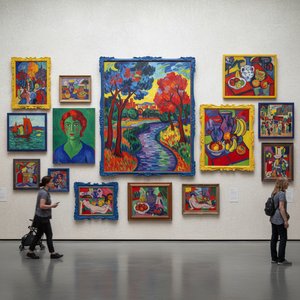
Fauvizm'i Yükselten 10 Başyapıt: Sanat ve Ev Dekorasyonunda Renk Devrimi
Fauvizm'in en etkileyici 10 başyapıtını keşfedin! Matisse, Derain ve Vlamink gibi ustaların renkli dünyasına dalın. Sanat tarihi, ifadeci sanat ve ev dekorasyonunda fauvist esintiler... TopImpressionists.com’da tüm eserleri inceleyin!

Impressionism's Masterpieces: 10 Paintings That Defined a Movement | TopImpressionists
Journey through Impressionism's heart with 10 iconic paintings by Monet, Renoir & Degas. Explore light, color & the stories behind these masterpieces. Find museum-quality art reproductions and elevate your home decor on TopImpressionists.com.

Fauvism's Boldest Visions: 10 Masterpieces That Revolutionized Modern Art | TopImpressionists
Explore 10 Fauvist masterpieces by Matisse, Derain & Vlaminck that ignited Modern Art! Discover bold colors, expressionist landscapes & the history of this revolutionary movement. Find museum-quality prints at TopImpressionists.com.
Temalara, stillere ve özelliklere göre gruplandırılmış sanat eserlerini keşfedin.

