


 Önizle
 Gönder
 Paylaş
 Detaylar
 Rehber

 Dosyayı İndir
 Benzerleri
 X-Işını
 Slayt Gösterisi
 İstatistikler
Landscape 2


Experience Camille Pissarro's serene Landscape 2, a quintessential Impressionist painting capturing a tranquil French countryside scene with loose brushwork and muted earthy tones – perfect for art lovers seeking a timeless piece to own.
 Devamını Oku
İzlenimci ve Neo-İzlenimci ressam Camille Pissarro'nun sanatını keşfedin! Köy yaşamı, Paris manzaraları ve ışığın etkileyici tasvirleriyle modern sanata yön veren bir figür.
Giclée / Sanat Baskısı
Hızlı üretim ve esnek bitiş seçenekleriyle müze kalitesinde giclée veya kanvas baskı. ( El Yapımı Tablo Satın Al Dijital Görsel Satışına Geç)




P118B $10

P118H $10

P118W $10

P438Z $10

P508JH $12

P508YH $12

P805H $10

P805Z $10

P919BZ $10

P919G $10

P919XJ $10

P959ZH $10

P968JZ $12

W106C $8

W218G $10

W218JH $8

W218Y $10

W307PJ $10

W316G $10

W316PJ $8

W316Y $10

W398PJ $8

W4111J $10

W500HY $15

W500JH $15

W692G $12

W849H $8

W940BG $15

W953PJ $8




Standart Boyutlar
özel boyutlu
CM
INCH
Eserin orijinal oranlarıyla uyumlu, önceden belirlenmiş boyutlarımız arasından seçim yapın.
Loading sizes...

genişlik
yükseklik
Belirli bir çerçeveye veya alana uyması için kendi ölçülerinizi girebilirsiniz. Seçtiğiniz boyut orijinal görüntünün oranlarıyla eşleşmiyorsa, sanat eserini kırpacağız veya görüntüyü aynalanmış ya da düz dolgulu bir kenarlıkla genişleteceğiz. Üretim başlamadan önce onayınız için bir dijital taslak gönderilecektir.
Lütfen ekrandaki önizlemenin gerçek kırpma veya genişletmeyi yansıtmadığını unutmayın. Nihai kompozisyonu yalnızca taslak doğru bir şekilde gösterecektir.
Özel boyutlar mevcut olsa da, orijinal oranları korumak için önceden tanımlanmış listeden bir boyut seçmenizi öneririz.
Dünya Çapında Teslimat (); standart 4/5 hafta yerine 2 haftada. (25 Eylül)

Dünya Çapında Ücretsiz Ekspres Kargo

Yüksek Kaliteli Keten Tuval

Tam Nakliye Sigortası

Gümrük Vergisi İadesi Garantisi

Gerçek Renk Uyumu Garantisi

100 Günlük İade Koşulları (Sadece Üretim Hatalı Ürünler İçin)

%100 Para İade Garantisi

Toplu Alım Avantajı
 Cam seçeneği yalnızca 110 cm altındaki boyutlar için mevcuttur.

Landscape 2
Giclée / Sanat Baskısı
Baskı Boyutu
-


Toplam Fiyat
$ 69
A Moment of Tranquil Reflection: Camille Pissarro's "Landscape 2"
Camille Pissarro’s “Landscape 2” offers a profound glimpse into the heart of Impressionism – a movement defined not by meticulous detail, but by an artist’s immediate response to light and atmosphere. This serene depiction of a rural French landscape, painted around 1890, invites the viewer into a world of quiet contemplation, where the essence of nature is prioritized over precise representation. The painting's enduring appeal lies in its masterful execution of Impressionist principles, combined with a deeply felt connection to the natural world – a characteristic that cemented Pissarro’s place as one of the movement’s most influential figures.
Composition and Technique: Embracing the Fleeting Moment
The composition immediately draws the eye along the winding dirt path, leading towards a distant cluster of buildings nestled amongst rolling hills. This deliberate use of perspective, achieved through atmospheric haze and overlapping forms, creates a powerful sense of depth – a hallmark of Pissarro’s approach. The artist employs a technique rooted in broken brushstrokes, applying paint in short, expressive dabs directly from the tube. There's no blending or smoothing; instead, each stroke retains its individual character, contributing to the painting’s vibrant texture and conveying a sense of movement within the landscape. This method, championed by Pissarro and his colleagues, sought to capture the ephemeral qualities of light and color – the way they shift and change with every passing moment.
- Loose Brushwork: Characterized by visible, unblended strokes that create a textured surface.
- Direct Painting: Utilizing paint straight from the tube for immediate impact and expressive marks.
- Emphasis on Light: Capturing the effects of diffused light and atmospheric conditions.
Color Palette and Symbolism: Earthy Harmony
The color palette is a masterclass in muted harmony, dominated by earthy greens, browns, yellows, and grays – colors that evoke the tranquility of the French countryside. Subtle variations within these tones create an atmospheric quality, suggesting a soft, overcast sky. The deliberate choice of cool and warm hues further enhances this effect, adding to the painting’s overall sense of peace and serenity. Beyond its aesthetic beauty, the landscape itself carries symbolic weight. The winding path can be interpreted as representing a journey – both literal and metaphorical – while the distant buildings offer a quiet invitation to contemplate human existence within the vastness of nature.
Historical Context: A Pivotal Moment in Art History
"Landscape 2" was created during a pivotal period for Impressionism, roughly between 1890 and 1895. Following his time as a military engineer, Pissarro had returned to painting landscapes with renewed vigor, often working alongside his son, Joseph. This era saw the movement evolving beyond its initial focus on capturing fleeting moments of light; artists like Pissarro were increasingly interested in exploring themes of rural life and the beauty of the natural world. His work aligns perfectly with the broader Impressionist project – a rejection of academic conventions and an embrace of subjective experience – solidifying his legacy as a key figure in the development of modern art.
Emotional Impact: A Sense of Quietude
Ultimately, “Landscape 2” is more than just a beautiful depiction of a rural scene; it’s an invitation to slow down and appreciate the simple pleasures of nature. The painting's subdued colors, loose brushwork, and atmospheric perspective combine to create a profound sense of tranquility and contemplation. It’s a work that speaks to our innate desire for peace and connection with the natural world – a timeless quality that continues to resonate with viewers today.
İlgili Eserler


Sanatçı Biyografisi
Charlotte Amalie’den İzlenimci Bir Vizyona: Camille Pissarro'nun Hayatı ve Sanatı
Camille Pissarro, izlenimciliğin hem doğuşuna hem de gelişimine tanıklık etmiş, sanat dünyasına derin bir etki bırakmış bir ressam olarak anılıyor. 10 Temmuz 1830’da, o dönemde Danimarka Virjin Adaları'na bağlı olan Charlotte Amalie’de dünyaya gözlerini açan Pissarro’nun hayatı, farklı kültürlerin ve coğrafyaların kesişim noktasında şekillenmiş bir yaşam öyküsüne dönüşüyor. Portekiz Yahudisi bir tüccar babası ve Fransız-Yahudi kökenli annesi sayesinde edindiği benzersiz kültürel miras, onu dünyaya karşı duyarlı bir gözlemci haline getirdi. St. Thomas’taki çocukluğu, adanın canlı atmosferi, hareketli limanları ve doğal güzellikleri Pissarro'nun sanatsal gelişiminin ilk tohumlarını atmış oldu. Ailesinin işinde çalışmak zorunda kalmasına rağmen, genç yaşta resim tutkusuyla yanıp tutuşan Pissarro, boş zamanlarında çizim yaparak yeteneğini geliştirdi ve adanın manzaralarını tuvale aktarmaya başladı. Bu erken dönem çalışmalarında, çevresindeki dünyayı dikkatle gözlemleyerek yakalamaya çalışan bir sanatçının izleri görülüyor.Paris’te Sanatsal Uyanış ve İzlenimciliğin Doğuşu
Pissarro'nun sanatsal yolculuğu, Paris’e taşınmasıyla yeni bir boyut kazandı. Başkentteki sanat ortamı, onu hem etkileyici ustaların eserleriyle tanıştırdı hem de kendi özgün tarzını bulma çabasına itti. Gustave Courbet, Jean-Baptiste-Camille Corot ve Honoré Daumier gibi realizm akımının önde gelen temsilcilerinden etkilenen Pissarro, ilk dönemlerinde akademik sanat anlayışına uygun eserler üretmeye çalıştı. Ancak, Salon’daki kısıtlayıcı kurallar onu rahatsız etmeye başlayınca, açık havada doğrudan doğadan resim yapma (plein air) pratiğini benimseyerek izlenimciliğin öncü figürlerinden biri haline geldi. Bu değişim sadece teknik bir yenilikten öteydi; aynı zamanda ışığın ve atmosferin geçici etkilerini yakalama arzusunu temsil ediyordu. Fırçasını daha serbestçe kullanarak, renk paletini canlandırarak akademik geleneklerden uzaklaşan Pissarro, izlenimci hareketin temel özelliklerini şekillendirmeye başladı. Bu dönemde, Paris’in hızla değişen yüzünü ve kırsal yaşamın dinginliğini tuvaline yansıtan eserler üretmeye odaklandı.İzlenimciliğin Babası: Sanatsal Liderlik ve Etkileri
Camille Pissarro, izlenimci hareketin sadece bir üyesi değil, aynı zamanda onun en istikrarlı ve birleştirici gücüydü. 1874 ile 1886 yılları arasında gerçekleşen sekiz Paris İzlenimcisi sergisinin hepsinde yer alarak, sıklıkla anlaşmazlıklarla dolu bu gruba bir denge unsuru getirdi. Sanatçıları cesaretlendiren, onlara rehberlik eden ve dayanışma ruhunu canlı tutan Pissarro, "izlenimci hareketin babası" lakabını hak etti. Sanatsal özgürlüğe olan sarsılmaz bağlılığı ve yenilikçi yaklaşımı sayesinde, eleştirilerin ve kamuoyunun ilgisizliğinin üstesinden geldi. Kolektif eylemin gücüne inanan Pissarro, Salon’un kısıtlayıcı kurallarından bağımsız olarak sergiler düzenleme fikrini savunarak sanatçıların özgürleşmesine öncülük etti. Kendi çalışmalarıyla birlikte, Paul Cézanne, Vincent van Gogh ve Paul Gauguin gibi genç nesil sanatçılara da ilham kaynağı oldu. Onlara hem teknik tavsiyelerde bulundu hem de sanatsal arayışlarında yol gösterdi. Kısa bir süre Neo-İmpreisyonizm etkisinde çalışması, sanatsal merakının ve sürekli gelişme çabasının bir kanıtı niteliğindedir.Kırsalın Şehre Dönüşümü: Temalar ve Miras
Pissarro’nun sanatında kırsal yaşamdan kentsel manzaralara uzanan geniş bir yelpaze yer alıyor. Köylülerin tarlalarda çalıştığı, Paris sokaklarının hareketli atmosferi veya sakin köy meydanları gibi günlük yaşam sahnelerini resmederek, sosyal bilinçle dolu bir bakış açısı sergiliyor. Eserleri sadece pitoresk manzaralardan ibaret değil; aynı zamanda toplumun alt tabakasının hayatlarını onurla ve saygıyla yansıtan sosyal yorumlar niteliğindedir. Pissarro’nun sanatı, siyasi huzursuzlukların veya kişisel zorlukların yaşandığı dönemlerde melankolik bir hava taşıyor ve toplumsal eleştiriler içeriyor. Sanatçı, açık havada resim yapma tekniğini devrim niteliğinde değiştirerek manzara sanatına yeni bir soluk getirdi. Farklı stillerle denemeler yaparak sanatsal merakını ortaya koydu. Bugün eserleri dünyanın önde gelen müzelerinde sergileniyor ve izleyicileri dürüstlüğü, güzelliği ve insanlığa dair derin duygularıyla etkilemeye devam ediyor. Camille Pissarro’nun sanatı sadece dünyayı olduğu gibi kaydetmekten ibaret değil; aynı zamanda gözlem gücünün, empati yeteneğinin ve sanatsal yeniliğin bir kanıtıdır.
Camille Pissarro
1830 - 1903 , ABD Virgin Adaları
Kısa Bilgiler
- Artistic Movement Or Style: İzlenimcilik ve Yeni izlenimcilik
- Artists Or Movements Influenced By This Artist:
- Vincent van Gogh
- Paul Cézanne
- Artists Who Influenced This Artist:
- Gustave Courbet
- Jean-Baptiste-Camille Corot
- Honoré Daumier
- Date Of Birth: 10 Temmuz 1830
- Date Of Death: 13 Kasım 1903
- Full Name: Camille Pissarro
- Nationality: Danimarkalı-Fransız
- Notable Artworks: ['Les Hommes N_366']
- Place Of Birth: Charlotte Amalie, ABD Virgin Adaları
İlgili Yazılar

Beyond the Light: Capturing Raw Emotion and Subjective Vision in Post-Impressionist Landscapes
Explore the profound emotional depth of Post-Impressionist landscapes. Discover how masters like Van Gogh moved beyond light to capture raw human feeling through vibrant color and expressive texture in this expert art history retrospective.

Capturing the Soul: The Most Emotionally Moving Impressionist and Post-Impressionist Masterpieces
Discover the profound emotional depth of Impressionist and Post-Impressionist masterpieces. Explore how legends like Monet, Van Gogh, and Gauguin captured light and soul through evocative landscapes and vibrant brushwork for a timeless connection to art history.
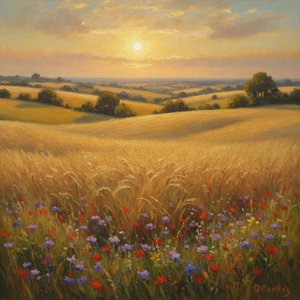
Golden Fields & Sun-Drenched Meadows: Capturing the Soul of Impressionist Landscapes
Immerse yourself in the luminous world of Impressionist landscapes. Discover how masters like Monet and Gauguin captured ephemeral light through plein air painting, and learn to bring the soul of sun-drenched meadows into your home with exquisite, hand-painted oil reproductions.

The Beauty of Impermanence: Capturing Decay through Impressionist Eyes
Explore the profound beauty of impermanence through Impressionist and Post-Impressionist eyes. Discover how masters like Monet and Van Gogh captured fleeting light and the poetic essence of nature's transitions in our deep dive into art history and emotional landscapes.

Whispers of the Meadow: Capturing the Serenity of the Quiet Countryside in Impressionist Masterpieces
Embark on a visual journey through Impressionist masterpieces. Discover how masters like Monet and Renoir captured the serene beauty of the countryside through light, color, and emotion. Explore timeless landscapes designed to bring tranquility and cultural elegance to your home sanctuary.
Temalara, stillere ve özelliklere göre gruplandırılmış sanat eserlerini keşfedin.


