


 Önizle
 Gönder
 Paylaş
 Detaylar
 Rehber

 Dosyayı İndir
 Benzerleri
 X-Işını
 Slayt Gösterisi
 İstatistikler
Farm Scene

Discover 'Farm Scene' by Claude Cardon – a charming Impressionist watercolor capturing rural tranquility. Explore this serene British landscape painting from the 1890s.
Discover Claude Cardon’s charming rural scenes – farmyards & animals! Explore his British paintings from the 1890s via art databases & museums.
 Devamını Oku
El Yapımı Yağlı Boya Reproduksiyon
Sanatçılarımız tarafından sipariş üzerine hazırlanan; istediğiniz boyut ve çerçevede, tuval üzerine el boyaması yağlı boya. ( Baskı Satışına Geç Dijital Görsel Satışına Geç)




































Standart Boyutlar
özel boyutlu
CM
INCH
Eserin orijinal oranlarıyla uyumlu, önceden belirlenmiş boyutlarımız arasından seçim yapın.
Loading sizes...

genişlik
yükseklik
Çerçevenize veya duvarınıza uygun olması için ihtiyacınız olan genişliği ve yüksekliği yazın. Bu eser el boyamasıdır; bu nedenle farklı bir formdaki boyutlar için sanatçı, resmin etrafına biraz daha fazla boya ekleyebilir veya biraz daha kırpabilir — seçim sizin. Boyama işlemi başlamadan önce onaylamanız için size bir dijital taslak gönderiyoruz. Bu sayfada gösterilen resim gerçek sonucu yansıtmamaktadır — gerçek sonucu yalnızca taslak göstermektedir.
Değiştirilebilecek örneklere dair: Yüzün müşteri fotoğrafıyla değiştirilmesi; Evcil hayvan eklenmesi (örneğin kedinin köpek ile değiştirilmesi); Arka plana gizli bir mesaj dahil edilmesi; Arka plan manzarasının veya öğelerinin değiştirilmesi.
Siparişten sonra, TopImpressionists.com ekibi talimatlar için müşteriye e-posta gönderecek ve bir taslak önizleme sunacaktır
Siparişten sonra, TopImpressionists.com ekibi talimatlar için müşteriye e-posta gönderecek ve bir taslak önizleme sunacaktır
Dünya Çapında Teslimat (); standart 5 hafta yerine 3/4 haftada. (25 Ekim). Kaliteden ödün verilmez.

Dünya Çapında Ücretsiz Ekspres Kargo

Yüksek Kaliteli Keten Tuval

Tam Nakliye Sigortası

Gümrük Vergisi İadesi Garantisi

Gerçek Renk Uyumu Garantisi

100 Günlük İade Koşulları (Sadece Üretim Hatalı Ürünler İçin)

%100 Para İade Garantisi

Toplu Alım Avantajı
 Cam seçeneği yalnızca 110 cm altındaki boyutlar için mevcuttur.

Farm Scene
Baskı Tekniği
Baskı Boyutu
-


Toplam Fiyat
₺ 14380
İlgili Eserler


Sanatçı Biyografisi
A Legacy of Pastoral Light: The Life and Art of Claude Cardon
In the heart of the late Victorian era, a period defined by rapid industrialization and urban expansion, there emerged a painter who sought to preserve the quiet, breathing soul of the English countryside. Claude Cardon, born Samuel James Clark in 1864, was more than just a chronicler of landscapes; he was a visual poet of the pastoral. Raised in Islington, London, within a family deeply rooted in the artistic tradition, his very identity was shaped by the brushstrokes of his father, the landscape artist Samuel Joseph Clark. This lineage provided him with a foundational mastery of light and form, yet it also instilled in him a profound reverence for the natural world that would become the cornerstone of his life's work.
The story of Cardon’s identity is as layered as his oil paintings. Named Claude Lorraine Clark after the seventeenth-century French master Claude Lorrain, he carried the weight of classical tradition in his name. However, a pivotal moment occurred in 1892 when his painting ‘A Family of Three’ was exhibited at the prestigious Royal Academy. It was during this period of professional ascent that he adopted the pseudonym Claude Cardon, a name that would come to represent a specific, cherished vision of rural tranquility. This transition from Clark to Cardon marked his emergence as an independent voice, one capable of blending the meticulous detail of his upbringing with the revolutionary spirit of his contemporary era.
The Intersection of Tradition and Impressionism
As the nineteenth century drew to a close, the art world was being reshaped by the luminous innovations of Impressionism. While many artists struggled to reconcile classical training with these new, fleeting techniques, Cardon found a harmonious middle ground. He did not merely mimic the broken brushstrokes of Monet or Renoir; rather, he utilized their methods to enhance the atmospheric depth of his British subjects. By employing dappled light and soft, textured applications of paint, he was able to capture the ephemeral quality of a sun-drenched farmyard or the misty morning air over a meadow.
His technical development was characterized by an exquisite ability to render texture and atmosphere simultaneously. In his works, one can almost feel the coarse hair of livestock, the heavy weight of hay, and the dampness of the earth. This mastery allowed him to elevate simple genre scenes into profound meditations on peace and stability. His subjects often included:
- Serene Farmyards: Capturing the rhythmic, daily labors of rural life with a sense of dignity.
- Domestic Animal Studies: Bringing a lifelike, soulful presence to cows, horses, and sheep within their natural habitats.
- Lush Gardens and Flora: Utilizing vibrant palettes to celebrate the seasonal abundance of the English landscape, as seen in works like 'Hollyhocks'.
- Atmospheric Landscapes: Using watercolor and oil to explore the interplay of shadow and light across rolling hills and woodland edges.
A Timeless Vision of Rural England
The historical significance of Claude Cardon lies in his role as a guardian of a vanishing way of life. As the world moved toward the complexities of the twentieth century, his canvases remained anchored in an idealized, peaceful past. His studios, located in Islington and later Camden, served as the workshops where this nostalgic vision was meticulously constructed. Through his eyes, the viewer is invited to step away from the noise of modernity and into a realm of pastoral grace, where the only clock is the movement of the sun across a barnyard.
Though he passed away in 1937, Cardon’s contribution to British landscape art remains a vital touchstone for collectors and historians alike. He successfully bridged the gap between the structured academicism of the Victorian era and the emotive freedom of Impressionism. His oeuvre stands as a testament to the enduring beauty of the countryside, reminding us that even in the most fleeting moments of light and shadow, there exists a profound and permanent sense of home.

Claude Cardon
1892 - 1915 , France
Kısa Bilgiler
- Full Name: Claude Lorraine Clark
- Nationality: British
- Date Of Birth: 1892
- Date Of Death: 1915
- Place Of Birth: France
- Notable Artworks: ['The Intruders']
- Artistic Movement Or Style: Impressionism
- Artists Who Influenced This Artist: ['Claude Lorrain']
- Artists Or Movements Influenced By This Artist: ['Romanticism']
İlgili Yazılar
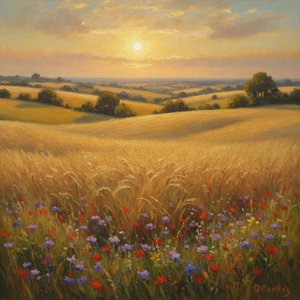
Golden Fields & Sun-Drenched Meadows: Capturing the Soul of Impressionist Landscapes
Immerse yourself in the luminous world of Impressionist landscapes. Discover how masters like Monet and Gauguin captured ephemeral light through plein air painting, and learn to bring the soul of sun-drenched meadows into your home with exquisite, hand-painted oil reproductions.

Capturing Light: The Ethereal Beauty and Timeless Legacy of Watercolor Landscapes
Embark on a visual journey through the ethereal beauty of watercolor landscapes. Discover how Impressionist masters captured light and emotion, and learn to bring this timeless, luminous elegance into your home with expert art curation and hand-painted reproductions.

Whispers of Rural Serenity: A Journey Through the Enchanting Village Landscapes of Impressionism
Immerse yourself in the tranquil beauty of Impressionist village landscapes. Explore our exquisite collection of hand-painted oil reproductions, capturing the light and soul of masters like Monet and Pissarro. Bring a piece of art history into your home with TopImpressionists.com.

Capturing the Soul: The Most Emotionally Moving Impressionist and Post-Impressionist Masterpieces
Discover the profound emotional depth of Impressionist and Post-Impressionist masterpieces. Explore how legends like Monet, Van Gogh, and Gauguin captured light and soul through evocative landscapes and vibrant brushwork for a timeless connection to art history.

The Beauty of Impermanence: Capturing Decay through Impressionist Eyes
Explore the profound beauty of impermanence through Impressionist and Post-Impressionist eyes. Discover how masters like Monet and Van Gogh captured fleeting light and the poetic essence of nature's transitions in our deep dive into art history and emotional landscapes.