

 Önizle
 Gönder
 Paylaş
 Detaylar
 Rehber

 Dosyayı İndir
 Benzerleri
 X-Işını
 Slayt Gösterisi
 Q&A
Q&A İstatistikler
Antibes Seen from the Cape, Mistral Wind


Explore Claude Monet’s "Antibes Seen from the Cape," a stunning Impressionist landscape capturing mistral winds & coastal beauty. Discover its vibrant colors & unique style.
 Devamını Oku
Su Sümbülleri ve Harman Saçımı gibi ikonik manzaralarla geçici ışık ve rengi yakalamasıyla tanınan İzlenimci usta Claude Monet'nin dünyasını keşfedin.
Giclée / Sanat Baskısı
Hızlı üretim ve esnek bitiş seçenekleriyle müze kalitesinde giclée veya kanvas baskı. ( El Yapımı Tablo Satın Al Dijital Görsel Satışına Geç)




P118B ₺10

P118H ₺10

P118W ₺10

P438Z ₺10

P508JH ₺12

P508YH ₺12

P805H ₺10

P805Z ₺10

P919BZ ₺10

P919G ₺10

P919XJ ₺10

P959ZH ₺10

P968JZ ₺12

W106C ₺8

W218G ₺10

W218JH ₺8

W218Y ₺10

W307PJ ₺10

W316G ₺10

W316PJ ₺8

W316Y ₺10

W398PJ ₺8

W4111J ₺10

W500HY ₺15

W500JH ₺15

W692G ₺12

W849H ₺8

W940BG ₺15

W953PJ ₺8




Standart Boyutlar
özel boyutlu
CM
INCH
Eserin orijinal oranlarıyla uyumlu, önceden belirlenmiş boyutlarımız arasından seçim yapın.
Loading sizes...

genişlik
yükseklik
Çerçevenize veya duvarınıza uygun olması için ihtiyacınız olan genişlik ve yüksekliği yazın. Bir baskı yalnızca kesilebilir, görselden daha büyük hale getirilemez; bu nedenle farklı bir formdaki boyut seçimi, görselin bir kısmının kaybına neden olur. Herhangi bir baskı yapmadan önce onaylamanız için size bir dijital taslak gönderiyoruz. Bu sayfada gösterilen resim gerçek kesimi göstermez — bunu yalnızca taslak gösterir.
Dünya Çapında Teslimat (); standart 4/5 hafta yerine 2 haftada. (1 Kasım)

Dünya Çapında Ücretsiz Ekspres Kargo

Yüksek Kaliteli Keten Tuval

Tam Nakliye Sigortası

Gümrük Vergisi İadesi Garantisi

Gerçek Renk Uyumu Garantisi

100 Günlük İade Koşulları (Sadece Üretim Hatalı Ürünler İçin)

%100 Para İade Garantisi

Toplu Alım Avantajı
 Cam seçeneği yalnızca 110 cm altındaki boyutlar için mevcuttur.

Antibes Seen from the Cape, Mistral Wind
Giclée / Sanat Baskısı
Baskı Boyutu
-


Toplam Fiyat
₺ 3390
A Symphony of Light and Air: Exploring Monet’s “Antibes Seen from the Cape, Mistral Wind”
Claude Monet's 1888 masterpiece, *Antibes Seen from the Cape, Mistral Wind*, is more than just a landscape; it’s an immersive experience. This painting encapsulates the very essence of Impressionism – a fleeting moment captured with breathtaking sensitivity to light, color, and atmosphere. Painted during a period where Monet was actively exploring the Mediterranean coast, this work stands as a testament to his dedication to *plein air* painting and his revolutionary approach to representing the natural world.Subject and Composition: A Coastal Vista
The scene unfolds with a panoramic view of Antibes, France, viewed from the vantage point of Cap d'Antibes. The composition is skillfully divided into horizontal bands – the vibrant foreground vegetation, the shimmering expanse of the Mediterranean Sea, and the distant cityscape nestled against the rolling hills. Monet doesn’t present a rigidly defined landscape; instead, he offers an *impression* of it. The eye travels across the canvas, drawn in by the dynamic interplay between land, sea, and sky. The presence of the city on the horizon adds a human element to the otherwise wild beauty of nature, hinting at the harmonious coexistence between civilization and the environment.Impressionistic Technique: Brushstrokes and Color
Monet’s technique is immediately recognizable – loose, broken brushstrokes applied with remarkable confidence. He eschews precise detail in favor of capturing the *feeling* of a breezy day swept by the Mistral wind. The foreground bursts with warm yellows, oranges, and browns, suggesting autumnal foliage or sun-drenched vegetation. These vibrant hues contrast beautifully with the cool blues and purples that dominate the sea and sky. The mountains in the distance are rendered with soft, blended tones, creating a sense of atmospheric perspective – a technique where objects appear paler and less defined as they recede into space. This masterful use of color and brushwork creates a palpable sense of movement and vibrancy.Historical Context: The Rise of Impressionism
Painted in 1888, *Antibes Seen from the Cape, Mistral Wind* belongs to a pivotal moment in art history – the height of the Impressionist movement. Rejecting the academic conventions of the time, Monet and his contemporaries sought to capture the subjective experience of seeing, focusing on the fleeting effects of light and color rather than precise representation. This painting exemplifies that pursuit. It’s a direct response to the changing world around him, embracing modernity and challenging traditional artistic norms. The late 19th century saw a growing interest in capturing everyday life and landscapes, and Monet was at the forefront of this shift.Symbolism and Emotional Impact: Tranquility and Harmony
While not overtly symbolic, *Antibes Seen from the Cape, Mistral Wind* evokes a powerful sense of tranquility and harmony. The gentle curves of the coastline, the shimmering light on the water, and the soft colors all contribute to a feeling of peaceful contemplation. The painting invites viewers to pause and appreciate the beauty of the natural world – a sentiment that resonates deeply even today. It’s an ode to the Mediterranean landscape, capturing its unique atmosphere and allure. The Mistral wind itself can be seen as symbolic of change and renewal, constantly shaping the landscape and influencing our perceptions.Monet's Legacy & Collecting Considerations
Claude Monet remains one of the most beloved and influential artists in history. His work continues to inspire generations of artists and art lovers alike. A high-quality reproduction of *Antibes Seen from the Cape, Mistral Wind* can bring a touch of Impressionistic beauty into any home or office. Its calming color palette and dynamic composition make it an ideal choice for creating a serene and inviting atmosphere.Further Exploration: Notable Works by Monet
- Lavacourt: Demonstrates Monet’s early exploration of light and landscape.
- The Church at Vetheuil, Snow: A stunning example of his ability to capture atmospheric effects in winter.
Soru ve Cevaplar
Claude Monet imzalı "Antibes Seen from the Cape, Mistral Wind" portre, manzara mı yoksa kare kompozisyon mu?
"Antibes Seen from the Cape, Mistral Wind" eserinin formatı Landscape şeklindedir. Bu bilgi, bir reprodüksiyonun nereye yerleştirileceğini planlarken faydalıdır.
"Antibes Seen from the Cape, Mistral Wind" eserinin Impressionism üslubuna hangi duygusal ton eşlik ediyor?
"Antibes Seen from the Cape, Mistral Wind", Impressionism akımı içerisinde Tranquil bir duygusal ton taşımaktadır.
"Antibes Seen from the Cape, Mistral Wind" eserini daha detaylı inceleyebilir miyim?
Claude Monet imzalı "Antibes Seen from the Cape, Mistral Wind" eserinin X-Ray görünümü, eserin X-Işını sayfasında yer almaktadır: on bir optik katman aracılığıyla görüntünün interaktif bir incelemesi.
İlgili Eserler


Sanatçı Biyografisi
Işığın İçinde Bir Yaşam: Claude Monet'nin Dünyası
Empresyonizmle özdeşleşmiş bir isim olan Oscar-Claude Monet, yalnızca bir manzara ressamı değil; geçici anların kronik yazarı, ışık ve rengin şairiydi. 14 Kasım 1840'ta Paris'te doğan sanatçının erken yaşamı, ailesinin beş yaşındayken Normandiya, Le Havre'a taşınmasıyla beklenmedik bir yön aldı. Babası tarafından başlangıçta ticari bir kariyere yönlendirilmek istense de, genç Claude’un içindeki doğal sanatsız yetenek kısa sürede kendini gösterdi; bu yetenek ilk olarak yerel dükkanlarda satılan kömür karakalem karikatürlerle ortaya çıktı ki bu durum hem becerisinin hem de girişimci ruhunun bir kanıtıydı. Ancak, Eugène Boudin ile olan karşılaşması asıl dönüm noktası oldu. Boudin, Monet'ye sadece resim yapmayı öğretmekle kalmadı, ona doğrudan doğadan, yani en plein air tekniğiyle resim yapma fikrini aşıladı; bu uygulama, sanatçının tüm sanatsal yolculuğunu tanımlayacak olan devrim niteliğinde bir yöntemdi.
Monet’nin resmi eğitimi Paris’te, önce kısa bir süre Académie Suisse'de, ardından Charles Gleyre yönetiminde başladı. İşte burada, Auguste Renoir gibi sanatçı dostlarıyla, paylaşılan sanatsal hayal kırıklıkları ve geleneksel akademik resmin kısıtlamalarından kurtulma arzusu üzerine kurulu kalıcı bağlar kurdu. Erken dönem eserleri teknik bir yetkinlik sergilese de, henüz kendi tarzını belirleyecek o özgün sese sahip değildi. Ardından gelen çalkantılı bir dönem, Franco-Prusya Savaşı nedeniyle Monet'nin Londra'ya sığınmasına neden oldu; burada J.M.W. Turner gibi İngiliz manzara ustalarının eserlerine daldı, onların atmosferik etkilerini ve yenilikçi renk kullanımlarını özümseyerek kendi sanatına kattı.
Estetik Bir Devrimin Doğuşu
Fransa'ya dönüşünde Monet, büyümekte olan bir sanatsal isyanın merkezi figürü haline geldi. Salon sergilerinin muhafazakar standartlarından memnun olmayan sanatçı, bağımsız sergiler düzenlemek için benzer görüşteki diğer sanatçılarla güçlerini birleştirdi. 1874 yılındaki sergi, sadece Monet için değil, tüm sanat dünyası için bir dönüm noktası oldu. Le Havre limanının şafak vaktindeki puslu bir tasvirini sunan “Impression, soleil levant” (İzlenim: Gün Doğumu) adlı eseri burada sergilendi ve "Empresyonizm" (İzlenimcilik) şeklindeki alaycı terim bu tablodan doğdu. Ancak bu isim kalıcı oldu ve bir sahnenin kesin temsilinden ziyade, o sahnenin öznel *izlenimini* yakalamayı amaçlayan bir akım için onur nişanesine dönüştü.
Monet'nin imza stili bu dönemde çiçek açtı: gevşek ve belirgin fırça darbeleri, yan yana uygulanan canlı ve genellikle karıştırılmamış renkler ( “broken color” veya parçalı renk tekniği olarak bilinir) ve ışığın geçici niteliklerini yakalamaya yönelik sarsılmaz bir odaklanma. Değişen koşullar sahneyi değiştirmeden önce anlık algılarını kaydetmek için hızla çalışarak plein air pratiğini amansızca sürdürdü. Bu adanmışlık, sadece gördüklerini betimlemekle ilgili değil, daha ziyade gördüklerine verdiği duygusal tepkiyle, yani hissettikleriyle ilgiliydi; bu da sanatsal geleneklerden radikal bir kopuştu.
Giverny: Işık ve Yansımanın Cenneti
1883 yılında Monet, Paris'in kuzeybatısındaki Giverny'ye yerleşerek hem sığınağı hem de en büyük ilham kaynağı olacak bir ev ve bahçe kurdu. Mülkü; egzotik çiçekler, salkım söğütler ve en ünlüsü olan üzerine Japon köprüsü inşa edilmiş bir nilüfer göleti ile titizlikle görkemli bir cennete dönüştürlüğdü. Bu sadece dekoratif bir bahçe değildi; Monet'nin ışığın su, yapraklar ve yansımalar üzerindeki etkilerini kontrollü koşullar altında inceleyebileceği yaşayan bir laboratuvardı.
Hayatının son on yılları neredeyse tamamen Giverny'deki nilüfer göletini resmetmeye adandı. Devasa tuvaller yarattığı anıtsal Su Sümbülleri (Nymphéas) serisine girişti; bu eserlerde göletin yüzeyi, sürekli değişen bir renk ve ışık dokusu olarak betimlendi. Bunlar sadece çiçek resimleri değildi; izleyiciyi huzurlu bir güzellik ve derin bir sessizlik dünyasına sarmak için tasarlanmış sürükleyici deneyimlerdi. Bu çalışmaların ölçeği nefes kesicidir, geleneksel resmin sınırlarını zorlamakta ve soyut dışavurumculuğun habercisi olmaktadır.
Miras: Sanat Tarihi Üzerindeki Kalıcı Etki
Claude Monet’nin sanat tarihi üzerindeki etkisi ölçülemez. O sadece Empresyonizmin kurucusu değildi; sanatçıların çevrelerindeki dünyayı algılama ve temsil etme biçimlerini kökten değiştirdi. Öznel deneyime verdiği önem, plein air resim yapma tutkusu ve yenilikçi teknikleri, modern sanatın soyutlama ve temsil dışı formları keşfetmesinin önünü açtı.
Monet, yaşadığı dönemde –ki bu dönemin avangart sanatçıları için nadir bir durumdur– önemli bir ticari başarı elde etti. Eserleri, Batı sanatının en önemli figürlerinden biri olarak yerini sağlamlaştırarak dünya çapındaki izleyicileri büyülemeye ve hayranlık uyandırmaya devam ediyor. 5 Aralık 1926'da hayata gözlerini yumduğunda, ardında nesiller boyu sanatçıları ve sanatseverleri etkileyecek bir miras bıraktı. Başyapıtlarının önemli koleksiyonları Paris'teki Musée d'Orsay ve Musée Marmottan Monet gibi prestijli kurumlarda korunmakta, böylece onun vizyonunun dünyayı aydınlatmaya devam etmesi sağlanmaktadır.
Temel Sanatsal Teknikler
- Plein Air Resim: Işığın ve atmosferin doğrudan gözlemlenmesine olanak tanıyan, sanatçının gelişiminin merkezinde yer alan teknik.
- Parçalı Renk (Broken Color): Optik bir karışım sağlamak amacıyla saf renklerin küçük darbeler halinde yan yana uygulanması.
- Seri Resim: Aynı konunun farklı ışık ve hava koşulları altında betimlenmesi; zamanın ve ışığın dönüştürücü gücünü sergileme yöntemi.

Claude Monet
1840 - 1926 , Fransa
Kısa Bilgiler
- Artistic Movement Or Style: İzlenimcilik
- Artists Or Movements Influenced By This Artist: ['Modern Sanat']
- Artists Who Influenced This Artist:
- Eugène Boudin
- J.M.W. Turner
- Date Of Birth: 14 Kasım 1840
- Date Of Death: 5 Aralık 1926
- Full Name: Oscar-Claude Monet
- Nationality: Fransız
- Notable Artworks:
- Gün Doğumu İzlenimi
- Suda Nilüferler
- Samanyolu
- Ruan Katedrali
- Place Of Birth: Paris, Fransa
İlgili Yazılar

Chasing Light: The Soulful Beauty and Eternal Legacy of Impressionist Landscapes
Discover the soulful beauty of Impressionist landscapes. Explore the mastery of Claude Monet and the revolution of light through expert art history insights and premium, hand-painted oil reproductions designed for discerning collectors.
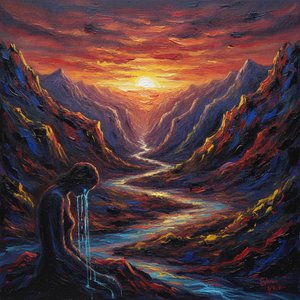
Capturing Emotion: A Journey Through the Soul of Expressionist Landscapes
Explore the profound emotional depth of Expressionist landscapes. Discover how Post-Impressionist masters moved beyond light to capture the soul through vibrant color and form. A curated journey for true art lovers seeking the beauty of expressive mastery.
Temalara, stillere ve özelliklere göre gruplandırılmış sanat eserlerini keşfedin.


