


 Önizle
 Gönder
 Paylaş
 Detaylar
 Rehber

 Dosyayı İndir
 Benzerleri
 X-Işını
 Slayt Gösterisi
 İstatistikler
James Duff Corsindae


Cosmo Alexander'ın 1760 tarihli çarpıcı portresi James Duff of Corsindae. İskoç Ulusal Galerisi’nde sergilenen bu eser, İngiliz kraliyet iddiası destekleyen Jacobite hareketinin önemli bir figürü olan Alexander’ın ustalığını gösteriyor.
 Devamını Oku
A classical realism portraitist and teacher of Gilbert Stuart. Discover the legacy of his historic American colonial works today.
El Yapımı Yağlı Boya Reproduksiyon
Sanatçılarımız tarafından sipariş üzerine hazırlanan; istediğiniz boyut ve çerçevede, tuval üzerine el boyaması yağlı boya. ( Baskı Satışına Geç Dijital Görsel Satışına Geç)




P118B ₺10

P118H ₺10

P118W ₺10

P438Z ₺10

P508JH ₺12

P508YH ₺12

P805H ₺10

P805Z ₺10

P919BZ ₺10

P919G ₺10

P919XJ ₺10

P959ZH ₺10

P968JZ ₺12

W106C ₺8

W218G ₺10

W218JH ₺8

W218Y ₺10

W307PJ ₺10

W316G ₺10

W316PJ ₺8

W316Y ₺10

W398PJ ₺8

W4111J ₺10

W500HY ₺15

W500JH ₺15

W692G ₺12

W849H ₺8

W940BG ₺15

W953PJ ₺8




Standart Boyutlar
özel boyutlu
CM
INCH
Eserin orijinal oranlarıyla uyumlu, önceden belirlenmiş boyutlarımız arasından seçim yapın.
Loading sizes...

genişlik
yükseklik
Çerçevenize veya duvarınıza uygun olması için ihtiyacınız olan genişliği ve yüksekliği yazın. Bu eser el boyamasıdır; bu nedenle farklı bir formdaki boyutlar için sanatçı, resmin etrafına biraz daha fazla boya ekleyebilir veya biraz daha kırpabilir — seçim sizin. Boyama işlemi başlamadan önce onaylamanız için size bir dijital taslak gönderiyoruz. Bu sayfada gösterilen resim gerçek sonucu yansıtmamaktadır — gerçek sonucu yalnızca taslak göstermektedir.
Değiştirilebilecek örneklere dair: Yüzün müşteri fotoğrafıyla değiştirilmesi; Evcil hayvan eklenmesi (örneğin kedinin köpek ile değiştirilmesi); Arka plana gizli bir mesaj dahil edilmesi; Arka plan manzarasının veya öğelerinin değiştirilmesi.
Siparişten sonra, TopImpressionists.com ekibi talimatlar için müşteriye e-posta gönderecek ve bir taslak önizleme sunacaktır
Siparişten sonra, TopImpressionists.com ekibi talimatlar için müşteriye e-posta gönderecek ve bir taslak önizleme sunacaktır
Dünya Çapında Teslimat (); standart 5 hafta yerine 3/4 haftada. (18 Ekim). Kaliteden ödün verilmez.

Dünya Çapında Ücretsiz Ekspres Kargo

Yüksek Kaliteli Keten Tuval

Tam Nakliye Sigortası

Gümrük Vergisi İadesi Garantisi

Gerçek Renk Uyumu Garantisi

100 Günlük İade Koşulları (Sadece Üretim Hatalı Ürünler İçin)

%100 Para İade Garantisi

Toplu Alım Avantajı
 Cam seçeneği yalnızca 110 cm altındaki boyutlar için mevcuttur.

James Duff Corsindae
Baskı Tekniği
Baskı Boyutu
-


Toplam Fiyat
₺ 13120
James Duff of Corsindae: A Portrait Steeped in Scottish Tradition
Cosmo Alexander’s “James Duff of Corsindae,” completed in 1760, transcends mere representation; it embodies the spirit of Enlightenment Scotland and offers a glimpse into the aristocratic ideals of its time. This portrait depicts James Duff, a prominent landowner and figure within the Scottish gentry, rendered with meticulous detail by Alexander—a painter deeply influenced by the anatomical studies pioneered by George Stubbs. The painting’s serene composure speaks volumes about social status and familial lineage, reflecting the values cherished during the Stuart Restoration period.Style and Technique: Anatomical Precision Meets Elegant Composition
Alexander's artistic approach distinguishes itself through a masterful blend of observation and intellectual rigor. Like Stubbs before him, he possessed an unwavering fascination with the human form—specifically its musculature—a passion that fueled his dedication to anatomical accuracy. This commitment is evident in Duff’s pose: seated upright, conveying dignity and confidence, while simultaneously showcasing subtle muscular contours that underscore the artist's scientific understanding. The painter skillfully employs chiaroscuro – dramatic contrasts between light and shadow – to sculpt Duff’s figure, enhancing its dimensionality and creating a palpable sense of presence. Furthermore, Alexander utilizes a muted palette dominated by blues and browns, colors commonly associated with nobility and conveying an atmosphere of quiet contemplation.Historical Context: Portraiture During the Stuart Restoration
“James Duff of Corsindae” emerges from a pivotal moment in Scottish history—the aftermath of Bonnie Prince Charlie’s failed rebellion against George II. The Stuart Restoration brought about a renewed interest in classical ideals and aristocratic patronage, shaping artistic trends across Britain. Portraits served as crucial instruments for establishing social hierarchies and commemorating familial heritage. Alexander's depiction aligns perfectly with this cultural landscape, reflecting the importance placed on lineage, virtue, and upholding the dignity of noble families. It’s a testament to the enduring fascination with portraying individuals who held positions of power and influence within their respective communities.Symbolism: Dignity, Lineage, and Quiet Reflection
Beyond its technical brilliance, the portrait carries symbolic weight. Duff's posture exudes confidence and authority—a deliberate choice intended to convey his status as a landowner and respected member of society. The muted color scheme contributes to an overall feeling of solemnity and introspection, suggesting that Duff embodies not only social prestige but also inner fortitude. The gaze directed towards the viewer establishes a connection between subject and observer, inviting contemplation on themes of identity and legacy—a hallmark of portraiture during this era.Emotional Impact: Capturing Essence Through Subtle Expression
Ultimately, “James Duff of Corsindae” succeeds in capturing the essence of its sitter – James Duff himself. Alexander’s masterful technique allows for a nuanced portrayal of emotion, conveyed through subtle facial expressions and posture. The painting evokes a sense of quiet dignity and contemplative reflection, inviting viewers to consider the complexities of human character within the framework of aristocratic tradition. It remains an enduring symbol of Scottish heritage and artistic excellence—a beautifully crafted reproduction offering a window into the values and aesthetics of Enlightenment Scotland.Soru ve Cevaplar
Cosmo Alexander imzalı "James Duff Corsindae" neyi betimliyor ve nasıl bir ruh hali yansıtıyor?
Cosmo Alexander imzalı "James Duff Corsindae", scottish portraiture, military officer, 18th century painting, horse anatomy, formal attire, classical composition, romantic detail konularını Romantik bir ruh haliyle betimlemektedir. Konu ve atmosfer birlikte eseri tanımlar.
Cosmo Alexander imzalı "James Duff Corsindae" eserinin tarihi ve üslubu nedir?
Cosmo Alexander imzalı "James Duff Corsindae", 1760 tarihli olup Baroque Realism akımına aittir.
Cosmo Alexander imzalı "James Duff Corsindae" için bir slayt gösterisi mevcut mu?
"James Duff Corsindae" adlı eserin diaporama gösterisi, esere ait Slayt Gösterisi sayfasından izlenebilir.
İlgili Eserler


Sanatçı Biyografisi
A Legacy of Portraiture and Pedagogy
The story of Cosmo Alexander is one of wandering brilliance and the profound influence of a master upon his pupil. Born in Scotland to the noted portrait painter John Alexander, Cosmo was destined for a life steeped in the traditions of fine art. Before his journey took him across the Atlantic, he refined his eye through extensive travels across Europe, documenting his presence in Italy between 1745 and 1751, including time in Rome. His artistic development continued in Holland, where he achieved professional recognition by joining the painters' guild at The Hague. These formative years in the great art centers of Europe provided him with a sophisticated foundation in classical techniques that would later define his work in the American colonies.
Though Alexander often referred to himself as a history painter, his enduring legacy resides in his mastery of the portrait. His style, which aligns closely with the Classical Realism later championed by John Singleton Copley, captured the essence of the Scottish community and the colonial elite with remarkable precision. As he moved through the American landscape between 1766 and 1772, his brush followed a path of significant historical importance. From the bustling streets of Philadelphia to the coastal elegance of Newport, Rhode Island, and even as far south as Charleston, South Carolina, Alexander sought to capture the likenesses of a burgeoning nation through a lens of European refinement.
The Teacher of a Master
Perhaps the most significant chapter in Alexander’s life was his role as a mentor. In Newport, Rhode Island, he encountered a young Gilbert Stuart, a meeting that would alter the course of American art history forever. Recognizing the potential in the fourteen-year-old, Alexander took Stuart on as an apprentice. This relationship was more than a mere professional arrangement; it was a passing of the torch from the Old World traditions to the New. The two traveled together through the colonies, eventually returning to Edinburgh in 1771, where the bond between master and student remained unbroken until Alexander’s sudden death.
Alexander's life was marked by both artistic triumph and personal hardship. Driven by financial debts that had forced him to leave London, he arrived in America with the hope of rebuilding his fortune through his craft. While his travels were frequent—visiting New York City, Boston, and Williamsburg—his ability to secure patrons remained a testament to his skill. In Burlington, New Jersey, he even resided within the governor's mansion, utilizing such high-profile connections to find sitters for his portraits. Though his life was cut short in Edinburgh, the impact of his work remains visible in the collections of prestigious institutions today.
- Key Artistic Contributions: Known for over twenty-five identified American portraits that showcase his skill in portraiture and historical genre painting.
- Notable Mentorship: Served as the primary teacher and mentor to the legendary American artist Gilbert Stuart.
- Geographic Reach: His career spanned Scotland, Italy, Holland, England, and various American colonies including New York, Pennsylvania, and Rhode Island.

Cosmo Alexander
1724 - 1772
İlgili Yazılar
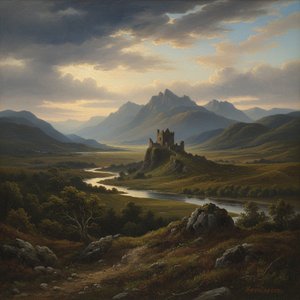
Alexander Nasmyth: Picturing Scotland's Romantic Landscape – Innovation & Identity
Explore the life & art of Alexander Nasmyth, a pivotal figure in Scottish Romantic landscape painting. Discover his iconic works, including portraits of Robert Burns, and learn about his lasting influence on national identity. Fine art reproductions available.

Romantic Realism's Finest: 10 Masterpieces for Your Home | TopImpressionists
Explore 10 defining masterpieces of Romantic Realism! Discover Courbet, Millet & Daumier's powerful paintings—capturing emotion and social realities. Find museum-quality reproductions for your home at TopImpressionists.com.

The Equine Muse: A Historical & Artistic Exploration of Horses in Painting
Explore the captivating history of horses in painting! Discover Renaissance masterpieces, Baroque grandeur & expert insights for collecting equestrian art. Learn about symbolism, techniques & lasting value with TopImpressionists.

The Noble Steed on Canvas: A Historical & Artistic Exploration of Horse Painting Across Cultures
Explore the rich history of horse painting! Discover masterpieces from Stubbs to Munnings & learn about symbolism, techniques & artists. Find museum-quality reproductions at TopImpressionists.

George Stubbs: Anatomical Precision & Romantic Vision in 18th-Century British Art
Explore the captivating world of George Stubbs, the 18th-century master renowned for his anatomical precision & Romantic animal paintings. Discover his legacy and investment potential.
Temalara, stillere ve özelliklere göre gruplandırılmış sanat eserlerini keşfedin.
