


 Önizle
 Gönder
 Paylaş
 Detaylar
 Rehber

 Dosyayı İndir
 Benzerleri
 X-Işını
 Slayt Gösterisi
 İstatistikler
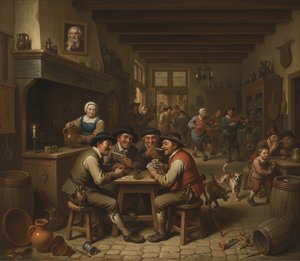
The Kitchen
 Acrylic On Canvas
- WallArt
- Baroque
 1646
1646 171.0 x 237.0 cm
 Hermitage Müzesi
Discover 'The Kitchen' by David Teniers the Younger (1646)! A vibrant Baroque scene of daily life, featuring bustling activity and charming animal interactions – a captivating glimpse into Flemish domesticity.
 Devamını Oku
David Teniers Genç (1610-1690): Canlı tür sahneleri ve manzara ustası Flaman Barok ressamı. Etkileyici bir sanatçı!
Giclée / Sanat Baskısı
Hızlı üretim ve esnek bitiş seçenekleriyle müze kalitesinde giclée veya kanvas baskı. ( El Yapımı Tablo Satın Al Dijital Görsel Satışına Geç)




P118B ₺10

P118H ₺10

P118W ₺10

P438Z ₺10

P508JH ₺12

P508YH ₺12

P805H ₺10

P805Z ₺10

P919BZ ₺10

P919G ₺10

P919XJ ₺10

P959ZH ₺10

P968JZ ₺12

W106C ₺8

W218G ₺10

W218JH ₺8

W218Y ₺10

W307PJ ₺10

W316G ₺10

W316PJ ₺8

W316Y ₺10

W398PJ ₺8

W4111J ₺10

W500HY ₺15

W500JH ₺15

W692G ₺12

W849H ₺8

W940BG ₺15

W953PJ ₺8




Standart Boyutlar
özel boyutlu
CM
INCH
Eserin orijinal oranlarıyla uyumlu, önceden belirlenmiş boyutlarımız arasından seçim yapın.
Loading sizes...

genişlik
yükseklik
Çerçevenize veya duvarınıza uygun olması için ihtiyacınız olan genişlik ve yüksekliği yazın. Bir baskı yalnızca kesilebilir, görselden daha büyük hale getirilemez; bu nedenle farklı bir formdaki boyut seçimi, görselin bir kısmının kaybına neden olur. Herhangi bir baskı yapmadan önce onaylamanız için size bir dijital taslak gönderiyoruz. Bu sayfada gösterilen resim gerçek kesimi göstermez — bunu yalnızca taslak gösterir.
Dünya Çapında Teslimat (); standart 4/5 hafta yerine 2 haftada. (26 Ekim)

Dünya Çapında Ücretsiz Ekspres Kargo

Yüksek Kaliteli Keten Tuval

Tam Nakliye Sigortası

Gümrük Vergisi İadesi Garantisi

Gerçek Renk Uyumu Garantisi

100 Günlük İade Koşulları (Sadece Üretim Hatalı Ürünler İçin)

%100 Para İade Garantisi

Toplu Alım Avantajı
 Cam seçeneği yalnızca 110 cm altındaki boyutlar için mevcuttur.

The Kitchen
Giclée / Sanat Baskısı
Baskı Boyutu
-


Toplam Fiyat
₺ 3375
A Snapshot of Everyday Life: David Teniers the Younger’s “The Kitchen”
David Teniers the Younger's "The Kitchen," painted in 1646, isn’t merely a depiction of a domestic scene; it’s a vibrant tableau brimming with life, humor, and an astute observation of Flemish society. This remarkable work transcends simple genre painting, offering a glimpse into the heart of a bustling household—a microcosm reflecting the rhythms and relationships of everyday existence. Measuring 171 x 237 cm, the canvas explodes with activity, populated by thirteen individuals engaged in various tasks within a richly detailed kitchen environment. The sheer number of figures, coupled with their diverse interactions – from children playfully chasing birds to adults tending hearths and tables – immediately draws the viewer into this immersive world.
The painting’s Baroque style is evident in its dynamic composition, dramatic lighting, and meticulous attention to detail. Teniers masterfully employs a technique of *alla prima*, working directly onto the wet canvas without underdrawing, resulting in a sense of immediacy and spontaneity. Notice how he captures the textures of rough-hewn wooden furniture, the glint of metal tools, and the folds of fabric with remarkable precision. The artist’s use of color is equally noteworthy – warm earth tones dominate, punctuated by brighter accents that draw attention to key elements within the scene, such as a vibrant red tablecloth or the gleam of copper pots.
A Window into 17th-Century Flanders
To understand “The Kitchen,” it’s crucial to situate it within its historical context. The painting was created during a period of significant artistic and social change in the Netherlands, following the decline of the High Renaissance and the rise of Baroque styles. David Teniers the Younger emerged as a leading figure in this transition, skillfully blending influences from his father's earlier work with contemporary trends. His subject matter often revolved around scenes of rural life, domestic interiors, and tavern gatherings – themes that resonated deeply with the burgeoning middle class.
The inclusion of numerous animals—a dog, two cats, and a flock of birds—adds another layer of interest to the composition. Animals were frequently depicted in Flemish art, often serving as symbols of fertility, abundance, or domesticity. In “The Kitchen,” they seamlessly integrate into the human drama, contributing to the overall sense of lively chaos. The presence of books suggests an appreciation for learning and intellectual pursuits within the household, while the scattered bottles and bowls hint at a life filled with simple pleasures and convivial gatherings.
Symbolism and Social Commentary
Beyond its immediate visual appeal, “The Kitchen” offers subtle insights into 17th-century Flemish society. The scene’s bustling energy reflects the importance of family and community in this era. The various activities taking place—cooking, eating, cleaning, and socializing—highlighted the central role of the home as a focal point for social interaction. The inclusion of both adults and children underscores the multi-generational nature of Flemish households. Furthermore, the painting’s depiction of everyday life provides a valuable glimpse into the material culture and social customs of the time.
Interestingly, Teniers' career was marked by a remarkable versatility. He served as a court painter, a printmaker, and even a curator for Archduke Leopold Wilhelm, demonstrating a broad range of artistic skills and interests. His ability to capture both the grandeur of formal portraits and the intimacy of genre scenes cemented his reputation as one of the most prolific and influential artists of his generation. “The Kitchen” stands as a testament to this remarkable talent, offering a captivating window into a bygone era.
Soru ve Cevaplar
David Teniers Genç imzalı "The Kitchen" hangi ruh halini ve duyguyu ifade ediyor?
"The Kitchen" eserinde, Earthy bir ruh hali Nostalgic bir duyguya eşlik ediyor.
David Teniers Genç imzalı "The Kitchen" eserinin kompozisyonuna hangi renk yön veriyor?
David Teniers Genç imzalı "The Kitchen" eserinin baskın rengi Black (#1a0a0f)'dır.
David Teniers Genç imzalı "The Kitchen" için hangi kullanım ve alan önerilir?
David Teniers Genç imzalı "The Kitchen", Statement için önerilmektedir; ideal olarak bir Living Room içerisinde sergilenmesi uygundur. Kullanım amacı ve mekan, reprodüksiyonun nereye yakışacağına dair yol gösterir.
İlgili Yazılar

Jacob Jordaens: Baroque Dynamism & Genre Innovation of the Antwerp School
Discover Jacob Jordaens, a leading Flemish Baroque painter renowned for his dynamic compositions & realistic genre scenes. Explore his life, art, and lasting influence with TopImpressionists.

David Teniers the Younger: Genre Painting & Social Commentary in Baroque Flanders
Explore the captivating world of David Teniers the Younger, a leading Flemish Baroque painter. Discover his genre scenes, social commentary, and lasting influence on 17th-century art. Learn about his life, techniques & legacy.
David Teniers II: Master of Flemish Genre & Social Commentary
Explore the captivating world of David Teniers II, a leading Flemish Baroque painter renowned for his lively genre scenes & insightful social commentary. Discover his masterpieces and legacy with TopImpressionists.

The Visceral Stage: Exploring Dramatic Narratives & Emotional Intensity in Baroque Art
Explore the dramatic world of Baroque art! Discover iconic masters like Caravaggio & Rembrandt, their techniques, and the movement's lasting impact. Expert insights for collectors & enthusiasts at TopImpressionists.

Mastering Drama and Light: A Definitive Guide to the Flemish Baroque Art Movement
Explore the dramatic brilliance of the Flemish Baroque movement. Discover how masters like Peter Paul Rubens utilized chiaroscuro and dynamic composition to redefine art history through light, shadow, and unparalleled emotion.
Temalara, stillere ve özelliklere göre gruplandırılmış sanat eserlerini keşfedin.


