

 Gerçek Boyutta Önizle
 Paylaş
 Paylaş
 Detayları Gör
 Rehber

 İndir
İndir
 Benzer ürünler
 X-Işını
 Slayt Gösterisi
 Soru & Cevap
 İstatistikler
Berthe Morisot


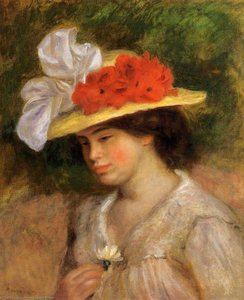
This photograph showcases Édouard Manet’s etching depicting Berthe Morisot. The composition centers on Morisot’s portrait adorned with an elaborate hat featuring feathers and ribbons—a hallmark of Impressionistic style characterized by loose lines and subtle detail. Manet's meticulous technique aims to convey a moment in time, reflecting the spirit of Parisian life during his era.
 Tümünü Gör
Édouard Manet (1832-1883), Realizm ve Empresyonizm arasında köprü kuran önemli bir sanatçı. 'Le Déjeuner sur l'herbe' ve 'Olympia' gibi ikonik eserleriyle modern sanata kalıcı bir etki bıraktı.
Giclée / Sanat Baskısı
Hızlı üretim ve esnek bitiş seçenekleriyle müze kalitesinde giclée veya kanvas baskı. ( El Yapımı Tablo Satın Al Dijital Görsele Geç)




P118B ₺10

P118H ₺10

P118W ₺10

P438Z ₺10

P508JH ₺12

P508YH ₺12

P805H ₺10

P805Z ₺10

P919BZ ₺10

P919G ₺10

P919XJ ₺10

P959ZH ₺10

P968JZ ₺12

W106C ₺8

W218G ₺10

W218JH ₺8

W218Y ₺10

W307PJ ₺10

W316G ₺10

W316PJ ₺8

W316Y ₺10

W398PJ ₺8

W4111J ₺10

W500HY ₺15

W500JH ₺15

W692G ₺12

W849H ₺8

W940BG ₺15

W953PJ ₺8




Standart
özel boyutlu
CM
INCH
Eserin orijinal oranlarıyla uyumlu, önceden belirlenmiş boyutlarımız arasından seçim yapın.
Loading sizes...

genişlik
yükseklik
Çerçevenize veya duvarınıza uygun olması için ihtiyacınız olan genişlik ve yüksekliği yazın. Bir baskı yalnızca kesilebilir, görselden daha büyük hale getirilemez; bu nedenle farklı bir formdaki boyut seçimi, görselin bir kısmının kaybına neden olur. Herhangi bir baskı yapmadan önce onaylamanız için size bir dijital taslak gönderiyoruz. Bu sayfada gösterilen resim gerçek kesimi göstermez — bunu yalnızca taslak gösterir.
Dünya Çapında Teslimat (); standart 4/5 hafta yerine 2 haftada. (6 Kasım)

Dünya Çapında Ücretsiz Ekspres Kargo

Yüksek Kaliteli Keten Kanvas

Tam Nakliye Sigortası

Gümrük Vergisi İadesi Garantisi

Gerçek Renk Uyumu Garantisi

100 Günlük İade Politikası (Sadece Kusurlu Ürünler İçin)

%100 Para İade Garantisi

Toplu Alım İndirimi
 Cam seçeneği yalnızca 110 cm altındaki boyutlar için mevcuttur.

Berthe Morisot
Giclée / Sanat Baskısı
Reproduksiyon Boyutu
-


Toplam Tutar
₺ 3449
A Glimpse Through the Etching
The world settles into a quiet, grainy stillness as we look upon this portrait of Berthe Morisot. She sits within an interior space, her presence anchored by a gaze that drifts outward, meeting the viewer with a sense of contemplative calm. There is a certain weight to her expression, a thoughtful pause in the middle of a busy afternoon. Around her, the edges of the room begin to dissolve; figures linger in the background, their forms blurred and indistinct, as if they are mere echoes of a passing moment. The light does not strike the scene with harsh clarity but instead filters through a soft, diffused haze, settling upon the textures of her clothing and the elaborate architecture of her hat.
The hat itself commands attention, heavy with the delicate textures of feathers and ribbons. It rests upon her head like a crown of social grace, yet its very complexity hints at the layers of identity she carries. Beneath the brim, strands of hair escape in loose, energetic lines, adding a sense of movement to an otherwise stationary pose. The atmosphere feels thick with the quietude of the Belle Époque, a moment caught before the next breath or movement breaks the spell.
The Language of Line and Shadow
Every mark on this surface tells a story of deliberate spontaneity. Using the etching technique, the artist employs rapid, sketchy strokes that prioritize feeling over photographic precision. There is no attempt to smooth away the process; instead, the visible, biting lines of the etching create a sense of depth through tonal variation alone. The shadows are not solid blocks but are built from layers of fine, intersecting marks that suggest form and volume. This approach rejects the polished, seamless finish of academic tradition in favor of something much more immediate and raw.
The palette remains muted, leaning into the monochromatic depths of black and white to emphasize light and shadow. This lack of color forces the eye to wander through the textures—the grain of the paper, the sharpness of a silhouette, and the soft, feathered edges of the subject's attire. It is an impressionistic way of seeing, where the artist captures the ephemeral quality of light rather than the rigid boundaries of objects. The composition feels flattened, pulling the viewer closer to the subject, making the encounter feel personal and direct.
A Portrait of Identity
Beyond the technical execution, there is a deeper resonance within this depiction of Morisot. The elaborate adornments of her hat speak to the social status and feminine expectations of her era, yet her intense, inward-looking gaze suggests a mind far removed from mere decoration. There is a quiet tension here between the outward symbols of her station and the private, intellectual world reflected in her eyes. She exists as both a subject of beauty and a person of profound thought.
The way the lines delineate her face and hair creates an impression of life that is fleeting and fragile. It reminds us that this is a study of a living soul, captured during a period of great artistic rebellion when painters were beginning to break free from established rules to find new ways of portraying modern existence. The emotional impact lies in this very intimacy—the feeling that we are witnessing a private moment of introspection, preserved forever in the delicate, etched grooves of the plate.
Soru ve Cevaplar
"Berthe Morisot" hangi sanat akımına aittir?
"Berthe Morisot", Impressionism akımına ait bir eserdir. Bu akım, eserin dahil olduğu sanatsal geleneği ifade eder.
Edouard Manet imzalı "Berthe Morisot" aydınlık bir eser mi yoksa karanlık mı?
Edouard Manet imzalı "Berthe Morisot" eserinin algılanan parlaklığı brilliant düzeyindedir. Bu değer, kullanılacağı mekanın ışığıyla uyumlu hale getirilebilir.
"Berthe Morisot" genel olarak daha mı açık yoksa daha mı koyu tonlarda?
Edouard Manet imzalı "Berthe Morisot", brilliant parlaklık ve Luminous düzeyinde bir lüminans ile kaydedilmiştir.
Benzer Eserler


Sanatçı Özgeçmişi
Paris'in Asi Ruhu: Édouard Manet’nin Hayatı ve Sanatı
Édouard Manet, 1832 yılında Paris’te, rahat bir burjuva aileye doğmuştu; kaderi, sanattaki devrimci bir figür olmaya pek de uygun görünmüyordu. Babası, saygın bir yargıç olarak oğlunun hukuk alanında veya belki deniz kuvvetlerinde güvenli bir gelecek kurmasını hayal ediyordu – toplumsal statülerini yansıtan saygın meslekler. Ancak, genç yaşlarından itibaren Manet’nin kalbi sanata aitti. On bir yaşında resim derslerine başladı ve kısa süre sonra akademik ressam Thomas Couture'un katı yöntemlerini boğucu buldu. Bu erken dönemdeki direniş, sanat normlarını sorgulamaya adadığı bir ömrün habercisiydi. Manet, geçmişi basitçe kopyalamakla ilgilenmiyordu; modern Paris yaşamının canlılığını – ve bazen de rahatsız edici gerçeklerini – yakalamayı amaçlıyordu. Louvre’u sık ziyaret ederdi, sadece eski ustaları taklit etmek için değil, aynı zamanda tekniklerini inceleyerek ışık ve gölgenin formu nasıl şekillendirdiğini ve duygu uyandırdığını Caravaggio ve Velázquez gibi sanatçılardan öğrenirdi. Ancak, Gustave Courbet tarafından savunulan Realizm akımının yükselişiyle birlikte sanatsal değişimler Manet’nin yaratıcı yolunu ateşledi. Courbet'nin idealizasyondan uzak, gündelik yaşamı tasvir etme konusundaki ısrarı, Manet üzerinde derin bir etki yarattı ve onu tarihi veya mitolojik konulardan kurtardı.Gelenekle Hesaplaşma: Skandal ve Yenilik
1860’lar, Paris'te yoğun bir sanatsal hareketliliğin yaşandığı bir dönemdi ve Manet kendini bu sürecin merkezinde buldu. Japon baskılarının – *ukiyo-e* – gelişi estetik anlayışını derinden etkiledi. Düzleştirilmiş perspektifleri, cesur kompozisyonları ve çarpıcı renk kullanımıyla büyülenmişti; bunlar da kendi tarzının alametifarikası haline gelecekti. Bu etkiyle birleşen akademik cilalanmaya yönelik artan reddi, Paris sanat dünyasını şok eden ve skandal yaratan eserlere yol açtı. 1863’te Salon des Refusés'de sergilenen Le Déjeuner sur l'herbe (Çimlerde Öğle Yemeği), bir tartışma yaratıcı oldu – resmi Salona reddedilen eserler için düzenlenen bir sergi. Çıplak bir kadının iki giyimli adamla birlikte piknik yaptığı bu tablo sadece çıplaklık hakkında değildi; o çıplaklığın *nasıl* sunulduğuyla ilgiliydi. Manet’nin figürleri, geleneksel nakitlerdeki idealize edilmiş formlardan ve mitolojik bağlamdan yoksundu. Kesinlikle modernlerdi ve izleyiciyi rahatsız edici bir doğrudanlıkla yüzleştiriyorlardı. Le Déjeuner etrafındaki skandal, 1865’teki başyapıtı Olympia ile daha da yoğunlaştı. Titian'ın *Urbino Venüsü*'nün bilinçli bir yeniden yorumlaması olan bu tablo, izleyiciye cesurca bakan çağdaş bir fahişe tasvir ediyordu. Acımasız gerçekçilik ve kışkırtıcı konu, geniş çapta hoşnutsuzluğa yol açtı. Eleştirmenler Manet'yi kabalıkla ve sanatsal yetersizlikle suçladı, ancak öfkenin altında, resim dilini temelden değiştirdiği gerçeği yatıyordu.İzlenimciliğe Bir Köprü: Işık, Fırça Dokusu ve Modern Yaşam
Manet tam olarak "İzlenimci" etiketini benimsemese de, hareket üzerindeki etkisi yadsınamazdı. Akademik normlara yönelik reddedilmelerini ve ışığın ve atmosferin geçici etkilerini yakalama konusundaki bağlılıklarını paylaştılar. Monet, Renoir, Degas ve diğerleriyle birlikte bağımsız İzlenimci sergilerde yer alarak öncüdeki konumunu pekiştirdi. Manet’nin tekniği, kesin ayrıntıdan ziyade formun izlenmesini önceliklendiren daha gevşek bir fırça dokusuna doğru gelişti. Çarpıcı etkiler yaratmak için genellikle canlı kontrastlar kullanarak renklerle denemeler yaptı. Skandal yaratan nakitlerin ötesinde, Manet geniş bir konu yelpazesini keşfetti: karısı Suzanne ve sanatçı arkadaşı Émile Zola'nın çarpıcı tasvirleri de dahil olmak üzere portreler; Folies-Bergère’deki gece hayatının sahneleri gibi – modern kentsel yaşamın yabancılaşmasını ve gösterişini ustaca yakalayan A Bar at the Folies-Bergère; ve özel ev içi sahneler. Bu konuları sadece belgelemekle kalmıyordu, aynı zamanda onları sorguluyor, toplumsal normlara meydan okuyordu ve güzellik konusundaki geleneksel fikirleri sorguluyordu.Mirası ve Kalıcı Etkisi
Édouard Manet’nin 1883'teki erken ölümü – verem hastalığından – sanat tarihinin seyrini zaten geri dönüşü olmayan bir şekilde değiştirmiş bir kariyeri kesintiye uğrattı. Ölümünden sonra itibarı önemli ölçüde arttı, ancak etkisi genç sanatçılar tarafından derhal hissedildi; onlar onu geleneksel konular, teknikler ve sanatsal amaçlarla ilgili engelleri yıkan bir kurtarıcı olarak gördüler. Sanatın geçişinde köklü bir figür olarak kabul edilirken, Manet’nin mirası bugün de devam ediyor. Eserleri sadece estetik güzellikleriyle değil, aynı zamanda zamanımızın karmaşıklıkları ve çelişkileriyle birlikte dünyayı gördüğü gibi resmetme konusundaki sarsılmaz bağlılığıyla da yankı uyandırıyor. Çalışmaları, sanatın gerçek yeniliği genellikle yerleşmiş normlara meydan okumak ve zamanımızın rahatsız edici gerçeklerini kucaklamak pahasına geldiğinin güçlü bir hatırlatıcısı olarak hizmet ediyor.
Edouard Manet
1832 - 1883 , Fransa
Kısa Bilgiler
- Artistic Movement Or Style: Gerçekçilik, İzlenimcilik
- Artists Or Movements Influenced By This Artist:
- Claude Monet
- Pierre-Auguste Renoir
- Edgar Degas
- İzlenimcilik
- Artists Who Influenced This Artist:
- Caravaggio
- Diego Velázquez
- Gustave Courbet
- Date Of Birth: 23 Ocak 1832
- Date Of Death: 1883
- Full Name: Édouard Manet
- Nationality: Fransız
- Notable Artworks:
- Le Déjeuner sur l'herbe
- Olympia
- A Bar at the Folies-Bergère
- Place Of Birth: Paris, Fransa
Benzer Yazılar

10 Iconic Etchings That Revolutionized the World of Art
Journey through history with 10 legendary etchings that redefined art. From Rembrandt to Goya, explore the stories behind these timeless masterpieces and find museum-quality reproductions for your decor. Discover all masterpieces on TopImpressionists.com.

10 Masterpieces Defined by the Magic of Cobalt Violet
Immerse yourself in the enchanting allure of cobalt violet. Explore 10 iconic masterpieces, from Impressionist classics to modern marvels, and learn the stories behind their vibrant hues. Find museum-quality art reproductions for your decor. Discover all masterpieces on TopImpressionists.com.
Temalara, stillere ve özelliklere göre düzenlenmiş sanat eserlerini keşfedin.


