


 Önizle
 Gönder
 Paylaş
 Detaylar
 Rehber

 Dosyayı İndir
 Benzerleri
 X-Işını
 Slayt Gösterisi
 Q&A
Q&A İstatistikler
The Dead Mother and Child
 Etching
- WallArt
- Expressionism
 1901
1901- Modern
 32.0 x 49.0 cm
 Kunsthalle Bremen
A hauntingly visceral encounter with grief defines Edvard Munchs 1901 Expressionist masterpiece The Dead Mother and Child, a profound exploration of mortality that invites you to experience its raw emotional depth.
 Devamını Oku
Norveçli dışavurumcu ressam Edvard Munch (1863-1944) 'Çığlık' gibi eserleriyle tanınır! Kaygı, ölüm, aşk ve psikolojik temaları işleyen sanatı keşfedin. Modern sanatın öncülerinden.
Giclée / Sanat Baskısı
Hızlı üretim ve esnek bitiş seçenekleriyle müze kalitesinde giclée veya kanvas baskı. ( El Yapımı Tablo Satın Al Dijital Görsel Satışına Geç)




P118B ₺10

P118H ₺10

P118W ₺10

P438Z ₺10

P508JH ₺12

P508YH ₺12

P805H ₺10

P805Z ₺10

P919BZ ₺10

P919G ₺10

P919XJ ₺10

P959ZH ₺10

P968JZ ₺12

W106C ₺8

W218G ₺10

W218JH ₺8

W218Y ₺10

W307PJ ₺10

W316G ₺10

W316PJ ₺8

W316Y ₺10

W398PJ ₺8

W4111J ₺10

W500HY ₺15

W500JH ₺15

W692G ₺12

W849H ₺8

W940BG ₺15

W953PJ ₺8




Standart Boyutlar
özel boyutlu
CM
INCH
Eserin orijinal oranlarıyla uyumlu, önceden belirlenmiş boyutlarımız arasından seçim yapın.
Loading sizes...

genişlik
yükseklik
Çerçevenize veya duvarınıza uygun olması için ihtiyacınız olan genişlik ve yüksekliği yazın. Bir baskı yalnızca kesilebilir, görselden daha büyük hale getirilemez; bu nedenle farklı bir formdaki boyut seçimi, görselin bir kısmının kaybına neden olur. Herhangi bir baskı yapmadan önce onaylamanız için size bir dijital taslak gönderiyoruz. Bu sayfada gösterilen resim gerçek kesimi göstermez — bunu yalnızca taslak gösterir.
Dünya Çapında Teslimat (); standart 4/5 hafta yerine 2 haftada. (29 Ekim)

Dünya Çapında Ücretsiz Ekspres Kargo

Yüksek Kaliteli Keten Tuval

Tam Nakliye Sigortası

Gümrük Vergisi İadesi Garantisi

Gerçek Renk Uyumu Garantisi

100 Günlük İade Koşulları (Sadece Üretim Hatalı Ürünler İçin)

%100 Para İade Garantisi

Toplu Alım Avantajı
 Cam seçeneği yalnızca 110 cm altındaki boyutlar için mevcuttur.

The Dead Mother and Child
Giclée / Sanat Baskısı
Baskı Boyutu
-


Toplam Fiyat
₺ 3384
A Visceral Encounter with Grief
In the quiet, somber depths of Edvard Munch’s 1901 masterpiece, The Dead Mother and Child, viewers are not merely observers of a scene, but witnesses to an intimate tragedy. This haunting work stands as one of the most evocative pillars of the Expressionist movement, stripping away the decorative comforts of art to reveal a raw, unflinching confrontation with existential dread. The painting captures a moment of profound stillness—a heavy, suffocating silence that follows the departure of life. Through a stark, almost monochromatic palette of earthy browns and muted beiges, Munch establishes an atmosphere of deep melancholy, mirroring the artist’s own turbulent inner landscape and his lifelong preoccupation with the fragility of human existence.
The composition is masterfully engineered to evoke a sense of confinement and vulnerability. By utilizing a horizontal format, Munch emphasizes the daunting length of the bed, creating a visual path that leads the eye across the lifeless form of the mother toward the small, trembling figure of the child. There is a deliberate imbalance in this arrangement; the child stands slightly off-center, a solitary figure caught in the shadow of loss. This spatial tension reflects the isolation inherent in grief, making the artwork an incredibly powerful piece for those who appreciate art that explores the profound complexities of the human psyche and the weight of shared sorrow.
The Language of Line and Symbolism
Munch’s technique in this work transcends mere representation, moving into the realm of psychological portraiture. He employs a dualistic approach to line that serves as a visual metaphor for emotional states. The mother’s face is rendered with smoother, more tranquil lines, suggesting a peaceful surrender to death and a release from suffering. In stark contrast, the child’s presence is defined by jagged, chaotic, and agitated strokes. These restless lines weave through the child's hair and clothing, acting as a visual embodiment of fear, confusion, and the frantic energy of a spirit unable to comprehend the permanence of loss.
Every element within the frame is laden with symbolic weight. Perhaps the most poignant gesture is that of the child covering their eyes—a desperate, instinctive attempt to shield themselves from the unbearable reality of death. This movement transforms the painting from a simple depiction of a funeral scene into a universal symbol of the human struggle to face mortality. For collectors and interior designers, this piece offers more than just aesthetic value; it provides a profound narrative depth that can serve as a focal point in spaces dedicated to contemplation, intellectual rigor, or the celebration of emotive, historical storytelling.
An Enduring Legacy of Expressionism
To understand The Dead Mother and Child is to understand the birth of modern emotional expression. Emerging from a period of disillusionment with the fleeting light of Impressionism, Munch sought to capture what lay beneath the surface—the "inner life" that remains when all pretenses are stripped away. The artwork’s stylistic roots in Expressionism allow it to resonate across generations, as its themes of loss and the vulnerability of childhood remain timelessly relevant. The heavy use of etching-like lines and tonal variations gives the piece a textured, almost tactile quality that brings the somber mood into the physical space of the viewer.
Whether displayed as a high-quality reproduction in a curated gallery or as a soulful addition to a sophisticated residential collection, this work continues to command attention. It is an invitation to sit with discomfort, to acknowledge the shadows, and to find beauty in the honest portrayal of the human condition. For those seeking to decorate with intention, Munch’s work offers an unparalleled opportunity to integrate a piece of art history that is as intellectually stimulating as it is emotionally transformative.
Soru ve Cevaplar
Edvard Munch imzalı "The Dead Mother and Child" hangi yılda yapıldı?
"The Dead Mother and Child", 1901 yılına tarihlenmektedir. Bu tarih, eseri Edvard Munch kariyerinin ve dönemin içerisine yerleştirmektedir.
"The Dead Mother and Child" eserinin 1901 tarihli olması, Edvard Munch'in kariyerinin hangi dönemine denk gelmektedir?
1901 tarihi, "The Dead Mother and Child" eserini Edvard Munch'in gelişiminin Mature Period dönemine yerleştirmektedir.
Edvard Munch imzalı "The Dead Mother and Child" eserinde hangi renkler hakim?
"The Dead Mother and Child", Espresso (#503e38) tarafından yönetilen Neutrals bir palet ile tanımlanmaktadır."
Sanatçı Biyografisi
Gölgelerin İçindeki Yaşam: Edvard Munch'un Dünyası
Edvard Munch, 1863’te Norveç’in sert manzaraları arasında doğmuş bir sanatçıydı ve eserleri modern çağın kaygılarıyla ve duygusal çalkantısıyla özdeşleşti. Hayatı, kayıplarla ve derin bir melankoli hissiyle derinden izlenmiş, onun derinlemesine etkileyici sanatının kaynağı oldu. Annesi ve kız kardeşinin tüberkülozdan dolayı erken yaşta ölümüyle gölgelenen çocukluğu, Munch’un ölümcüllük, hastalık ve insan varoluşunun kırılganlığıyla ilgili rahatsız edici bir takıntısı geliştirmesine yol açtı. Babasının katı dini inançları ve kendi zihinsel sağlık sorunlarıyla mücadelesi de Munch'un dünyasını sarmış olan dehşet hissine katkıda bulunarak hem kişisel hayatını hem de resimlerinin sembolik dilini şekillendirdi. Munch sadece sahneleri betimliyor değildi; içsel bir durumu dışa vuruyor, psikolojik sıkıntıyı görsel forma çeviriyordu.İfadeye Doğru: Etkiler ve Sanatsal Gelişim
Munch’un sanatsal yolculuğu, Kristiania (Oslo) şehrindeki Kraliyet Sanat ve Tasarım Okulu'ndaki resmi eğitimle başladı ancak Hans Jæger’in bohem çevrelerle ve nihilist felsefesiyle karşılaşması yaratıcılığını gerçekten ateşledi. Jæger, Munch’u geleneksel akademik stillerden vazgeçirmesini ve bunun yerine kendi öznel deneyimlerinin derinliklerine dalmasını teşvik etti; bu kavramı “ruh resmi” olarak adlandırdı. Bu dönüm noktası, Munch'un kendine özgü tarzının başlangıcını işaret etti – ham duygu, çarpık formlar ve doğalcı temsili reddetme ile karakterize edilen bir stil. 1890’larda Paris’e yaptığı seyahatler onu yükselen Post-İmpresyonist hareketle tanıştırdı; burada Paul Gauguin, Vincent van Gogh ve Henri de Toulouse-Lautrec gibi sanatçılardan etkilenerek renklerin cesur kullanımı, ifade edici fırça darbeleri ve psikolojik yoğunluk gibi unsurları özümsedi. Bu ustaların etkisiyle Munch’un kendi sanatsal eğilimleri derinlemesine yankı buldu. O sadece tekniklerini taklit etmiyor; onu kendi benzersiz bir diline – en derin ve rahatsız edici insan duygularını iletme kapasitesine sahip bir dile dönüştürüyordu. Berlin'deki zamanı da hayati önem taşıdı, August Strindberg gibi oyun yazarlarla tanışmasını sağlayarak Munch’un sanatsal araştırmalarını daha da körükledi.İkonik Vizyonlar: Başlıca Eserler ve Sembolik Ağırlıkları
Munch'un yapıtı, kolektif bilinçte derin izlenim bırakan görüntülerle dolu. Belki de en ikonik eseri olan Çığlık, bir resmin ötesine geçerek varoluşsal kaygının evrensel bir sembolü haline geldi. Dönen, ateşli manzara ve figürün bükülmüş yüzü, evrenin ilgisizliğine karşı ilkel bir çığlığı somutlaştırıyor. Madonna, tartışmalı ve derinlemesine kişisel bir eser, cinsellik, annelik ve ölüm temalarını rahatsız edici bir dürüstlükle araştırıyor. Kardeşi Sophie'nin kaybından esinlenen tekrar eden motifler olan Hasta Çocuk, Munch’un çocukluk travmasına ve ölümün her zaman var olan gölgesine dokunaklı hatırlatıcılar sunuyor. Derin keder ve izolasyon tasvirleri olan Melankoli I & II, hem derinlemesine kişisel hem de evrensel olarak ilişkilendirilebilir bir kırılganlığı ortaya koyuyor. Bu eserler sadece dış gerçekliğin temsilleri değil; sanatçının ruhuna açılan pencerelerdir ve izleyicilere insan zihninin en karanlık köşelerine acımasızca bir bakış sunar. Munch güzel görüntüler yaratmayı amaçlamadı; acı verici olsa bile gerçeği iletmek istedi.Süregelen Miras: Tarihsel Önem ve Kalıcı Etki
Edvard Munch’un modern sanata katkısı ölçülemez. İfadeciliğin gelişiminde kilit bir figür olarak, öznel duygunun nesnel temsilden daha öncelikli olduğu sanatçıların yolunu açtı. Aşk, kayıp, kaygı ve ölüm gibi evrensel insan deneyimlerinin sarsılmaz keşfi, günümüzde de izleyicilerle yankı uyandırmaya devam ederek onu sanat tarihinin en etkileyici ve kalıcı figürlerinden biri olarak pekiştiriyor. Eserleri, Alman İfadeciliği de dahil olmak üzere sonraki nesillerden sanatçıları derinden etkilemiş ve ötesinde bir etki yaratmıştır. Geleneksel güzellik kavramlarını ve sanatsal temsili zorlayarak insan durumunun daha karanlık yönleriyle yüzleşmeye cesaret etti. Oslo'daki Munch Müzesinin kurulmasıyla sonuçlanan ün ve tanınma elde etmesine rağmen, kişisel hayatı zihinsel istikrarsızlık ve izolasyon dönemleriyle işaretlenmiş bir şekilde çalkantılı kaldı. Ancak tüm bunlara rağmen yaratmaya devam ederek, izleyicileri provoke eden, zorlayan ve ilham veren bir eser bıraktı. Munch’un mirası sadece resimlerden ibaret değil; insan varoluşunun karmaşıklıklarına yüzleşme cesareti ve bu deneyimleri ruhumuzun en derin kısımlarına hitap eden sanata dönüştürme cesaretinden kaynaklanıyor.
Edvard Munch
1863 - 1944 , İsveç
Kısa Bilgiler
- Artistic Movement Or Style: Dışavurumculuk
- Artists Or Movements Influenced By This Artist: ['Alman Dışavurumculuğu']
- Artists Who Influenced This Artist:
- Paul Gauguin
- Van Gogh
- Toulouse-Lautrec
- Date Of Birth: 12 Aralık 1863
- Date Of Death: 23 Ocak 1944
- Full Name: Edvard Munch
- Nationality: Norveçli
- Notable Artworks:
- Çığlık
- Madonna
- Hasta Çocuk
- Melankoli I & II
- Place Of Birth: Adelsbruk, İsveç
İlgili Yazılar

Earthy Hues & Masterpieces: Top 10 Paintings with 'Mushroom' Tones |
Explore 10 iconic paintings with captivating 'mushroom' tones! Discover Van Gogh, Monet & Rembrandt’s masterpieces—earthy palettes, rich history & artistic techniques. Find museum-quality art reproductions and curated decor ideas at

Sandy Brown Masterpieces: 10 Iconic Paintings & Timeless Decor Ideas
Explore 10 iconic paintings bathed in captivating sandy brown tones! From Rembrandt to Monet, discover the stories behind these timeless masterpieces & find museum-quality art reproductions for your home. Explore the full collection on TopImpressionists.com.

Rosy Brown Hues: 10 Master Paintings & Timeless Decor Ideas |
Explore 10 iconic paintings bathed in captivating rosy brown tones! From Rembrandt to Titian, discover the stories behind these masterpieces & their warm color palettes. Find museum-quality art reproductions and decor inspiration at .
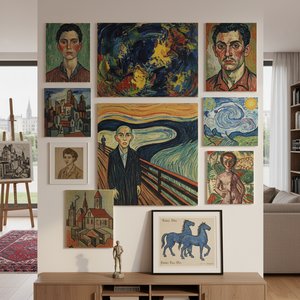
Duygu Voltanıyla Sanatı Yeniden Tanımlayan 10 Empresyonist Başyapıt
İfadeciliğin zirvesi! Van Gogh, Munch ve daha fazlasıyla 10 başyapıtı keşfedin. Sanatın duygusal gücünü deneyimleyin ve evinizi TopImpressionists'tan kaliteli sanat baskılarıyla dönüştürün. Keşfetmek için tıklayın!

Egon Schiele'nin En İyi 25 Eseri: Duygusal Derinlik ve Sanatsal İkonlar | TopImpressionists
Egon Schiele'nin en etkileyici 25 eserini keşfedin! Avusturya ekspresyonizminin güçlü portreleri, çarpıcı figüratif sanat ve duygusal derinliğiyle tanışın. Sanat tarihine yolculuk yapın ve evinizi TopImpressionists'ta yüksek kaliteli baskılarla süsleyin. Koleksiyonu şimdi keşfedin!
Temalara, stillere ve özelliklere göre gruplandırılmış sanat eserlerini keşfedin.


