Gerçek Boyutta Önizle
 Paylaş
 Paylaş
 Detayları Gör
 Rehber

 İndir
İndir
 Benzer ürünler
 X-Işını
 Slayt Gösterisi
 Soru & Cevap
 İstatistikler
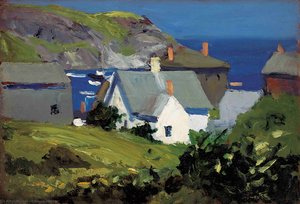
Gloucester Mansion

- 34.0 x 70.0 cm


Edward Hopper’s "Gloucester Mansion" (1924) – a poignant watercolor capturing rural American life. Explore its realism, impressionistic touch & timeless atmosphere.
 Tümünü Gör
Amerikan gerçekçiliğinin ustası, Nighthawks ile yalnızlığı yakaladı. İkonik tablolarını ve büyüleyici ışık oyunlarını hemen keşfedin.
Bu sayfada sergilenen eser telif hakkı yasasıyla korunmaktadır; bu da yasal olarak eserin birebir kopyasını oluşturamayacağımız veya satamayacağımız anlamına gelir. Bu koruma, aşağıdakiler gibi uluslararası anlaşmalar kapsamında uygulanmaktadır: Bern Sözleşmesi ve aşağıdakiler de dahil olmak üzere ulusal yasalarca belirlenen ABD Telif Hakkı Kanunu - 17. Başlık.
Bu yöntem, koruma altındaki sanat eserinin kopyalanmasını veya çoğaltılmasını içermediği için telif hakkı düzenlemelerine tam uyum sağlar. Bunun yerine, yaratıcı bir yeniden yorumlamadır; orijinalinden etkilenen ancak onunla aynı olmayan yeni bir tablodur.
Giclée / Sanat Baskısı
Hızlı üretim ve esnek bitiş seçenekleriyle müze kalitesinde giclée veya kanvas baskı. ( El Yapımı Tablo Satın Al Dijital Görsele Geç)




P118B ₺10

P118H ₺10

P118W ₺10

P438Z ₺10

P508JH ₺12

P508YH ₺12

P805H ₺10

P805Z ₺10

P919BZ ₺10

P919G ₺10

P919XJ ₺10

P959ZH ₺10

P968JZ ₺12

W106C ₺8

W218G ₺10

W218JH ₺8

W218Y ₺10

W307PJ ₺10

W316G ₺10

W316PJ ₺8

W316Y ₺10

W398PJ ₺8

W4111J ₺10

W500HY ₺15

W500JH ₺15

W692G ₺12

W849H ₺8

W940BG ₺15

W953PJ ₺8




Standart
özel boyutlu
CM
INCH
Eserin orijinal oranlarıyla uyumlu, önceden belirlenmiş boyutlarımız arasından seçim yapın.
Loading sizes...

genişlik
yükseklik
Çerçevenize veya duvarınıza uygun olması için ihtiyacınız olan genişlik ve yüksekliği yazın. Bir baskı yalnızca kesilebilir, görselden daha büyük hale getirilemez; bu nedenle farklı bir formdaki boyut seçimi, görselin bir kısmının kaybına neden olur. Herhangi bir baskı yapmadan önce onaylamanız için size bir dijital taslak gönderiyoruz. Bu sayfada gösterilen resim gerçek kesimi göstermez — bunu yalnızca taslak gösterir.
Dünya Çapında Teslimat (); standart 4/5 hafta yerine 2 haftada. (10 Kasım)

Dünya Çapında Ücretsiz Ekspres Kargo

Yüksek Kaliteli Keten Kanvas

Tam Nakliye Sigortası

Gümrük Vergisi İadesi Garantisi

Gerçek Renk Uyumu Garantisi

100 Günlük İade Politikası (Sadece Kusurlu Ürünler İçin)

%100 Para İade Garantisi

Toplu Alım İndirimi
 Cam seçeneği yalnızca 110 cm altındaki boyutlar için mevcuttur.

Gloucester Mansion
Giclée / Sanat Baskısı
Reproduksiyon Boyutu
-


Toplam Tutar
₺ 3455
Edward Hopper’s Gloucester Mansion: A Portrait of Rural Isolation
Edward Hopper's “Gloucester Mansion,” completed in 1924, stands as a quintessential example of American Realism—a genre that sought to depict the everyday realities of life with unflinching honesty and subtle psychological insight. More than just a depiction of buildings; it’s a meditation on solitude, memory, and the quiet dignity of rural America during the early years of the 20th century.
- Subject Matter: The painting captures three weathered houses nestled within a tranquil coastal landscape—a scene reminiscent of New England villages. These structures aren’t grand monuments but humble dwellings, reflecting the lives of ordinary people and hinting at a bygone era.
- Style & Impressionism: Hopper's approach leans heavily into impressionistic principles despite his commitment to realism. Loose brushstrokes dominate the composition, prioritizing the capture of light and atmosphere over meticulous detail. This technique imbues the artwork with an ethereal quality, conveying a sense of stillness and melancholy.
- Technique – Watercolor Mastery: Hopper skillfully employs watercolor paint on paper—a medium known for its luminous washes and ability to convey texture. Layering techniques build up form gradually, creating a palpable surface roughness that speaks to the passage of time and the weathering effects of the elements. The artist’s meticulous attention to tonal variation contributes significantly to the painting's emotional resonance.
Historical Context & Influences
Painted during Hopper’s formative years as an artist, “Gloucester Mansion” reflects the broader artistic currents of its time—particularly the influence of Symbolism and Expressionism. Hopper was deeply affected by writers like Ernest Hemingway and Marcel Proust, whose explorations of consciousness and memory resonated with his own artistic sensibilities. The painting's quiet contemplation aligns perfectly with the prevailing mood of disillusionment that characterized the post-war period.
- Hemingway’s Inspiration: Hopper acknowledged Hemingway’s “A Farewell to Arms” as a significant source of inspiration, recognizing its portrayal of emotional detachment and existential unease.
- Symbolism's Legacy: Hopper absorbed the tenets of Symbolism—particularly its focus on conveying inner states through visual imagery—resulting in an artwork that transcends mere representation.
Decoding the Visual Language
The painting’s composition is carefully constructed to evoke a specific emotional response. The central house dominates the frame, positioned against a backdrop of muted greens and blues—colors chosen to reinforce the sense of serenity and isolation. Notice how Hopper utilizes atmospheric perspective—reducing detail in distant objects to create depth and suggesting an expansive horizon. The subtle highlights on the rooftops illuminate the buildings, casting shadows that deepen the mood.
- Atmospheric Perspective: This technique enhances the painting’s realism while simultaneously conveying a feeling of distance and timelessness.
- Color Palette & Mood: Hopper's restrained color palette—dominated by earthy tones—contributes to the artwork’s contemplative atmosphere, mirroring the emotional landscape of its subject matter.
Emotional Impact & Legacy
"Gloucester Mansion" continues to captivate viewers with its understated beauty and profound psychological depth. It speaks to a universal yearning for connection amidst the complexities of modern life—a theme that remains powerfully relevant today. Hopper’s masterful rendering of light, shadow, and texture elevates this seemingly simple scene into an enduring emblem of American artistic heritage.
Soru ve Cevaplar
"Gloucester Mansion" eseri kamu malı mı?
Telif hakkı açısından, "Gloucester Mansion" eseri telif hakları ile korunmaya devam etmektedir statüsündedir.
Edward Hopper imzalı "Gloucester Mansion" eserinin renkleri canlı mı yoksa mat mı?
"Gloucester Mansion" eserinin renk doygunluğu Muted, renk yoğunluğu ise Balanced düzeyindedir.
"Gloucester Mansion" adlı eser, Edward Hopper kariyerinin hangi dönemine ait?
Edward Hopper'in kariyerinde "Gloucester Mansion", Mature Period dönemine denk gelmektedir. Bu evre, eserin sanatçının diğer çalışmalarıyla kıyaslanmasına olanak tanır.
Sanatçı Özgeçmişi
Amerikan Sahnesinin Sessizliği
Edward Hopper, Amerika Birleşik Devletleri'nin Upper Nyack kentinde dünyaya geldi. İlk yılları, titizlikle tarihlendirilmiş ve imzalanmış çocukluk eskizleriyle başlayan, dünyayı istikrarlı bir gözle gözlemleyerek geçen yıllardı. Ailesi onun için ticari illüstrasyon gibi daha pratik bir yol önerse de, onun odağı her zaman güzel sanatlar üzerinde kaldı. William Merritt Chase ve Robert Henri gibi isimlerin yanında, New York Sanat Akademisi'nde eğitim gördü. Bu yıllar ona, dünyayı tüm çıplaklığıyla ve dürüstlüğüyle betimlemek için gereken teknik beceriyi kazandırdı. Paris'te karşılaştığı Empresyonistlerin o uçucu fırça darbelerinin peşinden koşmadı; bunun yerine, bir kalabalığın hareketinden ziyade, bir anın durgunluğunu tercih eden kendine has bir bakış açısı geliştirdi.
Eserleri genellikle sıradan olanın merkezinde yer alır. Evlere, lokantalara, ofislere ve otel odalarına baktı. Bir sahnenin altında yatan duygusal gerçeği bulmak için gereksiz detayları ayıklayıp attı. House by the Railroad (1925) adlı eserinde, basit bir kompozisyon gizem ve izolasyon duygusunu açığa çıkarır. Işığı ve gölgeyi sadece bir odayı tanımlamak için değil, bir atmosfer yaratmak için kullandı. Bir duvardaki gölgenin hassas tasviri veya ışığın bir pencereye vuruş biçimi, onun öznelerinin psikolojik durumunu iletme yöntemi haline geldi.
Işık ve Şehir İçi Mekanlar
Işığın bir mekana giriş biçimi, onun tablolarında merkezi bir karakter gibidir. Nighthawks (1942) eserinde, gece yarısı bir lokantanın sert floresan ışığı, ıssız bir şehir sokağının karanlığını delip geçer. İçerideki figürler fiziksel olarak birbirine yakındır ancak kendi düşüncelerine dalmış, birbirlerinden kopuk görünürler. Kalabalık bir şehirdeki bu anonimlik hissi, sanatçının tekrarlayan temalarından biri oldu. Kamusal bir alanda yalnız olmanın yarattığı gerilimi, Automat ve Office in a Small City gibi eserlerinde yankılanan o derin duyguyu yakaladı. Yapay ışığın, gecenin doğal karanlığıyla nasıl etkileşime girdiğine karşı büyük bir merak duyuyordu.
Eşi Josephine Nivison Hopper, onun hayatında daima var olan bir figürdü. Kendisi de bir sanatçıydı ve sıklıkla onun modelleri olarak görev yaptı. Josephine'in varlığı, Hopper'ın birçok kadın figürünün karakterizasyonunda hissedilir. Birlikte mütevazı bir yaşam sürdüler ve yaz mevsimlerini sık sık New England'da geçirerek resmettiği manzaraları etkilediler. Hem kırsal hem de kentsel Amerikan manzarasını tasvir ederken, genellikle belirli bir sertliği veya boşluğu vurguladı. İster Gas (1940) eserindeki bir yol kenarı benzinliği ister bir oteldeki sessiz bir oda olsun, konu her zaman fiziksel bir mekan ile özel, içsel bir deneyimin kesişim noktasıdır.
Bir Gözlem Mirası
Hopper'ın etkisi, sinemanın ve edebiyatın görsel diline kadar uzanır. Kompozisyon aracılığıyla psikolojik bir gerilim yaratma yeteneği, hikayelerin imgeler yoluyla nasıl anlatıldığını inceleyen pek çok kişi tarafından fark edilmiştir. Tabloları, bugün dünya çapındaki önemli müzelerde, Whitney Museum of American Art ve Boston'daki Museum of Fine Arts gibi koleksiyonlarda korunmaktadır. O, büyük tarihi anlatıların peşinden koşmadı. Konusunu gündelik hayatın sessiz köşelerinde buldu; basit bir pencereyi veya yoldan geçen bir yabancıyı insanlık durumunun bir incelemesine dönüştürdü. Eserleri, insanlar arasında var olan o sessizliğin zamansız bir çalışması olarak kalmaya devam ediyor.

Edward Hopper
1931 - 1967 , Amerika Birleşik Devletleri
Kısa Bilgiler
- Artistic Movement Or Style: Amerikan gerçekçiliği
- Artists Or Movements Influenced By This Artist: ['Pierre Sanford Ross']
- Artists Who Influenced This Artist:
- William Merritt Chase
- Robert Henri
- Edgar Degas
- Édouard Manet
- Date Of Birth: 1931
- Date Of Death: 1967
- Full Name: Edward Hopper
- Nationality: Amerikalı
- Notable Artworks:
- Nighthawks
- Gas
- House by the Railroad
- Automat
- Office in a Small City
- Summertime
- Place Of Birth: Upper Nyack, Amerika Birleşik Devletleri
Benzer Yazılar

The Unvarnished Truth: A Cultural Journey Through the Soul of American Realism
Explore the profound beauty of American Realism. From the Ashcan School's urban grit to intimate portraits, discover how artists captured the authentic soul of a nation through unvarnished truth and masterful observation.

Capturing the Soul of Nature: A Journey Through the Sublime Majesty of American Romanticism
Explore the breathtaking beauty of American Romanticism. Discover how Hudson River School masters captured the sublime spirit of the wilderness through luminous oil landscapes and emotional depth. A journey into the soul of nature for the true art enthusiast.
Temalara, stillere ve özelliklere göre düzenlenmiş sanat eserlerini keşfedin.