Gerçek Boyutta Önizle
 Paylaş
 Paylaş
 Detayları Gör
 Rehber

 İndir
İndir
 Benzer ürünler
 X-Işını
 Slayt Gösterisi
 Soru & Cevap
 İstatistikler
Hotel room


Edward Hopper’s Hotel Room captures a poignant moment of solitude amidst the sterile elegance of a hotel room—a hallmark of American Realism during the 1930s. Observe the woman absorbed in her book, illuminated by soft light, inviting you to contemplate beauty and isolation.
 Tümünü Gör
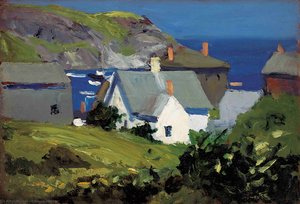
Edward Hopper: Amerikan gerçeküstücülüğünün ruhunu yakalayan ışık ve gölge oyunlarıyla unutulmaz eserleriyle tanınan bir sanatçı. Ünlü tabloları arasında Nighthawks ve Monhegan Evleri yer alır.
Bu sayfada sergilenen eser telif hakkı yasasıyla korunmaktadır; bu da yasal olarak eserin birebir kopyasını oluşturamayacağımız veya satamayacağımız anlamına gelir. Bu koruma, aşağıdakiler gibi uluslararası anlaşmalar kapsamında uygulanmaktadır: Bern Sözleşmesi ve aşağıdakiler de dahil olmak üzere ulusal yasalarca belirlenen ABD Telif Hakkı Kanunu - 17. Başlık.
Bu yöntem, koruma altındaki sanat eserinin kopyalanmasını veya çoğaltılmasını içermediği için telif hakkı düzenlemelerine tam uyum sağlar. Bunun yerine, yaratıcı bir yeniden yorumlamadır; orijinalinden etkilenen ancak onunla aynı olmayan yeni bir tablodur.
Giclée / Sanat Baskısı
Hızlı üretim ve esnek bitiş seçenekleriyle müze kalitesinde giclée veya kanvas baskı. ( El Yapımı Tablo Satın Al Dijital Görsele Geç)




P118B ₺10

P118H ₺10

P118W ₺10

P438Z ₺10

P508JH ₺12

P508YH ₺12

P805H ₺10

P805Z ₺10

P919BZ ₺10

P919G ₺10

P919XJ ₺10

P959ZH ₺10

P968JZ ₺12

W106C ₺8

W218G ₺10

W218JH ₺8

W218Y ₺10

W307PJ ₺10

W316G ₺10

W316PJ ₺8

W316Y ₺10

W398PJ ₺8

W4111J ₺10

W500HY ₺15

W500JH ₺15

W692G ₺12

W849H ₺8

W940BG ₺15

W953PJ ₺8




Standart
özel boyutlu
CM
INCH
Eserin orijinal oranlarıyla uyumlu, önceden belirlenmiş boyutlarımız arasından seçim yapın.
Loading sizes...

genişlik
yükseklik
Çerçevenize veya duvarınıza uygun olması için ihtiyacınız olan genişlik ve yüksekliği yazın. Bir baskı yalnızca kesilebilir, görselden daha büyük hale getirilemez; bu nedenle farklı bir formdaki boyut seçimi, görselin bir kısmının kaybına neden olur. Herhangi bir baskı yapmadan önce onaylamanız için size bir dijital taslak gönderiyoruz. Bu sayfada gösterilen resim gerçek kesimi göstermez — bunu yalnızca taslak gösterir.
Dünya Çapında Teslimat (); standart 4/5 hafta yerine 2 haftada. (8 Kasım)

Dünya Çapında Ücretsiz Ekspres Kargo

Yüksek Kaliteli Keten Kanvas

Tam Nakliye Sigortası

Gümrük Vergisi İadesi Garantisi

Gerçek Renk Uyumu Garantisi

100 Günlük İade Politikası (Sadece Kusurlu Ürünler İçin)

%100 Para İade Garantisi

Toplu Alım İndirimi
 Cam seçeneği yalnızca 110 cm altındaki boyutlar için mevcuttur.

Hotel room
Giclée / Sanat Baskısı
Reproduksiyon Boyutu
-


Toplam Tutar
₺ 3453
The Poignant Stillness of a Private Moment
In Edward Hopper’s 1931 masterpiece, Hotel Room, the viewer is invited into a sanctuary of profound introspection. The scene is deceptively simple: a lone woman sits perched on the edge of a bed, her attention entirely consumed by the pages of a book. Yet, within this sparse hotel setting, there exists a heavy, palpable atmosphere of quietude. Every element—from the solitary suitcase resting on the floor to the handbags placed near her feet—whispers of transience and the fleeting nature of modern existence. This is not merely a portrait of a woman reading; it is a window into the soul of American modernism, capturing that specific, bittersweet moment when one is alone with their thoughts in an unfamiliar place.
A Symphony of Light and Muted Realism
Hopper’s technical prowess lies in his ability to elevate realism into something deeply psychological. He does not rely on grand, theatrical gestures; instead, he employs a meticulous approach to texture and light that breathes life into the inanimate. Through smooth brushstrokes and an expert command of oil on canvas, he renders the subtle gradations of light as it illuminates the woman’s face and falls across the bed linens. The palette is masterfully restrained, dominated by earthy browns, warm yellows, and soft creams, creating a visual harmony that reinforces the sense of stillness. This controlled use of color and light does more than replicate reality; it constructs an emotional landscape where the shadows feel as heavy as the silence itself.
Reflections on Modernity and the Interior Space
To understand Hotel Room, one must look toward the historical currents of the early 20th century. Painted during the transformative Jazz Age, the work reflects the burgeoning anxieties of an increasingly urbanized and industrial society. As individuals navigated the impersonal landscapes of growing cities, a sense of alienation began to permeate the cultural consciousness—a theme Hopper captures with unparalleled sensitivity. For the contemporary collector or interior designer, this painting offers more than just aesthetic beauty; it provides a focal point for contemplation. Its ability to anchor a room with its quiet strength and sophisticated melancholy makes it an ideal choice for spaces designed for reflection, offering a timeless connection to the enduring human experience of solitude.
Soru ve Cevaplar
"Hotel room" hangi renk tonlarını barındırıyor?
Edward Hopper imzalı "Hotel room", Neutrals bir renk paleti kullanıyor. Bu palet, eserin genel renk karakterini özetliyor.
Edward Hopper imzalı "Hotel room" hangi döneme aittir?
Edward Hopper imzalı "Hotel room" eserinin tarihi dönemi Modern'dir. Bu sınıflandırma, eseri sanat tarihinde konumlandırır.
"Hotel room" adlı eserin American Realism akımı hangi ulusal kökene dayanmaktadır?
American Realism akımına ait "Hotel room" adlı eser, Amerika Birleşik Devletleri doğumlu bir sanatçı tarafından yapılmıştır.
Sanatçı Özgeçmişi
Edward Hopper: Bir Amerikan Gerçekçiliği Ustası
Edward Hopper, Amerikan gerçekçiliği akımının en etkileyici temsilcilerinden biri olarak tarihin sayfalarına kazınmış bir isimdir. Ancak sadece bir ressam değil; ışık ve gölgeyle dolu 20. yüzyıl Amerikan yaşamının gizli melankolisini yakalayan bir şairtir. Nyack, Yeni York’ta 1882 yılında Hollandalı kökenlerine sahip orta sınıf ailelere doğan Hopper’ın çocukluk yılları, sanatçı eğilimlerini besleyen istikrarlı bir yetiştirme ortamı sağlamıştır. Çocukluğundan beri titizlikle imzalanmış ve tarihlendirilmiş çizimleriyle yetenekli olması kendini göstermişti. Babasının pragmatik önerisi olmasına rağmen Hopper’ın hayalleri daha geniş kapsamlıydı; klasik sanat eğitimine gitmek yerine William Merritt Chase ve Robert Henri gibi önemli isimlerin etkisiyle Yeni York Sanat Akademisinde eğitim aldı. Bu erken dönemlerde sadece teknik beceri değil, aynı zamanda gerçekçiliği benimsemek ve dünyayı olduğu gibi göstermek için bir bağlılık kazandırdı – kusursuz ve dürüst bir şekilde. Ralph Waldo Emerson’ın yazıları Hopper’ın ruhuna derinlemesine işlemişti; bireyselciliğini ve keskin gözlem yeteneğini destekleyerek sanatçı vizyonunun temel özelliklerini oluşturdu. Paris seyahatlerinde İmpresyonizm ile tanışmış olsa da Hopper, geçici fırça darbelerini terk ederek kendine özgü bir yol çizdi – diğerlerinden ayrıldığını kanıtlayan benzersiz bir yaklaşım oldu.Sanatsal Yolculuğu: Gerçekçilik ve Amerikan Sahnesi
Hopper’ın sanatçı yolculuğu kolay veya hızlı değildi. Kendine özgün sesini bulmaya çalıştı, çeşitli tarzları deneyerek kariyerinin ortasında yer aldı. Bu sadece gerçekliği yeniden yaratmak değil; temel duyguları ortaya çıkarmak için gerçekliğin özünü sıkıştırdı. Işık ve gölgenin doğru şekilde yakalanması sadece tanımlayıcı öğeler olarak değil, aynı zamanda duygusal ipuçlarıyla da önemliydi – atmosferleri büyüleyici ve rahatsız edici bir şekilde yaratan bir yaklaşım oldu. Özellikle 1925 yılında tamamlanan *Ev Tren Yanında*, bu yöntemin güzel örneğini sunmaktadır; basit bir kompozisyon olmasına rağmen derin bir yalnızlık ve gizem duygusu yaymaktadır. Robert Henri’nin etkisiyle Yeni York Sanat Akademisinde eğitim alan Hopper, gerçekçiliği benimsemek için önemli bir adım atmıştı. Aynı zamanda Amerikan manzarasını keşfetmişti – hem kırsal hem de şehir olarak – sık sık boşluk ve sertlik vurgulayarak benzersiz bir perspektif sunuyordu. Onun sanatçı vizyonunun temelini oluşturacak olan bu yaklaşım, diğerlerinden ayrıldığını kanıtlayan kendine özgü bir yöntemdi. Özellikle erken dönemlerinde Amerikan edebiyatı ve düşüncesi Hopper’ın ruhunu etkilemişti; Emerson gibi filozofların fikirleri onun bireyselciliğini destekleyerek sanatçı eserlerinin temel özelliklerini oluşturdu.İkonik Görüşler: Nighthawks ve Ötesi
Hopper’ın eserlerinde sık sık tekrarlanan temalar arasında şehir izolasyonu yer alır – özellikle kalabalıklar içinde bile yalnızlık duygusu vardır. Şehir yaşamının karmaşıklığını ve gerginliğini anlamak için Amerikan manzarasını dikkatlice gözlemlemek gerekiyordu. Ayrıca psikolojik gerçekçiliği benimsemişti; sadece temsil etmek yerine insanların iç dünyalarını keşfederek hassasiyet göstermişti. Işık ve gölge gibi tanımlayıcı öğeler kadar duygusal ipuçlarıyla da önemliydi – atmosferleri büyüleyici ve rahatsız edici bir şekilde yaratan bir yaklaşım oldu. Özellikle 1942 yılında tamamlanan *Nighthawks*, Amerikan kültürünün ikonik eserlerinden biri olarak tarihin sayfalarına kazınmış bir isimdir. Gece vakti diner sahnesi, keskin neon ışığıyla mükemmel bir şekilde kapsayarak modern şehir yaşamının yalnızlığını ve anonimliğini anlatmaktadır. İçindeki figürler kendi düşüncelerinde kaybolmuş durumda; yakınlıklarına rağmen birbirleriyle bağlantı kuramamaktadır – insanlığın temel sorununu çarpıcı bir şekilde yorumlayan etkileyici bir eserdir. Aynı zamanda Amerikan manzarasını keşfetmişti – hem kırsal hem de şehir olarak – sık sık boşluk ve sertlik vurgulayarak benzersiz bir perspektif sunuyordu. Bu yaklaşım, diğerlerinden ayrıldığını kanıtlayan kendine özgü bir yöntemdi. Özellikle erken dönemlerinde Amerikan edebiyatı ve düşüncesi Hopper’ın ruhunu etkilemişti; Emerson gibi filozofların fikirleri onun bireyselciliğini destekleyerek sanatçı eserlerinin temel özelliklerini oluşturdu.Tema ve Miras: Bir Zaman Daha Yeniden Doğuş
Hopper’ın eserlerinde sık sık tekrarlanan temalar arasında şehir izolasyonu yer alır – özellikle kalabalıklar içinde bile yalnızlık duygusu vardır. Ancak sadece bir ressam değil; ışık ve gölgeyle dolu 20. yüzyıl Amerikan yaşamının gizli melankolisini yakalayan bir şairtir. Aynı zamanda Amerikan manzarasını keşfetmişti – hem kırsal hem de şehir olarak – sık sık boşluk ve sertlik vurgulayarak benzersiz bir perspektif sunuyordu. Onun sanatçı vizyonunun temelini oluşturacak olan bu yaklaşım, diğerlerinden ayrıldığını kanıtlayan kendine özgü bir yöntemdi. Özellikle erken dönemlerinde Amerikan edebiyatı ve düşüncesi Hopper’ın ruhunu etkilemişti; Emerson gibi filozofların fikirleri onun bireyselciliğini destekleyerek sanatçı eserlerinin temel özelliklerini oluşturdu. Ayrıca psikolojik gerçekçiliği benimsemişti; sadece temsil etmek yerine insanların iç dünyalarını keşfederek hassasiyet göstermişti. Bu yaklaşım, diğerlerinden ayrıldığını kanıtlayan kendine özgü bir yöntemdi. Özellikle erken dönemlerinde Amerikan edebiyatı ve düşüncesi Hopper’ın ruhunu etkilemişti; Emerson gibi filozofların fikirleri onun bireyselciliğini destekleyerek sanatçı eserlerinin temel özelliklerini oluşturdu. Hopper'ın benzersiz tarzı, sonraki sanatçılara ilham kaynağı olmuştur ve dünya çapında önemli müzelerde sergilendiği için Amerikan sanat tarihi açısından özel bir yere sahiptir. Onun eserleri sadece güzel olmakla kalmaz; aynı zamanda düşünmeyi uyandırır, duyguyu harekete geçirir ve çoğu zaman hayatımızın gizli yalnızlığını hatırlatır. Ayrıca Hopper'ın tarzı, Alfred Hitchcock gibi yönetmenlere ve yazarlara ilham kaynağı olmuştur – insan deneyiminin karmaşıklığını ve gerginliğini keşfeden birçok eser ortaya koymuştur. Onun sanatçı mirası sadece eserlerinin güzelliğinde değil; aynı zamanda gerçekçiliği benimsemek için çabalayan çağdaşlara yönelik uzun süren bir ilgiyle kendini göstermiştir. Ayrıca Hopper'ın tarzı Amerikan kültürünün ikonik temsilcilerinden biri olarak tarihin sayfalarına kazınmış ve 20. yüzyılın başlangıcından beri insanlığın temel sorunlarını sorgulayan eserlere ilham kaynağı olmuştur.
Edward Hopper
1931 - 1967 , Amerika Birleşik Devletleri
Kısa Bilgiler
- Artistic Movement Or Style: Realizm
- Artists Who Influenced This Artist:
- William Merritt Chase
- Robert Henri
- Date Of Birth: 22 Temmuz 1882
- Date Of Death: 15 Mayıs 1967
- Full Name: Edward Hopper
- Nationality: Amerikalı
- Notable Artworks:
- Nighthawks
- Ev Tren Garı Yanında
- Gaz İstasyonu
- Place Of Birth: Nyack, ABD
Benzer Yazılar

The Unvarnished Truth: A Cultural Journey Through the Soul of American Realism
Explore the profound beauty of American Realism. From the Ashcan School's urban grit to intimate portraits, discover how artists captured the authentic soul of a nation through unvarnished truth and masterful observation.
Temalara, stillere ve özelliklere göre düzenlenmiş sanat eserlerini keşfedin.