

Görüntülenen: · Çerçevesiyle birlikte:
 Gerçek Boyutta Önizle
 Paylaş
 Paylaş
 Detayları Gör
 Rehber

 İndir
İndir
 Benzer ürünler
 X-Işını
 Slayt Gösterisi
 Soru & Cevap
 İstatistikler
- 92.0 x 127.0 cm


₺ 13271
El Yapımı Yağlı Boya Reproduksiyon
Sanatçılarımız tarafından sipariş üzerine hazırlanan; istediğiniz boyut ve çerçevede, tuval üzerine el boyaması yağlı boya. ( Baskı Satışına Geç Dijital Görsele Geç)
Bu Eser Telif Hakkı Koruması Altındadır
Bu sayfada sergilenen eser telif hakkı yasasıyla korunmaktadır; bu da yasal olarak eserin birebir kopyasını oluşturamayacağımız veya satamayacağımız anlamına gelir. Bu koruma, aşağıdakiler gibi uluslararası anlaşmalar kapsamında uygulanmaktadır: Bern Sözleşmesi ve aşağıdakiler de dahil olmak üzere ulusal yasalarca belirlenen ABD Telif Hakkı Kanunu - 17. Başlık.
Saygılı ve yasal bir alternatif olarak, orijinalinden ilham alan, kişiye özel, el boyaması sanat eserleri sunuyoruz. Deneyimli ve profesyonel sanatçılarımız, aynı duyguyu uyandıran yeni ve benzersiz bir eser yaratmak için orijinalin stilini, ruhunu ve sanatsal özünü titizlikle inceler; üstelik bu eser, kendi başına özgün bir üretim olarak kalır.
Bu yöntem, koruma altındaki sanat eserinin kopyalanmasını veya çoğaltılmasını içermediği için telif hakkı düzenlemelerine tam uyum sağlar. Bunun yerine, yaratıcı bir yeniden yorumlamadır; orijinalinden etkilenen ancak onunla aynı olmayan yeni bir tablodur.
 Daha fazla bilgi edinin
Boyut Seçimi
·Standart
özel boyutlu
CM
INCH
Eserin orijinal oranlarıyla uyumlu, önceden belirlenmiş boyutlarımız arasından seçim yapın.
Boyutlar yükleniyor...

genişlik
yükseklik
Çerçevenize veya duvarınıza uygun olması için ihtiyacınız olan genişlik ve yüksekliği yazın. Bu eser el boyamasıdır; bu nedenle farklı bir formdaki boyutlar için sanatçı, resmin etrafına biraz daha fazla boya ekleyebilir veya kenarlardan biraz kırpabilir — seçim sizin. Boyama işlemi başlamadan önce onaylamanız için size bir dijital taslak gönderiyoruz. Bu sayfada gösterilen resim gerçek sonucu yansıtmamaktadır; gerçek sonucu yalnızca taslak göstermektedir.
Bitir
·
Beyaz kenar bitişi ₺1

Bulanık kenar bitişi ₺1

Kenar boyalı ₺1

P118B ₺10

P118H ₺10

P118W ₺10

P438Z ₺10

P508JH ₺12

P508YH ₺12

P805H ₺10

P805Z ₺10

P919BZ ₺10

P919G ₺10

P919XJ ₺10

P959ZH ₺10

P968JZ ₺12

W106C ₺8

W218G ₺10

W218JH ₺8

W218Y ₺10

W307PJ ₺10

W316G ₺10

W316PJ ₺8

W316Y ₺10

W398PJ ₺8

W4111J ₺10

W500HY ₺15

W500JH ₺15

W692G ₺12

W849H ₺8

W940BG ₺15

W953PJ ₺8

H24-GOLD ₺30

H24-SILVER ₺30

H36-GOLD ₺45

H36-SILVER ₺45
Koruyucu bir tüp içerisinde gönderilir, kendi çerçeveletmeniz için hazırdır.
Ekstralar
isteğe bağlıEkstralar neleri içeriyor?
Değiştirilebilecek örneklere göz atın: Yüzü müşteri fotoğrafıyla değiştirme; Evcil hayvan ekleme (örneğin, kediyi köpek ile değiştirme); Arka plana gizli bir mesaj dahil etme; Arka plan manzarasını veya öğelerini değiştirme.
Siparişten sonra, TopImpressionists.com ekibi talimatlar için müşteriye e-posta gönderecek ve bir taslak önizleme sunacaktır
Siparişten sonra, TopImpressionists.com ekibi talimatlar için müşteriye e-posta gönderecek ve bir taslak önizleme sunacaktır
Dünya Çapında Teslimat (); standart 5 hafta yerine 3/4 haftada. (9 Kasım). Kaliteden ödün verilmez.
Koruyucu Vernik Katmanı
Eser Etiketi
İşlemeli Bronz Plaka Detayları
This elegant plaque features the artist's name and the title of the artwork, finely engraved for a timeless presentation.
It is made from bronze with a refined, elegant finish. The text is precisely laser-engraved for a sharp and permanent result. Measuring 9x2 cm, the plaque is compact yet easy to read. It's built to be durable and scratch-resistant, offering a professional, museum-quality look. Mounting is simple thanks to the included adhesive backing.
Şeffaf Akrilik Plaka Detayları
The plaque includes essential engraved details such as the artist's name, the title of the artwork, the date it was created, the type of media used-like oil on canvas or watercolor-a brief description of the piece, and a QR code that links to the complete artwork information.
It is crafted from clear acrylic, offering a sleek, modern appearance. The text is UV-engraved in black to ensure strong visual contrast. With a size of 10x15 cm, it ensures optimal readability. It comes equipped with two metal hooks for secure wall mounting. The plaque is designed to be weather-resistant, making it suitable for various environments, and it includes interactive features that work seamlessly with smartphone scanning.
Siyah Akrilik Plaka Detayları
This elegant plaque includes engraved information such as the artist's name, the title of the artwork, the date it was created, the type of media used (like oil on canvas or watercolor), a short description of the artwork, and a QR code for quick access to more information.
The plaque itself is made from refined black acrylic with a premium finish. The text is laser-engraved in white for high contrast and readability. Its size is 10x15 cm, designed to be easy to read. It comes with two metal hooks for professional mounting. The design is sleek and fits any interior style. It is also weather-resistant and durable, with built-in digital integration for mobile compatibility.
Cam seçeneği yalnızca 110 cm altındaki boyutlar için mevcuttur.
 Cam seçeneği yalnızca 110 cm altındaki boyutlar için mevcuttur.
- Dünya Çapında Ücretsiz Ekspres Kargo
- Yüksek Kaliteli Keten Kanvas
- Tam Nakliye Sigortası
- Gümrük Vergisi İadesi Garantisi
- Gerçek Renk Uyumu Garantisi
- 100 Günlük İade Politikası (Sadece Kusurlu Ürünler İçin)
- %100 Para İade Garantisi
- Toplu Alım İndirimi


Eser Açıklaması
Sanatçı Biyografisi
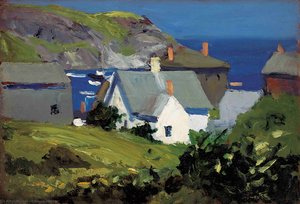
Edward Hopper: Amerikan gerçeküstücülüğünün ruhunu yakalayan ışık ve gölge oyunlarıyla unutulmaz eserleriyle tanınan bir sanatçı. Ünlü tabloları arasında Nighthawks ve Monhegan Evleri yer alır.
Tablo hakkında
A Portrait of Rural Isolation – Edward Hopper’s Ryder’s House
Edward Hopper’s “Ryder’s House,” completed in 1933, stands as a quintessential emblem of American Realism during the Depression era. More than just a depiction of a simple farmhouse nestled within a tranquil field, it's a masterful exploration of solitude and unspoken emotion—themes that would become hallmarks of Hopper’s oeuvre and continue to resonate with audiences today.
- Subject Matter: The painting centers around a modest white house adorned with a vibrant red door, positioned prominently in the middle of an expansive expanse of grass. Two chimneys punctuate the roofline on either side, anchoring the composition while simultaneously emphasizing the building’s isolation against the vastness of nature.
- Style: Hopper's signature style—characterized by stark lighting and geometric precision—is evident throughout “Ryder’s House.” The artist eschews dramatic narratives or exuberant color palettes, opting instead for a restrained aesthetic that prioritizes observation and psychological depth. This deliberate simplicity serves to heighten the painting’s emotional impact.
- Technique: Executed in oil on canvas, Hopper employs meticulous brushwork—often subtle and blended—to capture the textures of the house’s surfaces and the muted tones of the surrounding landscape. The artist skillfully utilizes chiaroscuro – the interplay between light and shadow – to sculpt form and convey a sense of stillness and melancholy.
Historical Context: Depression-Era America
Painted during the Great Depression, “Ryder’s House” reflects the pervasive anxieties and uncertainties of the time. Hopper's depiction of rural life—characterized by quiet desperation and unspoken longing—captures a mood that mirrored the experiences of many Americans grappling with economic hardship and social displacement. The painting speaks to a broader cultural preoccupation with themes of alienation and detachment.
Symbolism: Light, Shadow, and Absence
The dominant use of light in “Ryder’s House” is particularly significant. Hopper illuminates the interior space with a cool, diffused glow that casts long shadows across the walls—creating an atmosphere of profound stillness and hinting at hidden narratives. The absence of human figures contributes to the painting's sense of isolation, prompting viewers to contemplate the unspoken emotions conveyed by the scene.
Emotional Impact: A Meditation on Loneliness
"Ryder’s House" transcends mere visual representation; it invites contemplation and introspection. Hopper’s masterful composition—coupled with his subtle manipulation of light and shadow—elicits a feeling of melancholy and yearning, capturing the essence of human experience in its most vulnerable form. It remains a powerful reminder that beauty can reside in quietude and that art possesses the capacity to illuminate the complexities of the human condition.
Soru ve Cevaplar
Edward Hopper imzalı "Ryder's House" ziyaretçileri hangi bölgelerden geliyor?
Edward Hopper imzalı "Ryder's House" eserinin İstatistikler sayfası; eserin aylık ziyaret sayılarını, sanatçının en çok görüntülenen eserleriyle olan karşılaştırmasını ve ziyaretçilerin hangi bölgelerden geldiğini içeren halka açık ziyaret istatistiklerini sunar.
"Ryder's House" eserinin yüksek çözünürlüklü indirme seçeneği mevcut mu?
Edward Hopper imzalı "Ryder's House" eserinin dijital dosyasını edinmek için, Yüksek Çözünürlüklü Dijital Görsel sayfasından yüksek çözünürlüklü dijital görsel indirme siparişi verebilirsiniz.
"Ryder's House" eserindeki renkler ne kadar ışık yansıtıyor gibi görünüyor?
Edward Hopper imzalı "Ryder's House", Bright Balance düzeyinde bir parlaklığa sahiptir. Parlaklık, renklerin ne kadar ışık yansıtıyor gibi göründüğünü tanımlar.
Kısa bilgiler ve sanat testi
Edward Hopper Hakkında

Edward Hopper
1931 - 1967, Amerika Birleşik Devletleri
Sanatçı Özgeçmişi
Edward Hopper: Bir Amerikan Gerçekçiliği Ustası
Edward Hopper, Amerikan gerçekçiliği akımının en etkileyici temsilcilerinden biri olarak tarihin sayfalarına kazınmış bir isimdir. Ancak sadece bir ressam değil; ışık ve gölgeyle dolu 20. yüzyıl Amerikan yaşamının gizli melankolisini yakalayan bir şairtir. Nyack, Yeni York’ta 1882 yılında Hollandalı kökenlerine sahip orta sınıf ailelere doğan Hopper’ın çocukluk yılları, sanatçı eğilimlerini besleyen istikrarlı bir yetiştirme ortamı sağlamıştır. Çocukluğundan beri titizlikle imzalanmış ve tarihlendirilmiş çizimleriyle yetenekli olması kendini göstermişti. Babasının pragmatik önerisi olmasına rağmen Hopper’ın hayalleri daha geniş kapsamlıydı; klasik sanat eğitimine gitmek yerine William Merritt Chase ve Robert Henri gibi önemli isimlerin etkisiyle Yeni York Sanat Akademisinde eğitim aldı. Bu erken dönemlerde sadece teknik beceri değil, aynı zamanda gerçekçiliği benimsemek ve dünyayı olduğu gibi göstermek için bir bağlılık kazandırdı – kusursuz ve dürüst bir şekilde. Ralph Waldo Emerson’ın yazıları Hopper’ın ruhuna derinlemesine işlemişti; bireyselciliğini ve keskin gözlem yeteneğini destekleyerek sanatçı vizyonunun temel özelliklerini oluşturdu. Paris seyahatlerinde İmpresyonizm ile tanışmış olsa da Hopper, geçici fırça darbelerini terk ederek kendine özgü bir yol çizdi – diğerlerinden ayrıldığını kanıtlayan benzersiz bir yaklaşım oldu.Sanatsal Yolculuğu: Gerçekçilik ve Amerikan Sahnesi
Hopper’ın sanatçı yolculuğu kolay veya hızlı değildi. Kendine özgün sesini bulmaya çalıştı, çeşitli tarzları deneyerek kariyerinin ortasında yer aldı. Bu sadece gerçekliği yeniden yaratmak değil; temel duyguları ortaya çıkarmak için gerçekliğin özünü sıkıştırdı. Işık ve gölgenin doğru şekilde yakalanması sadece tanımlayıcı öğeler olarak değil, aynı zamanda duygusal ipuçlarıyla da önemliydi – atmosferleri büyüleyici ve rahatsız edici bir şekilde yaratan bir yaklaşım oldu. Özellikle 1925 yılında tamamlanan *Ev Tren Yanında*, bu yöntemin güzel örneğini sunmaktadır; basit bir kompozisyon olmasına rağmen derin bir yalnızlık ve gizem duygusu yaymaktadır. Robert Henri’nin etkisiyle Yeni York Sanat Akademisinde eğitim alan Hopper, gerçekçiliği benimsemek için önemli bir adım atmıştı. Aynı zamanda Amerikan manzarasını keşfetmişti – hem kırsal hem de şehir olarak – sık sık boşluk ve sertlik vurgulayarak benzersiz bir perspektif sunuyordu. Onun sanatçı vizyonunun temelini oluşturacak olan bu yaklaşım, diğerlerinden ayrıldığını kanıtlayan kendine özgü bir yöntemdi. Özellikle erken dönemlerinde Amerikan edebiyatı ve düşüncesi Hopper’ın ruhunu etkilemişti; Emerson gibi filozofların fikirleri onun bireyselciliğini destekleyerek sanatçı eserlerinin temel özelliklerini oluşturdu.İkonik Görüşler: Nighthawks ve Ötesi
Hopper’ın eserlerinde sık sık tekrarlanan temalar arasında şehir izolasyonu yer alır – özellikle kalabalıklar içinde bile yalnızlık duygusu vardır. Şehir yaşamının karmaşıklığını ve gerginliğini anlamak için Amerikan manzarasını dikkatlice gözlemlemek gerekiyordu. Ayrıca psikolojik gerçekçiliği benimsemişti; sadece temsil etmek yerine insanların iç dünyalarını keşfederek hassasiyet göstermişti. Işık ve gölge gibi tanımlayıcı öğeler kadar duygusal ipuçlarıyla da önemliydi – atmosferleri büyüleyici ve rahatsız edici bir şekilde yaratan bir yaklaşım oldu. Özellikle 1942 yılında tamamlanan *Nighthawks*, Amerikan kültürünün ikonik eserlerinden biri olarak tarihin sayfalarına kazınmış bir isimdir. Gece vakti diner sahnesi, keskin neon ışığıyla mükemmel bir şekilde kapsayarak modern şehir yaşamının yalnızlığını ve anonimliğini anlatmaktadır. İçindeki figürler kendi düşüncelerinde kaybolmuş durumda; yakınlıklarına rağmen birbirleriyle bağlantı kuramamaktadır – insanlığın temel sorununu çarpıcı bir şekilde yorumlayan etkileyici bir eserdir. Aynı zamanda Amerikan manzarasını keşfetmişti – hem kırsal hem de şehir olarak – sık sık boşluk ve sertlik vurgulayarak benzersiz bir perspektif sunuyordu. Bu yaklaşım, diğerlerinden ayrıldığını kanıtlayan kendine özgü bir yöntemdi. Özellikle erken dönemlerinde Amerikan edebiyatı ve düşüncesi Hopper’ın ruhunu etkilemişti; Emerson gibi filozofların fikirleri onun bireyselciliğini destekleyerek sanatçı eserlerinin temel özelliklerini oluşturdu.Tema ve Miras: Bir Zaman Daha Yeniden Doğuş
Hopper’ın eserlerinde sık sık tekrarlanan temalar arasında şehir izolasyonu yer alır – özellikle kalabalıklar içinde bile yalnızlık duygusu vardır. Ancak sadece bir ressam değil; ışık ve gölgeyle dolu 20. yüzyıl Amerikan yaşamının gizli melankolisini yakalayan bir şairtir. Aynı zamanda Amerikan manzarasını keşfetmişti – hem kırsal hem de şehir olarak – sık sık boşluk ve sertlik vurgulayarak benzersiz bir perspektif sunuyordu. Onun sanatçı vizyonunun temelini oluşturacak olan bu yaklaşım, diğerlerinden ayrıldığını kanıtlayan kendine özgü bir yöntemdi. Özellikle erken dönemlerinde Amerikan edebiyatı ve düşüncesi Hopper’ın ruhunu etkilemişti; Emerson gibi filozofların fikirleri onun bireyselciliğini destekleyerek sanatçı eserlerinin temel özelliklerini oluşturdu. Ayrıca psikolojik gerçekçiliği benimsemişti; sadece temsil etmek yerine insanların iç dünyalarını keşfederek hassasiyet göstermişti. Bu yaklaşım, diğerlerinden ayrıldığını kanıtlayan kendine özgü bir yöntemdi. Özellikle erken dönemlerinde Amerikan edebiyatı ve düşüncesi Hopper’ın ruhunu etkilemişti; Emerson gibi filozofların fikirleri onun bireyselciliğini destekleyerek sanatçı eserlerinin temel özelliklerini oluşturdu. Hopper'ın benzersiz tarzı, sonraki sanatçılara ilham kaynağı olmuştur ve dünya çapında önemli müzelerde sergilendiği için Amerikan sanat tarihi açısından özel bir yere sahiptir. Onun eserleri sadece güzel olmakla kalmaz; aynı zamanda düşünmeyi uyandırır, duyguyu harekete geçirir ve çoğu zaman hayatımızın gizli yalnızlığını hatırlatır. Ayrıca Hopper'ın tarzı, Alfred Hitchcock gibi yönetmenlere ve yazarlara ilham kaynağı olmuştur – insan deneyiminin karmaşıklığını ve gerginliğini keşfeden birçok eser ortaya koymuştur. Onun sanatçı mirası sadece eserlerinin güzelliğinde değil; aynı zamanda gerçekçiliği benimsemek için çabalayan çağdaşlara yönelik uzun süren bir ilgiyle kendini göstermiştir. Ayrıca Hopper'ın tarzı Amerikan kültürünün ikonik temsilcilerinden biri olarak tarihin sayfalarına kazınmış ve 20. yüzyılın başlangıcından beri insanlığın temel sorunlarını sorgulayan eserlere ilham kaynağı olmuştur.Edward Hopper hakkında kısa bilgiler
- Artistic Movement Or Style: Realizm
- Artists Who Influenced This Artist:
- William Merritt Chase
- Robert Henri
- Date Of Birth: 22 Temmuz 1882
- Date Of Death: 15 Mayıs 1967
- Full Name: Edward Hopper
- Nationality: Amerikalı
- Notable Artworks:
- Nighthawks
- Ev Tren Garı Yanında
- Gaz İstasyonu
- Place Of Birth: Nyack, ABD


Temalara, stillere ve özelliklere göre düzenlenmiş sanat eserlerini keşfedin.




Edward Hopper
Ryder's House
() ·
Çerçevesiyle birlikte: · Keten üzerine yağlı boya ile el yapımı
Toplam