Gerçek Boyutta Önizle
 Paylaş
 Paylaş
 Detayları Gör
 Rehber

 İndir
İndir
 Benzer ürünler
 X-Işını
 Slayt Gösterisi
 Soru & Cevap
 İstatistikler
Self-Portrait

- 51.0 x 41.0 cm


Edward Hopper's 'Self-Portrait' (1903) captures the artist’s introspective gaze and embodies his signature style of quiet American realism. Explore this iconic work reflecting solitude and modern life.
 Tümünü Gör
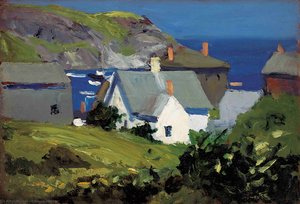
Edward Hopper: Amerikan gerçeküstücülüğünün ruhunu yakalayan ışık ve gölge oyunlarıyla unutulmaz eserleriyle tanınan bir sanatçı. Ünlü tabloları arasında Nighthawks ve Monhegan Evleri yer alır.
Bu sayfada sergilenen eser telif hakkı yasasıyla korunmaktadır; bu da yasal olarak eserin birebir kopyasını oluşturamayacağımız veya satamayacağımız anlamına gelir. Bu koruma, aşağıdakiler gibi uluslararası anlaşmalar kapsamında uygulanmaktadır: Bern Sözleşmesi ve aşağıdakiler de dahil olmak üzere ulusal yasalarca belirlenen ABD Telif Hakkı Kanunu - 17. Başlık.
Bu yöntem, koruma altındaki sanat eserinin kopyalanmasını veya çoğaltılmasını içermediği için telif hakkı düzenlemelerine tam uyum sağlar. Bunun yerine, yaratıcı bir yeniden yorumlamadır; orijinalinden etkilenen ancak onunla aynı olmayan yeni bir tablodur.
Giclée / Sanat Baskısı
Hızlı üretim ve esnek bitiş seçenekleriyle müze kalitesinde giclée veya kanvas baskı. ( El Yapımı Tablo Satın Al Dijital Görsele Geç)




P118B ₺10

P118H ₺10

P118W ₺10

P438Z ₺10

P508JH ₺12

P508YH ₺12

P805H ₺10

P805Z ₺10

P919BZ ₺10

P919G ₺10

P919XJ ₺10

P959ZH ₺10

P968JZ ₺12

W106C ₺8

W218G ₺10

W218JH ₺8

W218Y ₺10

W307PJ ₺10

W316G ₺10

W316PJ ₺8

W316Y ₺10

W398PJ ₺8

W4111J ₺10

W500HY ₺15

W500JH ₺15

W692G ₺12

W849H ₺8

W940BG ₺15

W953PJ ₺8




Standart
özel boyutlu
CM
INCH
Eserin orijinal oranlarıyla uyumlu, önceden belirlenmiş boyutlarımız arasından seçim yapın.
Loading sizes...

genişlik
yükseklik
Çerçevenize veya duvarınıza uygun olması için ihtiyacınız olan genişlik ve yüksekliği yazın. Bir baskı yalnızca kesilebilir, görselden daha büyük hale getirilemez; bu nedenle farklı bir formdaki boyut seçimi, görselin bir kısmının kaybına neden olur. Herhangi bir baskı yapmadan önce onaylamanız için size bir dijital taslak gönderiyoruz. Bu sayfada gösterilen resim gerçek kesimi göstermez — bunu yalnızca taslak gösterir.
Dünya Çapında Teslimat (); standart 4/5 hafta yerine 2 haftada. (8 Kasım)

Dünya Çapında Ücretsiz Ekspres Kargo

Yüksek Kaliteli Keten Kanvas

Tam Nakliye Sigortası

Gümrük Vergisi İadesi Garantisi

Gerçek Renk Uyumu Garantisi

100 Günlük İade Politikası (Sadece Kusurlu Ürünler İçin)

%100 Para İade Garantisi

Toplu Alım İndirimi
 Cam seçeneği yalnızca 110 cm altındaki boyutlar için mevcuttur.

Self-Portrait
Giclée / Sanat Baskısı
Reproduksiyon Boyutu
-


Toplam Tutar
₺ 3453
The Quiet Intensity of Observation
Edward Hopper's 1903 “Self-Portrait” isn’t a flamboyant declaration of ego, but rather a profoundly intimate glimpse into the artist’s soul. Rendered in oil on canvas with a deliberate simplicity that belies its emotional depth, this work immediately draws the viewer into a space of quiet contemplation. The stark black background serves not as mere absence, but as an active participant, amplifying the subject's presence and intensifying the sense of isolation—a hallmark of Hopper’s mature style. The photograph depicts a man with a thoughtful expression, his dark hair neatly combed, a brown beard and mustache framing a face etched with a subtle melancholy. He wears a tie, suggesting a professional life, yet there’s an undeniable air of detachment, as if observing the world rather than actively participating in it.
A Bridge Between Impressionism and Modernism
Painted during Hopper's formative years at the New York School of Art under the tutelage of William Merritt Chase and Robert Henri, this self-portrait represents a crucial transition. While influenced by the realism championed by Henri – particularly his emphasis on capturing fleeting moments and the psychological states of individuals – Hopper quickly developed a unique voice. The work demonstrates an early mastery of observation, mirroring the meticulous detail evident in his childhood sketches (as documented in biographies like “A Solitude Observed”). Notice the loose brushstrokes, reminiscent of Impressionism, yet combined with a distinctly modern sensibility; Hopper wasn’t simply replicating what he saw, but distilling it into its essential elements – light, shadow, and mood. The composition itself is carefully constructed, guiding the eye across the face and subtly hinting at an inner world.
Symbolism of Form and Gesture
The pose of the subject is particularly revealing. He’s not gazing directly at the viewer with a welcoming smile; instead, his gaze is averted, directed inward. This subtle shift in perspective invites us to share in his solitude, to feel the weight of unspoken thoughts. The tie, a symbol of formality and societal expectation, feels slightly out of place, further emphasizing the sense of detachment. The dark hair and mustache contribute to an air of seriousness, suggesting a contemplative nature—a man accustomed to introspection. Hopper’s use of light is masterful; it illuminates his face without overwhelming it, creating a luminous quality that simultaneously highlights his features and casts subtle shadows that deepen the mood.
Echoes of Loneliness in American Life
“Self-Portrait” foreshadows the themes that would dominate Hopper’s career: loneliness, isolation, and the alienation of modern urban life. While painted at a relatively early stage in his artistic development, it already possesses the hallmarks of his future style – a poignant depiction of individuals adrift in a vast and impersonal world. The painting speaks to a universal human experience—the feeling of being alone even amidst crowds, the quiet yearning for connection. It’s a remarkably prescient work, anticipating the anxieties and uncertainties that would come to define much of 20th-century American art. The piece serves as a powerful reminder of Hopper's ability to capture not just appearances, but the underlying emotions that shape our lives.
Soru ve Cevaplar
Edward Hopper imzalı "Self-Portrait" eserini odamda görmek için artırılmış gerçekliği kullanabilir miyim?
"Self-Portrait" için bir artırılmış gerçeklik önizlemesi mevcut: eserin Artırılmış Gerçeklik Önizleme sayfası, uyumlu bir cihazda eseri kendi alanınızda görmenizi sağlar.
"Self-Portrait" hangi tona daha yakın?
Edward Hopper imzalı "Self-Portrait" eserinde Ochre to Sepia bir ton hakimdir.
"Self-Portrait" eserinin renkleri ne kadar belirgin?
"Self-Portrait" eserinin renk doygunluğu Muted, renk yoğunluğu ise Monochromatic düzeyindedir.
Sanatçı Özgeçmişi
Edward Hopper: Bir Amerikan Gerçekçiliği Ustası
Edward Hopper, Amerikan gerçekçiliği akımının en etkileyici temsilcilerinden biri olarak tarihin sayfalarına kazınmış bir isimdir. Ancak sadece bir ressam değil; ışık ve gölgeyle dolu 20. yüzyıl Amerikan yaşamının gizli melankolisini yakalayan bir şairtir. Nyack, Yeni York’ta 1882 yılında Hollandalı kökenlerine sahip orta sınıf ailelere doğan Hopper’ın çocukluk yılları, sanatçı eğilimlerini besleyen istikrarlı bir yetiştirme ortamı sağlamıştır. Çocukluğundan beri titizlikle imzalanmış ve tarihlendirilmiş çizimleriyle yetenekli olması kendini göstermişti. Babasının pragmatik önerisi olmasına rağmen Hopper’ın hayalleri daha geniş kapsamlıydı; klasik sanat eğitimine gitmek yerine William Merritt Chase ve Robert Henri gibi önemli isimlerin etkisiyle Yeni York Sanat Akademisinde eğitim aldı. Bu erken dönemlerde sadece teknik beceri değil, aynı zamanda gerçekçiliği benimsemek ve dünyayı olduğu gibi göstermek için bir bağlılık kazandırdı – kusursuz ve dürüst bir şekilde. Ralph Waldo Emerson’ın yazıları Hopper’ın ruhuna derinlemesine işlemişti; bireyselciliğini ve keskin gözlem yeteneğini destekleyerek sanatçı vizyonunun temel özelliklerini oluşturdu. Paris seyahatlerinde İmpresyonizm ile tanışmış olsa da Hopper, geçici fırça darbelerini terk ederek kendine özgü bir yol çizdi – diğerlerinden ayrıldığını kanıtlayan benzersiz bir yaklaşım oldu.Sanatsal Yolculuğu: Gerçekçilik ve Amerikan Sahnesi
Hopper’ın sanatçı yolculuğu kolay veya hızlı değildi. Kendine özgün sesini bulmaya çalıştı, çeşitli tarzları deneyerek kariyerinin ortasında yer aldı. Bu sadece gerçekliği yeniden yaratmak değil; temel duyguları ortaya çıkarmak için gerçekliğin özünü sıkıştırdı. Işık ve gölgenin doğru şekilde yakalanması sadece tanımlayıcı öğeler olarak değil, aynı zamanda duygusal ipuçlarıyla da önemliydi – atmosferleri büyüleyici ve rahatsız edici bir şekilde yaratan bir yaklaşım oldu. Özellikle 1925 yılında tamamlanan *Ev Tren Yanında*, bu yöntemin güzel örneğini sunmaktadır; basit bir kompozisyon olmasına rağmen derin bir yalnızlık ve gizem duygusu yaymaktadır. Robert Henri’nin etkisiyle Yeni York Sanat Akademisinde eğitim alan Hopper, gerçekçiliği benimsemek için önemli bir adım atmıştı. Aynı zamanda Amerikan manzarasını keşfetmişti – hem kırsal hem de şehir olarak – sık sık boşluk ve sertlik vurgulayarak benzersiz bir perspektif sunuyordu. Onun sanatçı vizyonunun temelini oluşturacak olan bu yaklaşım, diğerlerinden ayrıldığını kanıtlayan kendine özgü bir yöntemdi. Özellikle erken dönemlerinde Amerikan edebiyatı ve düşüncesi Hopper’ın ruhunu etkilemişti; Emerson gibi filozofların fikirleri onun bireyselciliğini destekleyerek sanatçı eserlerinin temel özelliklerini oluşturdu.İkonik Görüşler: Nighthawks ve Ötesi
Hopper’ın eserlerinde sık sık tekrarlanan temalar arasında şehir izolasyonu yer alır – özellikle kalabalıklar içinde bile yalnızlık duygusu vardır. Şehir yaşamının karmaşıklığını ve gerginliğini anlamak için Amerikan manzarasını dikkatlice gözlemlemek gerekiyordu. Ayrıca psikolojik gerçekçiliği benimsemişti; sadece temsil etmek yerine insanların iç dünyalarını keşfederek hassasiyet göstermişti. Işık ve gölge gibi tanımlayıcı öğeler kadar duygusal ipuçlarıyla da önemliydi – atmosferleri büyüleyici ve rahatsız edici bir şekilde yaratan bir yaklaşım oldu. Özellikle 1942 yılında tamamlanan *Nighthawks*, Amerikan kültürünün ikonik eserlerinden biri olarak tarihin sayfalarına kazınmış bir isimdir. Gece vakti diner sahnesi, keskin neon ışığıyla mükemmel bir şekilde kapsayarak modern şehir yaşamının yalnızlığını ve anonimliğini anlatmaktadır. İçindeki figürler kendi düşüncelerinde kaybolmuş durumda; yakınlıklarına rağmen birbirleriyle bağlantı kuramamaktadır – insanlığın temel sorununu çarpıcı bir şekilde yorumlayan etkileyici bir eserdir. Aynı zamanda Amerikan manzarasını keşfetmişti – hem kırsal hem de şehir olarak – sık sık boşluk ve sertlik vurgulayarak benzersiz bir perspektif sunuyordu. Bu yaklaşım, diğerlerinden ayrıldığını kanıtlayan kendine özgü bir yöntemdi. Özellikle erken dönemlerinde Amerikan edebiyatı ve düşüncesi Hopper’ın ruhunu etkilemişti; Emerson gibi filozofların fikirleri onun bireyselciliğini destekleyerek sanatçı eserlerinin temel özelliklerini oluşturdu.Tema ve Miras: Bir Zaman Daha Yeniden Doğuş
Hopper’ın eserlerinde sık sık tekrarlanan temalar arasında şehir izolasyonu yer alır – özellikle kalabalıklar içinde bile yalnızlık duygusu vardır. Ancak sadece bir ressam değil; ışık ve gölgeyle dolu 20. yüzyıl Amerikan yaşamının gizli melankolisini yakalayan bir şairtir. Aynı zamanda Amerikan manzarasını keşfetmişti – hem kırsal hem de şehir olarak – sık sık boşluk ve sertlik vurgulayarak benzersiz bir perspektif sunuyordu. Onun sanatçı vizyonunun temelini oluşturacak olan bu yaklaşım, diğerlerinden ayrıldığını kanıtlayan kendine özgü bir yöntemdi. Özellikle erken dönemlerinde Amerikan edebiyatı ve düşüncesi Hopper’ın ruhunu etkilemişti; Emerson gibi filozofların fikirleri onun bireyselciliğini destekleyerek sanatçı eserlerinin temel özelliklerini oluşturdu. Ayrıca psikolojik gerçekçiliği benimsemişti; sadece temsil etmek yerine insanların iç dünyalarını keşfederek hassasiyet göstermişti. Bu yaklaşım, diğerlerinden ayrıldığını kanıtlayan kendine özgü bir yöntemdi. Özellikle erken dönemlerinde Amerikan edebiyatı ve düşüncesi Hopper’ın ruhunu etkilemişti; Emerson gibi filozofların fikirleri onun bireyselciliğini destekleyerek sanatçı eserlerinin temel özelliklerini oluşturdu. Hopper'ın benzersiz tarzı, sonraki sanatçılara ilham kaynağı olmuştur ve dünya çapında önemli müzelerde sergilendiği için Amerikan sanat tarihi açısından özel bir yere sahiptir. Onun eserleri sadece güzel olmakla kalmaz; aynı zamanda düşünmeyi uyandırır, duyguyu harekete geçirir ve çoğu zaman hayatımızın gizli yalnızlığını hatırlatır. Ayrıca Hopper'ın tarzı, Alfred Hitchcock gibi yönetmenlere ve yazarlara ilham kaynağı olmuştur – insan deneyiminin karmaşıklığını ve gerginliğini keşfeden birçok eser ortaya koymuştur. Onun sanatçı mirası sadece eserlerinin güzelliğinde değil; aynı zamanda gerçekçiliği benimsemek için çabalayan çağdaşlara yönelik uzun süren bir ilgiyle kendini göstermiştir. Ayrıca Hopper'ın tarzı Amerikan kültürünün ikonik temsilcilerinden biri olarak tarihin sayfalarına kazınmış ve 20. yüzyılın başlangıcından beri insanlığın temel sorunlarını sorgulayan eserlere ilham kaynağı olmuştur.
Edward Hopper
1931 - 1967 , Amerika Birleşik Devletleri
Kısa Bilgiler
- Artistic Movement Or Style: Realizm
- Artists Who Influenced This Artist:
- William Merritt Chase
- Robert Henri
- Date Of Birth: 22 Temmuz 1882
- Date Of Death: 15 Mayıs 1967
- Full Name: Edward Hopper
- Nationality: Amerikalı
- Notable Artworks:
- Nighthawks
- Ev Tren Garı Yanında
- Gaz İstasyonu
- Place Of Birth: Nyack, ABD
Benzer Yazılar
The Ashcan School: Capturing the Raw, Unfiltered Soul of Urban Life through American Realism
Discover the raw beauty of the Ashcan School. Explore how masters like Bellows and Henri captured the gritty, vibrant soul of early 20th-century New York through profound American Realism and evocative urban landscapes.

The Unvarnished Truth: A Cultural Journey Through the Soul of American Realism
Explore the profound beauty of American Realism. From the Ashcan School's urban grit to intimate portraits, discover how artists captured the authentic soul of a nation through unvarnished truth and masterful observation.
Temalara, stillere ve özelliklere göre düzenlenmiş sanat eserlerini keşfedin.