

 Gerçek Boyutta Önizle
 Paylaş
 Paylaş
 Detayları Gör
 Rehber

 İndir
İndir
 Benzer ürünler
 X-Işını
 Slayt Gösterisi
 Soru & Cevap
 İstatistikler
Christ driving the traders from the temple

- 117.0 x 150.0 cm


Witness El Greco's dramatic 'Christ Driving the Traders,' a powerful Renaissance masterpiece depicting religious fervor and challenging authority. Own a stunning reproduction of this iconic work today!
 Tümünü Gör
El Greco: İspanyol Rönesansı'nın dâhisi! Uzun figürleri, dramatik ışığı ve mistik atmosferiyle tanınan El Greco'nun eserlerini keşfedin. 'Orgaz Kontu'nun Cenaze Töreni' gibi başyapıtlarıyla sanat dünyasına iz bırakmış bir ressam.
Giclée / Sanat Baskısı
Hızlı üretim ve esnek bitiş seçenekleriyle müze kalitesinde giclée veya kanvas baskı. ( El Yapımı Tablo Satın Al Dijital Görsele Geç)




P118B ₺10

P118H ₺10

P118W ₺10

P438Z ₺10

P508JH ₺12

P508YH ₺12

P805H ₺10

P805Z ₺10

P919BZ ₺10

P919G ₺10

P919XJ ₺10

P959ZH ₺10

P968JZ ₺12

W106C ₺8

W218G ₺10

W218JH ₺8

W218Y ₺10

W307PJ ₺10

W316G ₺10

W316PJ ₺8

W316Y ₺10

W398PJ ₺8

W4111J ₺10

W500HY ₺15

W500JH ₺15

W692G ₺12

W849H ₺8

W940BG ₺15

W953PJ ₺8




Standart
özel boyutlu
CM
INCH
Eserin orijinal oranlarıyla uyumlu, önceden belirlenmiş boyutlarımız arasından seçim yapın.
Loading sizes...

genişlik
yükseklik
Çerçevenize veya duvarınıza uygun olması için ihtiyacınız olan genişlik ve yüksekliği yazın. Bir baskı yalnızca kesilebilir, görselden daha büyük hale getirilemez; bu nedenle farklı bir formdaki boyut seçimi, görselin bir kısmının kaybına neden olur. Herhangi bir baskı yapmadan önce onaylamanız için size bir dijital taslak gönderiyoruz. Bu sayfada gösterilen resim gerçek kesimi göstermez — bunu yalnızca taslak gösterir.
Dünya Çapında Teslimat (); standart 4/5 hafta yerine 2 haftada. (6 Kasım)

Dünya Çapında Ücretsiz Ekspres Kargo

Yüksek Kaliteli Keten Kanvas

Tam Nakliye Sigortası

Gümrük Vergisi İadesi Garantisi

Gerçek Renk Uyumu Garantisi

100 Günlük İade Politikası (Sadece Kusurlu Ürünler İçin)

%100 Para İade Garantisi

Toplu Alım İndirimi
 Cam seçeneği yalnızca 110 cm altındaki boyutlar için mevcuttur.

Christ driving the traders from the temple
Giclée / Sanat Baskısı
Reproduksiyon Boyutu
-


Toplam Tutar
₺ 3445
Christ Driving the Traders from the Temple: A Renaissance Drama of Faith
El Greco’s “Christ Driving the Traders from the Temple,” painted in 1576, isn't merely a depiction of a biblical event; it’s a visceral explosion of faith, anger, and divine authority. This arresting work, housed within the Minneapolis Institute of Art, stands as a pivotal example of El Greco’s unique artistic vision – a synthesis of Venetian dynamism, Roman anatomical precision, and an intensely personal spiritual fervor. The painting immediately commands attention with its dramatic composition and vibrant palette, pulling the viewer into the heart of this tumultuous scene. It's a moment frozen in time, capturing not just the physical act of expulsion but also the palpable tension between earthly commerce and divine law.
At its core, the painting portrays a pivotal episode from the New Testament – Jesus confronting the money changers and merchants who had transformed the Temple into a marketplace. This event, central to the narrative in all four Gospels, symbolizes a profound purification of the Church, a rejection of corruption and greed within sacred spaces. El Greco masterfully translates this theological concept into a powerfully theatrical visual experience. The artist doesn’t shy away from depicting the chaos and disruption inherent in the confrontation; instead, he embraces it, creating an atmosphere of urgent drama that resonates deeply with the viewer.
The Anatomy of Emotion: Technique and Style
El Greco's distinctive style is immediately recognizable in “Christ Driving the Traders from the Temple.” He employs a highly expressive Mannerist technique, characterized by elongated figures, exaggerated gestures, and intense emotionality. Christ himself is rendered with an almost sculptural quality – his arm raised in a gesture of forceful command, radiating authority and righteous indignation. The traders and money changers, conversely, are depicted as writhing in fear, their bodies contorted in reactions of panic and desperation. This stark contrast between the figures highlights the moral weight of the scene.
The artist’s use of color is equally striking. Vibrant reds dominate Christ's robes, symbolizing his divine power and sacrifice. The earthy tones of the traders’ clothing and the temple architecture provide a grounding counterpoint, emphasizing their earthly concerns. El Greco’s brushwork is dynamic and energetic, with bold strokes that convey movement and urgency. Notice how he uses light to sculpt the figures, creating a sense of depth and volume within the crowded scene. The architectural backdrop, reminiscent of an Italian Renaissance palace, adds a layer of grandeur to the drama, suggesting the sacredness of the Temple and the gravity of the transgression.
Historical Context and Influences
To understand El Greco’s “Christ Driving the Traders from the Temple,” it's crucial to consider his artistic background. Born in Crete around 1541, he initially trained as an icon painter within the Byzantine tradition – a rigorous discipline emphasizing religious imagery and precise technique. However, he soon moved to Venice and Rome, immersing himself in the works of Venetian masters like Tintoretto and Titian. These influences are evident in his use of dramatic lighting, dynamic composition, and illusionistic space. The influence of Roman art is also apparent in the solid modeling of the figures and the careful attention to anatomical detail.
Painted during the Counter-Reformation, a period when the Catholic Church sought to reform itself after the Protestant Reformation, the painting carries significant historical weight. The cleansing of the Temple served as a potent symbol of the Church’s need for purification and moral renewal. El Greco's depiction of this event reflects the anxieties and aspirations of his time, capturing the fervor and urgency of the Counter-Reformation movement.
Provenance and Legacy
The painting has enjoyed a rich and storied history, with ownership tracing back to notable collectors such as Sir John Charles Robinson and Sir Francis Cook. It is now housed at the Minneapolis Institute of Art, where it remains a significant part of their collection. Its journey through time speaks to its enduring appeal and artistic merit. The provenance adds another layer of intrigue to this already captivating work.
“Christ Driving the Traders from the Temple” by El Greco stands as a testament to his extraordinary talent and spiritual depth. It’s more than just a painting; it's an emotional experience, a dramatic portrayal of faith, and a powerful symbol of moral renewal. TopImpressionists offers meticulously crafted oil painting reproductions that faithfully capture the essence of this masterpiece, allowing art enthusiasts to bring its drama and intensity into their homes.
Painting by 'El Greco (Doménikos Theotokopoulos)' | El Greco (Doménikos Theotokopoulos): Christ driving the traders from the temple Painting by 'El Greco (Doménikos Theotokopoulos)' | El Greco (Doménikos Theotokopoulos): Christ driving the traders from the temple Painting by 'El Greco (Doménikos Theotokopoulos)' | El Greco (Doménikos Theotokopoulos): Penitent Magdalene Artist: El Greco (Doménikos Theotokopoulos)Soru ve Cevaplar
"Christ driving the traders from the temple" eserinde teknik ve üslup nasıl birleşiyor?
El Greco imzalı "Christ driving the traders from the temple", Yağlı boya tekniğini Renaissance üslubuyla birleştiriyor. Teknik ve akım, eserin yapılış biçimini ve tarzını tanımlar.
El Greco imzalı "Christ driving the traders from the temple" ziyaretçileri hangi bölgelerden geliyor?
El Greco imzalı "Christ driving the traders from the temple" eserinin İstatistikler sayfası; eserin aylık ziyaret sayılarını, sanatçının en çok görüntülenen eserleriyle olan karşılaştırmasını ve ziyaretçilerin hangi bölgelerden geldiğini içeren halka açık ziyaret istatistiklerini sunar.
"Christ driving the traders from the temple" bir mekana nasıl bir ruh katardı?
El Greco imzalı "Christ driving the traders from the temple" eserinin Dramatik atmosferi, önerilen mekanla uyum sağlıyor: bir Yaşam Alanı.
Sanatçı Özgeçmişi
İnanç ve Ateşin Yonttuğu Bir Yaşam: El Greco
Domenikos Theotokopulos, dünyaya El Greco – “Yunanlı” olarak bilinen ressamın adı – kolayca sınıflandırılamayan bir yaşamı ve sanatı barındırıyor. 1541’de Venedik egemenliğindeki Girit adasında doğan sanatçının sanatsal yolculuğu, onu önce Venedik’ten Roma’ya, ardından ruhani kalbi İspanya’nın Toledo şehrine götürdü. El Greco sadece bu yerlerin ürünü değildi; etkilerini bütünüyle kendine özgü bir şeye dönüştürdü – Duyarlılığın duygusal yoğunluğunu ve Kübizmin parçalanmış formlarını yüzyıllar öncesinden öngören bir tarz yarattı. Erken dönemindeki Bizans geleneği içindeki eğitimi, ona ayrıntılara karşı titiz bir dikkat ve dini ikonografiye dair derin bir anlayış kazandırdı. Ancak bu temel onu sınırlayamadı. Eserlerini Yunanca imzalayan El Greco, kökenlerine duyduğu gururu gösteren “Krês” – Giritli – ifadesini sıklıkla eklerken, yeni sanatsal toprakları keşfetmeye devam etti. Onun kendine özgü tarzının tohumları sadece tekniklerde değil, aynı zamanda memleketinin ateşli dini atmosferinde ve Venedik sanatının zengin dokusunda atıldı.Venedik’ten Toledo'ya: Bir Dönüşüm
1567 civarında Venedik’e taşınması, El Greco için bir dönüm noktası oldu. Canlı sanatsal sahneye dalan El Greco, Titian, Tintoretto ve Veronese gibi ustaları inceledi – renklerin, kompozisyonun ve dramatik ışığın hakimiyetini özümsedi. Fırça darbelerini gevşetmeyi, yağ boyasının duyusallığını kucaklamayı ve figürleri yeni bir dinamizmle tasvir etmeyi öğrendi. Bu Venedik etkisi, *St. Sebastian* (1600) gibi erken dönem eserlerinde görülebilir; burada anatomik detaylar, neredeyse teatral bir ışık ve gölge kullanımıyla kusursuz bir şekilde harmanlanıyor. Roma’daki daha sonraki bir süre boyunca, uzun figürler, çarpık perspektifler ve sofistike kompozisyonlarla karakterize edilen bir stil olan Maniyerizm ile tanıştı. Yeteneğini sergilemesine rağmen El Greco, rekabetçi Roma sanat dünyasında yaygın tanınma elde etmekte zorlandı. Onun tekil vizyonunun nihayetinde gelişmesini sağlayan 1577’de Toledo’ya yerleşmesi oldu. O dönemde Kont-Reformasyon sırasında dini bir ateşin merkezi olan şehir, yoğun derecede ruhani resimlerine hem himaye sağladı hem de uygun bir atmosfer yarattı.Eşsiz Bir Tarz
El Greco'nun sanatsal tarzı anında tanınabilir – ve tamamen büyüleyici. Figürleri sıklıkla dramatik bir şekilde uzatılır, bedenleri ruhani coşku veya derin acı hissi uyandıran pozlarda gerilir ve bükülür. Bu sadece stilistik bir süsleme değil; görünenin ötesindeki, somut şeylerin ötesinde yatan duygusal ve ruhsal gerçeklikleri tasvir etme çabasıdır. Sanatçı, çalışmalarının duygusal etkisini artırmak için renkleri – her zaman gerçekçi olmayan, canlı ve genellikle doğal olmayan tonları – ustaca kullandı. Sert ışık ve gölge arasındaki keskin kontrastlar, dramatik bir etki yaratarak izleyiciyi sahnenin kalbine çekiyor. Count of Orgaz'ın Cenazesi (1586-1588), en önemli eseri olarak kabul edilir; bu anıt eser, çağdaş figürlerin gerçekçi tasviri ile ilahi müdahale temsil eden eterik, uzatılmış formların mükemmel bir şekilde harmanlandığı mucizevi bir olayı tasvir ediyor. Bizans geleneklerini İtalyan Rönesansı teknikleriyle birleştirerek hem yenilikçi hem de derinlemesine kişisel bir tarz yarattı. Daha sonraki çalışmaları giderek mistikleşti; kendi derin dini inançlarını ve geleneksel sanatsal normlardan artan bir kopuşu yansıtıyordu.Mirası ve Keşfi
Ömrü boyunca kiliselerden ve Toledo'daki manastırlardan önemli komisyonlar alarak önemli başarı elde etmesine rağmen, El Greco’nun çalışmaları ölümünden (1614) sonra göreli olarak göz ardı edildi. Yüzyıllar boyunca sanat tarihçileri tarafından büyük ölçüde ihmal edildi, eksantrik veya yerel bir sanatçı olarak değerlendirildi. Sanatçısının dehasının tam olarak takdir edildiği 20. yüzyıl olana kadar geçen süre uzun oldu. Picasso ve Braque gibi sanatçılar onu modern sanatın habercisi olarak gördüler; çarpık formlarına ve alışılmadık perspektiflerine hayranlık duyuyorlardı. İfadeci sanatçıların duygusal yoğunluğu cesur renkler ve dramatik kompozisyonlar aracılığıyla aktarma çabası onun ifade edici tarzıyla yankı buldu. Bugün El Greco, Batı sanat tarihinin en önemli figürlerinden biri olarak kutlanıyor – ruhani derinliği, duygusal gücü ve eşsiz sanatsal vizyonuyla izleyicileri büyülemeye devam eden bir vizyoner ressam. Onun resimleri sadece dini sahnelerin temsilleri değil; ruhlara açılan pencerelerdir, inancın kalıcı gücüne tanıklıklar ve insan ruhunun aşılmasına ilişkin kutlamalardır.Önemli Eserler
- Count of Orgaz'ın Cenazesi (1586-1588): Gerçekçilik ve ruhani yoğunluğun mükemmel bir şekilde harmanlandığı, tartışmasız başyapıtı.
- Toledo Manzarası (1596-1600): Şehrin girdaplı, atmosferik bir tarzda tasvir edildiği dramatik bir manzara; özünü neredeyse kehanetçi bir kaliteyle yakalıyor.
- Beşinci Mühürün Açılışı (1608-1614): Vahiy Kitabı'ndan ilham alan bir seri parçası olan bu resim, El Greco’nun kıyamet vizyonunu ve dramatik kompozisyonu ustalıkla sergiliyor.
- St. Sebastian (1600): Azizin güçlü tasviri; anatomik detayları teatral ışıklandırma ve duygusal yoğunlukla harmanlıyor.
- El Espolio (Çarmıhtan İndirme) (1577-1579): Venedik etkilerini ve renklerin ve ışığın dramatik kullanımını sergileyen erken dönem bir çalışma.

El Greco
1541 - 1614 , Girit
Kısa Bilgiler
- Artistic Movement Or Style: Maniyeryizm, Barok
- Artists Or Movements Influenced By This Artist:
- Expressionizm
- Kubizm
- Artists Who Influenced This Artist:
- Titian
- Tintoretto
- Veronese
- Date Of Birth: 1 Ekim 1541
- Date Of Death: 7 Nisan 1614
- Full Name: Domenikos Theotokopulos
- Nationality: Yunan-İspanyol
- Notable Artworks:
- Burial of the Count of Orgaz
- View of Toledo
- El Espolio
- St. Sebastian
- Place Of Birth: Kandiye, Girit
Benzer Yazılar

El Greco: Spirituality, Style & Innovation – A Renaissance Master's Legacy
Explore the captivating world of El Greco! Discover his unique style, spiritual intensity, and lasting impact on art history. Learn about this Renaissance master's life, iconic paintings & legacy.

El Greco'nun En İyi 25 Eseri: Sanat Tarihinin İkonik Yorumları ve Ev Dekorasyonu İçin İlham Veren Seçkiler
El Greco'nun en iyi 25 eserini keşfedin! İspanyol Rönesansı'nın mistik dehasının dini tabloları, dramatik renkleri ve maniyerizm tarzıyla evinizi sanatla doldurun. TopImpressionists.com'da yüksek kaliteli baskılarla El Greco koleksiyonuna göz atın.

Museo del Prado'nun En İkonik 25 Eseri: Sanat Tarihine Yolculuk | TopImpressionists
Museo del Prado'nun en ikonik 25 eserini keşfedin! Velázquez, Goya ve El Greco gibi İspanyol ressamlarının başyapıtları ile sanat tarihine yolculuk yapın. Ev dekorasyonunuz için lüks sanat baskıları TopImpressionists.com'da sizi bekliyor.

Mannerism Explained: The Dramatic Evolution of Renaissance Art and the Rise of El Greco
Explore the dramatic evolution of Mannerism from High Renaissance perfection to El Greco's spiritual intensity. Discover the history, techniques, and enduring legacy of this transformative era through an expert art-history lens.
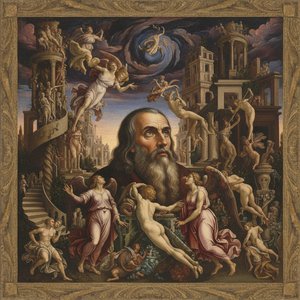
Mannerism Unveiled: The Dramatic Evolution of Renaissance Art and the Visionary Legacy of El Greco
Explore the dramatic transition from High Renaissance harmony to Mannerist tension. Discover how masters like El Greco redefined art through distortion and spiritual intensity. An expert guide for art enthusiasts seeking deep historical context and museum-quality inspiration.
Temalara, stillere ve özelliklere göre düzenlenmiş sanat eserlerini keşfedin.


