


 Önizle
 Gönder
 Paylaş
 Detaylar
 Rehber

 Dosyayı İndir
 Benzerleri
 X-Işını
 Slayt Gösterisi
 Q&A
Q&A İstatistikler
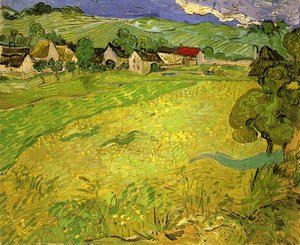
Haystack, near Arles
 Tuval Üzerine Yağlı Boya
- Duvar Sanatı
- Post-Impressionizm
 1888
1888- 19. Yüzyıl
 92.0 x 73.0 cm
 Indianapolis Sanat Müzesi
Paul Gauguin’ın ‘Haystack, near Arles’ı (1888), İndiana Müzesi Güzel Sanatlar’da sergilenen Provence manzarasının canlı renkleriyle ve sembolik derinliğiyle büyüleyici bir Post-İmpresyonist eseridir.
 Devamını Oku
Paris
France
Eugène Henri Paul Gauguin
gauguin, eugene henri paul gauguin, Paul Gauguin
Post-İmpresyonist ressam Paul Gauguin, cesur renkleri, egzotik temaları ve sembolizm tarzıyla tanınır. Tahiti'deki yaşamı ve 'Vahine no te miti' gibi eserleriyle modern sanatın öncülerindendir.
Post-İmpresyonizm, Sembolizm
Pablo Picasso
Camille Pissarro
1848
1903
Eugène Henri Paul Gauguin
Fransız
Cl
Giclée / Sanat Baskısı
Hızlı üretim ve esnek bitiş seçenekleriyle müze kalitesinde giclée veya kanvas baskı. ( El Yapımı Tablo Satın Al Dijital Görsel Satışına Geç)




P118B ₺10

P118H ₺10

P118W ₺10

P438Z ₺10

P508JH ₺12

P508YH ₺12

P805H ₺10

P805Z ₺10

P919BZ ₺10

P919G ₺10

P919XJ ₺10

P959ZH ₺10

P968JZ ₺12

W106C ₺8

W218G ₺10

W218JH ₺8

W218Y ₺10

W307PJ ₺10

W316G ₺10

W316PJ ₺8

W316Y ₺10

W398PJ ₺8

W4111J ₺10

W500HY ₺15

W500JH ₺15

W692G ₺12

W849H ₺8

W940BG ₺15

W953PJ ₺8




Standart Boyutlar
özel boyutlu
CM
INCH
Eserin orijinal oranlarıyla uyumlu, önceden belirlenmiş boyutlarımız arasından seçim yapın.
Loading sizes...

genişlik
yükseklik
Çerçevenize veya duvarınıza uygun olması için ihtiyacınız olan genişlik ve yüksekliği yazın. Bir baskı yalnızca kesilebilir, görselden daha büyük hale getirilemez; bu nedenle farklı bir formdaki boyut seçimi, görselin bir kısmının kaybına neden olur. Herhangi bir baskı yapmadan önce onaylamanız için size bir dijital taslak gönderiyoruz. Bu sayfada gösterilen resim gerçek kesimi göstermez — bunu yalnızca taslak gösterir.
Dünya Çapında Teslimat (); standart 4/5 hafta yerine 2 haftada. (29 Ekim)

Dünya Çapında Ücretsiz Ekspres Kargo

Yüksek Kaliteli Keten Tuval

Tam Nakliye Sigortası

Gümrük Vergisi İadesi Garantisi

Gerçek Renk Uyumu Garantisi

100 Günlük İade Koşulları (Sadece Üretim Hatalı Ürünler İçin)

%100 Para İade Garantisi

Toplu Alım Avantajı
 Cam seçeneği yalnızca 110 cm altındaki boyutlar için mevcuttur.

Haystack, near Arles
Giclée / Sanat Baskısı
Baskı Boyutu
-


Toplam Fiyat
₺ 3382
The Essence of Rural Tranquility: Gauguin’s Haystack
Paul Gauguin's Haystack, near Arles (1888) isn’t merely a depiction of a rural scene; it’s an immersion into the heart of post-impressionist emotion. This painting, currently residing in the Indianapolis Museum of Art, transcends its humble subject matter – a simple haystack bathed in the Provençal sun – to become a profound meditation on color, form, and the relationship between humanity and nature. Gauguin, deeply influenced by Vincent van Gogh’s vibrant palette and expressive brushwork, embarked on this project during his sojourn in Arles, a period marked by both artistic collaboration and personal turmoil. The painting immediately draws the eye to the dominant yellow of the haystack, an almost luminous hue that seems to radiate warmth and abundance. This isn't simply a representation of agricultural wealth; it’s a deliberate assertion of life, fertility, and the core values of rural existence – a theme central to Gauguin’s artistic vision.
(Image of Haystack, near Arles by Paul Gauguin)
A Dialogue with Van Gogh and Cézanne
Gauguin’s relationship with Vincent van Gogh is inextricably linked to this work. Their shared time in Arles fostered a mutual exchange of ideas and techniques, though Gauguin ultimately forged his own distinctive path. The influence of Van Gogh's bold brushstrokes and intense color are evident here, yet Gauguin subtly transforms them into something uniquely his own. Furthermore, the painting reveals an equally significant debt to Paul Cézanne, whose exploration of geometric forms and the interplay of light and shadow profoundly shaped Gauguin’s approach to landscape. Notice how the haystack is not rendered as a single, unified mass but rather as a collection of interlocking planes – a deliberate nod to Cézanne's revolutionary vision. The careful arrangement of the house in the distance, with its simple white facade and receding perspective, further reinforces this connection.
Symbolism Woven into the Landscape
Beyond its formal elements, Haystack, near Arles is rich in symbolic meaning. The haystack itself has long been associated with abundance, fertility, and the cycle of life – a potent symbol of rural prosperity. The distant house represents stability, security, and perhaps even a longing for connection to a simpler way of life. The two figures glimpsed within the scene—one closer to the viewer, the other further back—add an element of mystery and invite contemplation about human presence within this vast landscape. Gauguin’s use of color – the vibrant greens of the fields, the earthy browns of the soil, and the warm oranges of the setting sun – creates a harmonious yet dynamic composition that captures the essence of the Provençal countryside.
Exploring Light and Color: Cézanne's Influence
Cézanne’s groundbreaking approach to depicting nature—characterized by simplified forms and an emphasis on underlying geometric structures—served as a crucial catalyst for Gauguin’s artistic evolution. Unlike Impressionists who sought to capture fleeting moments of light and atmosphere, Cézanne prioritized conveying the fundamental essence of his subjects. Gauguin adopted this principle wholeheartedly, dissecting the haystack into interlocking planes that echo Cézanne's masterful use of perspective and spatial illusion. The resulting image is not merely visually appealing; it’s intellectually stimulating, prompting viewers to consider how Cézanne fundamentally altered our understanding of landscape representation.
A Legacy of Bold Expression
Haystack, near Arles represents a decisive break from the conventions of Impressionism and marks the ascendancy of Expressionism. Gauguin’s fearless embrace of color—particularly the dominant yellow—demonstrates his unwavering commitment to conveying emotion rather than objective observation. This painting embodies the spirit of rebellion against academic art traditions, asserting the primacy of personal vision and artistic intuition. Its enduring appeal lies in its ability to evoke a sense of tranquility mingled with contemplation – an invitation to reconnect with the beauty and simplicity of the natural world. TopImpressionists offers exceptional reproductions that faithfully reproduce Gauguin’s masterful technique and vibrant palette, allowing collectors and enthusiasts alike to experience the transformative power of this iconic artwork.
Soru ve Cevaplar
"Haystack, near Arles" adlı eserin bir Yaşam Alanı için önerilen boyutu nedir?
Yaşam Alanı için Eugène Henri Paul Gauguin imzalı "Haystack, near Arles" eserinin önerilen baskı boyutu Büyük Boy'dır.
"Haystack, near Arles" eserinde hangi ruh hali ve duygu bir araya geliyor?
Eugène Henri Paul Gauguin imzalı "Haystack, near Arles" eserinin yansıttığı ruh hali Sakin, duygusal tonu ise Dingin'dur.
Eugène Henri Paul Gauguin imzalı "Haystack, near Arles" eserini odamda görmek için artırılmış gerçekliği kullanabilir miyim?
"Haystack, near Arles" için bir artırılmış gerçeklik önizlemesi mevcut: eserin AR Önizleme sayfası, uyumlu bir cihazda eseri kendi alanınızda görmenizi sağlar.
İlgili Eserler


Sanatçı Biyografisi
Cesur Fırça Darbeleriyle Boyanmış Bir Hayat: Paul Gauguin'in Dünyası
Canlı renkler ve asi bir ruhla yankılanan bir isim olan Eugène Henri Paul Gauguin, Empresyonizmden modern sanata geçişte kilit bir figür olarak durmaktadır. 1848 yılında Paris'te doğan hayatı, alışılmışın çok dışındaydı. İlk yılları sıra dışı bir yetiştirilme tarzıyla şekillendi; babası bir gazeteci, annesi ise Peru aristokrasisinden geliyordu. Annesinin büyükannesi Flora Tristan, idealleri kuşkusuz aile içinde yankı bulan öncü bir feminist ve sosyalist yazardı. Bu miras, Gauguin'in sanatsural vizyonunu derinden şekillendirerek onda Avrupa'nın ötesindeki kültürlere karşı bir hayranlık uyandırdı. 1850 yılında ailesinin taşınmasıyla çocukluk dönemini Peru'da geçirmesi, onu Paris toplumundan çok farklı bir dünyaya daldırdı; bu deneyim zihninde yer etti ve nihayetinde sanattaki özgünlük arayışunu körükledi. Babasının ölümünden sonra Fransa'ya dönen Gauguin, resmi bir eğitim alsa da kendini akademiye değil, gelişmekte olan finans dünyasına kaptırdı ve bir borsa komisyoncusu olarak kariyerine başladı; bu yol, onu bekleyen sanatsal kaderle görünüşte tamamen çelişiyordu.Finanstan Sanatsal Çağrıya
Yıllarca Gauguin, bir yandan iş girişimlerini titizlikle sürdürürken diğer yandan gizlice resim tutkusunu beslediği çift yönlü bir hayat yaşadı. Başlangıçta Empresyonistlerden etkilenmiş, boş zamanlarında renk ve ışıkla deneyler yapmaya başlamıştı; ancak kısa süre sonra onların gerçekliğin uçucu anlarını yakalamaya olan bağlılıkları tarafından kısıtlanmış hissetti. 1882 yılındaki finansal kriz bir dönüm noktası oldu ve onu kazançlı kariyerini terk ederek sanatsal çağrısını tüm kalbiyle kucaklamaya zorladı. Bu sadece bir meslek değişikliği değildi; dünya görüşünde köklü bir değişimdi. Gelişimini teşvik eden ve onu Paris'in avangart çevreleriyle tanıştıran Camille Pissarro'dan rehberlik aradı. Ancak Gauguin, kısa sürede Empresyonist ilkelere sapmaya başladı; daha dışavurumcu, daha sembolik bir şeyin, sadece *gördüğünü* değil, aynı zamanda *hissettiğini* aktarmanın bir yolunun özlemini duyuyordu. Bu arzu, onu Paris salonlarının çok ötesine ve "ilkel" kültürlerin kalbine götürecek sanatsal bir keşif yolculuğuna çıkardı. Bu kültürleri sadece betimlemekla ilgilenmiyordu; Batı medeniyetinde kaybolan bir saflığı barındırdıklarına inanarak, onların özünü özümsemeye çalışıyordu.Bretanya ve Tahiti'nin Çağrısı
Gauguin'in sanatsal evrimi, seyahatleriyle ayrılmaz bir şekilde bağlantılıydı. Bretanya'da zaman geçirdi, buranın engebeli manzaralarına ve halkının köklü geleneklerine hayran kaldı. Bu dönemde düzleştirilmiş formlar, belirgin dış hatlar ve kompozisyonun basitleştirilmesi üzerine deneyler yaptı; bu teknikler onu natüralizmden uzaklaştırıp daha sembolik bir dile yaklaştırdak. Ancak asıl yaratıcı potansiyelini serbest bırakan, 1891'deki Tahiti yolculuğu oldu. Avrupa medeniyetinin boğucu kısıtlamalarından kaçış arayan Gauguin, Polinezya kültürünün daha saf ve otantik bir yaşam biçimi sunduğuna inanarak burada ilham bulmayı umuyordu. Bu sadece sanatsal bir uğraş değil, ruhsal bir arayıştı. Kendini yerel geleneklere ve inançlara adadı; Polinezya kadınlarını, manzaralarını ve dini pratiklerini kendine özgü merceğinden resmetti. Japon baskılarından —Japonizm— ve Orta Çağ sanatından etkilenerek; canlı renkler, egzotik konular ve gizemli bir hava ile karakterize edilen özgün bir estetik geliştirdi. “Vahine no te miti” (Mangolu Kadın), “Manao Tupapau” (Ölülerin Ruhu Tarafından İzlenen) ve “Tanrıların Günü” gibi ikonik tablolar bu dönemde ortaya çıkarak bir vizyoner sanatçı olarak ününü pekiştirdi. Renk kullanımı giderek daha cesur ve doğal olmayan bir hal aldı; amacı gerçekliği kopyalamak değil, duyguyu ve ruhsal anlamı ifade etmekti.Miras ve Tartışmalar
Sanatsal atılımlarına rağmen, Gauguin'in hayatı sık sık zorluklarla damgalandı. Tahiti'de ve daha sonra yerleştiği Markiz Adaları'nda maddi sıkıntılar ve azalan sağlıkla mücadele etti. Yine de, yaşam, ölüm ve maneviyat temalarını durmaksızın keşfederek üretken bir şekilde resim yapmaya devam etti. 1903 yılında, Markiz takımadalarındaki uzak bir ada olan Hiva Oa'da, dehası büyük ölçüde tanınmadan hayata gözlerini yumdu. Gauguin'in eserleri ancak ölümünden sonra hak ettiği takdiri görmeye başladı. Bugün, Empresyonizm ile Sembolizm arasında köprü kuran ve Fovizm gibi akımların yolunu açan, modern sanatın gelişiminde kilit bir figür olarak anılmaktadır. Renk kullanımı, basitleştirilmiş formları ve sembolik imgeleri; Pablo Picasso, Henri Matisse ve sayısız başka sanatçıyı derinden etkiledi. Bununla birlikte Gauguin, kişisel hayatının bazı yönleri —özellikle genç Polinezya kadınlarıyla olan ilişkileri— nedeniyle tartışmalı bir figür olmaya devam etmektedir; bu konular günümüzün etik değerlendirmeleri ışığında tartışılmaya ve yeniden yorumlanmaya devam ediyor. Yine de sanatsal katkıları yadsınamaz ve mirası dünya çapındaki sanatçıları ve sanatseverleri ilham vermeye devam etmektedir. O, geleneklere meydan okumaya ve kendi yolunu çizmeye cüret eden gerçek bir yenilikçi, ardında kendisi kadar büyüleyici ve gizemli bir eser külliyatı bırakan bir asiydi.Temel Etkiler ve Sanatsal Özellikler
- Empresyonizm: Renk ve ışık üzerindeki erken dönem etkisi; daha sonra gerçekliğin uçuculuğuna odaklanması nedeniyle reddedildi.
- Japonizm: Düzleştirilmiş perspektiflere, belirgin dış hatlara ve dekoratif desenlere ilham verdi.
- Orta Çağ Sanatı: Sembolik imgeleri ve katı gerçekçiliğin reddini etkiledi.
- Sentezizm (Synthetism): Gauguin tarafından geliştirilen, sanatı nesnel gözlemden ziyade öznel deneyime dayalı olarak oluşturmayı vurgulayan bir tarz.
- İlkelcilik (Primitivism): Batı dışı kültürlerin daha otantik ve ruhsal bir yaşam biçimi sunduğuna inanarak onlara duyulan hayranlık; bu durum konularına ve üslup tercihlerine yansımıştır.

Eugène Henri Paul Gauguin
1848 - 1903 , Fransa
Kısa Bilgiler
- Artistic Movement Or Style: Post-Impressionizm
- Artists Or Movements Influenced By This Artist: ['Pablo Picasso']
- Artists Who Influenced This Artist: ['Camille Pissarro']
- Date Of Birth: 1848
- Date Of Death: 1903
- Full Name: Eugène Henri Paul Gauguin
- Nationality: Fransa
- Notable Artworks:
- Clearing
- Vahine no te miti
- Manao Tupapau
- Little Breton Shepherd
- Place Of Birth: Paris
İlgili Yazılar

Paul Cézanne'ın En İyi 25 Eseri: Sanat Tarihinin İkonik Yapıtları ve Ev Dekorasyonu İçin İlham Veren Seçkiler
Paul Cézanne'ın en iyi 25 eserini keşfedin! Modern sanatın öncüsü Cézanne'ın post empresyonist tabloları, natürmortları ve renkli manzaralarıyla evinizi sanatsal bir atmosfere taşıyın. TopImpressionists.com'da yüksek kaliteli sanat baskıları ve dekor fikirleri sizi bekliyor.

Beyond Impressionism: Exploring the Emotional Depth of Post-Impressionist Painting
Explore the profound emotional depth & innovative techniques of Post-Impressionism with TopImpressionists. Discover Cézanne, Van Gogh, Gauguin & more – and their lasting impact on modern art.

Post-Empresyonizmin İzinden: Sanat Tarihini Şekillendiren 10 Başyapıt
Post-Empresyonizmin en etkileyici 10 başyapıtını keşfedin! Van Gogh, Gauguin ve daha fazlasının eserleriyle sanat tarihine yolculuk yapın. TopImpressionists.com'da yüksek kaliteli tablo reproduksiyonları ve benzersiz dekorasyon fikirleri sizi bekliyor. Sanat dolu bir yaşam için şimdi inceleyin!

Paul Klee'nin En İyi 25 Eseri: Sanatın Derinliklerine Yolculuk | TopImpressionists
Paul Klee'nin en iyi 25 eserini keşfedin! Soyut sanatın büyülü dünyasına dalın, renkli tablolarının ardındaki hikayeleri öğrenin. Ev dekorasyonunuz için modern sanat baskıları TopImpressionists'ta. Koleksiyonu şimdi keşfedin!

Impressionism's Masterpieces: 10 Paintings That Defined a Movement | TopImpressionists
Journey through Impressionism's heart with 10 iconic paintings by Monet, Renoir & Degas. Explore light, color & the stories behind these masterpieces. Find museum-quality art reproductions and elevate your home decor on TopImpressionists.com.
Temalara, stillere ve özelliklere göre gruplandırılmış sanat eserlerini keşfedin.


