


 Önizle
 Gönder
 Paylaş
 Detaylar
 Rehber

 Dosyayı İndir
 Benzerleri
 X-Işını
 Slayt Gösterisi
 İstatistikler
The Bonfire
 Impressionism
 46.0 x 55.0 cm
Discover "The Bonfire" by Félix Pissarro – a captivating Impressionist painting of an unknown date. Hand-painted reproduction available in 46x55cm. Enhance your art collection!
Explore the evocative landscapes & poetic spirit of Félix Pissarro – a French Impressionist master influenced by his father, Camille. Discover his legacy in art!
 Devamını Oku
Bu sayfada sergilenen eser telif hakkı yasasıyla korunmaktadır; bu da yasal olarak eserin birebir kopyasını oluşturamayacağımız veya satamayacağımız anlamına gelir. Bu koruma, aşağıdakiler gibi uluslararası anlaşmalar kapsamında uygulanmaktadır: Bern Sözleşmesi ve aşağıdakiler de dahil olmak üzere ulusal yasalarca belirlenen ABD Telif Hakkı Kanunu - 17. Başlık.
Saygılı ve yasal bir alternatif olarak, orijinalinden ilham alan, kişiye özel, el boyaması sanat eserleri sunuyoruz. Deneyimli ve profesyonel sanatçılarımız, aynı duyguyu uyandıran yeni ve benzersiz bir eser yaratmak için orijinalin stilini, ruhunu ve sanatsal özünü titizlikle inceler; üstelik bu eser, kendi başına özgün bir üretim olarak kalır.
Bu yöntem, koruma altındaki sanat eserinin kopyalanmasını veya çoğaltılmasını içermediği için telif hakkı düzenlemelerine tam uyum sağlar. Bunun yerine, yaratıcı bir yeniden yorumlamadır; orijinalinden etkilenen ancak onunla aynı olmayan yeni bir tablodur.
El Yapımı Yağlı Boya Reproduksiyon
Sanatçılarımız tarafından sipariş üzerine hazırlanan; istediğiniz boyut ve çerçevede, tuval üzerine el boyaması yağlı boya. ( Baskı Satışına Geç Dijital Görsel Satışına Geç)




P118B ₺10

P118H ₺10

P118W ₺10

P438Z ₺10

P508JH ₺12

P508YH ₺12

P805H ₺10

P805Z ₺10

P919BZ ₺10

P919G ₺10

P919XJ ₺10

P959ZH ₺10

P968JZ ₺12

W106C ₺8

W218G ₺10

W218JH ₺8

W218Y ₺10

W307PJ ₺10

W316G ₺10

W316PJ ₺8

W316Y ₺10

W398PJ ₺8

W4111J ₺10

W500HY ₺15

W500JH ₺15

W692G ₺12

W849H ₺8

W940BG ₺15

W953PJ ₺8




Standart Boyutlar
özel boyutlu
CM
INCH
Eserin orijinal oranlarıyla uyumlu, önceden belirlenmiş boyutlarımız arasından seçim yapın.
Loading sizes...

genişlik
yükseklik
Çerçevenize veya duvarınıza uygun olması için ihtiyacınız olan genişliği ve yüksekliği yazın. Bu eser el boyamasıdır; bu nedenle farklı bir formdaki boyutlar için sanatçı, resmin etrafına biraz daha fazla boya ekleyebilir veya biraz daha kırpabilir — seçim sizin. Boyama işlemi başlamadan önce onaylamanız için size bir dijital taslak gönderiyoruz. Bu sayfada gösterilen resim gerçek sonucu yansıtmamaktadır — gerçek sonucu yalnızca taslak göstermektedir.
Değiştirilebilecek örneklere dair: Yüzün müşteri fotoğrafıyla değiştirilmesi; Evcil hayvan eklenmesi (örneğin kedinin köpek ile değiştirilmesi); Arka plana gizli bir mesaj dahil edilmesi; Arka plan manzarasının veya öğelerinin değiştirilmesi.
Siparişten sonra, TopImpressionists.com ekibi talimatlar için müşteriye e-posta gönderecek ve bir taslak önizleme sunacaktır
Siparişten sonra, TopImpressionists.com ekibi talimatlar için müşteriye e-posta gönderecek ve bir taslak önizleme sunacaktır
Dünya Çapında Teslimat (); standart 5 hafta yerine 3/4 haftada. (21 Ekim). Kaliteden ödün verilmez.

Dünya Çapında Ücretsiz Ekspres Kargo

Yüksek Kaliteli Keten Tuval

Tam Nakliye Sigortası

Gümrük Vergisi İadesi Garantisi

Gerçek Renk Uyumu Garantisi

100 Günlük İade Koşulları (Sadece Üretim Hatalı Ürünler İçin)

%100 Para İade Garantisi

Toplu Alım Avantajı
 Cam seçeneği yalnızca 110 cm altındaki boyutlar için mevcuttur.

The Bonfire
Baskı Tekniği
Baskı Boyutu
-


Toplam Fiyat
₺ 13137
İlgili Eserler


Sanatçı Biyografisi
A Legacy Painted in Light and Shadow
The story of Félix Pissarro is one deeply woven into the very fabric of the Impressionist movement, a narrative defined by the interplay of familial heritage and the pursuit of atmospheric truth. As the son of the legendary Camille Pissarro, Félix was born into an environment where the boundaries between life and art were perpetually blurred. His early years were steeped in the pastoral splendor of rural France, from the rugged coasts of Normandy to the sun-drenched landscapes of Provence. These settings provided more than just scenery; they served as his primary instructors, teaching him to observe the subtle shifts in light and the delicate gradations of color that define the fleeting moments of existence.
Growing up in the shadow of a master, Félix did not merely inherit a name but an artistic philosophy. The commitment to plein air painting—the practice of capturing nature directly from the outdoors—was a foundational element of his upbringing. This devotion to authenticity allowed him to develop a style that, while deeply influenced by his father’s pioneering explorations, possessed its own unique sensitivity to the nuances of everyday life. Rather than reaching for grand historical narratives or dramatic, staged subjects, Félix found profound beauty in the ordinary, transforming quiet landscapes and simple genre scenes into canvases brimming with luminous energy.
The Impressionist Spirit and Technical Evolution
Félix’s entry into the professional art world was marked by his involvement with the Société des Beaux-Arts in Paris in 1863. This period placed him at the heart of a burgeoning revolution, where he worked alongside titans such as Claude Monet, Pierre-Auguste Renoir, and Alfred Sisley. These collaborations were instrumental in refining his technique, particularly in his ability to capture the ephemeral dance of light across various textures. His work began to exhibit the hallmarks of the Impressionist movement: a focus on spontaneous brushwork, an emphasis on the perception of color over rigid line, and a profound respect for the atmospheric qualities of a scene.
As his career progressed, particularly during his long residency in Aix-en-Provence from 1874 onwards, Félix’s artistic vision underwent a fascinating evolution. The vibrant, intense hues of the Provençal landscape invited a deeper exploration of color theory. Influenced by the scientific approach to light championed by Georges Seurat, he began to experiment with elements of Neo-Impressionism. This transition did not represent a departure from his roots but rather an expansion of them; even as he adopted more structured approaches to color, he retained that core Impressionist sensibility—the ability to evoke the feeling and warmth of a specific moment in time.
A Versatile Visionary
The breadth of Félix Pissarro’s artistic output is a testament to his versatility and his unwavering curiosity about the world around him. His repertoire was remarkably diverse, ranging from intimate portraits and quiet interiors to sweeping landscapes and lively genre scenes. He possessed a unique ability to document the changing face of France, notably capturing the bustling energy and architectural transformations of Paris during the Belle Époque. Through his eyes, we see a world in motion, captured with a meticulous attention to detail that never sacrificed the emotional resonance of the subject.
His technical mastery is perhaps most evident in his use of texture and light. Whether it was the soft, hazy glow of an autumn morning or the sharp, vibrant contrast of sunlight hitting garden plants, Félix used his brush to create a tactile experience for the viewer. His works serve as more than mere depictions; they are emotional landscapes that invite the observer to linger within the light and shadow he so masterfully balanced. Today, his legacy remains a vital part of the Impressionist tapestry, reminding us of the profound beauty found in the quiet, unobserved corners of our world.

Kısa Bilgiler
- Artistic Movement Or Style: Impressionism
- Artists Or Movements Influenced By This Artist: ['Neo-Impressionism']
- Artists Who Influenced This Artist: ['Camille Pissarro']
- Date Of Birth: November 1874
- Date Of Death: December 1950
- Full Name: Félix Nadar
- Nationality: French
- Notable Artworks:
- View at Hemiksem
- Portrait of Felix Pissarro
- Place Of Birth: Paris, France
İlgili Yazılar

Beyond the Light: Capturing Raw Emotion and Subjective Vision in Post-Impressionist Landscapes
Explore the profound emotional depth of Post-Impressionist landscapes. Discover how masters like Van Gogh moved beyond light to capture raw human feeling through vibrant color and expressive texture in this expert art history retrospective.

The Timeless Charm of Oil on Board: Reimagining Texture and Light through the Impressionist Lens
Discover the profound intimacy of oil on panel. Explore how Impressionist masters used rigid supports to capture light, texture, and impasto depth through exquisite, handmade oil reproductions for discerning collectors.

The Beauty of Impermanence: Capturing Decay through Impressionist Eyes
Explore the profound beauty of impermanence through Impressionist and Post-Impressionist eyes. Discover how masters like Monet and Van Gogh captured fleeting light and the poetic essence of nature's transitions in our deep dive into art history and emotional landscapes.
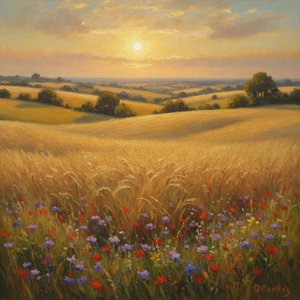
Golden Fields & Sun-Drenched Meadows: Capturing the Soul of Impressionist Landscapes
Immerse yourself in the luminous world of Impressionist landscapes. Discover how masters like Monet and Gauguin captured ephemeral light through plein air painting, and learn to bring the soul of sun-drenched meadows into your home with exquisite, hand-painted oil reproductions.

Capturing the Soul: The Most Emotionally Moving Impressionist and Post-Impressionist Masterpieces
Discover the profound emotional depth of Impressionist and Post-Impressionist masterpieces. Explore how legends like Monet, Van Gogh, and Gauguin captured light and soul through evocative landscapes and vibrant brushwork for a timeless connection to art history.