

 Önizle
 Gönder
 Paylaş
 Detaylar
 Rehber

 Dosyayı İndir
 Benzerleri
 X-Işını
 Slayt Gösterisi
 Q&A
Q&A İstatistikler
The Martigues

- 36.0 x 46.0 cm


A serene harbor scene blending Impressionism and Dadaism, this 1904 oil painting by Francis Picabia captures a tranquil blue and white seascape that invites you to bring a piece of art history into your home.
 Devamını Oku
Francis Picabia’nın eserlerinde gerçeküstücülük ve mekanik eleştiriler öne çıkıyor. Dadaizm ile Cubizmi birleştiren bu sanatçı, modern sanatın sınırlarını zorladı ve özgün bir tarz yarattı.
Giclée / Sanat Baskısı
Hızlı üretim ve esnek bitiş seçenekleriyle müze kalitesinde giclée veya kanvas baskı. ( El Yapımı Tablo Satın Al Dijital Görsel Satışına Geç)




P118B ₺10

P118H ₺10

P118W ₺10

P438Z ₺10

P508JH ₺12

P508YH ₺12

P805H ₺10

P805Z ₺10

P919BZ ₺10

P919G ₺10

P919XJ ₺10

P959ZH ₺10

P968JZ ₺12

W106C ₺8

W218G ₺10

W218JH ₺8

W218Y ₺10

W307PJ ₺10

W316G ₺10

W316PJ ₺8

W316Y ₺10

W398PJ ₺8

W4111J ₺10

W500HY ₺15

W500JH ₺15

W692G ₺12

W849H ₺8

W940BG ₺15

W953PJ ₺8




Standart Boyutlar
özel boyutlu
CM
INCH
Eserin orijinal oranlarıyla uyumlu, önceden belirlenmiş boyutlarımız arasından seçim yapın.
Loading sizes...

genişlik
yükseklik
Çerçevenize veya duvarınıza uygun olması için ihtiyacınız olan genişlik ve yüksekliği yazın. Bir baskı yalnızca kesilebilir, görselden daha büyük hale getirilemez; bu nedenle farklı bir formdaki boyut seçimi, görselin bir kısmının kaybına neden olur. Herhangi bir baskı yapmadan önce onaylamanız için size bir dijital taslak gönderiyoruz. Bu sayfada gösterilen resim gerçek kesimi göstermez — bunu yalnızca taslak gösterir.
Dünya Çapında Teslimat (); standart 4/5 hafta yerine 2 haftada. (31 Ekim)

Dünya Çapında Ücretsiz Ekspres Kargo

Yüksek Kaliteli Keten Tuval

Tam Nakliye Sigortası

Gümrük Vergisi İadesi Garantisi

Gerçek Renk Uyumu Garantisi

100 Günlük İade Koşulları (Sadece Üretim Hatalı Ürünler İçin)

%100 Para İade Garantisi

Toplu Alım Avantajı
 Cam seçeneği yalnızca 110 cm altındaki boyutlar için mevcuttur.

The Martigues
Giclée / Sanat Baskısı
Baskı Boyutu
-


Toplam Fiyat
₺ 3391
A Serene Voyage Through Light and Color
In the quietude of 1904, a young Francis Picabia captured a moment of profound stillness in his masterpiece, The Martigues. This evocative oil on canvas invites the viewer into a tranquil harbor scene, where the boundaries between water, sky, and shore seem to dissolve into a dreamlike haze. The composition is anchored by a large sailing vessel that rests upon the calm expanse of the sea, its presence balanced by the solitary figure of a man standing near a boat in the foreground. This human element provides a poignant sense of scale and a touch of narrative intimacy, suggesting a moment of quiet contemplation amidst the vastness of the coastal landscape. As the eye wanders toward the horizon, the soft silhouettes of trees and distant buildings emerge, lending a gentle depth to the scene that draws the observer deeper into this maritime sanctuary.
The technical brilliance of The Martigues lies in Picabia’s masterful ability to weave together the disparate threads of late 19th-century innovation. At first glance, the painting breathes with the luminous energy of Impressionism, utilizing a palette dominated by soothing blues and crisp whites to evoke the cool, refreshing atmosphere of a coastal morning. Yet, beneath this surface lies a more complex structural approach; the artist employs short, broken brushstrokes reminiscent of Pointillism, creating a textured, tactile surface that dances with light. Subtle hints of yellow-gold on the ship's rigging provide a warm, rhythmic contrast to the cool tones, while delicate traces of green in the vegetation add organic vitality. This experimental fusion of styles showcases an artist on the precipice of a revolution, blending the sensory delights of light and color with a burgeoning interest in more structured, modern forms.
The Dawn of an Avant-Garde Spirit
To behold The Martigues is to witness the early tremors of a cultural earthquake. While Picabia would later become a central provocateur of the Dada movement—a movement defined by its rejection of traditional aesthetics and its embrace of the absurd—this particular work captures him in a more lyrical, transitional phase. It serves as a beautiful bridge between the representational traditions of the past and the radical experimentation of the 20th century. The painting does not merely depict a harbor; it symbolizes the spirit of exploration and the fluidity of identity. The sailing ship, poised for movement yet resting in stillness, acts as a metaphor for the artist’s own restless journey through Cubism, Surrealism, and Dadaism.
For the discerning collector or interior designer, this reproduction offers more than just visual elegance; it provides a window into the soul of modern art history. The soft, diffused lighting and the absence of harsh shadows create an atmosphere of peace that is ideal for creating a sophisticated, calming sanctuary within a home or gallery space. Whether placed in a sunlit study or a contemporary living area, The Martelligues brings with it a sense of historical weight and artistic prestige. Owning a high-quality, hand-painted reproduction allows one to inhabit the same world of light and texture that Picabia inhabited over a century ago, making the profound legacy of the French avant-garde a tangible part of your personal environment.
Soru ve Cevaplar
Francis Picabia imzalı "The Martigues" hangi tarihi döneme aittir?
Francis Picabia imzalı "The Martigues", Modern dönemine aittir. Bu dönem, eserin tarihsel bağlamını sunmaktadır.
"The Martigues" bir mekana nasıl bir hava katardı?
Francis Picabia imzalı "The Martigues", Serene bir atmosfere sahiptir ve Hotel Room için önerilir. Ruh hali, eserin çevresindeki mekana kattığı duygudur.
Dadaism akımına ait olan "The Martigues" adlı eser hangi ülkeye aittir?
"The Martigues", Fransa doğumlu Francis Picabia tarafından Dadaism akımı içerisinde yaratılmıştır. Sanatçının kökeni, eseri Dadaism akımının Fransali sanatçılar tarafından uygulanan biçimine bağlamaktadır."


Sanatçı Biyografisi
A Life Forged in Avant-Garde Fire: The World of Francis Picabia
Francis Picabia, a name synonymous with the restless spirit of early 20th-century art, was more than just a painter; he was a provocateur, a poet, a typographer, and a relentless explorer of artistic boundaries. Born in Paris in 1879 to a French mother and a Cuban father steeped in diplomatic circles, Picabia’s life was marked by both privilege and a profound dissatisfaction with convention. This duality fueled his artistic journey, propelling him through Cubism, Dada, Surrealism, and beyond, leaving an indelible mark on the landscape of modern art. His early years were shadowed by tragedy – the loss of his mother to tuberculosis when he was just five – but also nurtured by a father who encouraged his burgeoning talent. Inheriting a substantial fortune allowed Picabia the freedom to dedicate himself entirely to artistic pursuits, a luxury that enabled him to relentlessly experiment and challenge established norms. He wasn’t merely interested in *what* art looked like; he questioned its very purpose and meaning.
From Impressionistic Beginnings to Cubist Revolution
Picabia's initial forays into the art world were rooted in the prevailing styles of the time, particularly Impressionism. He painted Parisian landscapes and riverbanks with a technical proficiency that nonetheless left him feeling unfulfilled. Critics found his work derivative, lacking originality, prompting a crucial turning point. This dissatisfaction spurred him to seek new avenues of expression, leading him towards the revolutionary ideas brewing within the Cubist movement around 1909. Joining the Puteaux Group – a collective including Marcel Duchamp and Guillaume Apollinaire – proved pivotal. He immersed himself in the deconstruction of form, the fragmentation of perspective, and the exploration of geometric abstraction. This period saw a significant shift in his aesthetic, moving away from representational accuracy towards a more conceptual approach to painting. His canvases began to pulse with a new energy, reflecting the intellectual ferment of the era. The influence of Duchamp was particularly strong, fostering a shared spirit of iconoclasm and a willingness to dismantle artistic traditions.
Dada’s Provocateur: Machines, Satire, and the Rejection of Reason
The outbreak of World War I served as a catalyst for Picabia's most radical phase – his embrace of Dadaism. Disgusted by the senseless violence and societal hypocrisy he witnessed, he rejected reason, logic, and traditional artistic values altogether. A move to New York in 1915 placed him at the heart of an emerging American Dada scene alongside Duchamp and Man Ray. It was here that Picabia truly honed his unique brand of Dadaist expression. He began creating a series of “machine drawings,” depicting fantastical mechanical contraptions – often imbued with sexual undertones – that served as biting critiques of modern society’s obsession with technology and industrialization. These works weren't simply depictions of machines; they were allegories for the dehumanizing forces at play in the world around him. His satirical wit, combined with a masterful command of line and form, made these drawings particularly potent. He published *The Little Review*, a Dadaist journal that further disseminated his provocative ideas and challenged conventional artistic norms. Universal Prostitution, a complex drawing created during this period, exemplifies his willingness to confront taboo subjects and dismantle societal expectations.
A Shifting Kaleidoscope: Surrealism and Beyond
Picabia’s artistic journey was characterized by constant evolution and a refusal to be pigeonholed. While deeply involved with Dada, he briefly flirted with Surrealism in the 1920s, exploring the realm of dreams and the subconscious. However, even this association proved temporary. He quickly grew disillusioned with what he perceived as the rigid dogma of the Surrealist movement, preferring to maintain his independence and continue charting his own course. Throughout the latter part of his career, Picabia continued to experiment with various styles and techniques, incorporating elements of figuration, abstraction, and even transparency into his work. His later paintings often featured biomorphic forms and a vibrant palette, reflecting a renewed interest in organic shapes and sensual textures. He remained a restless innovator until his death in 1953, leaving behind a body of work that continues to challenge and inspire artists today.
Legacy: A Pioneer of Modern Artistic Freedom
Francis Picabia’s influence on modern art is undeniable. His relentless experimentation, his rejection of convention, and his willingness to embrace contradiction paved the way for generations of artists who followed. He was a true pioneer of artistic freedom, demonstrating that art could be anything – a political statement, a philosophical inquiry, a personal expression, or simply a playful exploration of form and color. His work anticipated many of the key developments in 20th-century art, from Pop Art to Conceptualism. He challenged the very definition of what constituted “art,” forcing viewers to question their own assumptions and preconceptions. Today, Picabia’s paintings are celebrated for their intellectual rigor, their visual dynamism, and their enduring relevance. His legacy lies not only in his individual masterpieces but also in his unwavering commitment to artistic innovation and his refusal to be bound by the limitations of tradition.

Francis Picabia
1879 - 1953 , Fransa
Kısa Bilgiler
- Artistic Movement Or Style: Dadaizm ve Gerçeküstücülük
- Artists Or Movements Influenced By This Artist: ['Cubism']
- Artists Who Influenced This Artist:
- Marcel Duchamp
- Alfred Sisley
- Date Of Birth: 22 Ocak 1879
- Date Of Death: 30 Kasım 1953
- Full Name: Francis Picabia
- Nationality: Fransa
- Notable Artworks: ['Universal Prostitution']
- Place Of Birth: Paris, Fransa
İlgili Yazılar

Slate Blue Masterpieces: 10 Iconic Paintings & Timeless Home Decor Ideas
Immerse yourself in the captivating world of slate blue! Explore 10 iconic paintings by Monet, Van Gogh & Renoir. Discover their stories, techniques & find museum-quality art reproductions for your home at .

Pierre-Auguste Renoir'ın En İyi 25 Eseri: Işık ve Güzellik Sanatçısı | TopImpressionists
Pierre-Auguste Renoir'ın en ikonik 25 eserini keşfedin! İzlenimci stilin büyüsü, renkli tabloları ve unutulmaz portreleri ile sanatçının dünyasına adım atın. Ev dekorasyonunuz için lüks baskılar TopImpressionists'ta. Koleksiyonu şimdi keşfedin!
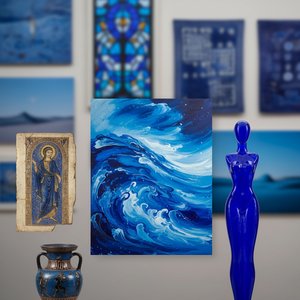
The Allure of Azure: Exploring the Symbolic & Aesthetic Depths of Blue in Art History
Explore the rich history of blue in art! Discover its symbolism, from ancient pigments to modern masterpieces by Kandinsky & Seurat. Uncover the psychological impact and cultural meanings behind this captivating hue.

White on Canvas: 10 Masterpieces & Timeless Elegance for Your Home Decor
Explore 10 iconic white paintings by Monet, Whistler & Rothko! Discover the stories behind these serene masterpieces and their impact on art history. Find museum-quality reproductions for your home decor at .

Claude Monet'nin En İyi 25 Eseri: İzlenimci Sanatın Büyülü Dünyası | TopImpressionists
Claude Monet'nin en iyi 25 eserini keşfedin! İzlenimci sanatın büyülü dünyasına dalın, her tablonun hikayesini öğrenin. Ev dekorasyonunuz için yüksek kaliteli sanat reproduksiyonları TopImpressionists'ta. Koleksiyonu şimdi keşfedin!