


 Önizle
 Gönder
 Paylaş
 Detaylar
 Rehber

 Dosyayı İndir
 Benzerleri
 X-Işını
 Slayt Gösterisi
 İstatistikler
Return from the Hunt
 Oil On Canvas
- WallArt
- Baroque
 1610
1610- Early Modern
 149.0 x 119.0 cm
 Národní Galerie
Frans Snyders’ "Return from the Hunt" (1610) is a dramatic Baroque masterpiece featuring opulent still life and hunting figures. Explore this stunning Flemish artwork and bring its rich textures home.
 Devamını Oku
Frans Snyders (1579-1657), Flaman Barok resminin önde gelen isimlerinden. Natürmortları, av sahneleri ve canlı pazar yaşamıyla tanınır. Rubens ile işbirliği yapmıştır! Sanatını keşfedin.
El Yapımı Yağlı Boya Reproduksiyon
Sanatçılarımız tarafından sipariş üzerine hazırlanan; istediğiniz boyut ve çerçevede, tuval üzerine el boyaması yağlı boya. ( Baskı Satışına Geç Dijital Görsel Satışına Geç)




P118B ₺10

P118H ₺10

P118W ₺10

P438Z ₺10

P508JH ₺12

P508YH ₺12

P805H ₺10

P805Z ₺10

P919BZ ₺10

P919G ₺10

P919XJ ₺10

P959ZH ₺10

P968JZ ₺12

W106C ₺8

W218G ₺10

W218JH ₺8

W218Y ₺10

W307PJ ₺10

W316G ₺10

W316PJ ₺8

W316Y ₺10

W398PJ ₺8

W4111J ₺10

W500HY ₺15

W500JH ₺15

W692G ₺12

W849H ₺8

W940BG ₺15

W953PJ ₺8




Standart Boyutlar
özel boyutlu
CM
INCH
Eserin orijinal oranlarıyla uyumlu, önceden belirlenmiş boyutlarımız arasından seçim yapın.
Loading sizes...

genişlik
yükseklik
Çerçevenize veya duvarınıza uygun olması için ihtiyacınız olan genişliği ve yüksekliği yazın. Bu eser el boyamasıdır; bu nedenle farklı bir formdaki boyutlar için sanatçı, resmin etrafına biraz daha fazla boya ekleyebilir veya biraz daha kırpabilir — seçim sizin. Boyama işlemi başlamadan önce onaylamanız için size bir dijital taslak gönderiyoruz. Bu sayfada gösterilen resim gerçek sonucu yansıtmamaktadır — gerçek sonucu yalnızca taslak göstermektedir.
Değiştirilebilecek örneklere dair: Yüzün müşteri fotoğrafıyla değiştirilmesi; Evcil hayvan eklenmesi (örneğin kedinin köpek ile değiştirilmesi); Arka plana gizli bir mesaj dahil edilmesi; Arka plan manzarasının veya öğelerinin değiştirilmesi.
Siparişten sonra, TopImpressionists.com ekibi talimatlar için müşteriye e-posta gönderecek ve bir taslak önizleme sunacaktır
Siparişten sonra, TopImpressionists.com ekibi talimatlar için müşteriye e-posta gönderecek ve bir taslak önizleme sunacaktır
Dünya Çapında Teslimat (); standart 5 hafta yerine 3/4 haftada. (25 Ekim). Kaliteden ödün verilmez.

Dünya Çapında Ücretsiz Ekspres Kargo

Yüksek Kaliteli Keten Tuval

Tam Nakliye Sigortası

Gümrük Vergisi İadesi Garantisi

Gerçek Renk Uyumu Garantisi

100 Günlük İade Koşulları (Sadece Üretim Hatalı Ürünler İçin)

%100 Para İade Garantisi

Toplu Alım Avantajı
 Cam seçeneği yalnızca 110 cm altındaki boyutlar için mevcuttur.

Return from the Hunt
Baskı Tekniği
Baskı Boyutu
-


Toplam Fiyat
₺ 13157
A Symphony of Texture and Myth
In the heart of the Flemish Baroque era, around 1610, Frans Snyders breathed life into a canvas that transcends mere depiction to become a profound sensory experience. Return from the Hunt is not simply a painting; it is a vibrant tableau teeming with the pulse of the natural world and the grandeur of classical legend. As the viewer approaches this masterpiece, they are immediately enveloped by a scene bathed in diffused, ethereal light, capturing that fleeting, breathless moment of repose following a successful pursuit. Snyders, a master who elevated still life into a realm of dramatic expression, meticulously renders a forest floor so richly textured it feels almost palpable, inviting the eye to wander through a landscape where every leaf and shadow tells a story of vitality and grace.
At the center of this mythological drama lies a captivating arrangement of figures. The composition is masterfully structured in a triangular formation, providing a sense of classical stability and visual harmony that guides the gaze upward toward the apex. Here, we encounter Diana, the Roman goddess of the hunt, reclining with a regal authority that commands the space. She is accompanied by three nymphs, whose presence embodies an idealized feminine beauty and innocence. This arrangement does more than just organize the canvas; it creates a sacred geometry that mirrors the divine order of the heavens, making the scene feel both grounded in the earth and elevated by the sublime.
The Mastery of Light and Substance
To behold a Snyders original is to witness the pinnacle of 17th-century technique. Utilizing oil paint on canvas, the artist achieved an unparalleled tonal range that allows for the subtle interplay of light and shadow, known as chiaroscuro. This technique creates an illusionistic depth, pulling the observer into the very thickets of the forest. Snyders was particularly renowned for his use of impasto, applying thick, deliberate layers of pigment to create surfaces that possess a physical immediacy. Whether it is the soft sheen on a nymph's skin or the rugged, coarse texture of the forest floor and the animals brought from the chase, the paint itself becomes a medium of tactile sensation.
This technical brilliance serves a higher purpose: the celebration of abundance. Snyders’ work often reflects the opulent tastes of the Antwerp aristocracy, where the depiction of nature's bounty was a symbol of prestige and prosperity. The presence of animals—the hare, the birds, and the dogs—serves as a testament to the artist's skill as an animalier, capturing the raw, unbridled energy of life. For the collector or interior designer, this painting offers more than just aesthetic beauty; it provides a focal point of immense character, capable of anchoring a room with its historical weight and dramatic intensity.
A Timeless Legacy for the Modern Collector
Beyond the technical prowess, Return from the Hunt resonates on an emotional level that remains potent centuries later. It grapples with the complex themes of beauty, mortality, and the eternal cycle of nature. The juxtaposition of the graceful, immortal goddesses with the tangible, earthly reality of the hunt creates a poignant tension between the divine and the mortal. This duality makes the artwork an extraordinary piece for contemplation, offering a window into a world where myth and reality are inextricably linked.
For those seeking to infuse their living spaces with the dramatic grandeur of the Baroque period, a high-quality reproduction of this work offers an unparalleled opportunity. It brings with it the spirit of the Flemish masters—a sense of movement, a richness of color, and a profound connection to classical heritage. Whether placed in a grand gallery or a sophisticated contemporary study, Snyders’ vision continues to inspire awe, serving as a timeless reminder of the beauty found in the intersection of nature's wildness and humanity's most elegant myths.
Soru ve Cevaplar
Frans Snijders imzalı "Return from the Hunt" eserinin dijital dosyasını nasıl temin edebilirim?
Frans Snijders imzalı "Return from the Hunt" eserinin dijital görüntüsünü Dijital Görsel sayfasından satın alabilirsiniz: yüksek çözünürlüklü dijital görüntü indirme.
Frans Snijders imzalı "Return from the Hunt" eserinin renkleri canlı mı yoksa mat mı?
"Return from the Hunt" eserinin renk paleti, Subtle Color düzeyinde bir doygunluğa sahiptir.
Frans Snijders imzalı "Return from the Hunt" eserinin algılanan parlaklığı nedir?
Algılanan parlaklık açısından, Frans Snijders imzalı "Return from the Hunt", deep_shadow düzeyindedir.
Sanatçı Biyografisi
Flaman Barok Sanatının Usta Dokunuşu: Frans Snyders’ın Hayatı ve Eserleri
Frans Snyders, 1579 yılında Antwerpen'de doğmuş, Flaman Barok resminin kendine özgü ve canlı bir nişini işgal etmiştir. Rubens ve Van Dyck gibi isimler dönemin tartışmalarına hakim olsa da, Snyders’ın katkısı – natürmort, hayvan resimleri ve hareketli pazar sahnelerinde göz kamaştırıcı uzmanlaşması – hiç de azımsanamazdı. O sadece nesneleri tasvir etmekle kalmıyor; bolluğu kutluyor, dokuyu yüceltiyor ve dünyevi zevkin geçici anını yakalıyordu. Babası Jan Snijders, sanatçılarla dolu popüler bir şaraphanenin işletmecisiydi ve bu durum genç Frans’ı erken yaşlardan itibaren yaratıcı bir enerji dünyasına soktu. Bu ortamın sanatsal eğilimlerini kesinlikle teşvik ettiği açıktır; hatta ünlü ressam Frans Floris'in bir zamanlar o duvarların içinde servetini çarçur ettiği söylenir – Snyders’ın yetiştirilmesinin canlı atmosferine dair renkli bir anekdot. Başlangıçta Pieter Brueghel the Younger ile kompozisyon ve detay dersleri alarak eğitimine başladı, ardından Anthony van Dyck'in de mentorluk yaptığı Hendrick van Balen altında becerilerini geliştirdi. Bu sağlam temel, 1602 yılında Aziz Luke Antwerpen Loncası’na üye olarak kabul edilmesini sağlayarak verimli kariyerinin resmi başlangıcını işaretledi.İşbirliği ve Yenilik: Snyders’ın Sanatsal Gelişimi
Snyders'ın sanatsal yolculuğu yalnız bir arayış değildi; işbirliği pratiğinin merkezindeydi. Hızla dönemin önde gelen sanatçıları için aranılan bir ortak haline geldi, özellikle Peter Paul Rubens ile olan ilişkisi son derece verimli oldu. Snyders, sık sık Rubens’ın görkemli kompozisyonlarındaki hayvan ve natürmort unsurlarını resmetmekle görevlendirildi. İspanya'daki Torre de la Parada av köşkü, onların birleşik dehasının bir kanıtıdır – Snyders, Rubens’ın tasarımlarına dayanarak altmıştan fazla hayvan resmi çizdi. Bu ortaklık sadece komisyonları yerine getirmekle ilgili değildi; fikirlerin dinamik bir alışverişiydi ve her iki sanatçıyı da yeni teknik ve ifade seviyelerine itiyordu. Rubens'in yanı sıra Anthony van Dyck, Jacob Jordaens ve Abraham Janssens ile de işbirliği yaparak çok yönlülüğünü ve uyum yeteneğini gösterdi. Ancak o sadece bu ustaların bir aksesuarı değildi. Dinamik kompozisyonlar, dokuların – meyvenin parlaklığından vahşi hayvanların kaba derisine kadar– ustaca yorumlanması ve konularına hayat veren canlı bir gerçekçilik duygusu ile karakterize kendine özgü bir tarz öncülüğünü yaptı. Esasen bağımsız hayvan natürmort türünü icat etti, geleneksel av ganimet tasvirlerinin ötesine geçerek doğal dünyanın içsel güzelliğini ve canlılığını keşfetti.Gözler İçin Bir Şölen: Temalar ve Teknikler
Snyders’ın eserlerindeki temel temalar dünyevi zevkler etrafında dönüyor – pazarın bolluğu, avlanmanın heyecanı, iyi stoklanmış bir kilerdeki basit zarafet. Pazar sahneleri özellikle büyüleyici; figürlerle dolu, taşan sepetlerle ve neredeyse elle tutulabilir bir enerjiyle doluyorlar. Yiyecek üretiminin gerçeklerinden çekinmiyor; kusursuz meyve ve sebelerin yanı sıra, izleyicileri yaşam döngüsü ve geçim kaynaklarını hatırlatan kesilmiş kümes hayvanları veya taze yakalanmış balıklar da bulabilirsiniz. Natürmortları statik düzenlemeler değil, etkileşime girmeye davet eden dinamik görüntülerdir. Snyders, ışığı ve gölgeyi olağanüstü bir şekilde yakalama yeteneğine sahipti; bu da konularına neredeyse somut bir derinlik ve hacim kazandırıyordu. Özellikle kürk ve tüyleri işlerken gevşek, resmî bir fırça darbesi kullandı ve sanatsal ifadesinden ödün vermeden olağanüstü bir gerçekçilik seviyesine ulaştı. Örneğin The Pantry, bu tekniğin çarpıcı bir örneği – dramatik ışıkla yıkanmış kaotik ama uyumlu bir yiyecek ve mutfak eşyası düzenlemesi. Sanatçının detaya verdiği özen titizdir, ancak asla aşırı derecede ayrıntılı hissettirmez; bunun yerine genel bolluk ve canlılık duygusuna katkıda bulunur.Miras ve Kalıcı Etkisi
Frans Snyders’ın natürmort ve hayvan resminin gelişimine etkisi, kendi yaşamının ötesine uzanır. Bu türlerde yeni bir gerçekçilik ve dinamizm standardı belirledi, sonraki nesillerin sanatçılarını etkiledi. Eserleri, Jean-Baptiste Oudry ve François Desportes gibi daha sonraki ustaların yolunu açtı; onlar da hayvan portre sanatını geliştirdiler. Snyders’ın etkisi aynı zamanda Hollanda Altın Çağı natürmort geleneğinde de görülebilir; burada Willem Claeszoon Heda ve Pieter Claesz gibi sanatçılar benzer şekilde doku, ışık ve kompozisyona odaklandılar. O sadece yetenekli bir teknisyen değil, aynı zamanda doğal dünyanın dikkatli bir gözlemcisiydi; güzelliğini ve karmaşıklığını olağanüstü duyarlılıkla yakaladı. Resimleri bugün de izleyicileri büyülemeye devam ediyor, 17. yüzyıl Antwerpen'inin canlı sanatsal manzarasının bir görüntüsünü sunuyor ve sanatın yaşamın basit zevklerini kutlama gücünü hatırlatıyor. Ölümünden sonra Matthijs Musson tarafından satın alınan geniş koleksiyonu, mirasının yüzyıllar boyunca sanatçıları ilham vermeye devam etmesini sağladı.
Frans Snijders
1579 - 1657 , Belçika
Kısa Bilgiler
- Doğum Tarihi: 1579
- Doğum Yeri: Antwerp, Belçika
- Etkilediği Sanatçılar:
- Jean-Baptiste Oudry
- François Desportes
- Kendisini Etkileyenler:
- Pieter Brueghel II
- Hendrick van Balen
- Sanatsal Akım: Barok
- Tam Adı: Frans Snyders
- Uyruğu: Flaman
- Ölüm Tarihi: 1657
- Önemli Eserleri:
- The Pantry
- Market Scenes
- Hunting Scenes
İlgili Yazılar

The Visceral Stage: Exploring Dramatic Narratives & Emotional Intensity in Baroque Art
Explore the dramatic world of Baroque art! Discover iconic masters like Caravaggio & Rembrandt, their techniques, and the movement's lasting impact. Expert insights for collectors & enthusiasts at TopImpressionists.
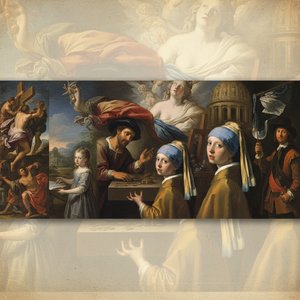
Barok Sanatın Zirveleri: Evinizi Büyüleyecek 10 Eser ve Hikayeleri
Barok sanatın en etkileyici 10 başyapıtını keşfedin! Caravaggio, Rembrandt ve daha fazlasının eserleriyle evinizi dönüştürün. Sanat tarihi, renkler ve duygularla dolu bu yolculukta TopImpressionists.com'da müze kalitesinde replikalar bulun. Koleksiyonu çevrimiçi inceleyin!

Barok Draması: Çağdaş İç Mekanlara Görkem ve Duygu Katmak
Barok sanatının görkemini evinize taşıyın! TopImpressionists'ta el yapımı tablolar, uzman sanat danışmanlığı ve özel siparişlerle iç mekanlarınıza zarafet katıyoruz. Chiaroscuro tekniğiyle hayat bulan eserlerimizi keşfedin.

The Dramatic Flourish: Exploring the Baroque Movement's Enduring Legacy in Art History
Explore the dramatic world of Baroque art! Discover iconic artists like Caravaggio & Rubens, defining techniques, and its lasting impact on art history. Expert insights for collectors & enthusiasts at TopImpressionists.

Mastering Drama and Light: A Definitive Guide to the Flemish Baroque Art Movement
Explore the dramatic brilliance of the Flemish Baroque movement. Discover how masters like Peter Paul Rubens utilized chiaroscuro and dynamic composition to redefine art history through light, shadow, and unparalleled emotion.
Temalara, stillere ve özelliklere göre gruplandırılmış sanat eserlerini keşfedin.
