

 Önizle
 Gönder
 Paylaş
 Detaylar
 Rehber

 Dosyayı İndir
 Benzerleri
 X-Işını
 Slayt Gösterisi
 Q&A
Q&A İstatistikler
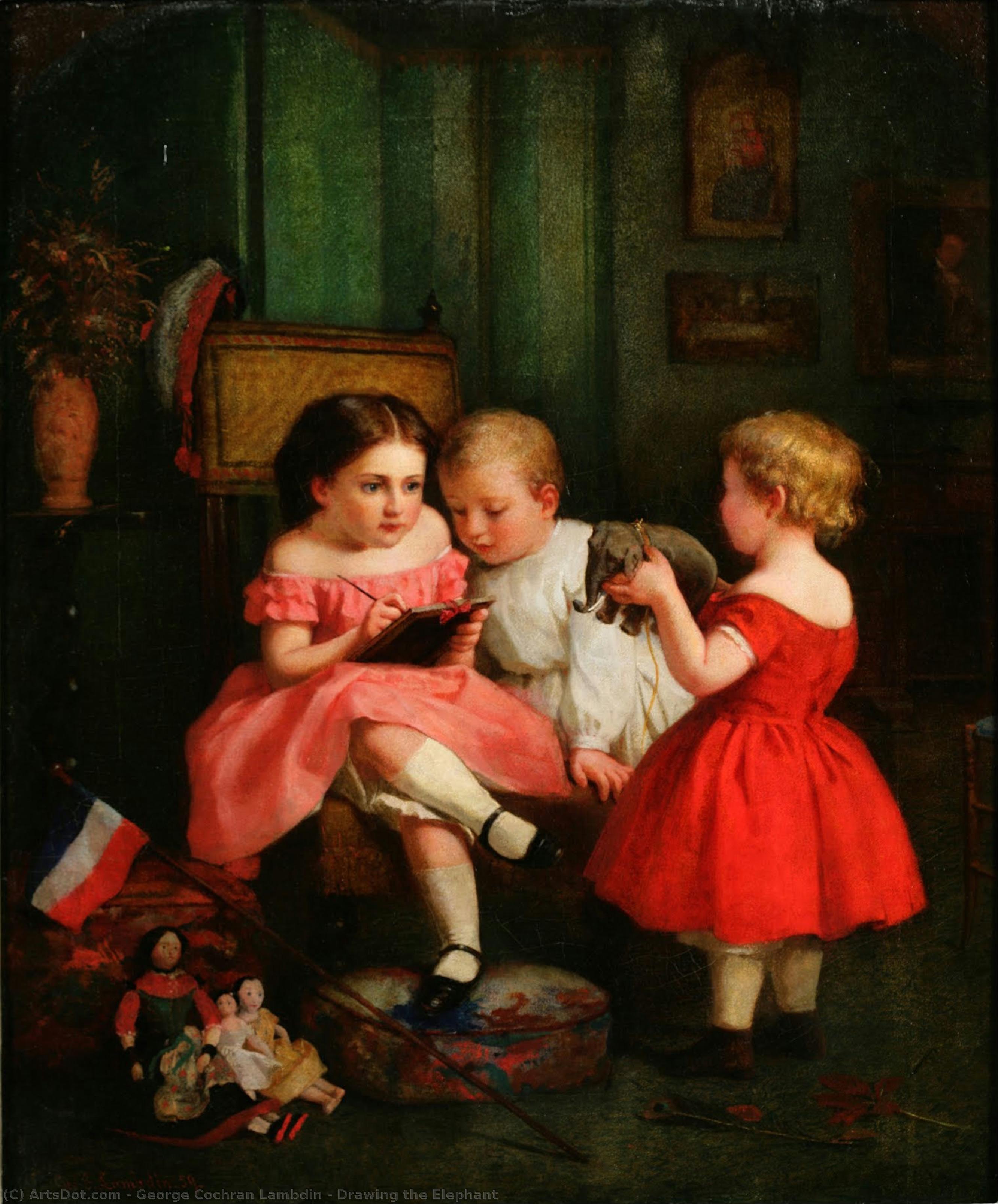
Drawing the Elephant

 Devamını Oku
George Cochran Lambdin (1830-1896) was an American Victorian artist renowned for his flower paintings, especially roses. He also created Civil War genre scenes & domestic life depictions. His work was widely reproduced as chromolithographs.
Web önizlemesinin çok ötesinde, baskıya hazır bir dosya edinin. Sattığımız her dijital görüntü, stok veri tabanımızdaki yüksek çözünürlüklü bir ana dosyadan —genellikle 5.000 ila 15.000 piksel genişliğinde— gelir; böylece büyük boyutlarda baskı alabilir, dar kırpmalar yapabilir veya ince detayları güvenle yeniden üretebilirsiniz.
Stüdyomuzdan çıkan hiçbir dosya dokunulmadan çıkmaz. Bir dijital uzman, renkleri orijinal tabloyla karşılaştırarak kontrol eder ve gerekirse düzeltir; ardından profesyonel rötuş araçlarıyla netliği ve detayları artırır — bunu yaparken her zaman sanatçının fırça darbelerine ve üslubuna sadık kalır. Sonuç, filtrelenmiş bir tarama gibi değil, bizzat tablonun kendisi gibi görünen bir görüntüdür.
İşlem tamamlanmadan önce onay verirsiniz: Uzmanımız, incelemeniz için görseli 72 saat içinde e-posta yoluyla gönderir. Memnun kalmadınız mı? İyileştirme veya düzeltme talep edebilir ya da kalite beklentinizin altında kalırsa iade isteyebilirsiniz.
Yayıncıların, tasarım stüdyolarının, galerilerin ve matbaaların güvendiği kalite budur.
Dijital Görsel
Kişisel kullanım, baskı ve yaratıcı projeleriniz için yüksek çözünürlüklü bir dosya indirin. ( Baskı Satışına Geç El Yapımı Tablo Satın Al)
Her Dijital Görüntü Siparişine Dahil Olanlar
Profesyonel Dijital Teslimat Garantisi
TopImpressionists.com seçtiğinizde, sadece bir görsel edinmekle kalmaz; titizlikle hazırlanmış, profesyonelce iyileştirilmiş dijital bir sanat eserine sahip olur ve memnuniyet garantisiyle güvence altına alınırsınız. Siparişinizle birlikte otomatik olarak sunulan her şey şunlardır:

Hızlı E-posta ile Teslimat
Yüksek çözünürlüklü dijital görüntü dosyanız, siparişinizin ardından en geç 72 saat içinde e-posta ile size gönderilecek ve hemen kullanıma hazır olacaktır.

Yapay Zeka Destekli Dijital Dosya
Sanat eseriniz; maksimum detay, netlik ve renk doğruluğu sağlamak amacıyla gelişmiş yapay zeka araçları ve manuel düzenleme kullanılarak profesyonelce optimize edilmektedir.

Ömür Boyu Ücretsiz Yeniden Gönderim
Dosyanızı yanlışlıkla mı sildiniz yoksa kayıp mı oldu? Endişelenmeyin; dosyanızı dilediğiniz zaman size ücretsiz olarak tekrar göndereceğiz.

Asla İthalat Ücreti Ödemeyin
Sanat eserinizin tadını gümrük vergisi, harç veya teslimat ücreti ödemeden anında çıkarın; dijital indirmeler her zaman vergiden muaftır.

Renk Doğruluğu Garantisi
Profesyonel araçlar ve renk yönetimi kullanarak dijital görselinizin orijinal renklere mümkün olduğunca yakın yansıtılmasını sağlıyoruz.

100 Günlük Memnuniyet Garantisi
If you're not satisfied with your digital image, we'll revise it or refund 100% within 100 days - no questions asked.

100% Para İadesi Garantisi
Memnun kalmadınız mı? Dijital dosyanızı teslim aldıktan sonraki 100 gün içinde, hiçbir soru sorulmaksızın tam para iadesi alabilirsiniz.

Toplu Sipariş İndirimleri
Buy 3 images, save 10% - Buy 5, save 15% - Buy 10+, save 20%. Great for creative projects, galleries, and agencies.
From 1855-1857, Lambdin studied art in Paris and Munich. Upon returning to Philadelphia he specialized in painting scenes of childhood life.
Soru ve Cevaplar
George Cochran Lambdin imzalı "Drawing the Elephant" eserinin yapım tarihi nedir?
"Drawing the Elephant", 1859 yılına tarihlenmektedir. Bu tarih, eseri George Cochran Lambdin kariyerinin ve dönemin içerisine yerleştirmektedir.
George Cochran Lambdin imzalı "Drawing the Elephant" ne düzeyde bir kontrasta sahip?
George Cochran Lambdin imzalı "Drawing the Elephant" eserinin kontrast seviyesi Balanced'dır.
"Drawing the Elephant" eserinin ön izlemesini nerede görebilirim?
George Cochran Lambdin imzalı "Drawing the Elephant" eserinin bir ön izlemesi, eserin Önizleme sayfasında mevcuttur.
Sanatçı Biyografisi
A Florist's Vision of Victorian America
George Cochran Lambdin (1830-1896) stands as a singular figure in American art history—a painter who dedicated his artistic life to capturing the exquisite beauty of flowers, specifically roses, during the Victorian era. Born in Pittsburgh, Pennsylvania, Lambdin’s artistic journey began under the tutelage of his father, James Reid Lambdin, a celebrated portraitist whose influence undoubtedly shaped George's early sensibilities towards meticulous observation and skillful representation. Studying at the Pennsylvania Academy of Fine Arts in Philadelphia solidified his technical foundation, allowing him to hone his craft amidst a burgeoning artistic community. His early years were marked by a transition from the shadows of his father's prestigious legacy into a distinct voice that would eventually find its most profound expression in the delicate petals of botanical subjects.
Lambdin’s career unfolded against the backdrop of the American Civil War, a period that introduced a more somber and humanistic dimension to his repertoire. Recognizing the need for morale-boosting imagery amongst Union soldiers, he volunteered with the United Sentary Commission and skillfully documented camp life—scenes rendered with remarkable detail and sensitivity—often featuring depictions of soldiers interacting with their surroundings. These works weren't merely aesthetically pleasing; they served as tangible reminders of home and offered solace to those serving on the front lines. His artistic output during this era reflected a profound empathy for the human condition, mirroring the broader Victorian preoccupation with moral responsibility and social reform, as he moved between capturing grander genre scenes of women and children and the gritty realities of wartime domesticity.
The Mastery of Botanical Elegance
Despite facing health challenges in his later years, Lambdin persevered in his passion for floral painting, establishing himself in Germantown, Philadelphia. This period witnessed an astonishing transformation—Lambdin transitioned from capturing grand portraits and genre scenes to immersing himself in the subtle nuances of botanical art. He meticulously studied flower specimens, employing techniques honed by generations of artists before him, yet injecting them with a distinctly Victorian aesthetic. The resulting paintings are characterized by luminous color palettes and textured surfaces that breathe life into every bloom.
His later works, particularly his celebrated studies of roses, represent the pinnacle of his technical achievement. In these compositions, Lambdin achieved a sense of trompe l'oeil realism, where the velvety texture of a petal or the dewdrop clinging to a stem feels almost tactile. This dedication to the botanical world was likely inspired by Philadelphia itself, which at the time was affectionately known as the "City of Flowers." Through his brush, the ephemeral beauty of nature was granted a sense of permanence, turning simple floral arrangements into profound meditations on life, fragility, and the enduring grace of the natural world.
Legacy and Artistic Significance
The historical significance of George Cochran Lambdin lies in his ability to bridge the gap between the formal traditions of 19th-century portraiture and the intimate, decorative beauty of botanical still life. His work was not only celebrated in prestigious institutions like the National Academy of Design but also reached a much wider audience through reproduction. His paintings were widely reproduced as chromolithographs, allowing his vibrant floral visions to enter the homes of many, becoming part of the very fabric of Victorian domestic decor.
Today, Lambdin is remembered not just as a skilled technician, but as an artist who captured the soul of an era. His contributions can be summarized through several key artistic milestones:
- Technical Foundation: Mastery of light and texture developed through early training under his father and studies in Europe, including Munich.
- Versatility of Subject: A unique progression from Civil War genre scenes and portraiture to highly specialized botanical excellence.
- Cultural Impact: The widespread dissemination of his floral imagery via chromolithography, influencing American aesthetic tastes.
- Historical Documentation: His sensitive portrayal of camp life and domesticity during the American Civil War.
In the annals of American art, Lambdin remains a master of the delicate and the profound, leaving behind a legacy of luminous color and a timeless appreciation for the quiet splendor of the natural world.

George Cochran Lambdin
1830 - 1896 , United States of America
Kısa Bilgiler
- Artistic Movement Or Style: Victorian; Botanical and Genre painting
- Artists Who Influenced This Artist: ['James Reid Lambdin']
- Full Name: George Cochran Lambdin
- Nationality: American
- Place Of Birth: Pittsburgh, United States of America
- Date Of Birth: 1830
- Date Of Death: 1896