


 Önizle
 Gönder
 Paylaş
 Detaylar
 Rehber

 Dosyayı İndir
 Benzerleri
 X-Işını
 Slayt Gösterisi
 İstatistikler
The Minotaur
 Acrylic On Canvas
- WallArt
- Symbolist Movement
 1885
1885 94.0 x 118.0 cm
 Tate Britain
George Frederic Watts’ haunting ‘The Minotaur’ captures the myth's brutality & despair. Inspired by child prostitution, it depicts the creature’s longing, a powerful symbol of primal instincts and suffering.
 Devamını Oku
George Frederic Watts'ın (1817-1904) Sembolist sanatını keşfedin. 'Umut' gibi alegorik tabloları ve freskleriyle tanınan Watts, klasik temaları Viktorya estetiğiyle birleştirdi. Başyapıtlarını TopImpressionists'da bulun.
Giclée / Sanat Baskısı
Hızlı üretim ve esnek bitiş seçenekleriyle müze kalitesinde giclée veya kanvas baskı. ( El Yapımı Tablo Satın Al Dijital Görsel Satışına Geç)




P118B $10

P118H $10

P118W $10

P438Z $10

P508JH $12

P508YH $12

P805H $10

P805Z $10

P919BZ $10

P919G $10

P919XJ $10

P959ZH $10

P968JZ $12

W106C $8

W218G $10

W218JH $8

W218Y $10

W307PJ $10

W316G $10

W316PJ $8

W316Y $10

W398PJ $8

W4111J $10

W500HY $15

W500JH $15

W692G $12

W849H $8

W940BG $15

W953PJ $8




Standart Boyutlar
özel boyutlu
CM
INCH
Eserin orijinal oranlarıyla uyumlu, önceden belirlenmiş boyutlarımız arasından seçim yapın.
Loading sizes...

genişlik
yükseklik
Belirli bir çerçeveye veya alana uyması için kendi ölçülerinizi girebilirsiniz. Seçtiğiniz boyut orijinal görüntünün oranlarıyla eşleşmiyorsa, sanat eserini kırpacağız veya görüntüyü aynalanmış ya da düz dolgulu bir kenarlıkla genişleteceğiz. Üretim başlamadan önce onayınız için bir dijital taslak gönderilecektir.
Lütfen ekrandaki önizlemenin gerçek kırpma veya genişletmeyi yansıtmadığını unutmayın. Nihai kompozisyonu yalnızca taslak doğru bir şekilde gösterecektir.
Özel boyutlar mevcut olsa da, orijinal oranları korumak için önceden tanımlanmış listeden bir boyut seçmenizi öneririz.
Dünya Çapında Teslimat (); standart 4/5 hafta yerine 2 haftada. (25 Eylül)

Dünya Çapında Ücretsiz Ekspres Kargo

Yüksek Kaliteli Keten Tuval

Tam Nakliye Sigortası

Gümrük Vergisi İadesi Garantisi

Gerçek Renk Uyumu Garantisi

100 Günlük İade Koşulları (Sadece Üretim Hatalı Ürünler İçin)

%100 Para İade Garantisi

Toplu Alım Avantajı
 Cam seçeneği yalnızca 110 cm altındaki boyutlar için mevcuttur.

The Minotaur
Giclée / Sanat Baskısı
Baskı Boyutu
-


Toplam Fiyat
$ 69
The Haunting Echoes of Myth: George Frederic Watts’ “The Minotaur”
George Frederic Watts' "The Minotaur," painted in 1885, isn’t merely a depiction of a monstrous figure from Greek mythology; it’s a profound meditation on primal instincts, the burden of violence, and the tragic consequences of unchecked desire. This oil-on-canvas masterpiece transcends its mythological roots to become a powerfully emotive exploration of the human condition, resonating with viewers even today.
Watts, a prominent figure in the Symbolist movement, rejected the academic conventions of his time, prioritizing emotional intensity and symbolic representation over realistic portrayal. He sought to capture not just what he saw, but what he *felt*, drawing heavily on classical literature – particularly Homer’s *Iliad* – as well as contemporary social anxieties. “The Minotaur” emerged during a period of intense moral debate surrounding the exploitation of women and children, fueled by investigative journalism exposing the horrors of prostitution in Victorian London. This context is crucial to understanding the painting's unsettling power.
A Study in Contrasts: Form and Emotion
The composition immediately commands attention. The Minotaur dominates the foreground, his massive form rendered with a deliberate roughness – not polished or idealized, but imbued with a palpable sense of brute strength and suppressed rage. His head, a grotesque fusion of human and bull, is turned away from the viewer, creating an unsettling sense of detachment and isolation. The artist masterfully employs *profil perdu*, a technique where only part of the figure’s face is visible, intensifying the creature's enigmatic nature.
Notice the stark contrast between the Minotaur’s powerful physicality and the delicate detail lavished upon the small bird crushed beneath his fist. This seemingly insignificant element serves as a potent symbol – representing innocence, vulnerability, and ultimately, destruction. The bird, likely intended to evoke the image of a young maiden, is brutally silenced by the Minotaur's overwhelming force, highlighting the devastating consequences of unchecked aggression.
The Labyrinth of Interpretation: Symbolism and Context
Watts’ choice to depict the Minotaur gazing out towards the sea is particularly evocative. The vast expanse of water suggests a longing for escape, perhaps even a yearning for redemption – an impossible desire given the creature's monstrous nature. The reference to the Athenian tribute—the ritual sacrifice of young people—directly connects the painting to Stead’s exposé and the broader social anxieties of the era. It’s a chilling reminder of the dark undercurrents beneath Victorian society, where beauty and innocence were often corrupted by greed and exploitation.
The myth itself offers layers of interpretation. The Minotaur represents not just brute force, but also the primal instincts that lie dormant within all humanity – the capacity for violence, jealousy, and self-destruction. Watts doesn’t shy away from these darker aspects of human nature, presenting them with unflinching honesty.
A Timeless Masterpiece: Technique and Legacy
Technically, “The Minotaur” is a remarkable achievement. Watts employed a loose, expressive brushstroke, creating a sense of movement and dynamism within the composition. The colors are rich and saturated, contributing to the painting’s dramatic intensity. He deliberately avoided smooth surfaces, opting for a textured effect that emphasizes the physicality of the subject.
Despite its unsettling subject matter, “The Minotaur” remains one of Watts' most celebrated works, admired for its emotional depth, symbolic complexity, and masterful execution. It continues to provoke thought and discussion, serving as a powerful reminder of the enduring relevance of myth and the complexities of human nature. Reproductions of this haunting image offer a captivating glimpse into the Victorian era’s anxieties and Watts’ profound artistic vision.
Sanatçı Biyografisi
erken yaşam ve eğitim
george frederic watts, sembolist akımın en seçkin figürlerinden biri olarak, 23 Şubat 1817'de Londra'nın Marylebone semtinde dünyaya geldi. Hassas bir sağlık durumuyla geçen çocukluk yılları, genç yaşta annesini kaybetmesinin derin hüznüyle gölgelenmişti. Bir piyano yapımcısı olan Watts'ın babası, ona muhafazakar bir Hristiyan eğitimi vermiş ve İlyada da dahil olmak üzere klasik eserlerle tanışmasını sağlamıştı. Bu klasik miras, sanatçının üslubunun ileride sarsılmaz bir temel taşı haline gelecekti.kariyer
Watts, sanatsal yolculuğuna henüz 10 yaşındaydan, William Behnes'in yanında heykel öğrenerek başladı. 18 yaşına geldiğinde ise Royal Academy Schools bünyesine öğrenci olarak kabul edildi. 1837 yılında akademide gerçekleştirdiği ilk sergisi, onun üretken kariyerinin görkemli başlangıcını müjdeledi.- Yeni Parlamento Binası için duvar resimleri tasarımı yarışmasına sunduğu Caractacus adlı çizimi, 1843 yılında Watts'a birincilik ödülü kazandırdı.
- İtalya seyahatleri (1843-1847) ve İngiliz büyükelçi Henry Fox ile olan dostluğu, sanatçının üslubuna derinlik kattı; bu etkiler, 1848'de sergilenen Lady Holland portresinde açıkça görülmektedir.
- Watts'ın Britanya'ya dönüşü, Parlamento Binası için bir fresk siparişi almasını sağladı ve sanatçı bu eseri 1848 ile 1853 yılları arasında tamamladı.
sembolist şaheserler
Watts'ın en unutulmaz eserleri arasında şunlar yer alır:- "Hayat Evi" (House of Life) adlı epik sembolik döngünün bir parçası olarak tasarlanan Hope (Umut) ve Love and Life (Aşk ve Hayat).
- 1852-53 yıllarında tamamlanan ve alegorik konulardaki ustalığını sergileyen The Triumph of the Red Cross Knight (Kızıl Haç Şövalyesi'nin Zaferi).
- 1864 yılında resmettiği aktris Ellen Terry portresi, sanatçının öznelerinin ruhunu yakalama yeteneğinin en zarif örneklerinden biridir.
miras
Watts'ın sanat dünyası üzerindeki etkisi yadsınamaz bir gerçektir. Sembolist akım ile olan bağı, renk ve formu kullanmadaki yenilikçi yaklaşımı, onu İngiliz sanat tarihinin en sevilen isimlerinden biri haline getirmiştir. George Frederic Watts'ın eserlerini TopImpressionists.com üzerinden inceleyinWatts'ın eserlerine ev sahipliği yapan müzeler
- Lincoln's Inn; sanatçının Justice, a Hemicircle of Lawgivers adlı freski burada sergilenmektedir.
- Birleşik Krallık, Guildford'da bulunan ve Watts'ın eserlerini ve diğer sanatçıların mirasını korumaya adanmış Watts Gallery – Artists' Village.

George Frederic Watts
1817 - 1904
Kısa Bilgiler
- Artistic Movement Or Style: Sembolist
- Artists Or Movements Influenced By This Artist:
- Romantizm
- Pre-Raphaelites
- Artists Who Influenced This Artist:
- William Behnes
- Henry Fox
- Date Of Birth: 23 Şubat 1817
- Date Of Death: 1 Temmuz 1904
- Full Name: George Frederic Watts
- Nationality: İngiliz
- Notable Artworks:
- Umut
- Aşk ve Yaşam
- Kızıl Haç Şövalyesi'nin Zaferi
- Place Of Birth: Marylebone, Birleşik Krallık
İlgili Yazılar

George Frederic Watts: Symbolism, Spirituality & Victorian Ideal Beauty
Explore the captivating Symbolist art of George Frederic Watts. Discover his allegorical masterpieces, classical influences & spiritual themes. Learn about his legacy and find high-quality reproductions at TopImpressionists.
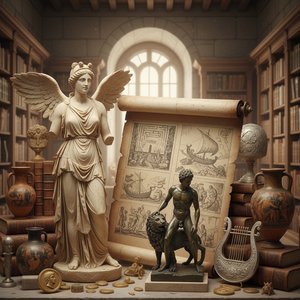
Timeless Legends: A Curated Guide to the Eternal Allure of Mythological Masterpieces
Embark on a sophisticated journey through the eternal allure of mythological art. Discover how master painters breathe life into ancient legends, from Greek deities to Baroque masterpieces, and learn to curate these timeless narratives within your own exquisite art collection.

Georges Braque'ın En İyi 25 Eseri: Kübizm ve Modern Sanatın İkonları | TopImpressionists
Georges Braque'ın en iyi 25 eserini keşfedin! Kübizm hareketinin öncüsü olan bu ikonik tablolar, modern sanatın ruhunu yansıtıyor. Sanat tarihine yolculuk yapın ve evinizi TopImpressionists.com'un yüksek kaliteli baskılarıyla zenginleştirin.

Georges Seurat'ın En İyi 25 Eseri: İzlenimcilikten Modern Sanata Bir Yolculuk
Georges Seurat'ın en iyi 25 eserini keşfedin! İzlenimcilik ve Noktacılık akımının öncüsü bu Fransız ressamın renkli dünyasına yolculuk yapın. Sanat baskıları ve ev dekorasyonu için TopImpressionists.com'da koleksiyonu inceleyin.

The Enduring Legacy of Oil on Canvas: Technique, History & Aesthetic Impact
Explore the rich history & techniques of oil painting – from Renaissance masters to Impressionism. Discover pigments, layering methods, and why this timeless medium endures. Expert insights for artists & art enthusiasts.