

 Gerçek Boyutta Önizle
 Paylaş
 Paylaş
 Detayları Gör
 Rehber

 İndir
İndir
 Benzer ürünler
 X-Işını
 Slayt Gösterisi
 Soru & Cevap
 İstatistikler
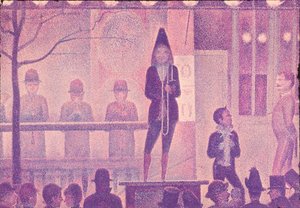
Parade de cirque, Metropolitan

- 100.0 x 151.0 cm


Georges Seurat’s *Parade de cirque*, a dazzling Pointillist masterpiece from 1888, captures the vibrant energy of a circus performance with astonishing precision—a symphony of light and color achieved through scientific observation. Explore this iconic artwork and bring its luminous beauty into your home.
 Tümünü Gör
Georges Seurat (1859-1891), Noktacılık akımının öncüsü! 'La Grande Jatte' gibi eserleriyle modern yaşamı ve renk teorisini devrim niteliğinde yakaladı. El yapımı reprodüksiyonları keşfedin!
Giclée / Sanat Baskısı
Hızlı üretim ve esnek bitiş seçenekleriyle müze kalitesinde giclée veya kanvas baskı. ( El Yapımı Tablo Satın Al Dijital Görsele Geç)




P118B ₺10

P118H ₺10

P118W ₺10

P438Z ₺10

P508JH ₺12

P508YH ₺12

P805H ₺10

P805Z ₺10

P919BZ ₺10

P919G ₺10

P919XJ ₺10

P959ZH ₺10

P968JZ ₺12

W106C ₺8

W218G ₺10

W218JH ₺8

W218Y ₺10

W307PJ ₺10

W316G ₺10

W316PJ ₺8

W316Y ₺10

W398PJ ₺8

W4111J ₺10

W500HY ₺15

W500JH ₺15

W692G ₺12

W849H ₺8

W940BG ₺15

W953PJ ₺8




Standart
özel boyutlu
CM
INCH
Eserin orijinal oranlarıyla uyumlu, önceden belirlenmiş boyutlarımız arasından seçim yapın.
Loading sizes...

genişlik
yükseklik
Çerçevenize veya duvarınıza uygun olması için ihtiyacınız olan genişlik ve yüksekliği yazın. Bir baskı yalnızca kesilebilir, görselden daha büyük hale getirilemez; bu nedenle farklı bir formdaki boyut seçimi, görselin bir kısmının kaybına neden olur. Herhangi bir baskı yapmadan önce onaylamanız için size bir dijital taslak gönderiyoruz. Bu sayfada gösterilen resim gerçek kesimi göstermez — bunu yalnızca taslak gösterir.
Dünya Çapında Teslimat (); standart 4/5 hafta yerine 2 haftada. (7 Kasım)

Dünya Çapında Ücretsiz Ekspres Kargo

Yüksek Kaliteli Keten Kanvas

Tam Nakliye Sigortası

Gümrük Vergisi İadesi Garantisi

Gerçek Renk Uyumu Garantisi

100 Günlük İade Politikası (Sadece Kusurlu Ürünler İçin)

%100 Para İade Garantisi

Toplu Alım İndirimi
 Cam seçeneği yalnızca 110 cm altındaki boyutlar için mevcuttur.

Parade de cirque, Metropolitan
Giclée / Sanat Baskısı
Reproduksiyon Boyutu
-


Toplam Tutar
₺ 3449
A Symphony of Luminous Dots: The Magic of Seurat’s Circus
In the heart of late nineteenth-century Paris, amidst the flickering gaslights and the vibrant energy of urban nightlife, Georges Seurat captured a moment of pure, structured enchantment. Parade de cirque, also known as Circus Sideshow, is far more than a mere depiction of popular entertainment; it is a profound exploration of how light interacts with the human experience. As one gazes upon this masterpiece from the Metropolitan Museum of Art, the eye is immediately drawn into a world where the boundaries between science and soul dissolve. Seurat, a pioneer of the Neo-Impressionist movement, invites us to witness the Circus Corvi not just as a spectacle of performers and crowds, but as a rhythmic dance of color and atmosphere that feels both frozen in time and vibrantly alive.
The composition itself is a marvel of calculated precision. At the center of this nocturnal stage, figures emerge from the shadows, their forms defined not by heavy outlines, but by the meticulous placement of light. The scene captures the electric anticipation of a circus performance, where the central figures command the viewer's attention against a backdrop of onlookers and the hazy, atmospheric depth of the night. For the discerning collector or interior designer, this painting offers an unparalleled sense of movement and depth, making it a commanding centerpiece that brings a sophisticated, historical elegance to any curated space.
The Science of Sight: The Pointillist Revolution
To understand the breathtaking brilliance of Parade de cirque, one must delve into Seurat’s revolutionary technique known as Pointillism, or more scientifically, chromoluminarism. Moving away from the spontaneous, fleeting brushstrokes of his Impressionist predecessors, Seurat sought a more permanent and structural way to represent reality. He applied tiny, individual dots of pure pigment onto the canvas, relying on the viewer's retina to perform the final act of painting. This optical mixing allows colors to vibrate against one another, creating a luminous quality that traditional blending simply cannot achieve.
This method was deeply rooted in the color theories of his time, particularly the scientific observations regarding how the human eye perceives light and contrast. In this work, every dot serves a purpose, contributing to the shimmering effect of the circus lights and the soft, velvet textures of the night air. For those seeking a high-quality reproduction, capturing this specific texture is essential; the magic lies in the perceived vibration of the surface, where the canvas seems to breathe with a rhythmic, mathematical precision that transforms a static image into a living sensory experience.
An Emotional Legacy for the Modern Collector
Beyond its technical brilliance, Parade de cirque resonates on a deeply emotional level. It captures the bittersweet nostalgia of a bygone era—the excitement of the crowd, the mystery of the performers, and the ephemeral nature of joy. There is a certain tension in the work, a balance between the rigid, scientific application of paint and the fluid, chaotic energy of the circus itself. This duality makes the piece incredibly versatile for modern decor; it possesses the intellectual weight of a historical document while maintaining a decorative splendor that complements both classical and contemporary interiors.
Investing in a reproduction of this caliber is an invitation to bring a piece of art history into the home. It serves as a conversation starter, a window into the scientific curiosity of the 1880s, and a constant source of visual inspiration. Whether placed in a quiet study or a grand living hall, Seurat’s circus remains a timeless celebration of light, a testament to the idea that even through the most disciplined technique, one can capture the untamable spirit of human wonder.
Soru ve Cevaplar
Georges Seurat imzalı "Parade de cirque, Metropolitan" eserinin boyutları ve oranları nasıldır?
Georges Seurat imzalı "Parade de cirque, Metropolitan", orijinalinde 100 x 151 cm ölçülerinde bir Landscape kompozisyondur.
Georges Seurat imzalı "Parade de cirque, Metropolitan" için bir rehber sayfası mevcut mu?
"Parade de cirque, Metropolitan" için hazırlanan rehber, eserin Bilgi Notu sayfasıdır; bu sayfa, eseri açıklaması, künyesi ve kimlik tablosuyla (sanatçı, tarihler, teknik, orijinal boyut, koleksiyon) birlikte sunan, yazdırılabilir bir bilgi formudur.
"Parade de cirque, Metropolitan" neyi betimliyor?
Georges Seurat imzalı "Parade de cirque, Metropolitan" şunları betimler: circus performance, pointillism technique, light and color, stage scene, french painting, georges seurat, optical art.
Benzer Eserler



Sanatçı Özgeçmişi
Georges Seurat: Işığın ve Renklerin Bilimiyle Modern Sanata Bir Devrim
Paris’in kalbinde, 1859 yılının 2 Aralık’ında dünyaya gözlerini açan Georges Pierre Seurat, sanat tarihine adını altın harflerle yazdıran bir vizyonerdi. Kısa ama yoğun geçen kariyeri boyunca, resim dünyasını kökten değiştiren Noktacılık (Pointillism) tekniğini geliştirerek, İzlenimcilikten modern sanata geçişte kilit bir rol oynadı. Seurat’ın hayatı, titiz gözlem, entelektüel derinlik ve ışık ile rengin inceliklerine duyduğu eşsiz hassasiyetle örülü bir hikayedir; bu nitelikler onu çağdaşlarından ayırırken, günümüzde de izleyicileri büyülemeye devam ediyor. Ailesi doğumundan kısa süre sonra Boulevard de Magenta’ya taşınmış ve babası Antoine Chrysostome Seurat'ın sağladığı rahat ortam, genç Georges’un sanatsal eğitimine erişimini kolaylaştırmıştı. Justin Lequien yönetimindeki belediye resim okulunda heykel eğitimiyle başlayan sanat yolculuğu, 1878 yılında prestijli École des Beaux-Arts’a kaydıyla devam etti ve Henri Lehmann'ın öğrencisi oldu. Bu yıllar, ona sağlam bir teknik temel sağlarken, aynı zamanda özgün bir sanatsal kişiliğin filizlenmesine de zemin hazırladı; bu kişilik, hem zarif duyarlılıkları hem de sistematik analizlere yönelik artan ilgiyi bünyesinde barındırıyordu.Akademik Köklerden Renklerin Bilimsel İncelemelerine
Seurat’ın sanatsal gelişimi, ani bir yenilik atılımı değil, entelektüel merak ve titizlikle şekillenen kademeli bir evrimdi. Başlangıçta çalışmaları, dönemin akademik standartlarını yansıtarak çizim yeteneğini ve yerleşik kompozisyon ilkelerine saygıyı sergiliyordu. Ancak kısa sürede bu geleneksel yaklaşımlara meydan okuyarak, resme daha bilimsel bir yaklaşım getirmeyi amaçladı. Kendisini renk teorisinin yükselen alanına adadı, Michel Eugène Chevreul ve Ogden Rood gibi bilim insanlarının yan yana yerleştirilen renklerin optik etkilerini inceleyen yazılarını araştırdı. Bu araştırmalar, çığır açan tekniği olan kromoluminarizm – rengin bilimi – ve onun pratik uygulaması Noktacılık’ın temelini oluşturdu. Temel fikir şaşırtıcı derecede basitti: saf renklerin küçük, ayrı noktalarını bir tuvale uygulayarak, izleyicinin gözünün bunları optik olarak karıştırmasına ve canlı, aydınlık bir etki yaratmasına güvenmekti. Bu sadece daha parlak renkler elde etmekle ilgili değildi; insan görsel sisteminin ışığı ve rengi nasıl algıladığını anlamak ve bu bilgiyi kullanarak daha dinamik ve ilgi çekici bir resim deneyimi yaratmaktı. Her büyük kompozisyonu için, Conté kreta kalemleriyle pürüzlü kağıda dikkatlice yerleştirilmiş her noktanın yerleşimini haritalandırarak neredeyse matematiksel bir kesinlikle sanatsal sürecini gösterdi.Yeniliğin Dönüm Taşları: Başlıca Eserler ve Sanatsal Vizyon
Seurat’ın araştırmalarının ve deneylerinin doruk noktası, belki de La Grande Jatte Adası'nda Bir Pazar Öğleden Sonrası (1884-1886) adlı devasa eserde en iyi şekilde örneklendiriliyor. Bu ikonik eser, Neo-İzlenimciliğin başlangıcını işaret ederken, Noktacılık tekniğini tam anlamıyla sergiliyordu. Dikkatlice yerleştirilmiş renk noktalarıyla işlenen figürler, ışıkla titreşen ve sakin bir dinginlik atmosferi yaratan bir görünüm sunuyor. Saint-Ouen’de Otlak (1882-1883), renk teorisini kırsal bir manzaraya uygulamasını gösterirken, daha önceki eserleri modern Paris yaşamının tasvirlerinde benzersiz tarzını önceden haber veriyordu. Hatta Eyfel Kulesi (1889) gibi endüstriyel modernite ve sanatsal yeniliği uyumlu bir şekilde harmanlayan çalışmalar bile, onun eşsiz tekniği aracılığıyla dönüştürülmüştü. Asnières’de Banyo Yapanlar (1884) adlı önemli bir diğer eser ise, kendine özgü tarzıyla dinlence ve modern yaşam temalarını keşfederek *La Grande Jatte*'deki daha rafine yaklaşımı önceden haber veriyordu. Bu resimler sadece sahnelerin temsilleri değil, renk ve algının olanaklarını araştırmak için tasarlanmış dikkatlice oluşturulmuş görsel deneylerdi.Süregelen Bir Miras: Etki ve Tarihsel Önemi
Trajik bir şekilde kısa ömürlü olmasına rağmen – Seurat 31 yaşında, 1891 yılında hayatını kaybetti – sanatsal dünyadaki etkisi derin ve geniş kapsamlıydı. Çalışmaları geleneksel sanatsal kurallara meydan okuyarak birçok sonraki akımın önünü açtı. Öznel ifadeye verilen önem ve yeni tekniklerin keşfi, akademik kısıtlamalardan kurtulmak isteyen sanatçılarla yankı buldu. Seurat’ın etkisi, cesur renkleri ve dışa vurumcu fırça darbelerini benimseyen Fauvistlerden, biçimleri geometrik şekillere ayrıştıran Cubistlere ve duygusal yoğunluğa ve kendiliğinden jestlere öncelik veren Soyut Ekspresyonistlere kadar birçok sanatçı üzerinde görülebilir. Bilimsel yaklaşımı başlangıçta tartışmalı olsa da, sonunda sanatsal olanağınızın tanımını genişletti. Sanatın hem entelektüel olarak titiz hem de duygusal olarak etkileyici olabileceğini gösterdi; bu sentez günümüzde de sanatçıları ilhamlandırmaya devam ediyor. Seurat’ın mirası, teknik yeniliklerinin ötesine geçerek, modern yaşamı eşsiz bir hassasiyet ve güzellikle yakalayan bir eserler bütünü bırakmasıyla da kendini gösteriyor; böylece sanata gerçek bir öncü olarak yerini sağlamlaştırıyor. Resimleri, gözlem, deney ve etrafımızdaki dünyayı sanatsal ifade merceğiyle anlamaya yönelik bitmeyen insan arzusunun kanıtı olmaya devam ediyor.
Georges Seurat
1859 - 1891 , Fransa
Kısa Bilgiler
- Artistic Movement Or Style: Neo-İzlenimcilik, Noktacılık
- Artists Or Movements Influenced By This Artist:
- Fauvisim
- Kübizm
- Soyut Ekspresyonizm
- Artists Who Influenced This Artist:
- Michel Chevreul
- Ogden Rood
- Date Of Birth: 2 Aralık 1859
- Date Of Death: 29 Mart 1891
- Full Name: Georges Pierre Seurat
- Nationality: Fransız
- Notable Artworks:
- La Grande Jatte
- Bathers at Asnières
- Alfalfa, Saint-Denis
- Place Of Birth: Paris, Fransa
Benzer Yazılar

Capturing the Drama: How Impressionist Light and Shadow Transform Your Living Space
Discover how the luminous light and dramatic shadows of Impressionist masterpieces can transform your home. Explore expert insights on using Renoir, Monet, and Cézanne to create a serene, culturally rich sanctuary through museum-quality, hand-painted oil reproductions.

Capturing the Soul: The Ethereal Magic and Timeless Technique of Impressionist Portraiture
Discover the ethereal beauty of Impressionist portraiture. Explore how masters like Monet and Renoir captured light and soul through brushwork, and learn how to bring this timeless magic into your home with exquisite, hand-painted oil reproductions from TopImpressionists.com.

Dining Room Elegance: Transforming Your Space with Impressionist Masterpieces
Elevate your dining room with the luminous beauty of Impressionist masterpieces. Discover how hand-painted Claude Monet and Renoir reproductions can transform your space into a sanctuary of light, color, and timeless elegance for your home.

Capturing the Light of Amsterdam: A Journey Through Impressionist Masterpieces of the Dutch Canals
Embark on a visual journey through the luminous Amsterdam canals. Discover how Impressionist masters captured the fleeting light of the Dutch landscape through evocative brushwork and color. Explore the timeless beauty of these masterpieces for your private art collection.
Temalara, stillere ve özelliklere göre düzenlenmiş sanat eserlerini keşfedin.


