


 Önizle
 Gönder
 Paylaş
 Detaylar
 Rehber

 Dosyayı İndir
 Benzerleri
 X-Işını
 Slayt Gösterisi
 İstatistikler
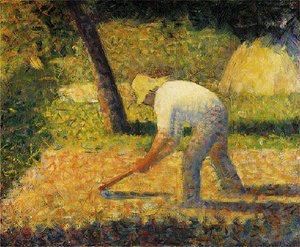
The Gardener


Discover "The Gardener" by Seurat! A stunning Pointillist masterpiece showcasing rural beauty & warm light. Explore Neo-Impressionism's elegance – a timeless work of art.
 Devamını Oku
Georges Seurat (1859-1891), Noktacılık akımının öncüsü! 'La Grande Jatte' gibi eserleriyle modern yaşamı ve renk teorisini devrim niteliğinde yakaladı. El yapımı reprodüksiyonları keşfedin!
Giclée / Sanat Baskısı
Hızlı üretim ve esnek bitiş seçenekleriyle müze kalitesinde giclée veya kanvas baskı. ( El Yapımı Tablo Satın Al Dijital Görsel Satışına Geç)




P118B ₺10

P118H ₺10

P118W ₺10

P438Z ₺10

P508JH ₺12

P508YH ₺12

P805H ₺10

P805Z ₺10

P919BZ ₺10

P919G ₺10

P919XJ ₺10

P959ZH ₺10

P968JZ ₺12

W106C ₺8

W218G ₺10

W218JH ₺8

W218Y ₺10

W307PJ ₺10

W316G ₺10

W316PJ ₺8

W316Y ₺10

W398PJ ₺8

W4111J ₺10

W500HY ₺15

W500JH ₺15

W692G ₺12

W849H ₺8

W940BG ₺15

W953PJ ₺8




Standart Boyutlar
özel boyutlu
CM
INCH
Eserin orijinal oranlarıyla uyumlu, önceden belirlenmiş boyutlarımız arasından seçim yapın.
Loading sizes...

genişlik
yükseklik
Çerçevenize veya duvarınıza uygun olması için ihtiyacınız olan genişlik ve yüksekliği yazın. Bir baskı yalnızca kesilebilir, görselden daha büyük hale getirilemez; bu nedenle farklı bir formdaki boyut seçimi, görselin bir kısmının kaybına neden olur. Herhangi bir baskı yapmadan önce onaylamanız için size bir dijital taslak gönderiyoruz. Bu sayfada gösterilen resim gerçek kesimi göstermez — bunu yalnızca taslak gösterir.
Dünya Çapında Teslimat (); standart 4/5 hafta yerine 2 haftada. (25 Ekim)

Dünya Çapında Ücretsiz Ekspres Kargo

Yüksek Kaliteli Keten Tuval

Tam Nakliye Sigortası

Gümrük Vergisi İadesi Garantisi

Gerçek Renk Uyumu Garantisi

100 Günlük İade Koşulları (Sadece Üretim Hatalı Ürünler İçin)

%100 Para İade Garantisi

Toplu Alım Avantajı
 Cam seçeneği yalnızca 110 cm altındaki boyutlar için mevcuttur.

The Gardener
Giclée / Sanat Baskısı
Baskı Boyutu
-


Toplam Fiyat
₺ 3375
A Moment Captured in Light: Georges Seurat’s “The Gardener”
Georges Seurat's "The Gardener," painted in 1882, isn’t merely a depiction of a rural scene; it’s a meticulously constructed meditation on perception and the very nature of seeing. This work, often overshadowed by his more famous Pointillist masterpieces like “A Sunday Afternoon on La Grande Jatte,” offers a profound glimpse into the artist's revolutionary approach to painting – one rooted in scientific observation and an almost obsessive desire to capture the ephemeral effects of light. The image presents a solitary figure, presumably a farmer, traversing a field of tall grasses under a hazy sky, a scene imbued with a quiet dignity and a palpable sense of solitude. It’s a tableau that invites contemplation not just of the landscape itself, but of the act of observation – how we perceive color, form, and space.
The Language of Pointillism: A Scientific Approach to Color
Seurat's technique in “The Gardener” is undeniably central to its impact. He employed his signature method of Pointillism, a revolutionary approach that moved far beyond the loose brushstrokes of Impressionism. Instead of blending colors directly on the canvas, Seurat meticulously applied thousands of tiny, distinct dots – individual points of pure color – to create an optical illusion. When viewed from a distance, these dots coalesce and blend in the viewer’s eye, resulting in a vibrant and luminous effect that surpasses the capabilities of traditional brushwork. The artist's rigorous study of optics, informed by scientific theories about color perception, dictated every aspect of his process. He believed that by isolating individual colors and allowing the eye to synthesize them, he could achieve a greater degree of realism and luminosity than was previously possible. Notice how the greens shift subtly across the field – not through blending, but through the careful arrangement of yellows, blues, and whites.
- Color Theory: Seurat’s palette is carefully calibrated to create harmonious color relationships, utilizing complementary colors to intensify hues and achieve a remarkable sense of depth.
- Dot Size & Placement: The varying size and density of the dots contribute to the overall texture and visual rhythm of the painting. Larger dots are used for darker areas, while smaller dots define finer details.
Symbolism and the Human Figure Within Nature
Beyond its technical brilliance, “The Gardener” is rich in symbolic meaning. The solitary figure represents humanity’s relationship with the natural world – a connection both profound and often isolating. He's not actively engaged in labor, but rather simply *present* within the landscape, suggesting a quiet reverence for the land. The hazy sky, rendered in delicate washes of blue and gray, evokes a sense of timelessness and mystery. The field itself, with its undulating grasses, becomes a metaphor for life’s journey – a continuous flow and movement that is both beautiful and transient. It's important to note that Seurat was deeply interested in the philosophical implications of his work, exploring themes of order, harmony, and the pursuit of scientific truth through art.
A Legacy of Precision: Recreating the Vision
“The Gardener” stands as a testament to Georges Seurat’s innovative spirit and his unwavering commitment to capturing the essence of light and color. TopImpressionists offers meticulously crafted, hand-painted reproductions that faithfully recreate the luminosity and precision of this remarkable work. Each reproduction is created by skilled artists who understand the nuances of Seurat's technique, ensuring that you receive a faithful representation of this iconic painting. Whether displayed in a contemporary setting or as a cherished addition to a classic interior, a TopImpressionists reproduction of “The Gardener” will bring a touch of artistic brilliance and intellectual depth to your space. Consider how the subtle shifts in color and texture – achieved through our painstaking process – evoke the same sense of quiet contemplation that defined Seurat’s original vision.
Soru ve Cevaplar
Georges Seurat imzalı "The Gardener" eserinin renkleri canlı mı yoksa mat mı?
"The Gardener" eserinin rengi, Clear Color Presence doygunlukta ve Vivid yoğunluktadır.
"The Gardener" eserinin hangi boyutta basılması önerilir?
Georges Seurat imzalı "The Gardener" için Large boyutunda bir reprodüksiyon önerilir. Boyut, oranlar korunarak ayarlanabilir.
Georges Seurat imzalı "The Gardener" eserinin parlaklık değeri nedir?
"The Gardener" eserinin renkleri Gentle Luminance düzeyinde bir parlaklık sergiliyor.
İlgili Eserler




Sanatçı Biyografisi
Georges Seurat: Işığın ve Renklerin Bilimiyle Modern Sanata Bir Devrim
Paris’in kalbinde, 1859 yılının 2 Aralık’ında dünyaya gözlerini açan Georges Pierre Seurat, sanat tarihine adını altın harflerle yazdıran bir vizyonerdi. Kısa ama yoğun geçen kariyeri boyunca, resim dünyasını kökten değiştiren Noktacılık (Pointillism) tekniğini geliştirerek, İzlenimcilikten modern sanata geçişte kilit bir rol oynadı. Seurat’ın hayatı, titiz gözlem, entelektüel derinlik ve ışık ile rengin inceliklerine duyduğu eşsiz hassasiyetle örülü bir hikayedir; bu nitelikler onu çağdaşlarından ayırırken, günümüzde de izleyicileri büyülemeye devam ediyor. Ailesi doğumundan kısa süre sonra Boulevard de Magenta’ya taşınmış ve babası Antoine Chrysostome Seurat'ın sağladığı rahat ortam, genç Georges’un sanatsal eğitimine erişimini kolaylaştırmıştı. Justin Lequien yönetimindeki belediye resim okulunda heykel eğitimiyle başlayan sanat yolculuğu, 1878 yılında prestijli École des Beaux-Arts’a kaydıyla devam etti ve Henri Lehmann'ın öğrencisi oldu. Bu yıllar, ona sağlam bir teknik temel sağlarken, aynı zamanda özgün bir sanatsal kişiliğin filizlenmesine de zemin hazırladı; bu kişilik, hem zarif duyarlılıkları hem de sistematik analizlere yönelik artan ilgiyi bünyesinde barındırıyordu.Akademik Köklerden Renklerin Bilimsel İncelemelerine
Seurat’ın sanatsal gelişimi, ani bir yenilik atılımı değil, entelektüel merak ve titizlikle şekillenen kademeli bir evrimdi. Başlangıçta çalışmaları, dönemin akademik standartlarını yansıtarak çizim yeteneğini ve yerleşik kompozisyon ilkelerine saygıyı sergiliyordu. Ancak kısa sürede bu geleneksel yaklaşımlara meydan okuyarak, resme daha bilimsel bir yaklaşım getirmeyi amaçladı. Kendisini renk teorisinin yükselen alanına adadı, Michel Eugène Chevreul ve Ogden Rood gibi bilim insanlarının yan yana yerleştirilen renklerin optik etkilerini inceleyen yazılarını araştırdı. Bu araştırmalar, çığır açan tekniği olan kromoluminarizm – rengin bilimi – ve onun pratik uygulaması Noktacılık’ın temelini oluşturdu. Temel fikir şaşırtıcı derecede basitti: saf renklerin küçük, ayrı noktalarını bir tuvale uygulayarak, izleyicinin gözünün bunları optik olarak karıştırmasına ve canlı, aydınlık bir etki yaratmasına güvenmekti. Bu sadece daha parlak renkler elde etmekle ilgili değildi; insan görsel sisteminin ışığı ve rengi nasıl algıladığını anlamak ve bu bilgiyi kullanarak daha dinamik ve ilgi çekici bir resim deneyimi yaratmaktı. Her büyük kompozisyonu için, Conté kreta kalemleriyle pürüzlü kağıda dikkatlice yerleştirilmiş her noktanın yerleşimini haritalandırarak neredeyse matematiksel bir kesinlikle sanatsal sürecini gösterdi.Yeniliğin Dönüm Taşları: Başlıca Eserler ve Sanatsal Vizyon
Seurat’ın araştırmalarının ve deneylerinin doruk noktası, belki de La Grande Jatte Adası'nda Bir Pazar Öğleden Sonrası (1884-1886) adlı devasa eserde en iyi şekilde örneklendiriliyor. Bu ikonik eser, Neo-İzlenimciliğin başlangıcını işaret ederken, Noktacılık tekniğini tam anlamıyla sergiliyordu. Dikkatlice yerleştirilmiş renk noktalarıyla işlenen figürler, ışıkla titreşen ve sakin bir dinginlik atmosferi yaratan bir görünüm sunuyor. Saint-Ouen’de Otlak (1882-1883), renk teorisini kırsal bir manzaraya uygulamasını gösterirken, daha önceki eserleri modern Paris yaşamının tasvirlerinde benzersiz tarzını önceden haber veriyordu. Hatta Eyfel Kulesi (1889) gibi endüstriyel modernite ve sanatsal yeniliği uyumlu bir şekilde harmanlayan çalışmalar bile, onun eşsiz tekniği aracılığıyla dönüştürülmüştü. Asnières’de Banyo Yapanlar (1884) adlı önemli bir diğer eser ise, kendine özgü tarzıyla dinlence ve modern yaşam temalarını keşfederek *La Grande Jatte*'deki daha rafine yaklaşımı önceden haber veriyordu. Bu resimler sadece sahnelerin temsilleri değil, renk ve algının olanaklarını araştırmak için tasarlanmış dikkatlice oluşturulmuş görsel deneylerdi.Süregelen Bir Miras: Etki ve Tarihsel Önemi
Trajik bir şekilde kısa ömürlü olmasına rağmen – Seurat 31 yaşında, 1891 yılında hayatını kaybetti – sanatsal dünyadaki etkisi derin ve geniş kapsamlıydı. Çalışmaları geleneksel sanatsal kurallara meydan okuyarak birçok sonraki akımın önünü açtı. Öznel ifadeye verilen önem ve yeni tekniklerin keşfi, akademik kısıtlamalardan kurtulmak isteyen sanatçılarla yankı buldu. Seurat’ın etkisi, cesur renkleri ve dışa vurumcu fırça darbelerini benimseyen Fauvistlerden, biçimleri geometrik şekillere ayrıştıran Cubistlere ve duygusal yoğunluğa ve kendiliğinden jestlere öncelik veren Soyut Ekspresyonistlere kadar birçok sanatçı üzerinde görülebilir. Bilimsel yaklaşımı başlangıçta tartışmalı olsa da, sonunda sanatsal olanağınızın tanımını genişletti. Sanatın hem entelektüel olarak titiz hem de duygusal olarak etkileyici olabileceğini gösterdi; bu sentez günümüzde de sanatçıları ilhamlandırmaya devam ediyor. Seurat’ın mirası, teknik yeniliklerinin ötesine geçerek, modern yaşamı eşsiz bir hassasiyet ve güzellikle yakalayan bir eserler bütünü bırakmasıyla da kendini gösteriyor; böylece sanata gerçek bir öncü olarak yerini sağlamlaştırıyor. Resimleri, gözlem, deney ve etrafımızdaki dünyayı sanatsal ifade merceğiyle anlamaya yönelik bitmeyen insan arzusunun kanıtı olmaya devam ediyor.
Georges Seurat
1859 - 1891 , Fransa
Kısa Bilgiler
- Artistic Movement Or Style: Neo-İzlenimcilik, Noktacılık
- Artists Or Movements Influenced By This Artist:
- Fauvisim
- Kübizm
- Soyut Ekspresyonizm
- Artists Who Influenced This Artist:
- Michel Chevreul
- Ogden Rood
- Date Of Birth: 2 Aralık 1859
- Date Of Death: 29 Mart 1891
- Full Name: Georges Pierre Seurat
- Nationality: Fransız
- Notable Artworks:
- La Grande Jatte
- Bathers at Asnières
- Alfalfa, Saint-Denis
- Place Of Birth: Paris, Fransa
İlgili Yazılar

Georges Seurat'ın En İyi 25 Eseri: İzlenimcilikten Modern Sanata Bir Yolculuk
Georges Seurat'ın en iyi 25 eserini keşfedin! İzlenimcilik ve Noktacılık akımının öncüsü bu Fransız ressamın renkli dünyasına yolculuk yapın. Sanat baskıları ve ev dekorasyonu için TopImpressionists.com'da koleksiyonu inceleyin.

Chromatic Islands: Exploring the Theory & Legacy of Pointillism in 19th-Century Art
Explore the revolutionary world of Pointillism! Discover Georges Seurat's color theory, techniques & lasting impact on art history. Learn about Signac, Luce & Neo-Impressionism’s scientific approach to painting.

Georges Braque'ın En İyi 25 Eseri: Kübizm ve Modern Sanatın İkonları | TopImpressionists
Georges Braque'ın en iyi 25 eserini keşfedin! Kübizm hareketinin öncüsü olan bu ikonik tablolar, modern sanatın ruhunu yansıtıyor. Sanat tarihine yolculuk yapın ve evinizi TopImpressionists.com'un yüksek kaliteli baskılarıyla zenginleştirin.

The Science of Light: A Definitive Guide to the Optical Revolution of Pointillism and Neo-Impressionism
Explore the scientific brilliance of Pointillism. Discover how masters like Georges Seurat revolutionized art through optical color mixing and the science of light. A definitive guide for classical art enthusiasts seeking to understand the physics behind Neo-Impressionist masterpieces.

Georges Seurat: Pointillism, Perception & the Scientific Foundations of Modern Art
Explore the revolutionary art of Georges Seurat and the science behind Pointillism. Discover chromoluminarism, optical mixing, and the lasting impact of Neo-Impressionism on modern art history.
Temalara, stillere ve özelliklere göre gruplandırılmış sanat eserlerini keşfedin.


