

Shown: · With its frame:
 Önizle
 Gönder
 Paylaş
 Detaylar
 Rehber

 Dosyayı İndir
 Benzerleri
 X-Işını
 Slayt Gösterisi
 Q&A
Q&A İstatistikler
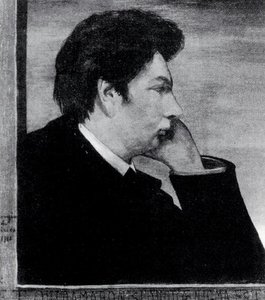
Self-portrait 7


₺ 13186
El Yapımı Yağlı Boya Reproduksiyon
Sanatçılarımız tarafından sipariş üzerine hazırlanan; istediğiniz boyut ve çerçevede, tuval üzerine el boyaması yağlı boya. ( Baskı Satışına Geç Dijital Görsel Satışına Geç)
Bu Eser Telif Hakkı Koruması Altındadır
Bu sayfada sergilenen eser telif hakkı yasasıyla korunmaktadır; bu da yasal olarak eserin birebir kopyasını oluşturamayacağımız veya satamayacağımız anlamına gelir. Bu koruma, aşağıdakiler gibi uluslararası anlaşmalar kapsamında uygulanmaktadır: Bern Sözleşmesi ve aşağıdakiler de dahil olmak üzere ulusal yasalarca belirlenen ABD Telif Hakkı Kanunu - 17. Başlık.
Saygılı ve yasal bir alternatif olarak, orijinalinden ilham alan, kişiye özel, el boyaması sanat eserleri sunuyoruz. Deneyimli ve profesyonel sanatçılarımız, aynı duyguyu uyandıran yeni ve benzersiz bir eser yaratmak için orijinalin stilini, ruhunu ve sanatsal özünü titizlikle inceler; üstelik bu eser, kendi başına özgün bir üretim olarak kalır.
Bu yöntem, koruma altındaki sanat eserinin kopyalanmasını veya çoğaltılmasını içermediği için telif hakkı düzenlemelerine tam uyum sağlar. Bunun yerine, yaratıcı bir yeniden yorumlamadır; orijinalinden etkilenen ancak onunla aynı olmayan yeni bir tablodur.
 Devamını oku
Size
·Standart Boyutlar
özel boyutlu
CM
INCH
Eserin orijinal oranlarıyla uyumlu, önceden belirlenmiş boyutlarımız arasından seçim yapın.
Loading sizes...

genişlik
yükseklik
Çerçevenize veya duvarınıza uygun olması için ihtiyacınız olan genişliği ve yüksekliği yazın. Bu eser el boyamasıdır; bu nedenle farklı bir formdaki boyutlar için sanatçı, resmin etrafına biraz daha fazla boya ekleyebilir veya biraz daha kırpabilir — seçim sizin. Boyama işlemi başlamadan önce onaylamanız için size bir dijital taslak gönderiyoruz. Bu sayfada gösterilen resim gerçek sonucu yansıtmamaktadır — gerçek sonucu yalnızca taslak göstermektedir.
Finish
·
White ₺1

Blurside ₺1

Extended ₺1

P118B ₺10

P118H ₺10

P118W ₺10

P438Z ₺10

P508JH ₺12

P508YH ₺12

P805H ₺10

P805Z ₺10

P919BZ ₺10

P919G ₺10

P919XJ ₺10

P959ZH ₺10

P968JZ ₺12

W106C ₺8

W218G ₺10

W218JH ₺8

W218Y ₺10

W307PJ ₺10

W316G ₺10

W316PJ ₺8

W316Y ₺10

W398PJ ₺8

W4111J ₺10

W500HY ₺15

W500JH ₺15

W692G ₺12

W849H ₺8

W940BG ₺15

W953PJ ₺8

H24-GOLD ₺30

H24-SILVER ₺30

H36-GOLD ₺45

H36-SILVER ₺45
Shipped in a protective tube, ready for your own framer.
Above 105 cm the frame is shipped as a kit for a professional framer — read the details.
Extras
optionalWhat do the extras include?
Examples of what can be changed: Replace face with customer photo; Add pet (e.g., replace cat with dog); Include hidden message in background; Change background landscape or elements.
After order, TopImpressionists.com team will email client for instructions and provide a mockup preview
After order, TopImpressionists.com team will email client for instructions and provide a mockup preview
Dünya Çapında Teslimat (); standart 5 hafta yerine 3/4 haftada. (29 Ekim). Kaliteden ödün verilmez.
Koruyucu Vernik
İsimlik
İşlemeli Bronz Plaka Detayları
This elegant plaque features the artist's name and the title of the artwork, finely engraved for a timeless presentation.
It is made from bronze with a refined, elegant finish. The text is precisely laser-engraved for a sharp and permanent result. Measuring 9x2 cm, the plaque is compact yet easy to read. It's built to be durable and scratch-resistant, offering a professional, museum-quality look. Mounting is simple thanks to the included adhesive backing.
Şeffaf Akrilik Plaka Detayları
The plaque includes essential engraved details such as the artist's name, the title of the artwork, the date it was created, the type of media used-like oil on canvas or watercolor-a brief description of the piece, and a QR code that links to the complete artwork information.
It is crafted from clear acrylic, offering a sleek, modern appearance. The text is UV-engraved in black to ensure strong visual contrast. With a size of 10x15 cm, it ensures optimal readability. It comes equipped with two metal hooks for secure wall mounting. The plaque is designed to be weather-resistant, making it suitable for various environments, and it includes interactive features that work seamlessly with smartphone scanning.
Siyah Akrilik Plaka Detayları
This elegant plaque includes engraved information such as the artist's name, the title of the artwork, the date it was created, the type of media used (like oil on canvas or watercolor), a short description of the artwork, and a QR code for quick access to more information.
The plaque itself is made from refined black acrylic with a premium finish. The text is laser-engraved in white for high contrast and readability. Its size is 10x15 cm, designed to be easy to read. It comes with two metal hooks for professional mounting. The design is sleek and fits any interior style. It is also weather-resistant and durable, with built-in digital integration for mobile compatibility.
Cam seçeneği yalnızca 110 cm altındaki boyutlar için mevcuttur.
 Cam seçeneği yalnızca 110 cm altındaki boyutlar için mevcuttur.
- Dünya Çapında Ücretsiz Ekspres Kargo
- Yüksek Kaliteli Keten Tuval
- Tam Nakliye Sigortası
- Gümrük Vergisi İadesi Garantisi
- Gerçek Renk Uyumu Garantisi
- 100 Günlük İade Koşulları (Sadece Üretim Hatalı Ürünler İçin)
- %100 Para İade Garantisi
- Toplu Alım Avantajı


Koleksiyon Açıklaması
A haunting self-portrait by Giorgio de Chirico (1922). Explore the artist's melancholic style, surreal imagery, and philosophical depth in this iconic masterpiece.
Sanatçı Özgeçmişi
Giorgio de Chirico’nın eserlerinde klasik mimari ile ürkütücü öğelerin yan yana gelmesi ve uzun gölgeler gibi sıra dışı tekniklerle bilinir. Surrealizm sanat hareketini etkilediği için René Magritte ve Salvador Dalí gibi sanatçılarından büyük ölçüde ilham aldı. Metaphysical sanatın temelinde Nietzsche ve Schopenhauer gibi filozofların düşünceleri yer alır. İkonik şehir meydanları serisi ve insan r
About the painting
A Dreamscape in Gray: De Chirico’s “Self-Portrait 7”
Giorgio de Chirico's "Self-Portrait 7," painted around 1922, isn’t merely a depiction of an artist; it’s a distilled essence of the anxieties and intellectual currents swirling through Europe at the dawn of the 20th century. This haunting monochrome study, housed within the Toledo Museum of Art, invites us into a realm where reality fractures, memory bleeds into dream, and the self becomes both subject and object—a captivating paradox that defines much of de Chirico’s oeuvre. The painting immediately arrests with its stark simplicity: a figure rendered in muted grays, positioned slightly off-center against a subtly receding backdrop, his hand partially obscuring his mouth as if holding back a profound thought or perhaps a secret sorrow.
The work belongs firmly within de Chirico’s “Metaphysical” period, a movement he pioneered alongside his brother, Andrea Savinio. This style rejected the superficiality of contemporary art and sought to capture not just appearances but the underlying anxieties and irrationalities of human experience. Influenced by philosophers like Arthur Schopenhauer and Friedrich Nietzsche, de Chirico aimed to depict a world where logic dissolves, and the familiar becomes unsettlingly strange. The painting’s palette—a carefully orchestrated symphony of grays—is crucial to this effect. It's not simply black and white; it’s a spectrum of tones that evokes both melancholy and a sense of timelessness, mirroring the artist’s own preoccupation with mortality and the passage of time.
Deconstructing Form: Technique and Composition
Technically, “Self-Portrait 7” is characterized by a meticulous layering of oil paint—a technique de Chirico revisited after abandoning his earlier, more vibrant style. He employed subtle gradations of tone to create an illusion of depth and texture, suggesting the rough surface of clothing and the smooth planes of the face. The composition itself is deceptively simple, yet profoundly effective. The figure’s placement off-center creates a dynamic tension, drawing the eye across the canvas and inviting contemplation. Notice how the background recedes sharply, almost dissolving into an indeterminate space—a technique that reinforces the painting's sense of unease and disorientation.
The use of line is equally deliberate. The strong outlines defining the face and body are softened by the surrounding tones, creating a sense of ambiguity. There’s a deliberate lack of detail; de Chirico wasn’t interested in photographic realism but rather in capturing the *feeling* of a scene—the emotional weight of a moment. The inclusion of the bust of Eudipides, subtly referenced in the painting's title and further explored in another work by the artist, adds an additional layer of symbolic complexity, hinting at themes of fate, suffering, and the burden of knowledge.
Symbolism and Emotional Resonance
The obscured mouth is perhaps the most potent symbol within the portrait. It suggests restraint, introspection, or even a suppressed emotion—a refusal to fully articulate the anxieties that plague the artist’s mind. The overall mood is undeniably melancholic, yet there's also an undercurrent of quiet dignity and resilience. De Chirico wasn’t simply depicting sadness; he was exploring the complex relationship between the self and the world, revealing a profound sense of isolation within a rapidly changing society.
The painting’s setting—a vaguely architectural space—further contributes to its unsettling atmosphere. It's reminiscent of Roman arcades, which de Chirico frequently depicted in his work, but here they feel strangely deserted and devoid of life. This reinforces the sense of alienation and loneliness that permeates the portrait. The subtle inclusion of a tangerine adds an unexpected element of warmth and color—a fleeting reminder of beauty amidst the prevailing gloom.
A Legacy of Dreamlike Visions
“Self-Portrait 7” stands as a quintessential example of de Chirico’s unique artistic vision. It's a painting that defies easy interpretation, inviting viewers to engage with its mysteries and grapple with its emotional complexities. It’s not merely a portrait; it’s a window into the artist’s psyche—a glimpse behind the curtain of his creative process. De Chirico’s work continues to resonate today because it taps into universal anxieties about identity, mortality, and the nature of reality. Reproductions of this powerful image offer a chance to bring this dreamlike vision into your own space, prompting reflection and sparking conversation.
Soru ve Cevaplar
Giorgio De Chirico imzalı "Self-portrait 7" hangi sanat akımına dahildir?
"Self-portrait 7", Metaphysical Art akımına ait bir eserdir. Bu akım, eserin parçası olduğu sanatsal geleneği ifade eder.
Giorgio De Chirico imzalı "Self-portrait 7" açık tonlu bir sanat eseri mi yoksa koyu tonlu mu?
Giorgio De Chirico imzalı "Self-portrait 7" için kaydedilen değerler şöyledir: deep_shadow parlaklık, Soft Shadow aydınlık.
"Self-portrait 7" eserinin Portrait formatı sergilemek için nerede önerilir?
Giorgio De Chirico imzalı "Self-portrait 7" eserinin Portrait formatı, Living Room için önerilmektedir. Format ve alanın birleşimi, bir reprodüksiyonun yerleşimi konusunda yol göstericidir.
Quick facts and art quiz
About Giorgio De Chirico

Giorgio De Chirico
1888 - 1978, Ελλάδα
Sanatçı Biyografisi
Zihnin Rüya Manzarası: Giorgio de Chirico'nun Yaşamı ve Sanatı
1888 yılında Yunanistan'ın Volos kentinde, Cenevizli bir anne ve Sicilyalı bir babanın oğlu olarak dünyaya gelen Giorgio de Chirico’nun sanatsal yolculuğu, hem klasik bir mirasın hem de yükselen bir modern yabancılaşma duygusunun izlerini taşıyordu. Atina Politeknik'teki ilk eğitimi geleneksel teknikler konusunda sağlam bir temel oluşturdu, ancak yaratıcı ruhunu asıl ateşleyen Münih'teki sonraki çalışmaları oldu. Savaş öncesi Avrupa'nın entelektüral hareketliliği içinde, sembolik manzaraları ve tekinsiz imgeleriyle kendi gelişmekte olan estetiğiyle derin bir yankı uyandıracak olan Arnold Böcklin ve Max Klinger gibi sanatçıların eserleriyle tanıştı. Dönemin felsefi akımları da —Friedrich Nietzsche, Arthur Schopenhauer ve Otto Weininger'in varoluşçuluk, insan arzusunun mantıksızlığı ve gerçekliğin öznel doğası temalarını inceleyen yazıları— en az bu sanatçılar kadar etkileyiciydi. Bu düşünceler, de Chirico’nun çığır açan sanatsal vizyonunun merkezini oluşturacaktı.Metafizik Resmin Doğuşu
1909 civarında, de Chirico'nun keşiflerinden benzersiz bir üslup filizlenmeye başladı; bu üslubu bizzat kendisi “Metafizik” sanat olarak adlandırdı. Bu sadece üslupsal bir yenilik değil, gündelik hayatın yüzeyinin altındaki gizli gerçekleri yakalamak, tanıdık mekanların içinde pusuda bekleyen o tekinsiz şiirselliği açığştırmak için yapılmış derin bir çabaydı. Floransa ziyareti ve Piazza Santa Croce'da yaşadığı bir deneyim, ikonik ‘Metafizik Şehir Meydanı’ serisini tetikleyerek dönüm noktası oldu. Bu tablolar; ürkütücü sessizlikleri, uzun ve dramatik gölgeleri, mantık dışı perspektifleri ve yüzsüz mankenler ile yükselen heykeller gibi rahatsız edici unsurlarla yan yana getirilmiş klasik mimari varlığıyla karakterize edilir. Yarattığı etki son derece huzursuz edicidir; nostalji, izolasyon ve kaybedilmiş ya da ulaşılamaz bir şeye duyulan neredeyse dayanılmaz bir özlem duygusunu uyandırır. De Chirico, daha sonra kendi eserlerinin yorumlarından uzaklaşacak olsa da, Sürrealizm üzerinde derin bir etki bırakan Scuola Metafisica'yı kurdu. Resimleri rüyaların birer illüstrasyonu olarak değil, aksine görünür dünyanın ötesindeki bir gerçekliği —zaman ve mekanın akışkan olduğu, bilinç ile bilinçaltı arasındaki sınırların bulanıklaştığı bir alemi— tasvir etme çabasıydı. Düşünürün Sıkıntıları, Bir Sonbahar Öğleden Sonrasının Bilmecesi ve Aşk Şarkısı gibi önemli eserleri, izleyicileri varoluşun gizemlerini ve insan algısının kırılganlığını düşünmeye davet eden bu büyüleyici estetiği örnekler.Üslupta Bir Değişim ve Kalıcı Bir Miras
Birinci Dünya Savaşı'nın ardından, 1919 civarında de Chirico’nun sanatsal yolu beklenmedik bir dönüşe uğradı. Erken dönemdeki metafizik yaklaşımını reddederek, bunun yerine daha geleneksel, neoklasik veya neo-barok bir üslubu benimsedi. Bu değişim büyük tartışmalara yol açtı; birçok eleştirmen kalitedeki düşüşten yakınlık duydu ve onu erken dönem çalışmalarını tanımlayan yenilikçi ruhu terk etmekle suçladı. Ancak de Chirico, sanatsız tercihlerinde kararlı kaldı; geçmişindeki temalara geri döndü ancak onları farklı bir estetik duyarlılıkla yeniden yorumladı. Hayatı boyunca üretmeye ve sergilemeye devam etti, ustalığa ve teknik beceriye olan tutarlı bağlılığını korurken çeşitli üslup ve konuları keşfetti. Eleştirilere rağmen, sonraki sanatçı nesilleri üzerindeki etkisi yadsınamaz. Mekan, perspektif ve sembolizmin yenilikçi kullanımı, geleneksel sanatsal normlara meydan okudu ve yeni ifade biçimlerinin önünü açtı.Etkiler ve Kalıcı İzler
De Chirico’nun eseri, 19. yüzyıl sonu Sembolizm hareketi ile 20. yüzyıl başındaki Sürrealizmin yükselişi arasında kritik bir köprü görevi görür. Mitolojiye ve bilinçaltına olan hayranlığıyla örtüşen büyüleyici imgeleriyle Arnold Böcklin ve Max Klinger gibi sanatçılardan doğrudan etkilendi. Nietzsche ve Schopenhauer gibi filozoflar, ona varoluşsal kaygı, yabancılaşma ve görünüşte anlamsız bir dünyada anlam arayışı temalarını keşfetmesi için bir çerçeve sundu. Ancak de Chirico’nun etkisi Sürrealizm'in çok ötesine uzandı. René Magritte ve Salvador Dalí gibi sanatçılar, kendi rüya benzeri dünyalarını yaratmak için onun yan yana getirme, mantıksız perspektif ve sembolik imgeleme tekniklerini benimseyerek onun metafizik tablolarından derinden ilham aldılar. Çalışmaları ayrıca, gündelik gerçekliği artırılmış bir gizem duygusu ve psikolojik derinlikle tasvir etmeye çalışan Büyülü Gerçekçilik gibi daha sonraki akımları da etkiledi. Bugün de Chirico’nun tabloları, Roma'daki İspanyol Merdivenleri yakınındaki kendisine adanmış müze de dahil olmaklı dünya çapındaki önemli müzelerde sergilenmekte ve 20. yüzyıl sanatının en önemli figürlerinden biri olarak mirasının güvence altında kalmasını sağlamaktadır. Geride sadece bir sanat külliyatı değil, dünyayı gizli anlamların, tekinsiz güzelliğin ve bitmeyen gizemin olduğu bir yer olarak algılayan yeni bir bakış açısı bırakmıştır.Temel Etkiler ve Sanatsal Soy
- Etkilendiği Sanatçılar ve Düşünürler: Arnold Böcklin, Max Klinger, Friedrich Nietzsche, Arthur Schopenhauer.
- Etkilediği Akımlar: Sürrealizm, özellikle René Magritte ve Salvador Dalí gibi sanatçılar. Çalışmaları Büyülü Gerçekçilik gibi sonraki akımları da etkilemiştir.
Kısa Bilgiler
- Artistic Movement Or Style: Metafizik Sanat
- Artists Who Influenced This Artist:
- Arnold Böcklin
- Max Klinger
- Friedrich Nietzsche
- Date Of Birth: 10 Temmuz 1888
- Date Of Death: 20 Kasım 1978
- Full Name: Giorgio de Chirico
- Nationality: İtalyan
- Notable Artworks:
- The Vexations of the Thinker
- The Enigma of an Autumn Afternoon
- Place Of Birth: Volos, Yunanistan
Temalara, stillere ve özelliklere göre gruplandırılmış sanat eserlerini keşfedin.


Self-portrait 7
·