

 Önizle
 Gönder
 Paylaş
 Detaylar
 Rehber

 Dosyayı İndir
 Benzerleri
 X-Işını
 Slayt Gösterisi
 Q&A
Q&A İstatistikler
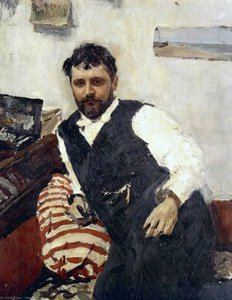
Diego Martelli


Giovanni Boldini's 'Portrait of Diego Martelli' (1865) captures a moment of quiet intimacy with dynamic brushwork and rich color, showcasing the artist’s signature style.
 Devamını Oku
Giovanni Boldini (1842-1931), Belle Époque döneminin zarif portreleriyle ünlü İtalyan Empresyonist ressamdır. Akıcı ve dinamik tarzıyla tanınan 'Swish Ustası'nın eserlerini keşfedin!
Giclée / Sanat Baskısı
Hızlı üretim ve esnek bitiş seçenekleriyle müze kalitesinde giclée veya kanvas baskı. ( El Yapımı Tablo Satın Al Dijital Görsel Satışına Geç)




P118B ₺10

P118H ₺10

P118W ₺10

P438Z ₺10

P508JH ₺12

P508YH ₺12

P805H ₺10

P805Z ₺10

P919BZ ₺10

P919G ₺10

P919XJ ₺10

P959ZH ₺10

P968JZ ₺12

W106C ₺8

W218G ₺10

W218JH ₺8

W218Y ₺10

W307PJ ₺10

W316G ₺10

W316PJ ₺8

W316Y ₺10

W398PJ ₺8

W4111J ₺10

W500HY ₺15

W500JH ₺15

W692G ₺12

W849H ₺8

W940BG ₺15

W953PJ ₺8




Standart Boyutlar
özel boyutlu
CM
INCH
Eserin orijinal oranlarıyla uyumlu, önceden belirlenmiş boyutlarımız arasından seçim yapın.
Loading sizes...

genişlik
yükseklik
Çerçevenize veya duvarınıza uygun olması için ihtiyacınız olan genişlik ve yüksekliği yazın. Bir baskı yalnızca kesilebilir, görselden daha büyük hale getirilemez; bu nedenle farklı bir formdaki boyut seçimi, görselin bir kısmının kaybına neden olur. Herhangi bir baskı yapmadan önce onaylamanız için size bir dijital taslak gönderiyoruz. Bu sayfada gösterilen resim gerçek kesimi göstermez — bunu yalnızca taslak gösterir.
Dünya Çapında Teslimat (); standart 4/5 hafta yerine 2 haftada. (31 Ekim)

Dünya Çapında Ücretsiz Ekspres Kargo

Yüksek Kaliteli Keten Tuval

Tam Nakliye Sigortası

Gümrük Vergisi İadesi Garantisi

Gerçek Renk Uyumu Garantisi

100 Günlük İade Koşulları (Sadece Üretim Hatalı Ürünler İçin)

%100 Para İade Garantisi

Toplu Alım Avantajı
 Cam seçeneği yalnızca 110 cm altındaki boyutlar için mevcuttur.

Diego Martelli
Giclée / Sanat Baskısı
Baskı Boyutu
-


Toplam Fiyat
₺ 3391
Giovanni Boldini’s “Portrait of Diego Martelli” – A Window into Belle Époque Parisian Life
Giovanni Boldini's "Portrait of Diego Martelli," painted circa 1865, isn’t merely a likeness; it’s a carefully constructed tableau vivant, a snapshot of a specific moment in time and a testament to the artist’s remarkable ability to capture not just appearance but also character and atmosphere. This painting, now housed within the Palazzo Pitti in Florence, offers a captivating glimpse into the vibrant social scene of late 19th-century Paris – a world of artistic ferment, intellectual discourse, and burgeoning modernity. Boldini, already establishing himself as a master of portraiture, skillfully employs a technique that blends elements of Realism with the subtle influences of the Macchiaioli movement, creating an image both grounded in observation and imbued with a dynamic energy.
The subject, Diego Martelli, an Italian art critic instrumental in championing Impressionism within Italy, is depicted seated on the floor, a posture remarkably unconventional for formal portraits of the era. This deliberate choice immediately establishes a sense of intimacy and informality, suggesting a relaxed conversation or perhaps a shared moment of contemplation. Martelli’s attire – a dark, simple suit and hat – contrasts subtly with the vibrant, almost luminous, cloth draped across his lap, hinting at a connection to the natural world and a rejection of rigid social conventions. Boldini's masterful use of light is crucial; it doesn’t simply illuminate the subject but sculpts their form, creating depth and volume within the relatively small canvas.
The Influence of Macchiaioli Realism
Boldini’s artistic journey was profoundly shaped by his encounter with the Macchiaioli – a group of Tuscan painters who prioritized capturing fleeting moments and atmospheric effects over meticulous detail. This influence is evident in “Portrait of Diego Martelli” through Boldini's loose brushwork, particularly noticeable in the rendering of the fabric and background. Rather than striving for photographic accuracy, he employs broken color and visible strokes to convey a sense of immediacy and spontaneity – a hallmark of the Macchiaioli’s approach. The muted palette, dominated by browns, grays, and ochres, further reinforces this connection to nature and the transient qualities of light.
Furthermore, Boldini's composition echoes the Macchiaioli’s penchant for depicting subjects within their natural surroundings. The glimpse of a window in the background suggests a domestic setting, grounding Martelli in a specific place and time. This subtle inclusion adds layers of meaning to the portrait, inviting viewers to imagine the context of the scene and the lives of those depicted.
Symbolism and Emotional Resonance
Beyond its technical brilliance, “Portrait of Diego Martelli” is rich in symbolic detail. The seated position itself can be interpreted as a gesture of humility or openness, suggesting that Martelli is willing to share his thoughts and ideas with the viewer. The red cloth draped across his lap – a splash of vibrant color against the muted background – could symbolize passion, creativity, or perhaps even the revolutionary spirit of Impressionism. The direct gaze of Martelli’s eyes draws the viewer into the portrait, creating a powerful connection between subject and observer.
Boldini masterfully captures not just a physical likeness but also an essence—a sense of intellectual curiosity, quiet contemplation, and perhaps even a touch of melancholy. The painting evokes a feeling of intimacy and invites us to step back in time and witness a pivotal moment in the history of art.
A Masterpiece of Belle Époque Portraiture
“Portrait of Diego Martelli” stands as a quintessential example of Giovanni Boldini’s signature style – a captivating blend of realism, dynamism, and psychological insight. It's a painting that rewards careful observation, revealing new details with each viewing. Boldini’s ability to capture the fleeting moments of human interaction and imbue his portraits with emotional resonance cemented his reputation as “the Master of Swish,” a title reflecting both his distinctive brushwork and his remarkable talent for portraying the allure and sophistication of Parisian society during the Belle Époque. Reproductions of this iconic work offer a beautiful opportunity to bring a piece of art history into your home, capturing the spirit of a bygone era.
Soru ve Cevaplar
Giovanni Boldini imzalı "Diego Martelli", Realism akımı içerisinde nasıl bir duygu ifade ediyor?
Realism akımı içerisinde, "Diego Martelli" eseri Nostalgic bir tonla kaydedilmiştir.
"Diego Martelli" hangi duyguyla ilişkilendiriliyor?
"Diego Martelli", Nostalgic bir duyguyla ilişkilendirilir. Duygusal ton, eserin uyandırdığı izlenimi tanımlar.
Realism akımına ait olan "Diego Martelli" adlı eser hangi ülkeye aittir?
"Diego Martelli", yaratıcısının doğum yeri aracılığıyla Realism akımını İtalya ile ilişkilendiriyor.
İlgili Eserler




Sanatçı Biyografisi
Belle Époque’un Zarafetinin Fırçasından: Giovanni Boldini’nin Hayatı ve Sanatı
Giovanni Boldini, adını Belle Époque döneminin zarafeti ve çekiciliğiyle özdeşleştiren İtalyan bir sanatçıydı. 31 Aralık 1842'de Ferrara, İtalya’da doğan Boldini, Paris sosyetesinde ünlü bir portre ressamı olarak kendine yer edinmeyi başardı. Sanat yolculuğu, dini konulara odaklanan bir ressam olan babasının rehberliğinde başladı. Bu erken dönem deneyimi ona teknik ve kompozisyon konusunda sağlam bir temel kazandırdı; ancak 1862'de Floransa’ya taşınması yaratıcı ruhunu gerçekten ateşledi. Orada, ışık, renk ve spontane uygulamaya önem veren İtalyan gerçekçi ressamlarından oluşan Macchiaioli grubuna rastladı. Bu karşılaşma çok önemli oldu ve Boldini’nin manzaralarını yeni bir canlılıkla etkiledi. Ancak asıl ünü, konularının özünü portre yoluyla yakalamasıyla elde etti.Floransa'dan Paris Sosyetesine
Boldini’nin sanat yolu onu önce Londra’ya götürdü; burada Lady Holland ve Westminster Düşesi gibi önde gelen figürlerin portreleriyle hızla tanındı. Bu erken başarısı, 1872 yılında hem evi hem de musası olacak olan Paris'e taşınmasının önünü açtı. Paris'te Boldini, Edgar Degas ile arkadaşlık kurarak ve Fransız başkentinin karmaşık sosyal ortamında gezinerek sanatsal ortama kendini kaptırdı. Akıcılık, dinamizm ve neredeyse teatral bir havayla karakterize edilen kendine özgü bir stil geliştirdi. Fırça darbeleri sadece tanımlayıcı değildi; konularının etrafındaki hareketi, kişiliği ve havayı yakalamış gibi görünüyordu. Bu benzersiz yaklaşımı ona 1933 yılında “Swish Ustası” unvanını kazandırdı; bu da eserlerine nüfuz eden zarif enerjinin bir kanıtıydı. Paris yüksek sosyetesinin portre ressamı oldu ve aktrislerin, sosyetiklerin ve aristokratların göz alıcı yaşamlarını ölümsüzleştirdi.Teknik ve Etkiler
Boldini’nin tekniği, tasvir ettiği kişilikler kadar büyüleyiciydi. Tuvalleri genellikle büyük ölçekliydi; bu da ona görkem ve varlık hissi vermesini sağlıyordu. Renk katmanları oluşturarak doku ve derinlik yaratmak için gevşek, dışa dönük bir fırça darbesi kullandı. Bu yaklaşım, detaylara olan keskin gözü ve geçici ifadeleri yaklama yeteneğiyle birleştiğinde, hem çarpıcı derecede gerçekçi hem de yadsınamaz bir tarzla dolu portreler ortaya çıkardı. Macchiaioli’nin ışık ve spontane vurgusundan etkilenen Boldini, John Singer Sargent ve Paul Helleu gibi sanatçılardan da ilham aldı; bunların dinamik fırça darbeleri sanatsal duyarlılıklarıyla yankılandı. Sadece benzerlikleri çoğaltmıyordu; izlenimler yaratıyordu—karakterin ve sosyal statünün canlı temsilleri. Portreleri sadece birer görüntü değildi; ifadelerdi.Mirası ve Yeniden Keşfi
Kariyeri boyunca Boldini, 1895, 1903, 1905 ve 1912 yıllarında Venedik Bienali’nde dahil olmak üzere geniş çapta sergiler düzenledi. Sanata yaptığı katkılar için Légion d'honneur ödülünü aldı; bu da onu Paris sanat dünyasında önde gelen bir figür olarak konumunu pekiştirdi. Ancak hayatının sonlarına doğru, Boldini’nin popülaritesi sanatsal zevklerin değişmesiyle azaldı. Resim yapmaya devam etti; ancak eseri nispeten göz ardı edildi. Son yıllarda ise kayıp eserlerin yeniden keşfedilmesi—2010 yılında Paris'te bir apartmanda bulunan Marthe de Florian’ın büyüleyici portresi gibi—Boldini’nin sanatına olan takdiri yeniden canlandırdı ve Belle Époque sanatına yaptığı önemli katkıya yeni bir dikkat çekti. Bu resim etrafındaki hikaye—on yıllarca süren inzivadan sonra ortaya çıkarılan unutulmuş bir hazine—hem sanatçıya hem de konularına gizem katıyor.Kalıcı Bir İzlenim
Giovanni Boldini, 11 Ocak 1931'de Paris’te vefat etti; geride zamanının en moda ve yenilikçi portre ressamlarından biri olarak bir miras bıraktı. Eserleri, geçmişin zarafeti, inceliği ve sanatsal parlaklığına bir bakış sunarak sanatçıları ve sanat meraklılarını ilham vermeye devam ediyor. Sadece toplumu belgelemekle kalmıyordu; kutluyordu—güzelliğini, enerjisini ve zamansız çekiciliğini tuval üzerine yansıtıyordu. Boldini’nin portreleri, becerisine, vizyonuna ve resim eylemini büyüleyici bir performansa dönüştürme yeteneğine güçlü tanıklıklar olmaya devam ediyor.- Boldini’nin etkisi çağdaş portrelerde görülebilir.
- Eserleri dünya çapındaki büyük müzelerde sergileniyor.
- Kayıp eserlerin yeniden keşfedilmesi bilimsel ilgiyi artırmaya devam ediyor.

Giovanni Boldini
1842 - 1931 , İtalya
Kısa Bilgiler
- Bu Sanatçıdan Etkilenenler: ['John Singer Sargent']
- Doğum Tarihi: 31 Aralık 1842
- Doğum Yeri: Ferrara, İtalya
- Etkilendiği Sanatçılar: ['Macchiaioli ressamları']
- Sanatsal Akım: Empresyonizm
- Tam Adı: Giovanni Boldini
- Uyruğu: İtalyan
- Ölüm Tarihi: 11 Ocak 1931
- Önemli Eserleri:
- Kontes de Rasty
- Marly'deki Makine
İlgili Yazılar

The Raw Truth: A Definitive Guide to the Power and Legacy of Social Realism Art
Explore the profound impact of Social Realism. Discover how masters like Courbet rejected idealism to capture the raw, socio-political truths of the working class through powerful, unvarnished art history and enduring visual critique.

The Unvarnished Truth: A Cultural Journey Through the Soul of American Realism
Explore the profound beauty of American Realism. From the Ashcan School's urban grit to intimate portraits, discover how artists captured the authentic soul of a nation through unvarnished truth and masterful observation.