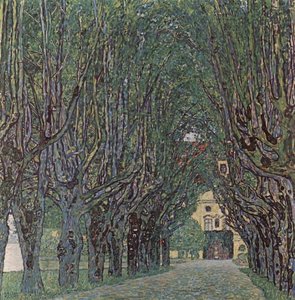
A Glimpse into Klimt’s Golden World: Exploring “The Maiden”
Gustav Klimt's "The Maiden," painted in 1913, is a captivating example of his celebrated ‘Golden Phase,’ a period defined by opulent surfaces and symbolic depth. This artwork isn’t merely a portrait; it’s an evocation of feminine mystique and the artist’s evolving style. The painting presents a young woman rendered with Klimt's signature blend of realism and decorative abstraction, inviting viewers into a realm where beauty and introspection intertwine.
Subject & Composition
The artwork depicts a three-quarter view of a young woman, her form gracefully positioned against an abstracted landscape backdrop. Her downward gaze suggests a quiet contemplation, fostering a sense of intimacy and psychological depth. Klimt masterfully employs swirling lines and organic shapes to define the figure, blurring the boundaries between subject and environment. The composition is densely layered, creating a rich visual tapestry that draws the eye across the canvas.
Style & Technique: A Symphony in Gold
“The Maiden” exemplifies Klimt’s unique artistic vocabulary. He seamlessly integrates oil paint with shimmering gold leaf – a technique inspired by his father's work as a goldsmith and Byzantine mosaics encountered during travels to Ravenna, Italy. This lavish use of gold isn’t merely decorative; it elevates the painting to an almost iconographic status, imbuing the figure with a sense of ethereal beauty and spiritual significance.
Flattened perspective, characteristic of Klimt's style, emphasizes the two-dimensionality of the work, while intricate patterns adorn both the figure and background, creating a harmonious visual rhythm. The
impasto technique – applying paint thickly – adds texture and depth to the surface.
Historical Context & Vienna Secession
Klimt was a leading figure in the Vienna Secession movement, a group of artists who rebelled against the conservative artistic establishment of Austria-Hungary. The Secessionists sought to create a “total work of art” (Gesamtkunstwerk), integrating painting, sculpture, and decorative arts. "The Maiden" embodies this ethos, showcasing Klimt’s commitment to aesthetic innovation and his rejection of traditional academic styles. The early 20th century was a period of significant social and political upheaval, and Klimt's work often reflects the anxieties and desires of that era.
Symbolism & Interpretation
Klimt’s paintings are rich in symbolism, inviting multiple interpretations. The swirling patterns surrounding the figure can be seen as representing the complexities of the female psyche or the forces of nature. The abstracted landscape suggests a dreamlike state, perhaps alluding to the subconscious mind. Some scholars interpret the painting as an allegory of femininity, while others see it as a reflection of Klimt’s own creative process – the artist transforming raw materials into works of art. The use of gold itself carries symbolic weight, representing divinity, wealth, and spiritual enlightenment.
Emotional Impact & Lasting Legacy
“The Maiden” evokes a sense of quiet beauty, mystery, and introspection. The painting’s delicate color palette and graceful composition create a soothing yet captivating atmosphere. Klimt's ability to capture the essence of feminine allure while simultaneously exploring deeper psychological themes ensures that his work continues to resonate with audiences today. His influence can be seen in countless artists who followed, solidifying his place as one of the most important figures in modern art history.
- Key Features: Gold leaf application, intricate patterns, focus on the female form, flattened perspective.
- Ideal for: Collectors seeking iconic early 20th-century artwork; interior designers aiming to add a touch of Art Nouveau elegance and sophistication to living spaces; art enthusiasts interested in Symbolism and the Vienna Secession.



 Preview
 Tabloyu Sipariş Et
 Paylaş
 Paylaş
 Detayları Gör

 İndir
İndir
 Benzerlerini gör
 X-Işını
 Slayt Gösterisi

 Tümünü Gör






































 Cam seçeneği yalnızca 110 cm altındaki boyutlar için mevcuttur.