


 Önizle
 Gönder
 Paylaş
 Detaylar
 Rehber

 Dosyayı İndir
 Benzerleri
 X-Işını
 Slayt Gösterisi
 İstatistikler
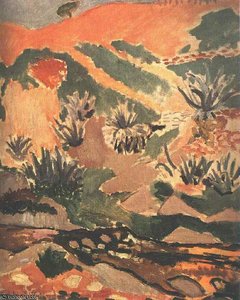
Landscape
 Acrylic On Canvas
- WallArt
- Fauvism
 1904
1904- Renaissance
 32.0 x 40.0 cm
 Devamını Oku
Henri Matisse (1869-1954), Fauvist hareketin öncüsü! Canlı renkleri ve yenilikçi kesme-yapıştırma teknikleriyle modern sanata damgasını vurdu. 'Kaviler' ve 'Müzik Dersi' gibi ikonik eserleriyle tanınır.
Giclée / Sanat Baskısı
Hızlı üretim ve esnek bitiş seçenekleriyle müze kalitesinde giclée veya kanvas baskı. ( El Yapımı Tablo Satın Al Dijital Görsel Satışına Geç)




P118B $10

P118H $10

P118W $10

P438Z $10

P508JH $12

P508YH $12

P805H $10

P805Z $10

P919BZ $10

P919G $10

P919XJ $10

P959ZH $10

P968JZ $12

W106C $8

W218G $10

W218JH $8

W218Y $10

W307PJ $10

W316G $10

W316PJ $8

W316Y $10

W398PJ $8

W4111J $10

W500HY $15

W500JH $15

W692G $12

W849H $8

W940BG $15

W953PJ $8




Standart Boyutlar
özel boyutlu
CM
INCH
Eserin orijinal oranlarıyla uyumlu, önceden belirlenmiş boyutlarımız arasından seçim yapın.
Loading sizes...

genişlik
yükseklik
Belirli bir çerçeveye veya alana uyması için kendi ölçülerinizi girebilirsiniz. Seçtiğiniz boyut orijinal görüntünün oranlarıyla eşleşmiyorsa, sanat eserini kırpacağız veya görüntüyü aynalanmış ya da düz dolgulu bir kenarlıkla genişleteceğiz. Üretim başlamadan önce onayınız için bir dijital taslak gönderilecektir.
Lütfen ekrandaki önizlemenin gerçek kırpma veya genişletmeyi yansıtmadığını unutmayın. Nihai kompozisyonu yalnızca taslak doğru bir şekilde gösterecektir.
Özel boyutlar mevcut olsa da, orijinal oranları korumak için önceden tanımlanmış listeden bir boyut seçmenizi öneririz.
Dünya Çapında Teslimat (); standart 4/5 hafta yerine 2 haftada. (26 Eylül)

Dünya Çapında Ücretsiz Ekspres Kargo

Yüksek Kaliteli Keten Tuval

Tam Nakliye Sigortası

Gümrük Vergisi İadesi Garantisi

Gerçek Renk Uyumu Garantisi

100 Günlük İade Koşulları (Sadece Üretim Hatalı Ürünler İçin)

%100 Para İade Garantisi

Toplu Alım Avantajı
 Cam seçeneği yalnızca 110 cm altındaki boyutlar için mevcuttur.

Landscape
Giclée / Sanat Baskısı
Baskı Boyutu
-


Toplam Fiyat
$ 69
Landscape
Henri Matisse, a French visual artist renowned for his innovative use of color and draughtsmanship, was a leading figure in the Fauvist art movement. His painting titled Landscape is a testament to his skill and creativity, showcasing a colorful landscape featuring a house with a red roof, surrounded by trees and people enjoying the outdoors.
The Artistic Style of Henri Matisse
Matisse's work in the early 20th century was characterized by vibrant colors and bold brushstrokes. His use of color was not only aesthetically pleasing but also served to evoke emotions and create a sense of warmth and energy. In Landscape, Matisse employs a palette of lively hues, capturing various elements of nature such as grass, trees, and buildings in great detail.
Influences and Artistic Movements
Matisse's work was influenced by several artistic movements, including Fauvism and Cubism. His early works were also influenced by Romanticism and Realism. The artist’s exploration of Impressionist forms of expression led him to develop a new pictorial language, emphasizing the underlying structure of objects in a composition and the formal qualities of art.
Other Notable Works by Henri Matisse
- Collioure Landscape - A Fauvist oil on canvas painting that showcases his use of vibrant colors and bold brushstrokes.
- Landscape at Collioure - Another example of Matisse’s Fauvist style, featuring a landscape with buildings and trees.
- Pink Nude, or Seated Nude - A painting that demonstrates Matisse’s ability to capture the human form in a unique and expressive way.
Museums Featuring Henri Matisse's Work
Matisse’s paintings can be found in various museums around the world, including the Musée National d’Art Moderne in Paris, France. This museum is housed in the Centre Georges Pompidou and features an extensive collection of modern and contemporary art.
Conclusion
Henri Matisse's Landscape is a captivating piece that showcases his skill as a painter and his contribution to the Fauvism movement. His use of color and composition creates a sense of warmth and energy, making this painting a standout in his collection.
For more information on Henri Matisse and his works, visit Henri Matisse: Landscape at TopImpressionists.
Photo Description
The painting is a colorful landscape featuring a house with a red roof, surrounded by trees. The scene also includes a fireplace in the middle of the house, adding to its cozy atmosphere. There are several people scattered throughout the image, possibly enjoying the outdoors or attending to their daily activities.
The painting is quite detailed and captures various elements of nature, such as grass, trees, and buildings. The colors used in the painting are vibrant and lively, creating a sense of warmth and energy. Overall, it's an impressive piece that showcases the artist’s skill and creativity.
Size
32 x 40 cm
Date
1904
Artist Information
Henri Matisse (1869-1954)
Born in Le Cateau-Cambrésis, France.
He grew up in Bohain-en-Vermandois, Picardie, the son of grain merchants.
Initially studied law in Paris after secondary school but discovered his passion for art following an appendicitis attack in 1889.
He began experimenting with art supplies provided by his mother during his recovery, marking a turning point in his life.
Additional Research
- Landscape at Collioure - This iconic 1905 painting exemplifies Matisse’s Fauvist style, characterized by audacious color palettes and expressive brushstrokes. The artist meticulously rendered the architectural elements of Collioure—the house with its prominent red roof—against a backdrop of verdant foliage and figures engaged in leisurely pursuits.
- Pink Nude, or Seated Nude - Matisse's masterful depiction of the human form transcends mere representation; it embodies a profound exploration of emotion and gesture. The seated nude is bathed in diffused light, capturing the subtle nuances of posture and expression—a testament to Matisse’s ability to convey psychological depth through visual language.
- The Joy of Life - This vibrant canvas pulsates with Matisse’s signature chromatic exuberance, reflecting his unwavering belief in the transformative power of color. The composition—a dynamic interplay of figures and geometric forms—captures a moment of carefree delight amidst a tranquil landscape, embodying Matisse's artistic vision as a beacon of optimism and vitality.
İlgili Eserler




Sanatçı Biyografisi
Henri Matisse: Renklerin Büyüsüyle Bir Yaşam
Henri Émile Benoît Matisse, 31 Aralık 1869’da Fransa'nın kuzeyindeki küçük Le Cateau-Cambrésis kasabasında doğduğunda, hayatının renk ve formla iç içe geçeceği bir kaderi taşıdığını kim bilebilirdi? Hukuk eğitimi almak için Paris'e giden genç Matisse, 1889’da apandisit rahatsızlığı geçirince hayatı beklenmedik bir yöne evrilecekti. İyileşme sürecinde annesi tarafından hediye edilen boya malzemeleriyle resim yapmaya başlaması, sadece bir zaman geçirme aktivitesi olmaktan öte, gerçek bir aydınlanma anıydı. Bohain-en-Vermandois’da tahıl tüccarı ailesinin oğlu olarak büyüyen Matisse, bohem sanatçı yaşamını benimsemesi pek mümkün görünmese de, o tohum atılmıştı; hastalığın getirdiği zorunlulukla beslenerek hayat boyu sürecek bir tutkuya dönüşmüştü. Akademi Julian ve daha sonra École Nationale des Beaux-Arts’da William-Adolphe Bouguereau ve Gustave Moreau gibi ustalardan dersler alarak klasik teknikleri özümsedi, ancak onu tanımlayacak olan kendine has sesi henüz bulamamıştı. Bu dönemdeki eserlerinde akademik eğitiminin izleri görülürdü; yetenekliydi fakat henüz kendi sesini keşfedememişti.Fauvizm’in Doğuşu ve Cesur Deneyler
1896 yılında John Russell ile birlikte Belle Île'ye yaptığı seyahat, Matisse için bir dönüm noktası oldu. Russell sayesinde hem İzlenimciliğin canlı dünyasına adım attı, hem de Vincent van Gogh’un duygusal yüklü tuval eserleriyle tanıştı. Bu karşılaşmanın etkisi derindi. Van Gogh’un renkleri kullanma biçimi, Matisse'in daha önceki kısıtlı paletini parçaladı ve onu daha cesur, daha öznel bir yaklaşıma yöneltti. Toprak tonlarından uzaklaşarak, duyguyla yankılanan renkleri benimsemeye başladı. Bu keşif, 1905 civarında Fauvizm’in ortaya çıkışıyla doruğa ulaştı—Matisse'in öncü figürlerinden olduğu bir hareket. Harekete verilen “vahşi canavarlar” ismi aslında eleştirici bir yaklaşımdı ve Salon d'Automne'de sergilenen, şok edici derecede canlı ve doğal olmayan renklerle boyanmış eserlere yönelik bir tepkiydi. Matisse, André Derain ve Maurice de Vlaminck gibi sanatçılarla birlikte rengi bağımsız bir ifade unsuru olarak savunarak formları, etkisini güçlendirmek için basitleştirdi. The Gourds (1905) gibi yapıtlar bu tarzı örneklendirir—geleneksel perspektifi ve taklitçi doğruluğu göz ardı eden kırmızıların, yeşillerin ve sarıların bir coşkusu. Bu akımın temel özellikleri arasında yoğun doygulu paletler, basitleştirilmiş şekiller, ifade edici fırça darbeleri ve geleneksel temsili reddederek duygusal yankıya öncelik verme yer alırdı.İnce Ayarlar ve Süslemeci Uyum
Fauvizm’in ilk heyecanından sonra Matisse'in tarzı, ince fakat önemli bir evrim geçirdi. Rengini asla terk etmese de, çalışmaları daha süslemeci bir estetiğe doğru kaydı, düzleştirilmiş formları ve karmaşık desenleri vurguladı. Bohem yaşamın temalarını, iç mekanlardaki figürleri sakin ortamlarda ele alarak hem uyumlu hem de duygusal olarak yankı uyandıran kompozisyonlar yarattı. 1917'de Fransız Rivierası’ndaki Nice şehrine taşınması bu değişimi daha da etkiledi ve çalışmalarına dinginlik ve klasik denge getirdi. Bu dönemde seramikler ve tekstiller de dahil olmak üzere farklı tekniklerle deneyerek sanatsal vizyonunu geleneksel tuvalin ötesine taşıdı. Sadece sahneler tasvir etmekle kalmıyor, izleyiciyi belirli bir duygusal tepki uyandırmak için tasarlanmış ortamlar inşa ediyordu.Son Yıllar: Kısıtlamalar Arasında Yenilik
Azalan sağlığı geleneksel yöntemlerle resim yapma yeteneğini kısıtladıkça Matisse, sanat yolculuğunda olağanüstü bir yeni bölüm açtı—kesilmiş kağıt kolajlar veya *découpages* yaratmak. 1947 civarında başlayan bu teknik, aslında bir gereklilikten doğdu. Tekerlekli sandalyeye mahkum olan Matisse artık ayakta durup resim yapamıyordu, ancak makaslarla kağıdı manipüle edebiliyordu. Pratik bir çözüm olarak başlayan şey, renk, form ve kompozisyon açısından hem dinamik hem de aldatıcı derecede basit kompozisyonlar yaratan çığır açan bir sanatsal teknik haline geldi. Bu *découpages* sadece resmin yerine geçmekle kalmıyor; aynı zamanda rengin, biçimin ve kompozisyonun düşünülme biçiminde yeni bir yolculuğu temsil ediyordu. Fiziksel sınırlamalarla karşı karşıya kalsa bile sanat görüşünü canlı tuttuğunu göstererek bu unsurları hayat boyu keşfetmeye devam etti.- Kesilmiş kağıt tekniği, boyayla elde etmesi zor olan form ve renk saflığına ulaşmasını sağladı.
- Bu eserler genellikle daha önceki resimlerinden alınan temaları ve motifleri yansıtıyor ancak bunları taze ve yenilikçi bir şekilde sunuyordu.
- Sanatçı olarak kariyeri boyunca uyum sağlayabilme ve evrim geçirebilme yeteneğini gösterdi.
Süregelen Miras: Matisse'in Modern Sanattaki Etkisi
Henri Matisse, 1954 yılında Nice’de hayata veda ettiğinde geride, dünya çapında izleyicileri büyülemeye devam eden bir eser bıraktı. Sanat dünyası üzerindeki etkisi yadsınamaz; geleneksel temsiliyet kavramlarını sorguladı, rengin ifade gücünü savundu ve gelecek nesil sanatçılar için öncü oldu. Pablo Picasso ile birlikte 20. yüzyıl sanatının en etkileyici figürlerinden biri olarak kabul edilen Matisse, modernizmi kökten değiştirdi. Mirası eserlerinin ötesine geçerek neşe, güzellik ve rengin dönüştürücü potansiyeli kutlayan bir felsefeyi de kapsar. Sadece gördüğü gibi resim yapmakla kalmıyor; izleyici için duygusal bir deneyim yaratıyordu, onu ışık ve canlı renklerle dolu bir dünyanın vizyonunu paylaşmaya davet ediyordu. Matisse'in etkisi çeşitli disiplinlerdeki sayısız eserde görülebilir, bu da onu modern sanatın gerçek bir ustası olarak pekiştirir—hayal gücü, uyum ve sınırsız olasılıklarla dolu bir dünya olarak gördüğü şeyi resmetmeye cesaret eden bir ressam.
Henri Matisse
1869 - 1954 , Fransa
Kısa Bilgiler
- Artistic Movement Or Style: Fauvizm
- Artists Or Movements Influenced By This Artist:
- Modernizm
- İfadecilik
- Artists Who Influenced This Artist:
- Van Gogh
- John Russell
- Chardin
- Date Of Birth: 31 Aralık 1869
- Date Of Death: 3 Kasım 1954
- Full Name: Henri Émile Benoît Matisse
- Nationality: Fransız
- Notable Artworks:
- The Gourds
- Laurette in a White Turban
- Place Of Birth: Le Cateau-Cambrésis, Fransa
İlgili Yazılar
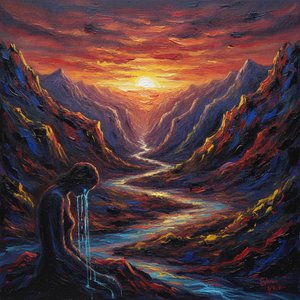
Capturing Emotion: A Journey Through the Soul of Expressionist Landscapes
Explore the profound emotional depth of Expressionist landscapes. Discover how Post-Impressionist masters moved beyond light to capture the soul through vibrant color and form. A curated journey for true art lovers seeking the beauty of expressive mastery.
Temalara, stillere ve özelliklere göre gruplandırılmış sanat eserlerini keşfedin.


