


 Önizle
 Gönder
 Paylaş
 Detaylar
 Rehber

 Dosyayı İndir
 Benzerleri
 X-Işını
 Slayt Gösterisi
 İstatistikler
The Palm
 Acrylic On Canvas
- WallArt
- Fauvism
 1912
1912- Modern
 116.0 x 81.0 cm
 Devamını Oku
Henri Matisse (1869-1954), Fauvist hareketin öncüsü! Canlı renkleri ve yenilikçi kesme-yapıştırma teknikleriyle modern sanata damgasını vurdu. 'Kaviler' ve 'Müzik Dersi' gibi ikonik eserleriyle tanınır.
Giclée / Sanat Baskısı
Hızlı üretim ve esnek bitiş seçenekleriyle müze kalitesinde giclée veya kanvas baskı. ( El Yapımı Tablo Satın Al Dijital Görsel Satışına Geç)




P118B ₺10

P118H ₺10

P118W ₺10

P438Z ₺10

P508JH ₺12

P508YH ₺12

P805H ₺10

P805Z ₺10

P919BZ ₺10

P919G ₺10

P919XJ ₺10

P959ZH ₺10

P968JZ ₺12

W106C ₺8

W218G ₺10

W218JH ₺8

W218Y ₺10

W307PJ ₺10

W316G ₺10

W316PJ ₺8

W316Y ₺10

W398PJ ₺8

W4111J ₺10

W500HY ₺15

W500JH ₺15

W692G ₺12

W849H ₺8

W940BG ₺15

W953PJ ₺8




Standart Boyutlar
özel boyutlu
CM
INCH
Eserin orijinal oranlarıyla uyumlu, önceden belirlenmiş boyutlarımız arasından seçim yapın.
Loading sizes...

genişlik
yükseklik
Belirli bir çerçeveye veya alana uyması için kendi ölçülerinizi girebilirsiniz. Seçtiğiniz boyut orijinal görüntünün oranlarıyla eşleşmiyorsa, sanat eserini kırpacağız veya görüntüyü aynalanmış ya da düz dolgulu bir kenarlıkla genişleteceğiz. Üretim başlamadan önce onayınız için bir dijital taslak gönderilecektir.
Lütfen ekrandaki önizlemenin gerçek kırpma veya genişletmeyi yansıtmadığını unutmayın. Nihai kompozisyonu yalnızca taslak doğru bir şekilde gösterecektir.
Özel boyutlar mevcut olsa da, orijinal oranları korumak için önceden tanımlanmış listeden bir boyut seçmenizi öneririz.
Dünya Çapında Teslimat (); standart 4/5 hafta yerine 2 haftada. (11 Ekim)

Dünya Çapında Ücretsiz Ekspres Kargo

Yüksek Kaliteli Keten Tuval

Tam Nakliye Sigortası

Gümrük Vergisi İadesi Garantisi

Gerçek Renk Uyumu Garantisi

100 Günlük İade Koşulları (Sadece Üretim Hatalı Ürünler İçin)

%100 Para İade Garantisi

Toplu Alım Avantajı
 Cam seçeneği yalnızca 110 cm altındaki boyutlar için mevcuttur.

The Palm
Giclée / Sanat Baskısı
Baskı Boyutu
-


Toplam Fiyat
₺ 3354
A Burst of Mediterranean Light: Henri Matisse’s “The Palm”
Henri Matisse's "The Palm," painted in 1912 during his pivotal exploration of Fauvism, isn’t merely a depiction of a sunny afternoon; it’s an explosion of color and emotion captured on canvas. This vibrant scene, housed within the walls of The Museum of the Annunciation in France, offers a glimpse into a transformative period in art history – a time when artists deliberately rejected academic realism in favor of subjective experience and the raw power of color. Measuring 116 x 81 cm, “The Palm” invites us to step into a world where nature’s beauty is amplified through Matisse's bold artistic vision.
At first glance, the painting presents two figures strolling beneath the shade of palm trees against a backdrop of lush greenery. However, this seemingly simple composition quickly reveals itself as a carefully orchestrated symphony of color and form. The palette is dominated by intense blues, yellows, and oranges – hues that Matisse himself famously described as “the true colors of things.” These aren’t muted or blended; they are applied with thick, deliberate brushstrokes, creating a sense of dynamism and immediacy. Two strategically placed umbrellas add an unexpected element of everyday life to the idyllic setting, hinting at human presence without disrupting the painting's overall mood of serene beauty.
The Fauvist Revolution: Color as Emotion
“The Palm” is inextricably linked to the rise of Fauvism – a movement that Matisse spearheaded alongside André Derain. Fauves, meaning “wild beasts,” deliberately abandoned traditional color conventions, using vibrant, non-naturalistic hues to express their emotions and perceptions. This wasn’t about accurately representing reality; it was about conveying feeling through color itself. Influenced by the bold colors of African masks and textiles – a fascination Matisse cultivated during his travels – he sought to liberate color from its descriptive function, allowing it to stand on its own as a powerful artistic tool.
The simplification of forms within “The Palm” is another key characteristic of Fauvism. The figures are rendered with minimal detail, almost like stylized silhouettes, emphasizing their presence and movement rather than precise anatomical representation. This approach aligns perfectly with Matisse’s belief that the essence of a subject – its spirit or feeling – was more important than its literal form. The palm trees themselves, depicted with slender trunks and feathery leaves, provide a touch of naturalism while simultaneously contributing to the painting's overall sense of vibrancy.
Proto-Cubism and Matisse’s Artistic Journey
“The Palm” represents an important transitional phase in Matisse’s artistic development – a period often referred to as Proto-Cubism. While not fully embracing the geometric fragmentation of Cubism, Matisse began experimenting with flattened perspectives and simplified shapes, laying the groundwork for this revolutionary movement. This shift reflects a broader trend within early 20th-century art, as artists increasingly questioned traditional notions of representation and explored new ways of perceiving and depicting the world.
Matisse’s exploration of color and form during this period was profoundly influential, paving the way for subsequent movements like Abstract Expressionism. His willingness to challenge established conventions and prioritize emotional expression helped to redefine the boundaries of modern art. “The Palm” stands as a testament to his innovative spirit and enduring legacy – a vibrant reminder that art can be both beautiful and deeply expressive.
A Legacy of Color and Emotion
“The Palm” continues to captivate audiences today with its joyous palette, dynamic composition, and evocative atmosphere. It’s more than just a pretty picture; it's a window into the mind of one of the 20th century’s most influential artists. As a pivotal work in the history of Fauvism and Proto-Cubism, “The Palm” represents a significant step towards abstraction and expressionism, demonstrating Matisse’s profound impact on the evolution of modern art. For those seeking to experience the brilliance of Matisse's vision, reproductions like those offered by TopImpressionists.com provide an accessible way to bring this extraordinary artwork into your home or studio.
- Fauvism: A style characterized by bold colors and energetic brushstrokes.
- Proto-Cubism: An intermediary phase in the history of art, leading to Cubism.
- Henri Matisse: A French artist known for his use of color and fluid draughtsmanship.
For further exploration of Fauvism and Proto-Cubism, consider visiting these resources:
You might also enjoy exploring Matisse’s other masterpieces, such as “La Danse (first version)” and “Nature morte aux oranges,” available for reproduction on TopImpressionists.com.
Soru ve Cevaplar
Henri Matisse, "The Palm" eserini kaç yaşında yaptı?
"The Palm" adlı eser 1912 yılında yaratıldığında, 1869 yılında doğan Henri Matisse, 43 yaşındaydı.
"The Palm" eserinin renkleri canlı mı yoksa yumuşak mı görünüyor?
Henri Matisse imzalı "The Palm" eserindeki renkler Balanced yoğunluğundadır.
"The Palm" ne zaman yapıldı?
"The Palm", 1912 yılına tarihlenmektedir. Bu tarih, eseri Henri Matisse kariyerinin ve dönemin içerisine yerleştirmektedir.
Henri Matisse imzalı "The Palm" hangi duyguyu yansıtıyor?
Henri Matisse imzalı "The Palm", Joyful bir duygusal ton yansıtıyor.
Henri Matisse imzalı "The Palm" eserinin el boyaması bir reprodüksiyonunu nereden satın alabilirim?
Henri Matisse imzalı "The Palm" eserinin el boyaması reprodüksiyonunu, sipariş üzerine hazırlanan keten kanvas üzerine el boyaması yağlı boya reprodüksiyon üzerinden doğrudan bu sayfa adresinden sipariş edebilirsiniz.
"The Palm" eserini kim yarattı?
"The Palm", Henri Matisse tarafından yaratılmıştır. Bu sayfadaki bilgiler Henri Matisse imzalı orijinal esere aittir.
Henri Matisse imzalı "The Palm" eserinin renkleri canlı mı yoksa mat mı?
Henri Matisse imzalı "The Palm" eserinin renkleri Balanced Soft doygunluğa sahiptir. Doygunluk, renklerin ne kadar canlı veya mat olduğunu ifade eder.
İlgili Eserler


Sanatçı Biyografisi
Henri Matisse: Renklerin Büyüsüyle Bir Yaşam
Henri Émile Benoît Matisse, 31 Aralık 1869’da Fransa'nın kuzeyindeki küçük Le Cateau-Cambrésis kasabasında doğduğunda, hayatının renk ve formla iç içe geçeceği bir kaderi taşıdığını kim bilebilirdi? Hukuk eğitimi almak için Paris'e giden genç Matisse, 1889’da apandisit rahatsızlığı geçirince hayatı beklenmedik bir yöne evrilecekti. İyileşme sürecinde annesi tarafından hediye edilen boya malzemeleriyle resim yapmaya başlaması, sadece bir zaman geçirme aktivitesi olmaktan öte, gerçek bir aydınlanma anıydı. Bohain-en-Vermandois’da tahıl tüccarı ailesinin oğlu olarak büyüyen Matisse, bohem sanatçı yaşamını benimsemesi pek mümkün görünmese de, o tohum atılmıştı; hastalığın getirdiği zorunlulukla beslenerek hayat boyu sürecek bir tutkuya dönüşmüştü. Akademi Julian ve daha sonra École Nationale des Beaux-Arts’da William-Adolphe Bouguereau ve Gustave Moreau gibi ustalardan dersler alarak klasik teknikleri özümsedi, ancak onu tanımlayacak olan kendine has sesi henüz bulamamıştı. Bu dönemdeki eserlerinde akademik eğitiminin izleri görülürdü; yetenekliydi fakat henüz kendi sesini keşfedememişti.Fauvizm’in Doğuşu ve Cesur Deneyler
1896 yılında John Russell ile birlikte Belle Île'ye yaptığı seyahat, Matisse için bir dönüm noktası oldu. Russell sayesinde hem İzlenimciliğin canlı dünyasına adım attı, hem de Vincent van Gogh’un duygusal yüklü tuval eserleriyle tanıştı. Bu karşılaşmanın etkisi derindi. Van Gogh’un renkleri kullanma biçimi, Matisse'in daha önceki kısıtlı paletini parçaladı ve onu daha cesur, daha öznel bir yaklaşıma yöneltti. Toprak tonlarından uzaklaşarak, duyguyla yankılanan renkleri benimsemeye başladı. Bu keşif, 1905 civarında Fauvizm’in ortaya çıkışıyla doruğa ulaştı—Matisse'in öncü figürlerinden olduğu bir hareket. Harekete verilen “vahşi canavarlar” ismi aslında eleştirici bir yaklaşımdı ve Salon d'Automne'de sergilenen, şok edici derecede canlı ve doğal olmayan renklerle boyanmış eserlere yönelik bir tepkiydi. Matisse, André Derain ve Maurice de Vlaminck gibi sanatçılarla birlikte rengi bağımsız bir ifade unsuru olarak savunarak formları, etkisini güçlendirmek için basitleştirdi. The Gourds (1905) gibi yapıtlar bu tarzı örneklendirir—geleneksel perspektifi ve taklitçi doğruluğu göz ardı eden kırmızıların, yeşillerin ve sarıların bir coşkusu. Bu akımın temel özellikleri arasında yoğun doygulu paletler, basitleştirilmiş şekiller, ifade edici fırça darbeleri ve geleneksel temsili reddederek duygusal yankıya öncelik verme yer alırdı.İnce Ayarlar ve Süslemeci Uyum
Fauvizm’in ilk heyecanından sonra Matisse'in tarzı, ince fakat önemli bir evrim geçirdi. Rengini asla terk etmese de, çalışmaları daha süslemeci bir estetiğe doğru kaydı, düzleştirilmiş formları ve karmaşık desenleri vurguladı. Bohem yaşamın temalarını, iç mekanlardaki figürleri sakin ortamlarda ele alarak hem uyumlu hem de duygusal olarak yankı uyandıran kompozisyonlar yarattı. 1917'de Fransız Rivierası’ndaki Nice şehrine taşınması bu değişimi daha da etkiledi ve çalışmalarına dinginlik ve klasik denge getirdi. Bu dönemde seramikler ve tekstiller de dahil olmak üzere farklı tekniklerle deneyerek sanatsal vizyonunu geleneksel tuvalin ötesine taşıdı. Sadece sahneler tasvir etmekle kalmıyor, izleyiciyi belirli bir duygusal tepki uyandırmak için tasarlanmış ortamlar inşa ediyordu.Son Yıllar: Kısıtlamalar Arasında Yenilik
Azalan sağlığı geleneksel yöntemlerle resim yapma yeteneğini kısıtladıkça Matisse, sanat yolculuğunda olağanüstü bir yeni bölüm açtı—kesilmiş kağıt kolajlar veya *découpages* yaratmak. 1947 civarında başlayan bu teknik, aslında bir gereklilikten doğdu. Tekerlekli sandalyeye mahkum olan Matisse artık ayakta durup resim yapamıyordu, ancak makaslarla kağıdı manipüle edebiliyordu. Pratik bir çözüm olarak başlayan şey, renk, form ve kompozisyon açısından hem dinamik hem de aldatıcı derecede basit kompozisyonlar yaratan çığır açan bir sanatsal teknik haline geldi. Bu *découpages* sadece resmin yerine geçmekle kalmıyor; aynı zamanda rengin, biçimin ve kompozisyonun düşünülme biçiminde yeni bir yolculuğu temsil ediyordu. Fiziksel sınırlamalarla karşı karşıya kalsa bile sanat görüşünü canlı tuttuğunu göstererek bu unsurları hayat boyu keşfetmeye devam etti.- Kesilmiş kağıt tekniği, boyayla elde etmesi zor olan form ve renk saflığına ulaşmasını sağladı.
- Bu eserler genellikle daha önceki resimlerinden alınan temaları ve motifleri yansıtıyor ancak bunları taze ve yenilikçi bir şekilde sunuyordu.
- Sanatçı olarak kariyeri boyunca uyum sağlayabilme ve evrim geçirebilme yeteneğini gösterdi.
Süregelen Miras: Matisse'in Modern Sanattaki Etkisi
Henri Matisse, 1954 yılında Nice’de hayata veda ettiğinde geride, dünya çapında izleyicileri büyülemeye devam eden bir eser bıraktı. Sanat dünyası üzerindeki etkisi yadsınamaz; geleneksel temsiliyet kavramlarını sorguladı, rengin ifade gücünü savundu ve gelecek nesil sanatçılar için öncü oldu. Pablo Picasso ile birlikte 20. yüzyıl sanatının en etkileyici figürlerinden biri olarak kabul edilen Matisse, modernizmi kökten değiştirdi. Mirası eserlerinin ötesine geçerek neşe, güzellik ve rengin dönüştürücü potansiyeli kutlayan bir felsefeyi de kapsar. Sadece gördüğü gibi resim yapmakla kalmıyor; izleyici için duygusal bir deneyim yaratıyordu, onu ışık ve canlı renklerle dolu bir dünyanın vizyonunu paylaşmaya davet ediyordu. Matisse'in etkisi çeşitli disiplinlerdeki sayısız eserde görülebilir, bu da onu modern sanatın gerçek bir ustası olarak pekiştirir—hayal gücü, uyum ve sınırsız olasılıklarla dolu bir dünya olarak gördüğü şeyi resmetmeye cesaret eden bir ressam.
Henri Matisse
1869 - 1954 , Fransa
Kısa Bilgiler
- Artistic Movement Or Style: Fauvizm
- Artists Or Movements Influenced By This Artist:
- Modernizm
- İfadecilik
- Artists Who Influenced This Artist:
- Van Gogh
- John Russell
- Chardin
- Date Of Birth: 31 Aralık 1869
- Date Of Death: 3 Kasım 1954
- Full Name: Henri Émile Benoît Matisse
- Nationality: Fransız
- Notable Artworks:
- The Gourds
- Laurette in a White Turban
- Place Of Birth: Le Cateau-Cambrésis, Fransa
İlgili Yazılar

Arboreal Echoes: A Historical & Artistic Exploration of Trees in Painting
Explore the rich history of trees in painting! Discover symbolism, Romantic masterpieces by Caspar David Friedrich & beyond. A curated journey for art enthusiasts.

Fauvism's Boldest Visions: 10 Masterpieces That Revolutionized Modern Art | TopImpressionists
Explore 10 Fauvist masterpieces by Matisse, Derain & Vlaminck that ignited Modern Art! Discover bold colors, expressionist landscapes & the history of this revolutionary movement. Find museum-quality prints at TopImpressionists.com.

Henri Matisse'ın En İyi 25 Eseri: Renklerin Büyülü Dünyası | TopImpressionists
Henri Matisse'ın en ikonik 25 eserini keşfedin! Fauvism akımının öncüsü olan bu modern sanat dehasının renkli dünyasına yolculuk yapın. Sanat baskıları ve ev dekorasyonu için TopImpressionists.com'da ilham alın. Koleksiyonu şimdi keşfedin!
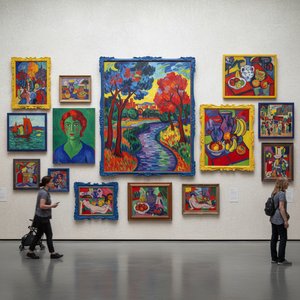
Fauvizm'i Yükselten 10 Başyapıt: Sanat ve Ev Dekorasyonunda Renk Devrimi
Fauvizm'in en etkileyici 10 başyapıtını keşfedin! Matisse, Derain ve Vlamink gibi ustaların renkli dünyasına dalın. Sanat tarihi, ifadeci sanat ve ev dekorasyonunda fauvist esintiler... TopImpressionists.com’da tüm eserleri inceleyin!

Romantik Resmin Zirveleri: Evinizi Sanatla Süsleyen 10 Usta Manzara
Romantizm sanatının en etkileyici 10 başyapıtını keşfedin! Friedrich, Turner gibi ustaların büyüleyici manzaralarıyla evinizi dönüştürün. Sanat tarihi ve dekorasyon rehberi TopImpressionists.com'da tüm koleksiyonu inceleyin.
Temalara, stillere ve özelliklere göre gruplandırılmış sanat eserlerini keşfedin.


