Gerçek Boyutta Önizle
 Paylaş
 Paylaş
 Detayları Gör
 Rehber

 İndir
İndir
 Benzer ürünler
 X-Işını
 Slayt Gösterisi
 Soru & Cevap
 İstatistikler
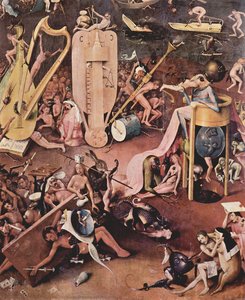
İvan Efendi Patmos'ta (ters)

- 39.0 x 39.0 cm


İeronymus Bosch’un ‘İvan Efendi Patmos’ta (ters)’ eserini keşfedin. Sembolizm ve karmaşık detaylarla dolu, gerçeküstü Rönesans başyapıtı. Bugün benzersiz bir replikasıyla sahip olun!
 Tümünü Gör
Feeri̇k ve sembolik dünyasıyla Hieronymus Bosch (1450-1516), Rönesans'ın en gizemli sanatçılarından. 'Dünyevi Zevkler Bahçesi' gibi eserleriyle tanınan Bosch, dini temaları çarpıcı imgelerle yorumlayarak sanat tarihine damgasını vurmuştur.
Giclée / Sanat Baskısı
Hızlı üretim ve esnek bitiş seçenekleriyle müze kalitesinde giclée veya kanvas baskı. ( El Yapımı Tablo Satın Al Dijital Görsele Geç)




P118B ₺10

P118H ₺10

P118W ₺10

P438Z ₺10

P508JH ₺12

P508YH ₺12

P805H ₺10

P805Z ₺10

P919BZ ₺10

P919G ₺10

P919XJ ₺10

P959ZH ₺10

P968JZ ₺12

W106C ₺8

W218G ₺10

W218JH ₺8

W218Y ₺10

W307PJ ₺10

W316G ₺10

W316PJ ₺8

W316Y ₺10

W398PJ ₺8

W4111J ₺10

W500HY ₺15

W500JH ₺15

W692G ₺12

W849H ₺8

W940BG ₺15

W953PJ ₺8




Standart
özel boyutlu
CM
INCH
Eserin orijinal oranlarıyla uyumlu, önceden belirlenmiş boyutlarımız arasından seçim yapın.
Loading sizes...

genişlik
yükseklik
Çerçevenize veya duvarınıza uygun olması için ihtiyacınız olan genişlik ve yüksekliği yazın. Bir baskı yalnızca kesilebilir, görselden daha büyük hale getirilemez; bu nedenle farklı bir formdaki boyut seçimi, görselin bir kısmının kaybına neden olur. Herhangi bir baskı yapmadan önce onaylamanız için size bir dijital taslak gönderiyoruz. Bu sayfada gösterilen resim gerçek kesimi göstermez — bunu yalnızca taslak gösterir.
Dünya Çapında Teslimat (); standart 4/5 hafta yerine 2 haftada. (3 Kasım)

Dünya Çapında Ücretsiz Ekspres Kargo

Yüksek Kaliteli Keten Kanvas

Tam Nakliye Sigortası

Gümrük Vergisi İadesi Garantisi

Gerçek Renk Uyumu Garantisi

100 Günlük İade Politikası (Sadece Kusurlu Ürünler İçin)

%100 Para İade Garantisi

Toplu Alım İndirimi
 Cam seçeneği yalnızca 110 cm altındaki boyutlar için mevcuttur.

İvan Efendi Patmos'ta (ters)
Giclée / Sanat Baskısı
Reproduksiyon Boyutu
-


Toplam Tutar
₺ 3441
A Visionary’s Retreat: Decoding Bosch's *St John the Evangelist on Patmos (reverse)*
Hieronymus Bosch kalıtsal olarak en gizemli ve büyüleyici sanatçı figürlerinden biridir. 39 x 39 cm boyutlarında, kompakt bir yapım olan bu yağlı boya paneli ve Berlin’deki prestijli Gemäldegalerie’de sergileniyor; sadece dini bir anlatının temsili değil, aynı zamanda sembolizm, ruhaniyet ve geç dönem Orta Çağ’ın endişelerinin içine davet eden karmaşık bir dünyadır. “Ters” tarafı olarak da bilinen bu tablo, kendi belirgin gücüne sahiptir ve onun eş parçası ötesinde düşünmeyi teşvik eder.Konu & Kompozisyon: Yalnız Bir Aziz
Sahne, Kehanüller Kitabı’ndaki tasvirine göre, St. John the Evangelist’in Patmos adasında sürgününü tasvir etmektedir. O, sıklıkla bu anlatıda görülen tanrısal vizyonlar almayı reddeden bir figür değildir; aksine, vizyonların gerçekleşmesinden sonra, sert bir manzara arasında düşüncelere dalmış gibi görünmektedir. Kompozisyon, çarpıcı derecede daireseldir, gözü St. John ve çevresindeki figürlere doğru çeker. İçinde daha küçük bir daire, faaliyet gösteren çeşitli insanlarla dolu hareketli sularda bir tekneyi tasvir etmektedir. Bu, hem hapsedilme hem de genişleme olasılığını yaratan karasal ve deniz unsurlarının birbiriyle karşıtlığıdır.Sanatsal Stil & Teknik: Kuzey Rönesansı Ustalık İşi
Bosch’un tarzı anında tanınabilir - titiz detaylar, fantastik imgeler ve rahatsız edici derecede gerçekçilikle birleşmiştir. Erken Netherlandish resim geleneğinin ustasıydı; ışığı ve gölgeyi vurgulayarak ana figürleri ön plana çıkarırken, her figürü olağanüstü netlikte canlandıran yağlı boyaları sek fayans panellerde kullanıyordu. Glazların katmanlanması derinliği ve atmosferi yaratırken, hassas fırça darbeleri her figüre hayat verir. *Işık ve gölge kullanımı özellikle etkilidir*, ana figürleri vurgulayarak mekan için dramatik bir his yaratmaktadır.Tarihsel Bağlam & Sembolizm: Bir Uçuruma Yönelik Dünya
1489 civarında yaratılan *St John the Evangelist on Patmos (reverse)*, 15. yüzyılın sonlarında Avrupa’da yaygın olan dini coşku ve endişeleri yansıtmaktadır. Tablo zengin sembollerle doludur. St. John’un izolasyonu, bireyin ruhsal mücadelelerini ifade ederken, onu etkileyen figürler - melekler, şeytanlar ve sıradan insanlar - onun ruhu için yarışan güçleri temsil etmektedir. Okyanus üzerindeki tekne, inancın turbulanslı sularında bir kilisenin yolculuğunu metafor olarak yorumlanabilir. Bosch’un çalışmaları genellikle ahlaki hikayeler sunar, günahları uyarıyor ve kurtuluşa ulaşmak için izleyicileri teşvik ediyordu.Duygusal Etki & Kalıcı Miras
Tablo, derin bir iç gözlem ve ruhsal rahatsızlık hissi uyandırmaktadır. Bu, inancı kutlayan bir tasvir değildir; aksine, inancın doğasında bulunan zorlukların samimi ve dürüst bir portresidir. Sakin umutsuzluğa katkıda bulunan sol renk paleti ve figürlerin melankolik ifadeleri bu atmosfere katkıda bulunmaktadır. Bosch’un sonraki nesillerin sanatçıları üzerindeki etkisi yadsınamazdır. Vizyoner hayal gücü ve insan doğasının karanlık yönlerini keşfetmeye istekli olması, bugün hala izleyicileri etkilemektedir.Toplama & Üretim
Toplayıcılar ve iç tasarımcılar için *St John the Evangelist on Patmos (reverse)*’in bir üretimi, herhangi bir alana Rönesans mistisizmini tanıtmak için benzersiz bir fırsattır. Kompakt boyutu, daha küçük odalar için veya büyük bir sanat galerisi duvarında bir parça olarak uygun hale getirir. Tablonun karmaşık sembolizmi ve zengin detayı, tartışma ve düşünce için sonsuz fırsatlar sunar; bu da onu herhangi bir sanat koleksiyonuna çekici bir ekleme yapar.- Hieronymus Bosch’un diğer eserlerini keşfedin
- Bu başyapıtın yüksek kaliteli bir üretimini edinin
- Berlin’deki Gemäldegalerie’yi çevrimiçi olarak ziyaret edin
- Seven Deadly Sins ve Four Last Things ile Bosch’un ahlaki keşiflerini keşfedin
Soru ve Cevaplar
Jheronimus Bosch imzalı "İvan Efendi Patmos'ta (ters)" hangi döneme aittir?
"İvan Efendi Patmos'ta (ters)", Geç Orta Çağ dönemine aittir.
Renk paleti göz önüne alındığında, "İvan Efendi Patmos'ta (ters)" eserinin nerede sergilenmesi öneriliyor?
Toprak tonlu paletine sahip olan Jheronimus Bosch imzalı "İvan Efendi Patmos'ta (ters)", bir Yaşam Alanı için önerilmektedir; bu önerinin nedenlerinden biri de eserin renkleridir.
Jheronimus Bosch imzalı "İvan Efendi Patmos'ta (ters)" eserinin formatı için hangi yerleşim uygundur?
Kare format formundaki "İvan Efendi Patmos'ta (ters)" reprodüksiyonunun bir Yaşam Alanı için uygun olduğu önerilmektedir.
Sanatçı Özgeçmişi
A Netherlandish Enigma: The Life and Art of Hieronymus Bosch
Hieronymus Bosch, born around 1450 in ’s-Hertogenbosch, Netherlands—then part of Brabant—remains one of art history’s most perplexing figures. His world pulsed with late medieval religious fervor, folklore, and a creeping unease about societal change – forces that fueled his extraordinary artistic imagination. Descended from a family steeped in painting tradition—his grandfather, Jan van Aken, and father, Anthonius van Aken—Bosch likely honed his skills within the family workshop, absorbing the conventions of Netherlandish art while simultaneously forging his own distinctive path. Biographical details are frustratingly sparse; records offer tantalizing glimpses but leave much to speculation, enhancing the artist’s aura of mystery. He married Aleyt Goyaerts van den Meerveen sometime before 1481, securing a degree of financial stability through her family's holdings—though little else is known about his personal life.Fantastical Visions and Symbolic Depth
Bosch’s artistic style captivated audiences with its jarring juxtaposition of meticulous detail and hallucinatory imagery. Primarily working on oak panels using oil paint, he achieved luminous colors and intricate textures, surpassing the stylistic norms of his time. While early works mirrored traditional Netherlandish painting's realism, Bosch swiftly moved beyond mere imitation, developing a profoundly original vision rooted in medieval folklore and apocalyptic anxieties. His canvases aren’t simply representations; they are allegorical landscapes populated by bizarre creatures—grotesque demons, fantastical animals—and unsettling scenes that seem ripped from dreams. Religious themes dominate much of his oeuvre, but these are rarely straightforward depictions of biblical narratives. Instead, Bosch employed symbolism to explore complex moral and theological concepts, confronting viewers with the perils of sin, the allure of earthly pleasures, and the inevitability of divine judgment. His figures—human and monstrous alike—embodied vice, temptation, and spiritual corruption, creating a disconcerting effect that continues to resonate centuries later.Masterpieces of Moral Allegory
Bosch’s most celebrated achievement is undoubtedly *The Garden of Earthly Delights* (c. 1490-1510)—a triptych that remains one of art history's most debated works. When unfolded, it presents a panoramic vision of paradise, earthly life, and hell—a complex allegorical representation of humanity’s fall from grace. The left panel depicts Eden, brimming with fantastical flora and fauna; the central panel portrays a hedonistic world consumed by sensual desire; and the right panel offers a terrifying glimpse into infernal torment. Alongside *The Garden*, *The Last Judgement Triptych* (c. 1480-1490) powerfully conveys both heavenly bliss and divine retribution, while *Ascent of the Blessed* (c. 1480-1490) captures ethereal beauty—a testament to Bosch’s mastery of oil paint and his ability to evoke profound psychological states. Smaller works like *Epiphany* (c. 1495) showcase his innovative technique and intricate symbolism, revealing a mind perpetually wrestling with existential questions about faith, morality, and human nature.Influence and Legacy
Identifying Bosch’s direct influences is challenging due to the originality of his vision—though scholars suggest connections to medieval folklore, religious texts emphasizing apocalyptic themes, and societal anxieties surrounding heresy. Nevertheless, Bosch decisively surpassed stylistic conventions, establishing himself as a pioneer of Netherlandish painting and forging an artistic legacy that transcends time. His impact on subsequent artists is undeniable: Pieter Bruegel the Elder adopted similar thematic concerns and compositional approaches; Surrealist painters like Salvador Dalí and Max Ernst drew inspiration from Bosch’s dreamlike imagery and exploration of the subconscious. Even today, Bosch's unsettling visions continue to fascinate and provoke discussion—solidifying his place as a singular artist whose influence persists across artistic movements and generations. His paintings serve as invaluable windows into the intellectual and spiritual landscape of the late fifteenth and early sixteenth centuries, questioning established norms and paving the way for groundbreaking artistic expression. He died in 1516, leaving behind a body of work that continues to haunt and inspire—ensuring Bosch’s enduring status as one of art history's most unforgettable voices.
Jheronimus Bosch
1450 - 1516 , Hollanda
Kısa Bilgiler
- Artistic Movement Or Style: Surrealizm ve Sembolizm
- Artists Or Movements Influenced By This Artist: ['Pieter Bruegel']
- Date Of Birth: c. 1450
- Date Of Death: 1516
- Full Name: Hieronymus Bosch
- Nationality: Hollandalı
- Notable Artworks:
- Dünyanın Bahçesi
- Son Yargı Triptiği
- Tanrısal Çıkış
- Place Of Birth: Den Bosch, Netherlands
Benzer Yazılar

The Timeless Beauty of Oil on Panel: Capturing Light and Texture through the Impressionist Lens
Discover the exquisite depth of oil on panel. Explore how Impressionist masters captured light and texture through tactile brushwork, and learn how to bring these museum-quality, hand-painted masterpieces into your home with expert curation.
Temalara, stillere ve özelliklere göre düzenlenmiş sanat eserlerini keşfedin.