


 Önizle
 Gönder
 Paylaş
 Detaylar
 Rehber

 Dosyayı İndir
 Benzerleri
 X-Işını
 Slayt Gösterisi
 İstatistikler
The Circumcision
 Tuval Üzerine Akrilik Boya
- Duvar Sanatı
- Baroque
 1587
1587- Rönesans
 440.0 x 482.0 cm
 Scuola Grande di San Rocco
 Devamını Oku
Venedik Rönesansı'nın dramatik kompozisyonları, cesur fırça darbeleri ve ışığı kullanımıyla tanınan Jacopo Tintoretto'yu keşfedin! 'Il Furioso' lakabıyla anılan bu sanatçının ikonik eserlerini ve kalıcı mirasını inceleyin.
Giclée / Sanat Baskısı
Hızlı üretim ve esnek bitiş seçenekleriyle müze kalitesinde giclée veya kanvas baskı. ( El Yapımı Tablo Satın Al Dijital Görsel Satışına Geç)




P118B ₺10

P118H ₺10

P118W ₺10

P438Z ₺10

P508JH ₺12

P508YH ₺12

P805H ₺10

P805Z ₺10

P919BZ ₺10

P919G ₺10

P919XJ ₺10

P959ZH ₺10

P968JZ ₺12

W106C ₺8

W218G ₺10

W218JH ₺8

W218Y ₺10

W307PJ ₺10

W316G ₺10

W316PJ ₺8

W316Y ₺10

W398PJ ₺8

W4111J ₺10

W500HY ₺15

W500JH ₺15

W692G ₺12

W849H ₺8

W940BG ₺15

W953PJ ₺8




Standart Boyutlar
özel boyutlu
CM
INCH
Eserin orijinal oranlarıyla uyumlu, önceden belirlenmiş boyutlarımız arasından seçim yapın.
Loading sizes...

genişlik
yükseklik
Belirli bir çerçeveye veya alana uyması için kendi ölçülerinizi girebilirsiniz. Seçtiğiniz boyut orijinal görüntünün oranlarıyla eşleşmiyorsa, sanat eserini kırpacağız veya görüntüyü aynalanmış ya da düz dolgulu bir kenarlıkla genişleteceğiz. Üretim başlamadan önce onayınız için bir dijital taslak gönderilecektir.
Lütfen ekrandaki önizlemenin gerçek kırpma veya genişletmeyi yansıtmadığını unutmayın. Nihai kompozisyonu yalnızca taslak doğru bir şekilde gösterecektir.
Özel boyutlar mevcut olsa da, orijinal oranları korumak için önceden tanımlanmış listeden bir boyut seçmenizi öneririz.
Dünya Çapında Teslimat (); standart 4/5 hafta yerine 2 haftada. (2 Ekim)

Dünya Çapında Ücretsiz Ekspres Kargo

Yüksek Kaliteli Keten Tuval

Tam Nakliye Sigortası

Gümrük Vergisi İadesi Garantisi

Gerçek Renk Uyumu Garantisi

100 Günlük İade Koşulları (Sadece Üretim Hatalı Ürünler İçin)

%100 Para İade Garantisi

Toplu Alım Avantajı
 Cam seçeneği yalnızca 110 cm altındaki boyutlar için mevcuttur.

The Circumcision
Giclée / Sanat Baskısı
Baskı Boyutu
-


Toplam Fiyat
₺ 3339
Tintoretto (Jacopo Comin): The Circumcision
Tintoretto’s *The Circumcision*, completed in 1587, stands as an unparalleled testament to Venetian Mannerism and its masterful manipulation of light and drama—a cornerstone of the Scuola Grande di San Rocco’s collection. Measuring a monumental 440 x 482 cm., this oil on canvas transcends mere depiction; it embodies a profound meditation on faith, sacrifice, and divine grace. Commissioned as part of a larger cycle celebrating Saint George and the Dragon, it exemplifies Tintoretto's signature style—characterized by rapid brushwork, dynamic compositions, and an obsession with capturing fleeting moments of emotion.- Subject Matter: The painting portrays the biblical circumcision ceremony of Jesus Christ, depicting Joseph, Mary, and several priests surrounding the infant Jesus in a richly furnished room.
- Style & Technique: Tintoretto’s technique—dubbed “Il Furioso”—is instantly recognizable by its energetic brushstrokes and dramatic chiaroscuro, creating an illusionistic depth that defies conventional perspective. He employed a layering method, applying thin glazes over thicker underpaintings to achieve luminous effects and heighten the sense of movement.
- Historical Context: Created during the Venetian Renaissance’s waning years, *The Circumcision* reflects the anxieties surrounding plague outbreaks and embodies the fervent piety characteristic of the era. It aligns with broader artistic trends exploring psychological complexity and emotional intensity—a deliberate departure from the idealized forms favored by earlier generations.
- Symbolism: The painting is laden with symbolic references. The dining table symbolizes the Eucharist, mirroring Christ’s sacrifice; the candlelight illuminates the central figures, representing divine illumination; and the gestures of the priests convey solemn ritual and reverence.
- Emotional Impact: Tintoretto's masterful rendering captures the palpable tension between tenderness and solemnity—a visual representation of the sacred narrative that continues to resonate with viewers centuries later. The painting’s dramatic lighting and expressive figures evoke a powerful sense of awe and contemplation.
Composition & Spatial Illusion
Tintoretto's genius lies in his ability to create an immersive spatial experience—a feat achieved through meticulous observation and innovative compositional strategies. Unlike artists who sought to represent the world accurately, Tintoretto prioritized conveying emotion and psychological drama above all else. The room depicted is not merely a backdrop; it’s actively engaged in the narrative, contributing to the overall sense of dynamism. Notice how Tintoretto utilizes overlapping planes and receding lines to generate depth—a technique that anticipates developments in Baroque art. Furthermore, he skillfully employs tenebrism—the dramatic interplay between light and dark—to draw attention to Jesus and his attendants, emphasizing their importance within the scene.Tintoretto’s Legacy & Reproduction
Jacopo Tintoretto remains one of Venice's most celebrated painters, revered for his unparalleled artistic vision and technical prowess. His influence extended far beyond his lifetime, inspiring subsequent generations of artists who embraced Mannerist principles—a testament to his enduring legacy. Today, discerning collectors can appreciate Tintoretto’s masterpiece through meticulously crafted reproductions offered by TopImpressionists. These hand-painted reproductions faithfully capture the essence of Tintoretto's original work, preserving its luminous colors and dramatic textures—allowing admirers worldwide to experience the sublime beauty of Venetian art in their own homes.Exploring Tintoretto’s Other Masterpieces
Beyond *The Circumcision*, Tintoretto produced an astonishing array of paintings exploring religious themes and historical narratives. Consider his monumental *The Last Supper*, housed at Santa Maria della Vittoria, which revolutionized artistic representation with its innovative use of perspective and dramatic staging—a cornerstone of Baroque art history. Also noteworthy are *The Miracle of Saint Veronica* and *The Ascension*, both equally captivating explorations of faith and human emotion. To delve deeper into Tintoretto’s oeuvre, visit TopImpressionists to discover more stunning reproductions and scholarly insights into his artistic achievements.Resources & Further Exploration
Soru ve Cevaplar
"The Circumcision" eseri yaratıldığında Tintoretto kaç yaşındaydı?
Tintoretto, "The Circumcision" adlı eserini 69 yaşındayken yaptı. Sanatçı 1518 yılında doğmuştur ve eser 1587 tarihine aittir.
"The Circumcision" adlı eser hangi sanatçıya atfediliyor?
"The Circumcision" adlı eserin Tintoretto tarafından yapıldığı düşünülmektedir.
Orijinal Tintoretto imzalı "The Circumcision" eseri hangi teknikle ve hangi boyutlarda yapılmıştır?
Orijinal Tintoretto imzalı "The Circumcision", 440 x 482 cm ölçülerinde bir Tuval Üzerine Akrilik Boya çalışmasıdır. Teknik ve boyut bilgileri orijinal eseri tanımlamaktadır.
Tintoretto imzalı "The Circumcision" eserini hangi teknik ve üslup tanımlıyor?
"The Circumcision", Tuval Üzerine Akrilik Boya tekniğiyle Baroque üslubunda hazırlanmıştır.
Tintoretto imzalı "The Circumcision" eserinin yapım tarihi nedir?
Tintoretto imzalı "The Circumcision" eserinin yapım tarihi 1587 olarak kaydedilmiştir.
Tintoretto imzalı "The Circumcision" eserinin renkleri canlı mı yoksa mat mı?
"The Circumcision" eserinin renk paleti, Hafif Renk Tonları düzeyinde bir doygunluğa sahiptir.
"The Circumcision" hangi teknikle yapılmıştır?
Tintoretto imzalı "The Circumcision" eserinin tekniği Tuval Üzerine Akrilik Boya kullanılarak uygulanmıştır. Çoğaltımlar, bu tekniğin görünümünü yansıtmayı amaçlamaktadır.
Sanatçı Biyografisi
Venedik’in Dramatik Işıltısı: Tintoretto (Jacopo Comin)
Jacopo Tintoretto, asıl adı Jacopo Robusti olarak bilinen ve 1518'de Venedik'te doğan bu dahi sanatçı, Rönesans ve erken Barok dönemlerinin en büyüleyici ve gizemli figürlerinden biridir. “Tintoretto” lakabı – babasının mesleği olan kumaş boyamacılığına (İtalyanca *tintore*) atıfta bulunur – ancak onu diğer tüm sanatçılardan ayıran muazzam sanatsal yeteneği gölgede bırakır. Birçok sanatçı, yapılandırılmış çıraklıklardan faydalandığı gibi, Tintoretto’nun yolu büyük ölçüde kendi kendine yönlendirilmişti; doyumsuz bir merak ve yenilik için amansız bir arzuyla beslenen bir yolculuktu. Hesaplara göre, Venedik renkçiliğinin tanınmış ustası Titian'in atölyesinde kısa ve başarısız bir dönem geçirmiş olsa da, bu deneyim daha çok tartışmalı olmaktan ziyade biçimlendirici görünmemiştir. Titian’in genç Jacopo’yu kıskançlık veya sanatsal anlaşmazlık nedeniyle reddetmesi, Tintoretto'yu cüretkar denemeler ve eşsiz bir dinamik tarzla karakterize edilen bağımsız bir yola yönlendirmiştir. Kendisini anatomi çalışmalarına adadı – söylentilere göre diseksiyon yoluyla – ve becerilerini klasik heykelleri ve diğer ustaların eserlerini titizlikle kopyalayarak geliştirdi. Bu özveri, kariyerinin onu tüm Venedik resmini yeniden tanımlayacak bir temeli oluşturmuştur.“Öfkeli Jacopo”: Kendine Özgü Bir Tarzın Yükselişi
Tintoretto’nun sanatsal gelişimi, neredeyse ateşli bir enerjiyle işaretlenmişti ve bu da ona “*Il Furioso*” – “Öfkeli Adam” anlamına gelen başka etkileyici bir lakap kazandırmıştı. Bu niteleme sadece çalışma temposunu tanımlamakla kalmadı, aynı zamanda tuvallerini işgal eden yoğunluğu ve duygusal yüklülüğü da yakaladı. Erken dönem eserleri bile zaten geleneksel Venedik normlarından bir kopuşu işaret ediyordu. Renk konusunda Titian’ın etkisini kabul ederken Tintoretto, Michelangelo’nun güçlü figürlerine ve dramatik kompozisyonlarına yöneldi. Bu etkileri tamamen yeni bir şeye sentezledi: uzamış formlar, girdaplı drapeler ve sıklıkla göz kamaştırıcı derinlik ve hareket hissi yaratan yenilikçi bir perspektifle karakterize edilen bir tarz. Çağdaşlarının tercih ettiği titiz bitişi terk ederek bunun yerine anlık ve ham duyguyu ileten hızlı, neredeyse eskiz benzeri bir fırça darbesini tercih etti. Bu teknik, *chiaroscuro* olarak bilinen ışık ve gölge manipülasyonuyla birlikte, emsalsiz dram ve psikolojik yoğunluğa sahip sahneler yaratmasına olanak sağladı. Sadece olayları tasvir etmiyor; duygusal özünü aktarıyordu.San Rocco ve Ötesinde: Anıt Eserler
Jacopo Tintoretto’nun üretken çıktısı onlarca yılı kapsadı ve dini anlatıları, tarihi alegorileri ve portreleri içeriyordu. Ancak en önemli başarısı, Saint Roch Kardeşliğine adanmış bir Venedik kardeşliğe ait olan Scuola Grande di San Rocco için yarattığı resim döngüsünde yatmaktadır. Elli yıldan fazla bir süre boyunca Tintoretto, Scuola’nın salonlarını altı yüzden fazla tuvalle süsleyerek onu inanç ve insan deneyimine büyüleyici bir görsel destana dönüştürdü. Kariyerinin sonlarında tamamlanan “Son Akşam Yemeği” gibi eserler, perspektif ve kompozisyonla olan sürekli denemelerini gösterir. Geleneksel tasvirlerden ayrılan Tintoretto, sahneyi dramatik bir şekilde aydınlatılmış, mimari olarak istikrarsız bir uzayda yerleştirdi ve İsa’nın öğrencileriyle son yemeğinin duygusal sıkıntısını vurguladı. “Köleleri Kurtaran Aziz Mark'ın Mucizesi” gibi diğer önemli eserler, dinamik kompozisyon ve perspektifin güçlü bir göstergesidir ve Venedik kiliseleri ve sarayları için duvar resimleri, ölçek ve anlatı hikaye anlatma ustalığını sergiler. Bu anıt projeler, Tintoretto’nun Venedik’in en önemli sanatçılarından biri olarak ününü pekiştirdi.Mirası ve Tarihi Önemi
Jacopo Tintoretto 1594'te Venedik'te öldü ve arkasında geniş ve etkili bir eser bıraktı. Rönesans ile Barok dönemleri arasında bir köprü kurdu ve sonuncusunu tanımlayacak birçok stilistik yeniliği öngördü. Dramatik kompozisyonları, ifade edici fırça darbeleri ve ışık ve gölgenin yenilikçi kullanımı Caravaggio, Rembrandt ve Delacroix gibi sanatçıları derinden etkiledi. Sadece bir ressam değil; duyguyu uyandırmak ve hayranlık uyandırmak için sanatı kullanma gücünü anlayan görsel bir hikaye anlatıcısıydı. Titian ve Paolo Veronese ile birlikte 16th yüzyılın Venedik’in altın çağı boyunca sanat manzarasını şekillendirmede önemli rol oynayan üç büyük Venedikli ressamdan biri olarak, Tintoretto'nun mirası sanatsal yeniliğin kalıcı gücünün ve insan yaratıcılığının dönüştürücü potansiyelinin bir kanıtıdır. Eserleri, zamanın ruhunu yansıtan ve günümüz izleyicileriyle yankılanan zamansız bir sanatsal ifade örneğidir.
Tintoretto
1518 - 1594 , İtalya
Kısa Bilgiler
- Artistic Movement Or Style: Baroque
- Artists Who Influenced This Artist:
- Titian
- Michelangelo
- Date Of Birth: 1518
- Full Name: Jacopo Tintoretto
- Nationality: İtalyan
- Notable Artworks:
- Son Bakış
- Sonraki Öğrencileri
- Saint Mark Miracülü
- Place Of Birth: Venice, Italy
İlgili Yazılar
Barok Sanatın Zirveleri: Evinizi Büyüleyecek 10 Eser ve Hikayeleri
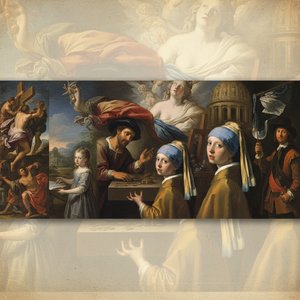
Barok sanatın en etkileyici 10 başyapıtını keşfedin! Caravaggio, Rembrandt ve daha fazlasının eserleriyle evinizi dönüştürün. Sanat tarihi, renkler ve duygularla dolu bu yolculukta TopImpressionists.com'da müze kalitesinde replikalar bulun. Koleksiyonu çevrimiçi inceleyin!

The Enduring Power of Painting: A Historical & Contemporary Exploration of Form and Emotion
Explore the rich history & enduring techniques of oil painting with TopImpressionists. Discover masterpieces, learn about art collecting, and find authentic handmade reproductions crafted by skilled artists.

The Visceral Stage: Exploring Dramatic Narratives & Emotional Intensity in Baroque Art
Explore the dramatic world of Baroque art! Discover iconic masters like Caravaggio & Rembrandt, their techniques, and the movement's lasting impact. Expert insights for collectors & enthusiasts at TopImpressionists.

Jacopo Tintoretto'nun En İyi 25 Eseri: Venedik Rönesansı'nın Dramatik Dehası | TopImpressionists
Jacopo Tintoretto'nun en iyi 25 eserini keşfedin! Venedik Rönesansı'nın dramatik dehasının ardındaki hikayeleri, teknikleri ve renk paletlerini öğrenin. Ev dekorasyonunuz için lüks sanat baskıları TopImpressionists'ta. Koleksiyonu şimdi keşfedin!

The Dramatic Flourish: Exploring the Baroque Movement's Enduring Legacy in Art History
Explore the dramatic world of Baroque art! Discover iconic artists like Caravaggio & Rubens, defining techniques, and its lasting impact on art history. Expert insights for collectors & enthusiasts at TopImpressionists.
Temalara, stillere ve özelliklere göre gruplandırılmış sanat eserlerini keşfedin.


