
 Paylaş
 Paylaş
 Detayları Gör
 Rehber

 İndir
İndir
 Benzer ürünler
 Slayt Gösterisi
 Soru & Cevap
 İstatistikler
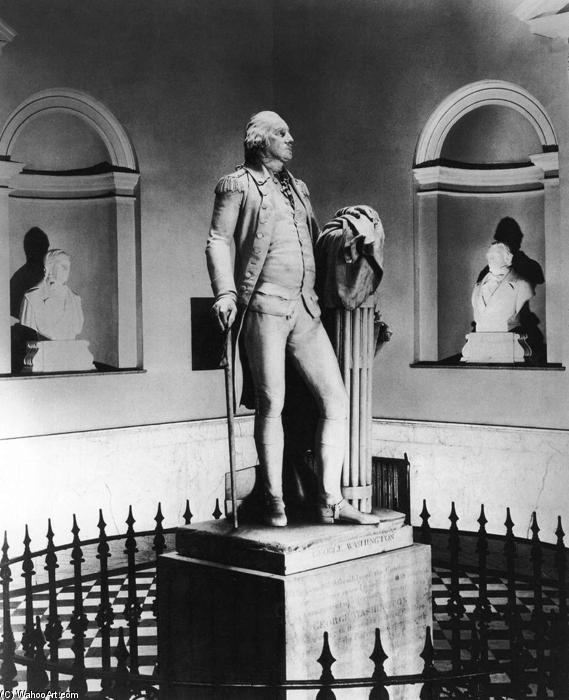
George Washington


Admire Jean-Antoine Houdon’s iconic George Washington statue – a masterpiece capturing the statesman's intellect & gravitas. Explore its history, artistry, and significance in American art.
 Tümünü Gör
Jean-Antoine Houdon (1741-1828), Aydınlanma dönemi heykeltıraşlığına yön veren ve Washington, Franklin & Voltaire gibi önemli figürlerin gerçekçi portreleriyle tanınan Neoklasik sanatçıdır. Anatomiye olan tutkusu ve psikolojik derinliğiyle öne çıkar.
Giclée / Sanat Baskısı
Hızlı üretim ve esnek bitiş seçenekleriyle müze kalitesinde giclée veya kanvas baskı. ( El Yapımı Tablo Satın Al Dijital Görsele Geç)




































Standart
özel boyutlu
CM
INCH
Eserin orijinal oranlarıyla uyumlu, önceden belirlenmiş boyutlarımız arasından seçim yapın.
Loading sizes...

genişlik
yükseklik
Çerçevenize veya duvarınıza uygun olması için ihtiyacınız olan genişlik ve yüksekliği yazın. Bir baskı yalnızca kesilebilir, görselden daha büyük hale getirilemez; bu nedenle farklı bir formdaki boyut seçimi, görselin bir kısmının kaybına neden olur. Herhangi bir baskı yapmadan önce onaylamanız için size bir dijital taslak gönderiyoruz. Bu sayfada gösterilen resim gerçek kesimi göstermez — bunu yalnızca taslak gösterir.
Dünya Çapında Teslimat (); standart 4/5 hafta yerine 2 haftada. (6 Kasım)

Dünya Çapında Ücretsiz Ekspres Kargo

Yüksek Kaliteli Keten Kanvas

Tam Nakliye Sigortası

Gümrük Vergisi İadesi Garantisi

Gerçek Renk Uyumu Garantisi

100 Günlük İade Politikası (Sadece Kusurlu Ürünler İçin)

%100 Para İade Garantisi

Toplu Alım İndirimi
 Cam seçeneği yalnızca 110 cm altındaki boyutlar için mevcuttur.

George Washington
Giclée / Sanat Baskısı
Reproduksiyon Boyutu
-


Toplam Tutar
₺ 3449
The Stoic Statesman: Jean-Antoine Houdon’s Portrait of George Washington
Jean-Antoine Houdon's 1788 sculpture of George Washington stands as more than just a likeness; it is a profound distillation of the ideals upon which the nascent American republic was founded. Carved from luminous Carrara marble, this monumental figure transcends mere portraiture, embodying Washington’s leadership, intellect, and quiet dignity—qualities that continue to resonate centuries later. The statue resides within the Virginia State Capitol in Richmond, a testament to its enduring significance for the Commonwealth and the nation as a whole.
Houdon, a pivotal figure bridging the Rococo and Neoclassical eras, possessed an extraordinary ability to capture not simply outward appearance but the very essence of his subjects. Unlike many of his contemporaries who favored idealized depictions rooted in classical antiquity, Houdon sought to portray individuals as they truly were – with their strengths, vulnerabilities, and inner complexities. This approach is strikingly evident in Washington’s face: a subtle furrow above the brow hints at the weight of responsibility borne during the Revolutionary War, while the steady gaze conveys an unwavering resolve. The sculptor masterfully rendered the texture of the skin, capturing the lines etched by time and experience, lending the statue an astonishing sense of realism.
A Masterclass in Neoclassical Technique
The sculpture’s execution is a remarkable feat of technical skill. Houdon employed a subtractive method, beginning with a large block of marble and meticulously removing material to reveal the desired form. This process demanded immense patience and precision, allowing for gradual refinement of details—from the delicate folds of Washington's military coat to the powerful musculature of his arms. The use of light and shadow is particularly noteworthy; Houdon expertly manipulates the surface of the marble to create a dramatic interplay of highlights and recesses, adding depth and volume to the figure. The statue’s smooth, polished finish reflects the ambient light, further enhancing its visual impact.
Notably, Houdon's approach was revolutionary for his time. He eschewed the traditional practice of creating preparatory drawings, instead working directly from a life mask and measurements taken of Washington himself. This direct engagement with the subject ensured an unparalleled level of accuracy and immediacy in the final sculpture. The statue’s dimensions—standing nearly seven feet tall—were carefully calculated to convey a sense of authority and gravitas, reflecting Washington's stature as the first President of the United States.
Symbolism and Historical Context
Beyond its technical brilliance, the sculpture is rich in symbolic meaning. Washington’s attire – a military uniform reminiscent of Roman generals—references the ideals of republican virtue and civic duty that underpinned the American Revolution. The fasces, a bundle of rods symbolizing authority and unity, held by Washington, echoes the traditions of ancient Rome, suggesting his role as a leader guiding the nation towards a new era. The inclusion of agricultural implements – a plow and a sheaf of wheat – subtly alludes to Washington’s roots as a planter and farmer, grounding him in the values of hard work and self-sufficiency.
Commissioned during a period of profound political and social change, the statue reflects the hopes and aspirations of a nation forging its own identity. It embodies the spirit of Enlightenment ideals – reason, liberty, and civic virtue—that fueled the American Revolution. The fact that Washington chose to be depicted in contemporary attire, rather than adhering to classical conventions, signaled his commitment to practicality and progress over rigid adherence to tradition.
A Legacy of Inspiration
Houdon’s portrait of George Washington remains one of the most iconic representations of the Founding Father. Its enduring appeal lies not only in its technical mastery but also in its ability to capture the essence of a man who shaped the destiny of a nation. Numerous copies have been produced over the centuries, ensuring that this powerful image continues to inspire and remind us of the values upon which America was founded. Today, it stands as a poignant reminder of leadership, resilience, and the enduring pursuit of liberty.
Soru ve Cevaplar
Öğrenciler için Jean Antoine Houdon imzalı "George Washington" hakkında bir bilgi notu mevcut mu?
Jean Antoine Houdon imzalı "George Washington" eserinin Bilgi Notu sayfası; eserin kimlik tablosu, sanatçının yaşam öyküsü içinde yerini gösteren on yıllık zaman çizelgesi, sanatçının diğer çalışmaları, ölçülmüş renk paleti ve dört farklı stilde kopyalamaya hazır atıfları içeren, iki sayfadan oluşan yazdırılabilir bir bilgi formu sunar.
Jean Antoine Houdon imzalı "George Washington" için hangi kullanım önerilmektedir?
Jean Antoine Houdon imzalı "George Washington" için önerilen kullanım Statement şeklindedir; bunun yanı sıra farklı amaçlarla da kullanılabilir.
"George Washington" eserini kim, ne zaman yaptı?
"George Washington", Jean Antoine Houdon tarafından 1788 yılında yaratılmıştır."
Sanatçı Özgeçmişi
Aydınlanma Çağı’nın Heykelcisi: Jean-Antoine Houdon
Jean-Antoine Houdon, 1741 yılında Versailles’da doğdu ve Rokoko ile Neoklasik dönemleri birbirine bağlayan önemli bir figür olarak öne çıkar. Eserleri, on sekizinci yüzyılın entelektüel coşkusunu ve gelişen estetik anlayışlarını bünyesinde barındırır. Hayatı, Fransa toplumunda monarşinin azalmasından devrimci çalkantılara ve Napolyon yükselişine kadar dramatik değişimlere tanık oldu. Ancak Houdon, sanatsal vizyonunda şaşırtıcı bir tutarlılık sergiledi: Sadece bir benzerlik yakalamakla yetinmeyip, konularının özünü – zekalarını, karakterlerini ve iç dünyalarını – dayanıklı mermer ve bronz formlarda ölümsüzleştirmek. Bu adanmışlık, 1752’de René-Michel Slodtz, Jean-Baptiste Lemoyne ve Jean-Baptiste Pigalle gibi saygın heykeltıraşlar altında Académie Royale de Peinture et de Sculpture'daki resmi eğitimle beslenen erken bir heykel yeteneğinden kaynaklandı. Daha sonra, 1761’den 1764’e kadar École Royale des Élèves Protégés’e kaydolması, temellerini pekiştirdi ve 1761 Prix de Rome yarışmasını kazanmasıyla sonuçlandı – bu ödül, ona İtalya'da klasik sanatla ilk elden değerli çalışma zamanı sağladı; bu deneyim estetik duyarlılığını derinden şekillendirdi.Gerçeğe Bağlılık ve Psikolojik Derinlik Sanatı
Houdon’un heykelleri, nefes kesen gerçekçilikleri ve titiz detaylara gösterdikleri özenle anında tanınabilir. Sadece fiziksel özellikleri kopyalamakla yetinmiyordu; yüzeyin derinlerine inerek konularının kişiliğini ve zekasını ortaya çıkarmaya çalıştı. Bu gerçeğe bağlılık taahhüdü, *Muscleman Sideview* bronz heykelinde görüldüğü gibi anatomiye karşı derin bir hayranlıktan ve sarsılmaz bir gözlem adanmışlığından kaynaklandı. Çağdaşlarının çoğu konularını idealize ederken, Houdon kusurları kucakladı; bunların daha doğru ve etkileyici bir tasvire katkıda bulunduğuna inanıyordu. Yaşamdan doğrudan kalıp alma dahil olmak üzere yenilikçi teknikler kullandı; bu da ona dakik detayları benzersiz bir doğrulukla yakalama olanağı sağladı. Bu yaklaşım, özellikle imza başarımı haline gelen portre büstlerinde belirgindi. Bunlar sadece statik temsiller değildi; psikolojik derinlik ve duygusal rezonansla dolu dinamik karakter çalışmalarıydı. Houdon’un birinin *nasıl* göründüğünü değil, *kim* olduğunu iletme yeteneği onu diğerlerinden ayırıyordu. Bu başarıyı ifade nüansları, duruş ve gözlerin işlenmesi gibi ince detaylar aracılığıyla elde etti – genellikle iç düşünceyi uyandırmak için hafif bir çöküklükle oyulmuştu.Bir Aydınlanma Çağı’nı Ölümsüzleştirmek: Aydınlanma Figürlerinin Panteonu
Houdon’un müşteri kitlesinin genişliği, zamanının en etkili düşünürleri, yazarları, politikacıları ve liderlerinden oluşan gerçek bir kimlik listesi niteliğindedir. Denis Diderot'nun toprak heykelini, filozofun entelektüel yoğunluğunu ve alışılmadık ruhunu olağanüstü bir duyarlılıkla ölümsüzleştirdi. Fransa’daki diplomatik görevi sırasında tasvir edilen Benjamin Franklin, bilgeliği ve pragmatizmi yansıtan, bakışları hem kurnaz hem de iyiniyetli olarak karşımıza çıkıyor. Jean-Jacques Rousseau, karakteristik empatiyle heykellenmiş, felsefesinin tanımladığı tutku ve melankoliyi somutlaştırıyor. Belki en ünlüsü, Houdon Voltaire’i heykelledi – Comédie-Française için zekasını ve entelektüel enerjisini yakalayan dinamik bir oturma figürü de dahil olmak üzere çoklu versiyonlar yarattı. Bu entelektüel devlerin ötesinde, Houdon kraliyetten, özellikle Louis XVI’dan ve Napolyon Bonaparte gibi yükselen siyasi figürlerden komisyonlar aldı. Ancak Virginia Genel Meclisi tarafından yaptırılan George Washington heykeli, Amerikan ikonografisindeki yerini sağlamlaştırdı. Başkanlığı sırasında titiz ölçümler ve bir yaşam maskesi temelinde yapılan bu hayat boyutu mermer heykel, ulusun ilk başkanı için kesin imaj haline geldi; yıllarca süren baskılar ve reprodüksiyonlar için model olarak hizmet etti, hatta onlarca yıl boyunca ABD posta pullarında bile yer aldı. Ayrıca Thomas Jefferson’ı da heykelledi ve Atlantik ötesindeki mirasını daha da pekiştirdi.Mirası ve Kalıcı Etkisi
Jean-Antoine Houdon’un heykel dünyasına etkisi yadsınamaz. Portreyi, derin psikolojik içgörüye ve tarihi belgeleme yeteneğine sahip bir sanat formuna yükseltti. Gerçeğe bağlılığı taahhüdü, konularının özünü yakalama becerisiyle birleştiğinde, heykelsel temsiller için yeni bir standart belirledi. Hayatı boyunca yaygın olarak tanındı; 1804’te Chevalier de la Légion d'Honneur ve 1809’da Chevalier de l'Empire ilan edildi – bu unvanlar Fransız toplumundaki saygın statüsünün kanıtıdır. Yaşlılık yıllarında bile Houdon önemli eserler yaratmaya devam etti; 15 Temmuz 1828’de Paris’te ölümüne kadar zanaatına sarsılmaz bir bağlılığını gösterdi. Heykelleri bugün sadece sanatsal değerleri için değil, aynı zamanda Aydınlanma Çağı’nın yaşamlarına ve zamanlarına dair değerli bilgiler sağladıkları için de son derece değerli kabul ediliyor. Houdon’un eseri, sanatın insan ruhunu yakalama ve gelecek nesiller için koruma gücünün güçlü bir hatırlatıcısıdır. Etkisi, hayranlık uyandıran ve takdir edilen bir usta heykeltıraş olarak konumunu pekiştirerek onu takip eden sayısız sanatçının eserlerinde görülebilir.Houdon’un Stilinin Temel Özellikleri
- Neoklasik Gerçekçilik: Houdon’un heykelleri, klasik prensiplere dayanan ancak konuları oldukları gibi tasvir etme taahhüdüyle aşılanmış olağanüstü gerçekçilikleri ve detaylara gösterdikleri özenle karakterizedir.
- Psikolojik Derinlik: Sadece fiziksel özellikleri değil, aynı zamanda konularının psikolojik özünü de titizlikle yakaladı; sadece benzerliğin ötesine geçerek kişiliklerini ve zekalarını iletti.
- Tarihi Önem: Portreleri Washington, Franklin, Voltaire ve Rousseau gibi etkili figürlerin yaşamlarına dair değerli bilgiler sunarak önemli tarihi belgeler olarak hizmet ediyor.
- Amerikan İkonografisi: Houdon’un George Washington heykeli, on dokuzuncu yüzyılın sonlarında ve yirminci yüzyılın başlarında ABD posta pullarında kullanılan baskılar için model olarak hizmet etti; Amerikan kültürel hafızasındaki yerini sağlamlaştırdı.

Jean Antoine Houdon
1741 - 1828 , Fransa
Kısa Bilgiler
- Bu Sanatçıdan Etkilenenler:
- Canova
- Neoklasisizm
- Doğum Tarihi: 1741
- Doğum Yeri: Versailles, Fransa
- Etkilendiği Sanatçılar:
- Slodtz
- Lemoyne
- Pigalle
- Bernini
- Donatello
- Michelangelo
- Sanatsal Akım: Neoklasik Realizm
- Tam Adı: Jean-Antoine Houdon
- Uyruğu: Fransız
- Ölüm Tarihi: 1828
- Önemli Eserleri:
- George Washington heykeli
- Voltaire
- Benjamin Franklin
- Denis Diderot
- Muscleman Sideview
Benzer Yazılar

The Eternal Beauty of Marble: A Guide to Sculpting Light, Stone, and the Soul of Art History
Explore the sublime artistry of marble sculpture. From Greek antiquity to the masters of light, discover how stone captures the eternal essence of human beauty and emotion through expert craftsmanship and historical mastery.