


 Önizle
 Gönder
 Paylaş
 Detaylar
 Rehber

 Dosyayı İndir
 Benzerleri
 X-Işını
 Slayt Gösterisi
 İstatistikler
Fear, Expression Head
 Pastel
- WallArt
- Rococo
 Early Modern
 40.0 x 30.0 cm
 Louvre Müzesi
A palpable sense of quiet turmoil radiates from this Rococo pastel study by Jean-Baptiste Greuze featuring a young woman's expressive gaze, inviting you to explore the profound emotional depth of this 18th-century masterpiece.
 Devamını Oku
Jean-Baptiste Greuze (1725-1805): Bu önemli Fransız Rokoko ressamının duygusal tür sahnelerini ve portrelerini keşfedin. Günlük hayatı ve ahlaki dersleri yansıtmasıyla tanınır.
Giclée / Sanat Baskısı
Hızlı üretim ve esnek bitiş seçenekleriyle müze kalitesinde giclée veya kanvas baskı. ( El Yapımı Tablo Satın Al Dijital Görsel Satışına Geç)




P118B ₺10

P118H ₺10

P118W ₺10

P438Z ₺10

P508JH ₺12

P508YH ₺12

P805H ₺10

P805Z ₺10

P919BZ ₺10

P919G ₺10

P919XJ ₺10

P959ZH ₺10

P968JZ ₺12

W106C ₺8

W218G ₺10

W218JH ₺8

W218Y ₺10

W307PJ ₺10

W316G ₺10

W316PJ ₺8

W316Y ₺10

W398PJ ₺8

W4111J ₺10

W500HY ₺15

W500JH ₺15

W692G ₺12

W849H ₺8

W940BG ₺15

W953PJ ₺8




Standart Boyutlar
özel boyutlu
CM
INCH
Eserin orijinal oranlarıyla uyumlu, önceden belirlenmiş boyutlarımız arasından seçim yapın.
Loading sizes...

genişlik
yükseklik
Çerçevenize veya duvarınıza uygun olması için ihtiyacınız olan genişlik ve yüksekliği yazın. Bir baskı yalnızca kesilebilir, görselden daha büyük hale getirilemez; bu nedenle farklı bir formdaki boyut seçimi, görselin bir kısmının kaybına neden olur. Herhangi bir baskı yapmadan önce onaylamanız için size bir dijital taslak gönderiyoruz. Bu sayfada gösterilen resim gerçek kesimi göstermez — bunu yalnızca taslak gösterir.
Dünya Çapında Teslimat (); standart 4/5 hafta yerine 2 haftada. (23 Ekim)

Dünya Çapında Ücretsiz Ekspres Kargo

Yüksek Kaliteli Keten Tuval

Tam Nakliye Sigortası

Gümrük Vergisi İadesi Garantisi

Gerçek Renk Uyumu Garantisi

100 Günlük İade Koşulları (Sadece Üretim Hatalı Ürünler İçin)

%100 Para İade Garantisi

Toplu Alım Avantajı
 Cam seçeneği yalnızca 110 cm altındaki boyutlar için mevcuttur.

Fear, Expression Head
Giclée / Sanat Baskısı
Baskı Boyutu
-


Toplam Fiyat
₺ 3371
A Window into the Soul: The Intimacy of Greuze’s Pastel Study
In the delicate realm of Rococo artistry, few works capture the fleeting nuances of human emotion as poignantly as Jean-Baptiste Greuze’s Fear, Expression Head. This intimate pastel study, executed around 1755, serves as a profound testament to the artist's ability to transcend mere portraiture, venturing instead into the depths of psychological exploration. The artwork centers on a young woman whose presence is felt through a palpable sense of contemplation and quiet vulnerability. Her hair, styled in loose curls that cascade softly over her shoulders, paired with a draped white garment, lends an aura of understated elegance to the composition. Yet, it is not her outward adornment that commands attention, but rather the subtle, haunting flicker of emotion captured within her gaze.
Greuze’s mastery of the pastel medium is on full display here, utilizing the soft, powdery texture of the medium to achieve a breathtakingly delicate effect. Through meticulous rendering of light and shadow, he creates a sense of three-dimensional depth that breathes life into the subject's features. The artist employs subtle tonal gradations to illuminate the woman's face, drawing the viewer's eye to the slight furrow in her brow and her averted gaze. This intentional use of lighting—sourced from the upper left—heightens the inherent drama of the piece, casting soft shadows that emphasize the texture of her skin and the fine strands of her hair, making the subject feel remarkably present and alive.
The Language of Sentiment and Symbolism
Beyond its technical brilliance, Fear, Expression Head is a masterpiece of emotional storytelling. During the Rococo era, there was a burgeoning fascination with portraying human psychology and the moral dilemmas found within domestic life. Greuze deliberately moved away from the grand, often distant mythological narratives favored by his contemporaries, choosing instead to engage with the more relatable, sentimental sensibilities of his time. In this work, the subject's expression—a mixture of apprehension, thoughtfulness, or perhaps a sudden moment of inner turmoil—invites the viewer into a private, silent dialogue.
The symbolism within the piece is found not in overt objects, but in the subtle gestures of the face itself. The slightly parted lips and the tension held in the brow suggest a state of being caught between thought and reaction, embodying the very essence of "expression heads" or têtes d’expression that Greuze became famous for. For the collector or interior designer, this piece offers more than just aesthetic beauty; it provides a focal point of profound introspection. A high-quality reproduction of this work brings a sense of historical depth and emotional sophistication to any space, acting as a quiet yet powerful anchor that encourages moments of reflection and grace.
Soru ve Cevaplar
Jean-Baptiste Grez imzalı "Fear, Expression Head" eserinin telif hakkı durumunu ne açıklamaktadır?
"Fear, Expression Head" eserinin telif hakkı durumu - kamu malıdır - telif hakkı süresi dolmuştur - sanatçının 1805 yılındaki ölümünden kaynaklanmaktadır.
"Fear, Expression Head" adlı eser bir sanat baskısı olarak mevcut mu?
"Fear, Expression Head", pamuklu kanvas veya arşivlik kanvas kağıt üzerine yüksek kaliteli sanat baskısı olarak temin edilebilir. Siparişler, seçtiğiniz boyutta, Sanat Baskısı sayfası üzerinden verilir.
"Fear, Expression Head" için bir indirme seçeneği mevcut mu?
Jean-Baptiste Grez imzalı "Fear, Expression Head" eserinin dijital kopyasını yüksek çözünürlüklü dijital görüntü indirme olarak eserin İndir sayfasından indirebilirsiniz.
Sanatçı Biyografisi
Duygusal Bir Yaşamın İzleri: Jean-Baptiste Greuze’ün Dünyası
Sakin Burgundiya kasabası Tournus'ta 1725 yılında doğan Jean-Baptiste Greuze, on sekizinci yüzyıl Fransız sanatının önemli bir figürü olarak ortaya çıktı. Sanatçı ruhunun erken dönemde Lyonnaise ressam Grandon tarafından fark edilmesiyle başlayan ve çağının yükselen duygusal zevklerini anlama konusunda keskin bir yeteneğiyle körüklenen olağanüstü bir yükselişin hikayesidir bu. Başlangıçta babası olan bir çatı ustası tarafından sanatsal çabalardan vazgeçirilmeye çalışılan genç Greuze, Lyon'da ve daha sonra Charles-Joseph Natoire önderliğinde Paris’teki prestijli Kraliyet Akademisi’nde eğitim alarak hayati önem taşıyan bir mentorluk buldu. Bu görkemli salonlarda yeteneklerini geliştirmeye başladı; ancak genellikle akademik vurgunun tarihi ve mitolojik konulara odaklanmasından ayrıldı.Tür Ressamının Yükselişi
Greuze'ün dönüm noktası 1755 yılında Le Père de famille expliquant la Bible à ses enfants (Çocuklarına İncil’i Anlatan Baba) ile geldi. Bu eser sadece gündelik yaşamın bir tasviri değildi; ailevi dindarlığı ve ahlaki öğretimi somutlaştıran Aydınlanma ideallerinin vücut bulmuş haliydi. Burjuva erdemlerinin yaygınlaşmasını yansıtan bu tablo, çağdaş izleyicilerde derin yankılar uyandırdı. Seçkin koleksiyoncu Ange-Laurent de La Live de Jully tarafından satın alınmasıyla Greuze şöhrete ulaştı. Bu başarıyı, gündelik hayata samimi bir bakış sunan ve duygusal derinlik ve ahlaki alt metinlerle dolu tür sahneleriyle takip etti. 1755 yılında Abbé Gougenot ile birlikte İtalya'ya yaptığı yolculuk sanatsal ufkununu genişletti; ancak klasik antik çağdan ziyade Fransız toplumunun gerçeklerinden daha fazla ilham aldı. Neşe, keder ve pişmanlık gibi gerçek duyguları uyandırma yeteneği onu akranlarından ayırdı ve belirgin bir ahlaki yönü olan yeni Rococo stilinin önde gelen figürü olarak konumlandırdı.Duygu ve Ahlaki Anlatıyı Ustaca Ele Alma
Greuze’ün sanatsal gücü, hikayeleri tuval üzerine aktarma becerisinde yatıyordu. La Jeune Fille qui pleure son oiseau mort (Ölü Kuşuna Ağlayan Genç Kız) ve Savoyard with a Dancing Doll (Oyuncak Bebeği Olan Savoyard) gibi eserleri sadece çocuk portreleri değil, aynı zamanda kederi, masumiyeti ve insan deneyiminin karmaşıklığını keşfediyorlardı. İfade nüanslarını yakalama konusunda olağanüstü bir yeteneğe sahipti; iç huzursuzluğu dikkat çekici bir hassasiyetle aktarıyordu. Kompozisyonları genellikle dramatik aydınlatma ve etkileyici hareketlerle duygusal etkiyi artırmak için özenle düzenleniyordu. Aydınlanmanın önde gelen entelektüellerinden Denis Diderot, Greuze’ün eserlerinin “resimde ahlakı” tasvir etme yeteneğini överek onun çalışmasının ateşli bir savunucusu oldu. Ancak bu başarı aynı zamanda sanatçı için bir ikilem yarattı. Akademi içinde en prestijli kategori olan tarih ressamı olarak tanınmayı arzuladı ve Septimius Severus Reproaching Caracalla ile bir geçiş yapmaya çalıştı. Bu iddialı çalışma sert eleştirilerle karşılandı ve Greuze sonunda sadece tür ressamı olarak Akademi’ye kabul edildi; bu karar gururunu derinden yaraladı.Son Yıllar ve Kalıcı Miras
Akademi tarafından reddedilmek, Greuze’ün kariyerinde bir dönüm noktası oldu. Birçok yıl boyunca Salonda sergilemeyi bıraktı, giderek daha münzevi ve öfkelendi. Daha sonraki eserleri genellikle baştan çıkarıcılık ve ahlaki ihlal temalarını ele aldı; bazen aşırı şehvetli noktalara kadar vardı. Teknik olarak yetenekli olsa da bu tablolar, önceki başyapıtlarının duygusal yankısını ve ahlaki netliğini yitirdi. Son yıllarında yaşadığı mali zorluklar, bir zamanlar elde ettiği şöhretle keskin bir tezat oluşturdu. 1805 yılında Louvre’un içinde yoksulluk içinde öldü. Bu gerilemeye rağmen Jean-Baptiste Greuze’ün Fransız sanatı üzerindeki etkisi önemli olmaya devam ediyor. Çaçaş yaşamına odaklanan ve evrensel insan duygularını keşfeden yeni bir tür ressamlık öncülüğünü yaptı. Eserleri, dürüstlükle ve hassasiyetle gündelik hayatın gerçeklerini tasvir etmeye çalışan daha sonraki sanatçılar için yol açtı. Duygusal gücü, teknik parlaklığı ve kalıcı alaka düzeyiyle izleyicileri büyülemeye devam eden bir eser mirası bıraktı.Ana Eserleri ve Önemi
- Le Père de famille expliquant la Bible à ses enfants (1755): Erken başarısının temel taşı, ailevi dindarlık ideallerini somutlaştırıyor.
- La Jeune Fille qui pleure son oiseau mort (c. 1765): Greuze’ün duygusal ifade ve dokunaklı hikaye anlatımındaki ustalığını gösteriyor.
- Savoyard with a Dancing Doll (c. 1763): Çocukluğun ruhunu ve kırılganlığını yakalıyor, portre becerisini sergiliyor.
- Septimius Severus Reproaching Caracalla (1769): Tarih resminde başarısız bir girişim, gücünün başka yerde yattığını vurguluyor.
- The Broken Pitcher (c. 1770s): Daha sonraki eserlerinde daha şehvetli ve ahlaki açıdan muğlak temalara doğru kayışı temsil ediyor.

Jean-Baptiste Grez
1725 - 1805
İlgili Yazılar

10 Iconic Rococo Masterpieces That Defined an Era of Elegance
Step into the elegance of the 18th century. Explore 10 iconic Rococo masterpieces, from Fragonard to Watteau, through their stories and pastel beauty. Find museum-quality art reproductions and decor inspiration at TopImpressionists.com. Discover all masterpieces on TopImpressionists.com

The Elegance of Rococo Portraiture: A Journey Through Grace, Soft Light, and Pastel Dreams
Discover the exquisite world of Rococo portraiture. Explore the delicate beauty of 18th-century French art, from pastel light to graceful asymmetry, and learn how to bring this era of elegance into your home through masterfully hand-painted oil reproductions.
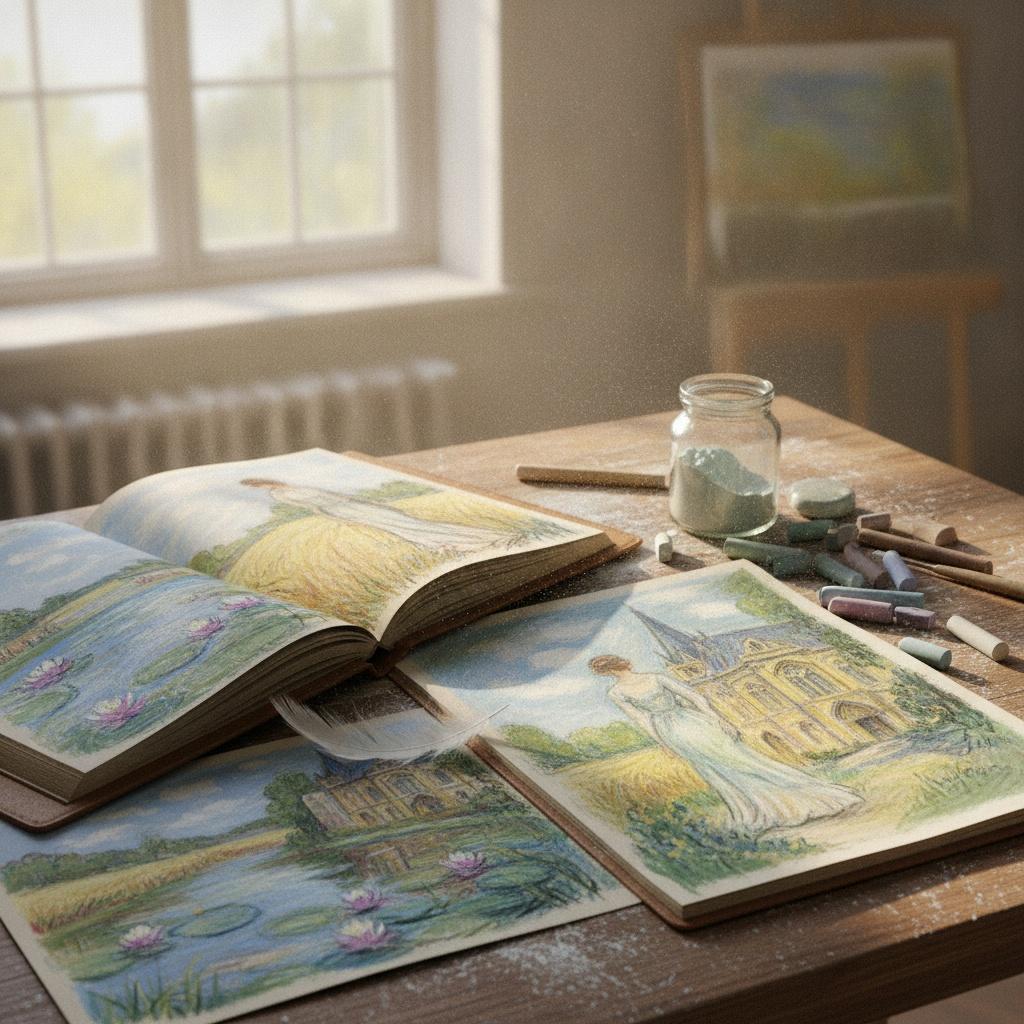
The Soft Magic of Chalk: Capturing Light, Texture, and the Ethereal Soul of Impressionist Masterpieces
Discover the ethereal beauty of pastel and chalk art. Explore how Impressionist masters like Van Gogh and Degas captured light and texture to create timeless, soulful masterpieces for the discerning collector.

10 Iconic Pastel Masterpieces That Revolutionized Art History
Journey through history with 10 iconic pastel masterpieces that redefined art. From Rococo elegance to Impressionist light, explore the stories behind these timeless works and find museum-quality reproductions for your decor. Discover all masterpieces on TopImpressionists.com.

Top 25 Masterpieces by David Moreau: A Journey Through Texture and Light
Immerse yourself in the tactile world of David Moreau. Explore our curated selection of his top 25 textured masterpieces, featuring heavy impasto and sculptural depth. Find museum-quality art reproductions for your collection. Discover all masterpieces on TopImpressionists.com.