
 Gerçek Boyutta Önizle
 Paylaş
 Paylaş
 Detayları Gör
 Rehber

 İndir
İndir
 Benzer ürünler
 X-Işını
 Slayt Gösterisi
 Soru & Cevap
 İstatistikler
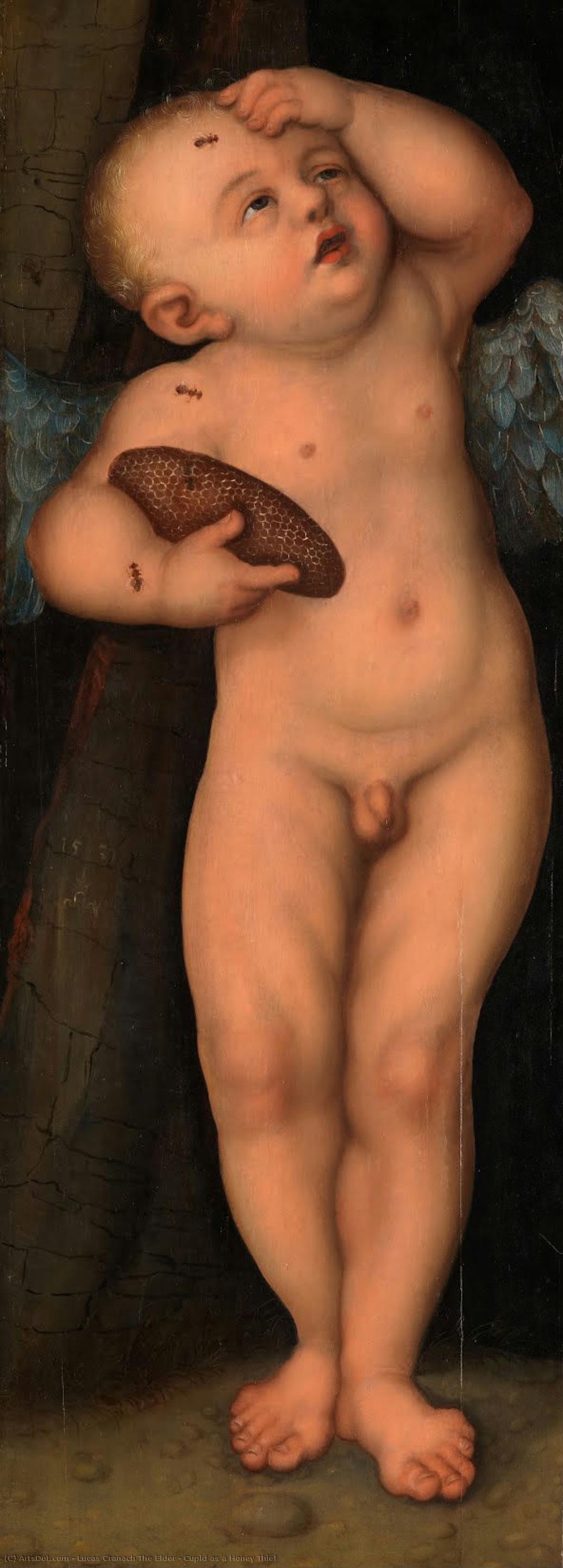
Cupid as a Honey Thief


Lucas Cranach the Elder’s "Cupid as a Honey Thief" (1531) captures a mischievous baby boy in a moment of discomfort, reflecting Renaissance psychological depth and playful subject matter. Explore this iconic German artwork and bring its timeless charm into your space.
 Tümünü Gör
Lucas Cranach Elder'ın ikonik tabloları ve Rönesans sanat stilindeki ustalığıyla tanınan Alman Rönesansı ustasıdır. Görkemli eserleri keşfedin!
Giclée / Sanat Baskısı
Hızlı üretim ve esnek bitiş seçenekleriyle müze kalitesinde giclée veya kanvas baskı. ( El Yapımı Tablo Satın Al Dijital Görsele Geç)




P118B ₺10

P118H ₺10

P118W ₺10

P438Z ₺10

P508JH ₺12

P508YH ₺12

P805H ₺10

P805Z ₺10

P919BZ ₺10

P919G ₺10

P919XJ ₺10

P959ZH ₺10

P968JZ ₺12

W106C ₺8

W218G ₺10

W218JH ₺8

W218Y ₺10

W307PJ ₺10

W316G ₺10

W316PJ ₺8

W316Y ₺10

W398PJ ₺8

W4111J ₺10

W500HY ₺15

W500JH ₺15

W692G ₺12

W849H ₺8

W940BG ₺15

W953PJ ₺8




Standart
özel boyutlu
CM
INCH
Eserin orijinal oranlarıyla uyumlu, önceden belirlenmiş boyutlarımız arasından seçim yapın.
Loading sizes...

genişlik
yükseklik
Çerçevenize veya duvarınıza uygun olması için ihtiyacınız olan genişlik ve yüksekliği yazın. Bir baskı yalnızca kesilebilir, görselden daha büyük hale getirilemez; bu nedenle farklı bir formdaki boyut seçimi, görselin bir kısmının kaybına neden olur. Herhangi bir baskı yapmadan önce onaylamanız için size bir dijital taslak gönderiyoruz. Bu sayfada gösterilen resim gerçek kesimi göstermez — bunu yalnızca taslak gösterir.
Dünya Çapında Teslimat (); standart 4/5 hafta yerine 2 haftada. (7 Kasım)

Dünya Çapında Ücretsiz Ekspres Kargo

Yüksek Kaliteli Keten Kanvas

Tam Nakliye Sigortası

Gümrük Vergisi İadesi Garantisi

Gerçek Renk Uyumu Garantisi

100 Günlük İade Politikası (Sadece Kusurlu Ürünler İçin)

%100 Para İade Garantisi

Toplu Alım İndirimi
 Cam seçeneği yalnızca 110 cm altındaki boyutlar için mevcuttur.

Cupid as a Honey Thief
Giclée / Sanat Baskısı
Reproduksiyon Boyutu
-


Toplam Tutar
₺ 3449
Lucas Cranach's "Cupid as a Honey Thief": A Portrait of Mischief and Reformation
Lucas Cranach the Elder’s “Cupid as a Honey Thief,” painted in 1531, is more than just a charming depiction of a baby; it’s a window into the tumultuous heart of the German Renaissance. This captivating work, currently residing at the Staatliche Kunsthalle Karlsruhe, reveals the artist's masterful ability to blend technical skill with profound psychological insight – qualities that cemented his place as a pivotal figure in the era’s artistic landscape.
The painting portrays a naked infant, seemingly caught in the act of pilfering a ball. The child’s expression is one of discomfort, a subtle yet powerful detail that elevates the image beyond simple representation. Cranach doesn't simply depict a baby; he captures a fleeting moment of youthful transgression, hinting at the inherent mischief and vulnerability within human nature. The loose handling of the drapery and the slightly blurred edges contribute to this sense of immediacy and spontaneity – hallmarks of Cranach’s evolving style.
Renaissance Symbolism and Courtly Patronage
Created during a period of intense religious and political change, “Cupid as a Honey Thief” reflects the anxieties and aspirations of its time. The Reformation was gaining momentum, challenging established Catholic doctrines, and Cranach’s work often navigated this complex terrain. The image of Cupid, traditionally associated with love and desire, is here transformed into a ‘thief,’ suggesting a disruption of order – perhaps mirroring the religious upheaval occurring across Europe.
Cranach's patronage primarily came from the court of Frederick III, Elector of Saxony, a relationship that provided him with both security and access to influential circles. This connection is evident in the painting’s refined execution and its adherence to Renaissance ideals of beauty and humanism. The use of rich pigments – reds, golds, and browns – reflects the opulence associated with courtly life, while the careful attention to detail demonstrates Cranach's mastery of oil paint, a medium he skillfully employed to achieve luminous effects.
Technique and Artistic Innovation
Cranach’s technique in “Cupid as a Honey Thief” is characterized by its remarkable realism combined with an expressive quality. He utilized sfumato – a subtle blurring of edges – to create a sense of depth and atmosphere, particularly noticeable in the rendering of the baby's face. The artist’s use of light and shadow further enhances the painting’s dramatic effect, drawing the viewer’s eye to the central figure.
Unlike some of his contemporaries who favored idealized representations, Cranach embraced a more naturalistic approach, evident in the infant’s slightly awkward pose and the realistic depiction of skin tones. This commitment to observation and detail was revolutionary for its time and contributed significantly to Cranach's enduring legacy as one of the most important artists of the German Renaissance.
Emotional Impact and Reproduction Possibilities
"Cupid as a Honey Thief" resonates with viewers on multiple levels, evoking feelings of nostalgia, amusement, and perhaps even a touch of guilt. The painting’s inherent vulnerability and innocence invite contemplation about childhood, temptation, and the complexities of human behavior. A hand-painted reproduction of this iconic work offers an unparalleled opportunity to bring this captivating image into your home or office – a testament to Cranach's genius and a timeless symbol of youthful mischief.
Soru ve Cevaplar
"Cupid as a Honey Thief" eserinin formatı nedir?
"Cupid as a Honey Thief" eserinin formatı Tall şeklindedir. Bu bilgi, bir reprodüksiyonun nereye yerleştirileceğini planlarken faydalıdır.
"Cupid as a Honey Thief" adlı eserin German Renaissance akımı hangi ulusal kökene dayanmaktadır?
"Cupid as a Honey Thief", yaratıcısının doğum yeri üzerinden German Renaissance akımını Almanya ile ilişkilendiriyor.
Yaşlı Lucas Cranach imzalı "Cupid as a Honey Thief" eserini satın almadan önce kendi duvarımda görebilir miyim?
Uyumlu bir cihazda artırılmış gerçekliği kullanarak, Yaşlı Lucas Cranach imzalı "Cupid as a Honey Thief" adlı eseri Artırılmış Gerçeklik Önizleme sayfası aracılığıyla kendi duvarınızda önizleyebilirsiniz.
Sanatçı Özgeçmişi
Saksonya'nın Rönesans Ustası: Yaşlı Lucas Cranach'ın Yaşamı ve Sanatı
Almanya'nın Kronach kentinde 1472 civarında dünyaya gelen Yaşlı Lucas Cranach, Alman Rönesansı'nın en kilit figürlerinden biri olarak tarihe geçmiştir. Hayatı, muazzam dini ve siyasi çalkantıların yaşandığı bir dönemde şekillenmiş; sanatı ise hem filizlenen Protestan Reformu ile hem de hizmet ettiği görkemli saraylarla ayrılmaz bir bağ kurmuştur. İlk eğitimini babası Hans Maler'den alan Cranach'ın erken dönem sanatsal gelişimi, her ne kadar biraz gizem perdesi altında kalsa da, evrilen üslubunda Güney Alman ustaların izleri açıkça görülmektedir. O, kısa sürede sadece yetenekli bir zanaatkâr olarak değil, teknik hassasiyetin yanı sıra psikolojik derinliği de yakalayabilen bir sanatçı olarak kendini kanıtlamış; bu nitelikler çok geçmeden güçlü hamilerin dikkatini çekmiştir. 1504 yılında Saksonya Seçmeni III. Friedrich'in hizmetine girmesi, kariyerinin büyük bir kısmını tanımlayacak ve ona hem istikrar hem de nüfuzlu çevrelerle temas kurma imkânı sağlayacak olan o köklü ilişkiyi başlatmıştır. Wittenberg'deki saray ressamlığı görevi, yalnızca dekoratif eserler üretmekten ibaret değildi; bu atama Cranach'ı Avrupa tarihinin en dönüştürücü hareketlerinden birinin tam kalbine yerleştirmiştir.Himaye, Reform ve Sanatsal Yenilik
Cranach'ın Sakson sarayındaki konumu, sadece geçim kaynağı için değil, sanatsal gelişimi için de hayati bir önem taşımaktaydı. O, olayları yalnızca belgelemekle kalmıyor, derin değişimlerin yaşandığı bir dönemde görsel anlatıları aktif bir şekilde şekillendiriyordu. En kalıcı mirası, kuşkusuz Protestan Reformu'nun merkezi figürü Martin Luther ile olan yakın bağıdır. Cranach, Luther'in ondan az olmayan on bir portresini yapmıştır ve her biri reformcunun kişiliğine ve değişen rolüne eşsiz bir bakış sunar. Bunlar basit benzerlikler değildi; yerleşik dini düzene meydan okuyan bir lider için elzem olan otorite, dindarlık ve entelektüel gücü yansıtmak üzere titizlikle kurgulanmış imgelerdi. Portre sanatının ötesinde Cranach, Reform teolojisini görsel bir forma dönüştürerek Protestan fikirlerini geniş kitlelere yayan ahşap baskılar ve tablolar üretmiştir. İncil sahnelerindeki tasvirleri, geleneksel Katolik ikonografisinden uzaklaşarak kutsal metinle doğrudan etkileşimi vurgulamış ve izleyici ile inanç arasında daha kişisel bir bağ kurulmasını sağlamıştır. Örneğin, Joachim'e Müjde eseri, reformcu kilise içindeki bireysel dindarlığa verilen yeni önemi yansıtarak neşeli bir ruh yayar. Bu yenilikçi yaklaşım dini konuların ötesine de taşmıştır; Cranach'ın Venüs ve diğer klasik figürleri içeren mitolojik tabloları, sıklıkla dönemin siyasi ve sosyal meseleleriyle ilgili alegorik anlamlar taşımıştır.Bir Atölye Hanedanlığı: Üslup ve Teknik
Yaşlı Lucas Cranach, tek başına çalışan izole bir sanatçı değildi. Sayısız asistan ve çırağın görev aldığı, oldukça üretken bir atölyeyi yönetiyordu. Bu iş birlikçi yaklaşım, Cranach'a atfedilen birçok eserin aslında onun yönetiminde veya oğlu Genç Lucas Cranach da dahil olmak üzere çevresindeki üyeler tarafından üretildiği anlamına geliyordu. Cranach atölyesi; uzun oranlı zarif figürler, canlı renkler ve titiz bir detaycılıkla karakterize edilen kendine özgü üslubuyla tanınır hale geldi. Tekniği; yağlı boya, ahşap baskı ve gravürün bir kombinasyonunu içeriyor, bu da ona hem orijinal sanat eserleri hem de uygun fiyatlı baskılar aracılığıyla geniş bir kitleye ulaşma imkânı tanıyordu. Seçmen III. Friedrich'in Geyik Avı adlı eseri, asil sembolizmin yanı sıra detaylı realizmi sergileyerek Kuzey Rönesansı üslubundaki ustalığını örnekler. Kompozisyon dinamiktir; avın enerjisini yakalarken aynı zamanda seçmenin gücünü ve statüsünü aktarır. Cranach'ın ışık ve gölge kullanımı, izleyiciyi sahnenin içine çeken bir derinlik ve atmosfer duygusu yaratır. Portreleri de aynı derecede etkileyicidir; psikolojik içgörü ve rafine icra ile karakterize edilirler.Miras ve Kalıcı Etki
Yaşlı Lucas Cranach 1553 yılında hayata gözlerini yumduğunda, geride bugün bile yankılanmaya devam eden olağanüstü bir sanatsal miras bıraktı. O, portre sanatının bir ustası, dini temaların yetenekli bir yorumcusu ve görsel iletişimin gücünü kavramış kurnaz bir iş insanıydı. Çalışmaları sadece döneminin kültürel ve entelektüel akımlarını yansıtmakla kalmadı, aynı zamanda bu akımların şekillenmesine de yardımcı oldu. Cranach atölyesi, ölümünden sonra da gelişmeye devam ederek üslubunun ve tekniklerinin nesiller boyu yaşamasını sağladı. Etkisi, kendisinden sonra gelen sayısız sanatçının eserlerinde görülebilir ve tabloları dünya çapındaki koleksiyoncular ve müzeler tarafından hâlâ büyük bir ilgiyle aranmaktadır. Martin Luther'in ikonik portrelerinden büyüleyici mitolojik sahnelere kadar Cranach'ın sanatı, Alman Rönesansı dünyasına büyüleyici bir pencere açıyor; hem derin ruhsal sorgulamaların hem de sanatsal yeniliklerin damga vurduğu bir dünyaya... Dini coşkuyu, siyasi zekayı ve sanatsal yeteneği harmanlama becerisi, onun çağının en önemli sanatçılarından biri olarak yerini sağlamlaştırdı ve katkıları yüzyıllar sonra bile izleyicileri büyülemeye devam ediyor.
Yaşlı Lucas Cranach
1472 - 1553 , Almanya
Kısa Bilgiler
- Artistic Movement Or Style: Norddeutsche Renaissance
- Artists Or Movements Influenced By This Artist: ['Martin Luther']
- Artists Who Influenced This Artist: ['Hans Maler']
- Date Of Birth: 1472
- Date Of Death: 1553
- Full Name: Lucas Cranach der Ältere
- Nationality: Alman
- Notable Artworks:
- Jagd der Hirsche
- Selbstbildnis
- Ankündigung an Joachim
- Place Of Birth: Kronach, Almanya
Benzer Yazılar

TopImpressionists.com F.A.Q.: Discover the Vibrant Beauty of Our Premium Art Poster Prints
Explore the technical excellence of TopImpressionists.com's premium art poster prints. Discover how our 12-color pigment system and archival inks capture the luminous beauty of Impressionist masterpieces with unmatched color fidelity and museum-grade durability for the discerning collector.
Temalara, stillere ve özelliklere göre düzenlenmiş sanat eserlerini keşfedin.


