
Görüntülenen: · Çerçevesiyle birlikte:
 Gerçek Boyutta Önizle
 Paylaş
 Paylaş
 Detayları Gör
 Rehber

 İndir
İndir
 Benzer ürünler
 X-Işını
 Slayt Gösterisi
 Soru & Cevap
 İstatistikler


₺ 14499
El Yapımı Yağlı Boya Reproduksiyon
Sanatçılarımız tarafından sipariş üzerine hazırlanan; istediğiniz boyut ve çerçevede, tuval üzerine el boyaması yağlı boya. ( Baskı Satışına Geç Dijital Görsele Geç)
Boyut Seçimi
·Standart
özel boyutlu
CM
INCH
Eserin orijinal oranlarıyla uyumlu, önceden belirlenmiş boyutlarımız arasından seçim yapın.
Boyutlar yükleniyor...

genişlik
yükseklik
Çerçevenize veya duvarınıza uygun olması için ihtiyacınız olan genişlik ve yüksekliği yazın. Bu eser el boyamasıdır; bu nedenle farklı bir formdaki boyutlar için sanatçı, resmin etrafına biraz daha fazla boya ekleyebilir veya kenarlardan biraz kırpabilir — seçim sizin. Boyama işlemi başlamadan önce onaylamanız için size bir dijital taslak gönderiyoruz. Bu sayfada gösterilen resim gerçek sonucu yansıtmamaktadır; gerçek sonucu yalnızca taslak göstermektedir.
 Daha fazla bilgi edinin
Bitir
·
Beyaz kenar bitişi ₺1

Bulanık kenar bitişi ₺1

Kenar boyalı ₺1

P118B ₺10

P118H ₺10

P118W ₺10

P438Z ₺10

P508JH ₺12

P508YH ₺12

P805H ₺10

P805Z ₺10

P919BZ ₺10

P919G ₺10

P919XJ ₺10

P959ZH ₺10

P968JZ ₺12

W106C ₺8

W218G ₺10

W218JH ₺8

W218Y ₺10

W307PJ ₺10

W316G ₺10

W316PJ ₺8

W316Y ₺10

W398PJ ₺8

W4111J ₺10

W500HY ₺15

W500JH ₺15

W692G ₺12

W849H ₺8

W940BG ₺15

W953PJ ₺8

H24-GOLD ₺30

H24-SILVER ₺30

H36-GOLD ₺45

H36-SILVER ₺45
Koruyucu bir tüp içerisinde gönderilir, kendi çerçeveletmeniz için hazırdır.
Ekstralar
isteğe bağlıEkstralar neleri içeriyor?
Değiştirilebilecek örneklere göz atın: Yüzü müşteri fotoğrafıyla değiştirme; Evcil hayvan ekleme (örneğin, kediyi köpek ile değiştirme); Arka plana gizli bir mesaj dahil etme; Arka plan manzarasını veya öğelerini değiştirme.
Siparişten sonra, TopImpressionists.com ekibi talimatlar için müşteriye e-posta gönderecek ve bir taslak önizleme sunacaktır
Siparişten sonra, TopImpressionists.com ekibi talimatlar için müşteriye e-posta gönderecek ve bir taslak önizleme sunacaktır
Dünya Çapında Teslimat (); standart 5 hafta yerine 3/4 haftada. (7 Kasım). Kaliteden ödün verilmez.
Koruyucu Vernik Katmanı
Eser Etiketi
İşlemeli Bronz Plaka Detayları
This elegant plaque features the artist's name and the title of the artwork, finely engraved for a timeless presentation.
It is made from bronze with a refined, elegant finish. The text is precisely laser-engraved for a sharp and permanent result. Measuring 9x2 cm, the plaque is compact yet easy to read. It's built to be durable and scratch-resistant, offering a professional, museum-quality look. Mounting is simple thanks to the included adhesive backing.
Şeffaf Akrilik Plaka Detayları
The plaque includes essential engraved details such as the artist's name, the title of the artwork, the date it was created, the type of media used-like oil on canvas or watercolor-a brief description of the piece, and a QR code that links to the complete artwork information.
It is crafted from clear acrylic, offering a sleek, modern appearance. The text is UV-engraved in black to ensure strong visual contrast. With a size of 10x15 cm, it ensures optimal readability. It comes equipped with two metal hooks for secure wall mounting. The plaque is designed to be weather-resistant, making it suitable for various environments, and it includes interactive features that work seamlessly with smartphone scanning.
Siyah Akrilik Plaka Detayları
This elegant plaque includes engraved information such as the artist's name, the title of the artwork, the date it was created, the type of media used (like oil on canvas or watercolor), a short description of the artwork, and a QR code for quick access to more information.
The plaque itself is made from refined black acrylic with a premium finish. The text is laser-engraved in white for high contrast and readability. Its size is 10x15 cm, designed to be easy to read. It comes with two metal hooks for professional mounting. The design is sleek and fits any interior style. It is also weather-resistant and durable, with built-in digital integration for mobile compatibility.
Cam seçeneği yalnızca 110 cm altındaki boyutlar için mevcuttur.
 Cam seçeneği yalnızca 110 cm altındaki boyutlar için mevcuttur.
- Dünya Çapında Ücretsiz Ekspres Kargo
- Yüksek Kaliteli Keten Kanvas
- Tam Nakliye Sigortası
- Gümrük Vergisi İadesi Garantisi
- Gerçek Renk Uyumu Garantisi
- 100 Günlük İade Politikası (Sadece Kusurlu Ürünler İçin)
- %100 Para İade Garantisi
- Toplu Alım İndirimi


Eser Açıklaması
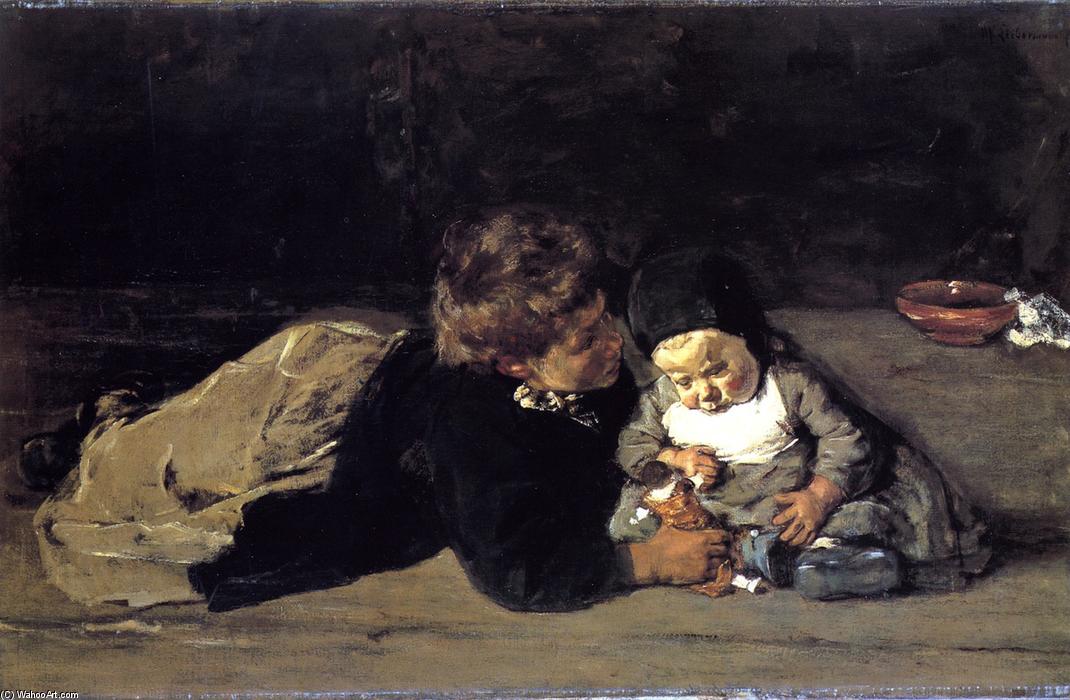
This painting by Max Liebermann exemplifies Impressionistic style, characterized by loose brushwork and tonal variations to depict a heartwarming scene of human interaction. Employing wet-on-wet technique on canvas, Liebermann skillfully captures fleeting moments with sensitivity to light and color, reflecting themes of caregiving and connection within an understated interior setting.
Sanatçı Biyografisi
Max Liebermann (1847-1935): Almanya İzlenimciliğinin önde gelen ismi. Modern yaşamın canlı sahnelerini, etkileyici portrelerini ve huzurlu bahçe manzaralarını keşfedin. Berlin Secession'un önemli üyesi.
Tablo hakkında
A Tender Encounter in Monochrome
In the quietude of Max Liebermann’s 1876 masterpiece, “The Siblings,” time seems to suspend its forward march, allowing a singular moment of human connection to breathe. This monochrome triumph is far more than a mere study of figures; it is a profound exploration of familial tenderness and the soft, unspoken language of intimacy. As the eye meets the canvas, one is immediately drawn into a world of diffused light and tonal harmony, where a man and a child are captured in a fleeting tableau of closeness. The painting transcends its simple subject matter to become a distillation of emotion, rendered with a precision that speaks to the soul as much as it does to the intellect.
The composition is masterfully understated, centering the viewer's attention on the intimate core of the foreground. Here, the figures occupy a simple ground plane, their proximity creating a palpable sense of warmth and protection. While subtle, indistinct individuals linger in the background, they serve only as contextual anchors, ensuring that the primary focus remains fixed upon the bond between the two central subjects. This arrangement creates an inviting depth, drawing collectors and admirers alike into a private, domestic sanctuary that feels both timeless and deeply personal.
Impressionistic Light and Fluid Technique
Liebermann, a leading proponent of Impressionism in Germany, utilizes a technique that prioritizes the ephemeral quality of light over the rigid constraints of photographic realism. Through the skillful application of a wet-on-wet technique, the artist allows colors and tones to blend seamlessly across the canvas, generating a soft, hazy luminescence. This method imbues the scene with an ethereal glow, as if the very air within the room is heavy with memory and quietude. The brushstrokes are loose and organic, characteristic of the Impressionist movement, favoring the suggestion of texture and form over meticulous, sharp-edged detail.
The monochromatic palette—a sophisticated arrangement of blacks, whites, and varying shades of gray—plays a crucial role in the painting's atmospheric success. By stripping away the distraction of color, Liebermann directs our attention to the subtle interplay of shadow and light. This tonal mastery creates a sense of depth and volume, where the soft edges of clothing and facial features emerge from the shadows with a gentle, rhythmic grace. For the interior designer, such a piece offers a sophisticated anchor for a room, providing a neutral yet emotionally resonant focal point that complements both classical and contemporary decor.
A Legacy of Emotion and Connection
To understand “The Siblings,” one must consider the historical currents flowing through Liebermann’s early career. Painted during his formative years in Paris and Weimar, the work reflects the burgeoning fascination with capturing everyday life and subjective experience that defined the era. Much like his contemporaries Monet and Renoir, Liebermann sought to move beyond academic stiffness, embracing a style that mirrored the shifting moods of the natural and domestic worlds. This piece stands as a testament to his ability to translate the essence of human experience onto canvas.
Beyond its technical brilliance, the painting carries a profound symbolic weight. The focus on the relationship between the man and the child evokes universal themes of caregiving, protection, and the enduring strength of familial bonds. There is a palpable sense of nostalgia and quiet contemplation within the frame, making it an ideal acquisition for those who seek art that offers more than mere decoration. It is a piece that invites long periods of reflection, offering a window into a moment of shared attention that remains as poignant today as it was in 1876.
Soru ve Cevaplar
"The Siblings" eserinde teknik ve üslup nasıl birleşiyor?
Max Liebermann imzalı "The Siblings", Oil On Canvas tekniğini Impressionistic Style üslubuyla birleştiriyor. Teknik ve akım, eserin yapılış biçimini ve tarzını tanımlar.
"The Siblings" hangi teknikle yapılmıştır?
Max Liebermann imzalı "The Siblings" eserinin tekniği Oil On Canvas kullanılarak uygulanmıştır. Çoğaltımlar, bu tekniğin görünümünü yansıtmayı amaçlamaktadır.
Max Liebermann imzalı "The Siblings" eserinde sanat akımı ve dönem nasıl bir araya geliyor?
Max Liebermann imzalı "The Siblings" eserinde, Impressionistic Style akımı 19. Yüzyıl dönemiyle buluşuyor.
Kısa bilgiler ve sanat testi
Max Liebermann Hakkında

Max Liebermann
1847 - 1935, Almanya
Sanatçı Özgeçmişi
Max Liebermann’ın Işığa Düşen Hayatı: Bir Alman İzlenimci Ressamın Evreni
1847 yılında Berlin'de, varlıklı bir Yahudi ailesinin çocuğu olarak dünyaya gelen Max Liebermann’ın sanatçı olma yolu önceden çizilmiş değildi. Başlangıçta Berlin Üniversitesi'nde hukuk ve felsefe gibi saygın mesleklere yönlendirilen Liebermann’ın gerçek çağrısı, mahkeme salonlarından çok tuvalde daha güçlü yankı buldu. Ancak bu erken dönemdeki entelektüel keşifler, onun gözlemci bakışını ve dünyayı tasvir etme biçimine kesinlikle şekil verdi. Weimar, Paris ve Hollanda'daki çalışmalarla birlikte sanatsal tutkusu gerçek anlamda alevlendi; çeşitli stillerle tanışarak, anları eşsiz bir ışık ve renk duyarlılığıyla yakalamak üzerine kurulu bir kariyerin temellerini attı. Liebermann sadece gördüklerini resmetmiyordu; deneyimin özünü tuvale aktarıyordu. Erken dönem eserleri genellikle günlük yaşamdan sahneleri, özellikle de çalışan sınıfın hayatını tasvir ediyordu ve bu eserler dönemin hakim romantik estetiğine meydan okuyan bir doğallıkla sunuluyordu. Bu resimler sosyal yorum olarak değil, onurlu ve saygılı insan varoluşunun dürüst portreleri olarak tasarlanmıştı.Alman Bağlamında İzlenimciliği Benimsemek
Liebermann’ın sanatsal gelişimi, Fransız Gerçekçiliğine ve özellikle de yükselen İzlenimci hareketine maruz kalmasından derinden etkilendi. Édouard Manet'nin ruhu – cesareti, akademik geleneklere meydan okuması, çağdaş hayata odaklanması – Liebermann ile derin bir rezonansa girdi. Ancak Paris’te gördüklerini basitçe kopyalamadı; bunun yerine bu ilkeleri Alman duyarlılığına uyarlayarak kendine özgü bir İzlenimcilik yarattı. Paleti daha parlak hale geldi, fırça darbeleri daha gevşek ve kendiliğinden oldu ve konuları burjuva eğlencesi sahnelerine ve Wannsee Gölü yakınlarındaki bahçesinin huzurlu güzelliğine kaydı. Bu bahçe özellikle kariyeri boyunca tekrarlayan bir motif haline geldi; dış dünyanın hızla değişen dünyasından bir sığınak sunarak ışık ve atmosferin keşifleri için sonsuz ilham kaynağı sağladı. Sadece çiçekler ve yapraklar resmetmiyordu; yazın hissini, güneşin sıcaklığını, yaprakların arasından esen hafif rüzgarı yakalıyordu. Manzaraların ötesinde Liebermann, Albert Einstein ve Paul von Hindenburg gibi ikonik figürlerin tasvirlerini içeren 200'den fazla sipariş üzerine portre tamamlayarak son derece aranan bir portreciliğe dönüştü. Bu portreler sadece benzerlikler değildi; ince jestler ve ifadeler aracılığıyla konularının iç yaşamını ortaya koyan derin karakter çalışmalarıydı.Sanatsal Özgürlüğün Şampiyonu
Liebermann sadece resmetmekle yetinmedi; aynı zamanda sanatsal yeniliği ve bağımsızlığı aktif olarak savundu. Geleneksel sanat kuruluşlarının kısıtlayıcı etkilerini fark ederek, 1898'de Berlin Ayrılıkçılığı’nın öncüsü oldu ve on yıldan fazla bir süre bu avangart grubun liderliğini yaptı. Ayrılıkçılar geleneksel normlara meydan okudu ve akademik geleneğin sınırlarının dışında çalışan sanatçılara bir platform sağladı. Sanatsal özgürlüğe olan bu bağlılığı, kendi eserlerinin ötesine uzandı; Liebermann tutkuyla sanatçıların siyasi veya ideolojik baskılardan bağımsız olarak vizyonlarını keşfredebilmeleri gerektiğine inanıyordu. 1909'da Prusya Sanat Akademisi’ne seçilmesi ve ardından 1920'de başkanlığı, Alman sanat dünyasındaki artan etkisinin kanıtıydı; ancak bu pozisyonlar onu aynı zamanda yükselen anti-Semitizm ve milliyetçilikle yüz yüze getirdi ve bu durum sonunda hayatının işini tehdit edecekti.Değişen Bir Dünyanın Gölgeleri: Mirası ve Dayanıklılığı
Nazizmin yükselişi, Liebermann’ın sonraki yıllarına karanlık bir gölge düşürdü. Ayrımcılığa karşı ilkeli duruşu, 1933'te Prusya Akademisi’nden istifasına yol açtı; bu cesur eylem değerlerinden ödün vermeyi reddetmesini gösterdi. Artan zulümle karşı karşıya kalmasına rağmen resmetmeye devam etti ve sanatında teselli ve amaç buldu. 1935 yılında Berlin'de hayatını kaybetti, geride zengin bir resim mirası bıraktı; baskılar ve sanatsal ifadeye olan derin bağlılığı kaldı. Eşi Martha, Holokost’un korkunç sonuçlarının yürek burkan bir kanıtı olarak deportasyondan kaçınmak için 1943 yılında hayatına son verdi. Savaştan sonra yıllarca Liebermann’ın eseri biraz göz ardı edildi; ancak son on yıllarda Alman İzlenimciliği ve modern sanat tarihine katkıları yeniden takdir gördü. Bugün, sadece parlak bir ressam olarak değil, aynı zamanda sanatsal ifadeyi cesurca savunan ve zulme karşı direnişin sembolü olarak hatırlanıyor. Resimleri, ışıklarının canlı güzelliği, derin gözlemleri ve kalıcı insanlığıyla izleyicileri büyülemeye devam ediyor.Ana Başarıları ve Kalıcı Etkisi
- "On İki Yaşındaki İsa Tapınakta": Bu erken dönem eseri, geleneksel dini ikonografiye meydan okuyan Semitik görünümlü bir İsa tasviri nedeniyle önemli tartışmalara yol açtı.
- Berlin Ayrılıkçılığı’nın Liderliği: Bu avangart hareketin liderliğindeki kilit rolü sanatsal normlara meydan okudu ve Almanya'da modern sanatın önünü açtı.
- Prusya Sanat Akademisi Başkanlığı: Nazizmin yükselişiyle tehlikeye girmiş olsa da, sanatsal yeteneğinin önemli bir tanınmasıydı.
- Usta Portrecilik: 200'den fazla sipariş üzerine portrede konularının özünü yakalama becerisi, onu önde gelen bir portre ressamı olarak pekiştirdi.
- Alman İzlenimciliği Üzerindeki Etkisi: Liebermann, İzlenimci ilkelerini benzersiz bir şekilde Alman bağlamına uyarlamayı başardı ve nesiller boyu sanatçılara ilham verdi.
Max Liebermann hakkında kısa bilgiler
- Bu Sanatçıdan Etkilenenler: ['Alman Empresyonizmi']
- Doğum Tarihi: 20 Temmuz 1847
- Doğum Yeri: Berlin, Almanya
- Etkilendiği Sanatçılar: ['Édouard Manet']
- Sanatsal Akım: Empresyonizm
- Tam Adı: Max Liebermann
- Uyruğu: Alman
- Ölüm Tarihi: 8 Şubat 1935
- Önemli Eserleri:
- The 12-Year-Old Jesus...
- Dutch Farmhouse with Woman
- Portrait of Dr. Max Linde
Benzer Eserler


Temalara, stillere ve özelliklere göre düzenlenmiş sanat eserlerini keşfedin.


Max Liebermann
The Siblings
() ·
Çerçevesiyle birlikte: · Keten üzerine yağlı boya ile el yapımı
Toplam