


 Gönder
 Paylaş
 Detaylar
 Rehber

 Dosyayı İndir
 Benzerleri
 Slayt Gösterisi
 İstatistikler
Taureau (Bull)
 Ceramics
- Cubist Decoration
 23.0 x 29.0 cm
 Galleria d'Arte Moderna
 Devamını Oku
Pablo Picasso (1881-1973), Kübizm'in öncüsü ve modern sanatın devrimcisidir. Guernica ve Les Demoiselles d'Avignon gibi ikonik eserleriyle tanınır, sanata olan etkisiyle ilham vermeye devam ediyor.
Giclée / Sanat Baskısı
Hızlı üretim ve esnek bitiş seçenekleriyle müze kalitesinde giclée veya kanvas baskı. ( El Yapımı Tablo Satın Al Dijital Görsel Satışına Geç)




































Standart Boyutlar
özel boyutlu
CM
INCH
Eserin orijinal oranlarıyla uyumlu, önceden belirlenmiş boyutlarımız arasından seçim yapın.
Loading sizes...

genişlik
yükseklik
Belirli bir çerçeveye veya alana uyması için kendi ölçülerinizi girebilirsiniz. Seçtiğiniz boyut orijinal görüntünün oranlarıyla eşleşmiyorsa, sanat eserini kırpacağız veya görüntüyü aynalanmış ya da düz dolgulu bir kenarlıkla genişleteceğiz. Üretim başlamadan önce onayınız için bir dijital taslak gönderilecektir.
Lütfen ekrandaki önizlemenin gerçek kırpma veya genişletmeyi yansıtmadığını unutmayın. Nihai kompozisyonu yalnızca taslak doğru bir şekilde gösterecektir.
Özel boyutlar mevcut olsa da, orijinal oranları korumak için önceden tanımlanmış listeden bir boyut seçmenizi öneririz.
Dünya Çapında Teslimat (); standart 4/5 hafta yerine 2 haftada. (27 Eylül)

Dünya Çapında Ücretsiz Ekspres Kargo

Yüksek Kaliteli Keten Tuval

Tam Nakliye Sigortası

Gümrük Vergisi İadesi Garantisi

Gerçek Renk Uyumu Garantisi

100 Günlük İade Koşulları (Sadece Üretim Hatalı Ürünler İçin)

%100 Para İade Garantisi

Toplu Alım Avantajı
 Cam seçeneği yalnızca 110 cm altındaki boyutlar için mevcuttur.

Taureau (Bull)
Giclée / Sanat Baskısı
Baskı Boyutu
-


Toplam Fiyat
$ 69
A Bold Statement in Terracotta: Picasso’s “Taureau”
Pablo Picasso's "Taureau" (Bull), a ceramic vase produced during his vibrant period working with the Madoura workshop in Vallauris, is more than just a decorative object; it’s a concentrated distillation of the artist’s evolving visual language. Created between 1946 and the early 1950s, this piece embodies a fascinating intersection of artistic ambition, traditional craft, and the enduring power of symbolism – a testament to Picasso's willingness to experiment while retaining a deep respect for the materials and processes at hand.
The work’s immediate impact is one of striking simplicity. Rendered in stark black and white with strategic accents of yellow and blue, the bull’s head dominates the composition, presented slightly off-center against the pale terracotta background. Picasso deliberately employed a graphic style, reminiscent of his Cubist explorations but tempered by the inherent qualities of ceramics. The bold outlines, achieved through careful application of paint or glaze, create a sense of immediacy and force – the animal feels both monumental and contained within the vase’s form. Notice how the lines aren't perfectly uniform; these slight imperfections speak to the handmade nature of the piece, adding a layer of tactile authenticity that elevates it beyond mere reproduction.
The Fusion of Master and Artisan
Picasso’s relationship with the Madoura workshop was pivotal in this period. While he famously resisted physically handling the pottery wheel himself – preferring to direct the process from his studio – he became utterly absorbed by every stage of creation, from initial sketches and shape design to the final decoration. This collaborative approach is beautifully illustrated here. The vase’s rounded form, a deliberate departure from purely geometric abstraction, reflects a conscious engagement with the inherent curves of the material. It's important to remember that Suzanne and Georges Ramié, the husband-and-wife team running the workshop, were dedicated to preserving traditional techniques alongside embracing new artistic influences – a dynamic perfectly mirrored in Picasso’s involvement.
Symbolism and the Enduring Power of the Bull
The bull itself is a potent symbol, deeply rooted in human culture. Throughout history, it has represented strength, virility, courage, and even chaos. Picasso frequently utilized this motif throughout his career, imbuing it with personal meaning – often reflecting themes of power, aggression, or the primal instincts that lie beneath the surface of civilized society. In “Taureau,” the bull’s simplified form seems to embody a controlled energy, a contained force ready to be unleashed. The strategic use of yellow highlights on the horns and body further emphasizes this sense of intensity.
A Window into Picasso's Late Style
“Taureau” offers a compelling glimpse into Picasso’s artistic trajectory during his later years. It represents a shift towards a more decorative, graphic style, while retaining the fragmented forms characteristic of Cubism. The slightly angled perspective and careful attention to detail in rendering the vase’s surface demonstrate a sophisticated understanding of spatial relationships and material qualities. This piece isn't simply a ceramic object; it’s a miniature manifesto of Picasso’s artistic vision – a bold statement rendered in terracotta, inviting contemplation on art, symbolism, and the enduring legacy of one of history’s greatest artists. A reproduction captures this essence beautifully, bringing a touch of Picasso’s genius into any space.
Sanatçı Biyografisi
Pablo Picasso: Sanatın Sınırlarını Yıkan İspanyol Dehası
Pablo Ruiz y Picasso, 25 Ekim 1881’de Malaga’da doğmuş ve 8 Nisan 1973’te Mougins’de hayata veda etmiş bir İspanyol ressam, heykeltıraş, baskı sanatçısı, seramik sanatçısı ve sahne tasarımcısıydı. Sanat tarihinde en etkili figürlerden biri olarak kabul edilen Picasso, özellikle Georges Braque ile birlikte Kübizm akımını başlattığı için tanınır. Onun sanatsal mirası, 20. yüzyıl sanatının gelişimini derinden etkilemiş ve günümüz estetiğine de ilham vermeye devam etmektedir. Çocukluğundan itibaren resim yeteneği açıkça belli olan Picasso’nun ilk öğretmenleri arasında babası José Ruiz y Blasco yer almıştır. Babasının yönlendirmesiyle Malaga, La Coruña ve Barcelona gibi şehirlerde sanat eğitimi almış, ancak akademik kuralların sınırlarını aşarak kendi özgün tarzını yaratmaya odaklanmıştır. Ailesinin yaşadığı kişisel trajediler, özellikle kız kardeşinin kaybı, Picasso’nun eserlerine melankolik bir hava katmış ve ölüm temalarını işlemesine neden olmuştur.Mavi Dönemden Gül Tonlarına: Duygusal Derinliklerin Sanatsal İfadesi
20. yüzyılın başlarında Picasso'nun sanatsal kariyerinde iki belirgin dönem ortaya çıkmıştır: Mavi Dönem (yaklaşık 1901-1904) ve Gül Dönemi (1904-1906). Mavi Dönem, kişisel zorluklardan ve toplumsal acılara duyduğu derin farkındalığın bir yansıması olarak ortaya çıkmıştır. Bu dönemde resimlerinde ağırlıklı olarak mavi ve maviyesiler tonları hakimdir. Yoksulluk içinde yaşayan, görme engelli, hayat kadınları gibi toplumun dışlanmış figürleri, Picasso’nun dokunduğu temel temalar arasında yer alır. La Vie (1903) ve Eski Gitar Çalacı (1903-1904) adlı eserleri, bu duygusal yoğunluğun çarpıcı örnekleridir. Kişisel hayatındaki değişimler ve Paris’e taşınmasıyla birlikte Gül Dönemi başlamış, renk paleti pembe, turuncu ve kırmızı tonlarını kucaklayarak daha sıcak bir atmosfere bürünmüştür. Bu dönemde Picasso, sirk sanatçılarına – palyaçolar, trapezciler ve aile grupları – olan ilgisini yansıtmıştır. Saltimbanekler Ailesi (1905) adlı eseri, bu geçişin güzel bir örneğidir ve önlerinde yatan stilistik keşiflere işaret etmektedir.Bakış Açısının Parçalanması: Kübizm ve Ötesi
1907 yılı, sanat tarihinde önemli bir dönüm noktası olarak kabul edilir; çünkü Les Demoiselles d'Avignon adlı eseriyle Kübizm’in temelleri atılmıştır. İberya heykellerinden ve Afrika maskelerinden aldığı ilhamla Picasso, geleneksel perspektif ve temsiliyet anlayışını yıkarak sanat dünyasında bir devrim başlatmıştır. Georges Braque ile yakın işbirliği içinde Kübizm akımının eş kurucusu olmuş ve sanatçıların gerçekliği algılama ve tasvir etme biçimini kökten değiştirmiştir. Analitik Kübizm (1909-1912) döneminde nesneler geometrik şekillere ayrılmış, yumuşak renklerle ifade edilerek formun kendisi analiz edilmiş gibi görünmüştür. Bu yaklaşım, doku ve yeni görsel katmanlar ekleyerek kolaj öğelerinin dahil edildiği Sentetik Kübizm (1912-1919) ile evrilmiştir. Picasso, dünyayı sadece temsil etmekle kalmamış, onu kendi kurallarına göre ayrıştırmış ve yeniden inşa etmiştir.Sürekli Deneyen Bir Sanatçı: Neoklasisizm, Sürrealizm ve Savaşın İzleri
1920’ler, Picasso'nun kısa bir süre için Neoklasik tarzları keşfettiği dönemi kapsar; bu dönemde klasik formlara gönderme yapan anıtsal figürler yaratmıştır. Aynı zamanda yükselen Sürrealist hareketle de etkileşim halindeydi, ancak hiçbir zaman tam olarak bu akımın ilkelerine bağlı kalmadı. Bu dönemdeki çalışmaları, önceki stilistik etkileri sürreal imgeler ve çarpık perspektiflerle birleştirerek bitmek bilmeyen denemelerini sergilemiştir. İspanya İç Savaşı'nın dehşeti, Picasso’yu derinden etkilemiş ve Guernica (1937) adlı eserin ortaya çıkmasına neden olmuştur. Bu anıtsal eser, Guernica kasabasının bombalanmasına karşı duyduğu öfkeyi yansıtan, canlı ve duygusal olarak yıkıcı bir tepkiyi temsil etmektedir. Guernica, savaşın korkunçluğunu simgeleyen kalıcı bir sembol haline gelmiş ve Picasso’nun sadece bir sanatçı değil, aynı zamanda barış ve sosyal adalet için güçlü bir ses olduğunu kanıtlamıştır. 1950'ler ve 60'larda seramik, heykel ve baskı sanatı gibi farklı alanları keşfederek merakını ve yeteneğini sürdürmüştür. 1961’de Jacqueline Roque ile evlenmesi, kişisel hayatına yeni bir boyut katmış ve sanatsal ifadesini zenginleştirmiştir.Tartışılamaz Bir Etki
Pablo Picasso, 8 Nisan 1973'te Fransa'nın Mougins kentinde hayata veda ettiğinde ardında yaklaşık 50.000 parçadan oluşan muazzam bir eser bırakmıştır; bu eserler günümüzde de izleyicileri büyülemeye ve ilham vermeye devam etmektedir. Sanatsal gelişimi, Velázquez ve Goya gibi İspanyol ustaların yanı sıra İberya heykelleri, Afrika sanatı ve Henri Matisse’in canlı renk paletleri gibi çeşitli etkilerden şekillenmiştir. 20. yüzyıl sanatındaki etkisi ölçülemezdir. Kübizm'i kurucularından biri olmuş, kolajı ve yapay heykelciliği öncüleştirmiş ve sürekli olarak sanatsal geleneklere meydan okumuştur. Picasso’nun bitmek bilmeyen denemeleri modern sanatı yeniden tanımlamış ve nesiller boyunca sanatçılara ilham vererek tarihteki en önemli ve etkili figürlerden biri olduğunu pekiştirmiştir. Mirası, tuvalin ötesine geçerek çağdaş kültürün birçok yönünde yankı bulmakta ve sanatsal vizyonun dönüştürücü gücünü hatırlatmaktadır.
Pablo Picasso
1881 - 1973 , İspanya
Kısa Bilgiler
- Artistic Movement Or Style: Kübizm, Sürrealizm
- Artists Or Movements Influenced By This Artist:
- Kübizm
- Modern sanat
- Artists Who Influenced This Artist:
- Velázquez
- Goya
- Matisse
- Date Of Birth: 25 Ekim 1881
- Date Of Death: 8 Nisan 1973
- Full Name: Pablo Diego José Ruiz Picasso
- Nationality: İspanyol
- Notable Artworks:
- Les Demoiselles d'Avignon
- Guernica
- Eski Gitarist
- La Vie
- Saltimbankes Ailesi
- Place Of Birth: Málaga, İspanya
İlgili Yazılar

Cubism Unveiled: How Picasso and Braque Redefined Modern Art through Geometric Revolution
Explore the revolutionary world of Cubism. Discover how Pablo Picasso and Georges Braque dismantled perspective to redefine modern art through geometric innovation and analytical mastery. An essential guide for art students, collectors, and history enthusiasts.

Pablo Picasso: A Revolutionary Vision – Cubism, Symbolism & Enduring Legacy
Explore the revolutionary art of Pablo Picasso with TopImpressionists.com. Discover Cubism's origins, symbolism in his masterpieces & investment insights for collectors. Expert appraisal & custom reproductions available.

Cubism Unveiled: How Picasso and Braque Redefined Reality Through Geometric Abstraction
Explore the revolutionary world of Cubism. Discover how masters Pablo Picasso and Georges Braque dismantled reality through geometric abstraction to redefine modern art history.
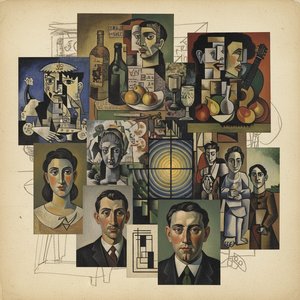
Cubism's Revolution: 10 Masterpieces That Redefined Modern Art | TopImpressionists
Explore 10 Cubist masterpieces by Picasso, Braque & more! Delve into the history of this revolutionary art movement. Find museum-quality reproductions and elevate your home decor with TopImpressionists. Discover all masterpieces on TopImpressionists.com

Cubism Explained: How Picasso and Braque Shattered Reality to Redefine Modern Art
Master the complexities of Cubism with our expert guide. Explore how Picasso and Braque revolutionized modern art through fragmentation, multiple perspectives, and geometric innovation. Perfect for art students and collectors seeking deep historical insight.
Temalara, stillere ve özelliklere göre gruplandırılmış sanat eserlerini keşfedin.


