


 Önizleme yap
 Paylaş
 Paylaş
 Detayları Gör
 Rehber

 İndir
İndir
 Benzerlerini gör
 X-Işını
 Slayt Gösterisi
 İstatistikler
House and Trees


Paul Cézanne
 Tümünü Gör
Post-empresyonist ressam Paul Cézanne (1839-1906), Empresyonizm ile Kübizm arasında köprü kurdu! Geometrik formları, natürmortları ve modern sanat üzerindeki kalıcı etkisiyle tanışın. #Cezanne #PostEmpresyonizm
Giclée / Sanat Baskısı
Hızlı üretim ve esnek bitiş seçenekleriyle müze kalitesinde giclée veya kanvas baskı. ( El yapımı tablo satın al Dijital Görsele Geç)




P118B $10

P118H $10

P118W $10

P438Z $10

P508JH $12

P508YH $12

P805H $10

P805Z $10

P919BZ $10

P919G $10

P919XJ $10

P959ZH $10

P968JZ $12

W106C $8

W218G $10

W218JH $8

W218Y $10

W307PJ $10

W316G $10

W316PJ $8

W316Y $10

W398PJ $8

W4111J $10

W500HY $15

W500JH $15

W692G $12

W849H $8

W940BG $15

W953PJ $8




Standart
kişiye özel
CM
INCH
Eserin orijinal oranlarıyla uyumlu, önceden belirlenmiş boyutlarımız arasından seçim yapın.
Loading sizes...

genişlik
yükseklik
Belirli bir çerçeveye veya alana uyması için kendi ölçülerinizi girebilirsiniz. Seçtiğiniz boyut orijinal görüntünün oranlarıyla eşleşmiyorsa, sanat eserini kırpacağız veya görüntüyü aynalanmış ya da düz dolgulu bir kenarlıkla genişleteceğiz. Üretim başlamadan önce onayınız için bir dijital taslak gönderilecektir.
Lütfen ekrandaki önizlemenin gerçek kırpma veya genişletmeyi yansıtmadığını unutmayın. Nihai kompozisyonu yalnızca taslak doğru bir şekilde gösterecektir.
Özel boyutlar mevcut olsa da, orijinal oranları korumak için önceden tanımlanmış listeden bir boyut seçmenizi öneririz.
Dünya Çapında Teslimat (); standart 4/5 hafta yerine 2 haftada. (24 Eylül)

Dünya Çapında Ücretsiz Ekspres Kargo

Yüksek Kaliteli Keten Tuval

Tam Kapsamlı Nakliye Sigortası

Gümrük Vergisi İade Garantisi

Gerçek Renk Uyumu Garantisi

100 Günlük İade Politikası (Sadece Kusurlu Ürünler İçin)

%100 Para İade Garantisi

Toplu Alım İndirimi
 Cam seçeneği yalnızca 110 cm altındaki boyutlar için mevcuttur.

House and Trees
Giclée / Sanat Baskısı
Reproduksiyon Boyutu
-


Toplam Tutar
$ 69
House and Trees
Paul Cézanne’s House and Trees stands as a cornerstone of Post-Impressionism, marking a decisive break from the fleeting impressions favored by Monet and Renoir toward a more enduring exploration of form and structure. Executed in 1890 and currently residing at The Barnes Foundation in Philadelphia, this painting transcends mere depiction—it embodies Cézanne’s profound engagement with the natural world and his pioneering approach to artistic representation.Composition and Style
At first glance, House and Trees presents a deceptively simple scene: a rustic stone house nestled amongst mature trees—primarily olive trees—against a hazy backdrop. However, Cézanne’s genius lies in his masterful manipulation of perspective and color to convey an atmosphere of stillness and contemplation. Unlike traditional landscapes that strive for accurate representation, Cézanne abandons linear perspective, favoring instead a flattened plane where objects appear to exist simultaneously in multiple dimensions. This technique—characteristic of Cézanne's oeuvre—creates a sense of depth achieved not through illusion but through the layering of color and brushstrokes. The repetitive, exploratory brushstrokes build up complex fields of color that capture the essence of light and shadow, imbuing the painting with an almost palpable vibrancy.Artistic Influences
Cézanne’s artistic vision drew inspiration from a diverse range of sources. While acknowledging the legacy of Romanticism—particularly its emphasis on sublime landscapes—he decisively rejected the idealized beauty championed by his predecessors. Furthermore, Cézanne absorbed lessons from Realist painters like Jean-François Millet, who focused on portraying everyday life with unflinching honesty. Yet, it was Cézanne’s fervent admiration for Impressionists such as Monet and Renoir that propelled him toward a radical reformulation of artistic expression. He meticulously studied their methods of capturing fleeting moments of light and color, recognizing the importance of tonal modulation—the subtle blending of hues to create depth and luminosity—but he refused to adopt Impressionism's preoccupation with optical sensations. Instead, Cézanne sought to distill the underlying structure of objects into simplified geometric forms—a precursor to Cubism—demonstrating a conviction that art should strive for intellectual rigor alongside aesthetic beauty.Legacy
Cézanne’s innovative approach fundamentally reshaped the trajectory of modern art. He is often hailed as “the father of us all” by artists like Henri Matisse and Pablo Picasso, who acknowledged his profound influence on their stylistic development. Cézanne's unwavering dedication to exploring form and color—coupled with his rejection of academic conventions—established a new paradigm for artistic creation. His work continues to inspire generations of painters and sculptors alike, serving as a testament to the enduring power of artistic experimentation and intellectual curiosity. The Barnes Foundation’s acquisition of House and Trees underscores its commitment to preserving and disseminating Cézanne's groundbreaking vision—a contribution that resonates powerfully across the centuries.Relevance in Modern Art
Cézanne’s influence extends far beyond his immediate contemporaries. He paved the way for avant-garde movements like Cubism, spearheaded by Picasso and Georges Braque, which dismantled traditional pictorial conventions to depict objects from multiple viewpoints simultaneously—a revolutionary departure from Cézanne's single-perspective approach. Moreover, Cézanne’s exploration of color and form anticipated developments in Expressionist painting, where artists sought to convey emotional intensity through distorted imagery and bold chromatic palettes. Artists such as Vincent van Gogh and Paul Klee recognized Cézanne’s pioneering spirit—his willingness to challenge established norms—and embraced his stylistic innovations as a springboard for their own artistic endeavors. His legacy endures not merely as an aesthetic achievement but as a philosophical assertion: that art should strive for both beauty and intellectual depth, forever altering the landscape of Western art history.Benzer Eserler


Sanatçı Özgeçmişi
Dâhi Bir Vizyon: Paul Cézanne’ın Hayatı ve Sanatı
Paul Cézanne, 1839 yılında Aix-en-Provence'da doğmuş, empresyonizmin geçici izlenimleriyle kübizmin parçalanmış formları arasında bir köprü görevi gören, sanat tarihinde devasa bir figür olarak tarihe geçmiştir. Yolculuğu, hemen kabul görme şeklinde olmamış; aksine, sanatsal keşiflerle dolu, şüphe ve eleştirilerle işaretlenmiş yavaş bir gelişim süreciydi. Sonunda modern sanatın seyrini derinden etkileyecek bir miras bırakmıştır. Babası ilk olarak şapkam yapımcısı, daha sonra bankacı olan mütevazı ama varlıklı bir ailede doğan Cézanne, hırslı sanatçılar için alışılmadık bir finansal güvenceye sahipti ve bu sayede ticari başarı baskısı olmadan tutkusuna kendini adamasına izin veriyordu. Babasının beklentileri doğrultusunda hukuk kariyerine yönlendirilse de sanatsal ifade dürtüsü çok güçlüydü ve hayatını tanımlayacak olan resme adanmak için hukuku terk etti. Erken dönem etkileri, gençliğinde hakim olan romantizm ve Barbizon okulunun manzara sevgisiydi; ancak Paul Gauguin ve Georges Seurat gibi sanatçılarla karşılaşması ve onların renk ve formlara getirdiği yenilikçi yaklaşımları, Cézanne’ı kendi kendine özgü yolunu çizmeye yöneltti.Karanlıktan Yapıya: Bir Tarzın Evrimi
Cézanne'ın ilk dönem eserleri genellikle romantik resmin karakteristik özelliklerini yansıtan dramatik ve duygusal temaları ifade ediyordu – tuvallerini karanlık paletler ve etkileyici fırça darbeleri domine ediyordu. Ancak bu başlangıç aşaması, çok daha analitik ve çığır açan bir yaklaşıma doğru atılmış bir adımdı. Empresyonistlerin favori olarak gördükleri ışığın geçici izlenimlerini yakalamanın ötesinde tatmin olmayan Cézanne, nesnelerin altında yatan yapıyı anlamak ve temsil etmek için bir arayışa girdi. Sadece *neyi* gördüğünü değil, aynı zamanda gerçekliği oluşturan temel formları nasıl algıladığını merak etti. Bu durum onu doğal şekilleri geometrik eşdeğerlerine – konilere, silindirlere, kürelere – indirgemeye yöneltti ve bu da onlar ortaya çıkmadan onlarca yıl önce Kübizm devrimini öngörmüştü. Tekniği, karmaşık renk alanları ve dokular oluşturmak için dikkatlice katmanlanmış küçük, tekrarlayan fırça darbeleriyle karakterize oldu; daha önce resimde görülmemiş bir sağlamlık ve derinlik hissi yarattı. İllüzyonist uzayla ilgilenmiyordu; bunun yerine nesneleri aynı anda birden fazla bakış açısından sunarak geleneksel perspektif kavramlarını zorladı ve izleyicinin kompozisyonunun inşa edilmiş doğasıyla aktif olarak etkileşim kurmasını sağladı. Bu kasıtlı bozulma rastgele değildi, aksine formun daha eksiksiz bir anlayışını iletme çabasıydı; sadece belirli bir zamanda yakalanan bir an değil, algının bir senteziydi.Manzara, Natürmort ve İnsan Formu: Temel Eserler ve Tekrarlayan Motifler
Cézanne’ın yapıtı şaşırtıcı derecede çeşitlidir; manzaralar, natürmortlar, portreler ve banyocular tasvirleri içerir; ancak hepsi benzersiz form ve renk yaklaşımıyla birleştirilmiştir. 1880 yılında resmettiği Jas de Bouffan'daki Havuz, şekil ve tonların dikkatli bir düzenlemesi aracılığıyla doğanın özünü yakalama yeteneğini sergileyen manzara çalışmalarını örneklendirir. 1866 yılında oluşturulan Émile Zola Portresi, gelişen tarzına ışık tutar ve yakın arkadaşı ve yazarla arasındaki zihinsel yoğunluğun etkileyici bir bakış açısını sunar. Natürmortları, nesnelerin basit temsilleri olmanın ötesinde hacim, ışık ve mekansal ilişkilerin keşifleridir. Mont Sainte-Victoire serisi Cézanne için bir takıntı haline geldi; onlarca yıl boyunca form ve perspektifi araştırmasına olanak tanıyan tekrarlayan bir motif oldu. Bu resimler sadece bir dağın tasviri değildir; derinlik, hacim ve ışık ve gölge arasındaki etkileşimin nasıl algılandığını incelemelerdir. Son olarak, banyocular serisi, idealize edilmiş manzaralarda çıplak figürleri betimleyerek insan formunun doğayla olan bağlantısını temsil eder ve genellikle zamansızlık ve sessiz bir düşünce duygusuyla yüklüdür.Yenilikle Damgalanan Bir Miras: Cézanne’ın Modern Sanat Üzerindeki Etkisi
Paul Cézanne'ın sonraki sanat nesilleri üzerindeki etkisi ölçülemez. Resim diline yaptığı çığır açan katkılar nedeniyle 20. yüzyılın başlıca sanatsal akımlarından birçokına zemin hazırlayarak modern sanatın "babası" olarak yaygın olarak kabul edilir. Pablo Picasso ve Georges Braque, Cézanne'ın geometrik formlara ve çoklu perspektiflere verdiği önemden derinden etkilendi ve bunlar Kübizm’in merkezi ilkelerinden biri haline geldi. Cesur renk kullanımı da Henri Matisse liderliğindeki Fauvist hareketini etkiledi; sanatçılar alışılmadık, doğal olmayan canlı tonları kucakladılar. Hatta Empresyonist sanatçılar bile Cézanne'ın öznel algı ve psikolojik derinlik keşfini yankı buldu. Belirli akımların ötesinde, Cézanne’ın sanatçının kişisel vizyonuna olan ısrarı ve geleneksel akademik kısıtlamaları reddetmesi, nesiller boyu ressamı yeni ifade biçimlerini keşfetme özgürlüğü bahşetti. Temsilin tanımını değiştirdi; taklit etmekten ziyade, altta yatan yapıya ve öznel algıya dayanan görsel bir deneyim inşa etmeye odaklandı. 1906'daki ölümü bir son değil, yeni bir çağın şafağını – sanat tarihi üzerinde devrimci vizyonuyla derinden şekillenen – işaret etti.
Paul Cézanne
1839 - 1906 , Fransa
Kısa Bilgiler
- Artistic Movement Or Style: Post-Empresyonizm
- Artists Or Movements Influenced By This Artist:
- Kübizm
- Fauvizm
- Sürrealizm
- Artists Who Influenced This Artist:
- Romantizm
- Barbizon Okulu
- Paul Gauguin
- Georges Seurat
- Date Of Birth: 19 Ocak 1839
- Date Of Death: 22 Ekim 1906
- Full Name: Paul Cézanne
- Nationality: Fransız
- Notable Artworks:
- The Pond at Jas de Bouffan
- Portrait of Émile Zola
- Mont Sainte-Victoire serisi
- Bathers serisi
- Place Of Birth: Aix-en-Provence, Fransa
İlgili Makaleler
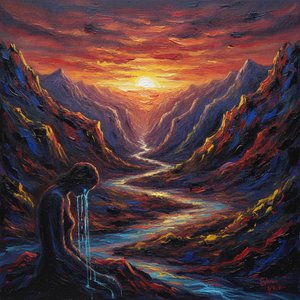
Capturing Emotion: A Journey Through the Soul of Expressionist Landscapes
Explore the profound emotional depth of Expressionist landscapes. Discover how Post-Impressionist masters moved beyond light to capture the soul through vibrant color and form. A curated journey for true art lovers seeking the beauty of expressive mastery.
Temalara, stillere ve özelliklere göre düzenlenmiş sanat eserlerini keşfedin.


