


 Önizle
 Gönder
 Paylaş
 Detaylar
 Rehber

 Dosyayı İndir
 Benzerleri
 X-Işını
 Slayt Gösterisi
 İstatistikler
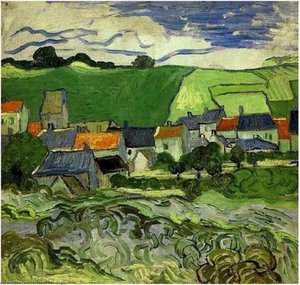
View of Auvers
 Oil
Oil- WallArt
- Post-Impressionism
 1873
1873- 19th Century
 65.0 x 80.0 cm
 Devamını Oku
Post-empresyonist ressam Paul Cézanne (1839-1906), Empresyonizm ile Kübizm arasında köprü kurdu! Geometrik formları, natürmortları ve modern sanat üzerindeki kalıcı etkisiyle tanışın. #Cezanne #PostEmpresyonizm
Giclée / Sanat Baskısı
Hızlı üretim ve esnek bitiş seçenekleriyle müze kalitesinde giclée veya kanvas baskı. ( El Yapımı Tablo Satın Al Dijital Görsel Satışına Geç)




P118B ₺10

P118H ₺10

P118W ₺10

P438Z ₺10

P508JH ₺12

P508YH ₺12

P805H ₺10

P805Z ₺10

P919BZ ₺10

P919G ₺10

P919XJ ₺10

P959ZH ₺10

P968JZ ₺12

W106C ₺8

W218G ₺10

W218JH ₺8

W218Y ₺10

W307PJ ₺10

W316G ₺10

W316PJ ₺8

W316Y ₺10

W398PJ ₺8

W4111J ₺10

W500HY ₺15

W500JH ₺15

W692G ₺12

W849H ₺8

W940BG ₺15

W953PJ ₺8




Standart Boyutlar
özel boyutlu
CM
INCH
Eserin orijinal oranlarıyla uyumlu, önceden belirlenmiş boyutlarımız arasından seçim yapın.
Loading sizes...

genişlik
yükseklik
Çerçevenize veya duvarınıza uygun olması için ihtiyacınız olan genişlik ve yüksekliği yazın. Bir baskı yalnızca kesilebilir, görselden daha büyük hale getirilemez; bu nedenle farklı bir formdaki boyut seçimi, görselin bir kısmının kaybına neden olur. Herhangi bir baskı yapmadan önce onaylamanız için size bir dijital taslak gönderiyoruz. Bu sayfada gösterilen resim gerçek kesimi göstermez — bunu yalnızca taslak gösterir.
Dünya Çapında Teslimat (); standart 4/5 hafta yerine 2 haftada. (25 Ekim)

Dünya Çapında Ücretsiz Ekspres Kargo

Yüksek Kaliteli Keten Tuval

Tam Nakliye Sigortası

Gümrük Vergisi İadesi Garantisi

Gerçek Renk Uyumu Garantisi

100 Günlük İade Koşulları (Sadece Üretim Hatalı Ürünler İçin)

%100 Para İade Garantisi

Toplu Alım Avantajı
 Cam seçeneği yalnızca 110 cm altındaki boyutlar için mevcuttur.

View of Auvers
Giclée / Sanat Baskısı
Baskı Boyutu
-


Toplam Fiyat
₺ 3375
A Window on Tranquility: Paul Cézanne’s “View of Auvers”
Paul Cézanne's "View of Auvers," painted in 1879–80, isn’t merely a landscape; it’s a carefully constructed invitation into a world of quiet contemplation. This oil-on-canvas masterpiece, measuring a modest 46 x 55 centimeters, resides within the heart of the Post-Impressionist movement, marking a pivotal shift in how artists perceived and represented reality. Initially conceived during Cézanne's sojourn in Auvers-sur-Oise – a village nestled just northwest of Paris—the painting captures a scene that feels both familiar and profoundly unique. It’s a place where the rolling hills meet the horizon, punctuated by a cluster of humble houses and the suggestion of a distant church spire, all bathed in the soft light of a late afternoon sun. Yet, it's not simply a depiction of a village; it’s an exploration of form, color, and the very essence of perception – a core tenet of Cézanne’s revolutionary approach to art. The painting’s enduring appeal lies in its ability to evoke a sense of serenity and harmony, inviting the viewer to lose themselves within its carefully orchestrated composition.The Seeds of Innovation: Influences and Artistic Style
Cézanne's “View of Auvers” emerged from a rich tapestry of artistic influences. His early work was deeply rooted in Romanticism and Realism, evident in his earlier murals at Jas de Bouffan, where he meticulously rendered the details of nature with a heightened sense of observation. However, it’s clear that Cézanne wasn't content to simply replicate what he saw; he sought to capture something deeper – the underlying structure and essence of the scene. This pursuit led him toward Impressionism, particularly the work of artists like Camille Pissarro and Georges Seurat, who experimented with capturing fleeting moments of light and color. Yet, Cézanne moved beyond mere impressionistic observation, developing a distinctive style characterized by flattened planes of color, simplified forms, and an emphasis on geometric structure. Notice how he breaks down the landscape into distinct blocks of color—the greens of the hills, the blues of the sky, the ochres and whites of the houses—rather than blending them seamlessly together. This deliberate fragmentation reflects his belief that art should represent not just what is seen, but also *how* it is perceived. The brushstrokes themselves are visible, adding a tactile quality to the painting and further emphasizing Cézanne’s focus on form over illusion.Deconstructing Reality: Composition and Technique
The composition of “View of Auvers” is deceptively simple yet remarkably sophisticated. Cézanne employs a technique known as *primitivism*, deliberately reducing the scene to its most essential elements. The houses are not rendered with meticulous detail; instead, they’re presented as geometric shapes—rectangles and squares—that contribute to the overall structure of the painting. This simplification allows Cézanne to explore the relationships between these forms and create a sense of depth and perspective that transcends traditional linear representation. He uses aerial perspective – diminishing colors and details in the distance – to suggest the vastness of the landscape, while simultaneously anchoring the viewer’s eye with the foreground elements. The placement of the solitary figure near the center adds a human element to the scene, inviting us to contemplate our place within this tranquil world. It's as if Cézanne is asking us to consider not just the beauty of the landscape, but also the experience of observing it.A Legacy of Vision: Post-Impressionism and Beyond
“View of Auvers” stands as a cornerstone of the Post-Impressionist movement, a reaction against the fleeting impressions of Impressionism and a precursor to the radical innovations of Cubism. Cézanne’s emphasis on form, structure, and color paved the way for artists like Henri Matisse and Pablo Picasso, who famously declared him “the father of us all.” Picasso, in particular, was deeply influenced by Cézanne's ability to deconstruct objects into their fundamental geometric components – a technique he would later master in his own groundbreaking work. Cézanne’s influence extends far beyond the confines of painting; his exploration of perspective and form profoundly impacted sculpture and architecture as well. Today, “View of Auvers” continues to resonate with viewers because it captures not just a picturesque landscape, but also a fundamental shift in how we understand art—a move away from mere representation toward an expression of perception and emotion. At TopImpressionists, our meticulously crafted reproductions aim to faithfully capture the essence of this pivotal work, allowing you to experience Cézanne’s revolutionary vision firsthand.Soru ve Cevaplar
Paul Cézanne imzalı "View of Auvers" hakkındaki istatistikleri nerede bulabilirim?
"View of Auvers" için bir İstatistikler sayfası mevcuttur. Bu sayfa; eserin ve sanatçının diğer çalışmalarının aylık ziyaret sayılarını, ülke ve dil kırılımlarıyla birlikte grafiklerle sunar.
Paul Cézanne imzalı "View of Auvers" eserinin yapım tarihi nedir?
"View of Auvers", 1873 yılına tarihlenmektedir. Bu tarih, eseri Paul Cézanne kariyerinin ve dönemin içerisine yerleştirmektedir.
"View of Auvers" eserinde teknik ve üslup nasıl birleşiyor?
"View of Auvers" adlı eserde, Oil tekniği Post-Impressionism akımıyla buluşuyor.
İlgili Eserler




Sanatçı Biyografisi
Dâhi Bir Vizyon: Paul Cézanne’ın Hayatı ve Sanatı
Paul Cézanne, 1839 yılında Aix-en-Provence'da doğmuş, empresyonizmin geçici izlenimleriyle kübizmin parçalanmış formları arasında bir köprü görevi gören, sanat tarihinde devasa bir figür olarak tarihe geçmiştir. Yolculuğu, hemen kabul görme şeklinde olmamış; aksine, sanatsal keşiflerle dolu, şüphe ve eleştirilerle işaretlenmiş yavaş bir gelişim süreciydi. Sonunda modern sanatın seyrini derinden etkileyecek bir miras bırakmıştır. Babası ilk olarak şapkam yapımcısı, daha sonra bankacı olan mütevazı ama varlıklı bir ailede doğan Cézanne, hırslı sanatçılar için alışılmadık bir finansal güvenceye sahipti ve bu sayede ticari başarı baskısı olmadan tutkusuna kendini adamasına izin veriyordu. Babasının beklentileri doğrultusunda hukuk kariyerine yönlendirilse de sanatsal ifade dürtüsü çok güçlüydü ve hayatını tanımlayacak olan resme adanmak için hukuku terk etti. Erken dönem etkileri, gençliğinde hakim olan romantizm ve Barbizon okulunun manzara sevgisiydi; ancak Paul Gauguin ve Georges Seurat gibi sanatçılarla karşılaşması ve onların renk ve formlara getirdiği yenilikçi yaklaşımları, Cézanne’ı kendi kendine özgü yolunu çizmeye yöneltti.Karanlıktan Yapıya: Bir Tarzın Evrimi
Cézanne'ın ilk dönem eserleri genellikle romantik resmin karakteristik özelliklerini yansıtan dramatik ve duygusal temaları ifade ediyordu – tuvallerini karanlık paletler ve etkileyici fırça darbeleri domine ediyordu. Ancak bu başlangıç aşaması, çok daha analitik ve çığır açan bir yaklaşıma doğru atılmış bir adımdı. Empresyonistlerin favori olarak gördükleri ışığın geçici izlenimlerini yakalamanın ötesinde tatmin olmayan Cézanne, nesnelerin altında yatan yapıyı anlamak ve temsil etmek için bir arayışa girdi. Sadece *neyi* gördüğünü değil, aynı zamanda gerçekliği oluşturan temel formları nasıl algıladığını merak etti. Bu durum onu doğal şekilleri geometrik eşdeğerlerine – konilere, silindirlere, kürelere – indirgemeye yöneltti ve bu da onlar ortaya çıkmadan onlarca yıl önce Kübizm devrimini öngörmüştü. Tekniği, karmaşık renk alanları ve dokular oluşturmak için dikkatlice katmanlanmış küçük, tekrarlayan fırça darbeleriyle karakterize oldu; daha önce resimde görülmemiş bir sağlamlık ve derinlik hissi yarattı. İllüzyonist uzayla ilgilenmiyordu; bunun yerine nesneleri aynı anda birden fazla bakış açısından sunarak geleneksel perspektif kavramlarını zorladı ve izleyicinin kompozisyonunun inşa edilmiş doğasıyla aktif olarak etkileşim kurmasını sağladı. Bu kasıtlı bozulma rastgele değildi, aksine formun daha eksiksiz bir anlayışını iletme çabasıydı; sadece belirli bir zamanda yakalanan bir an değil, algının bir senteziydi.Manzara, Natürmort ve İnsan Formu: Temel Eserler ve Tekrarlayan Motifler
Cézanne’ın yapıtı şaşırtıcı derecede çeşitlidir; manzaralar, natürmortlar, portreler ve banyocular tasvirleri içerir; ancak hepsi benzersiz form ve renk yaklaşımıyla birleştirilmiştir. 1880 yılında resmettiği Jas de Bouffan'daki Havuz, şekil ve tonların dikkatli bir düzenlemesi aracılığıyla doğanın özünü yakalama yeteneğini sergileyen manzara çalışmalarını örneklendirir. 1866 yılında oluşturulan Émile Zola Portresi, gelişen tarzına ışık tutar ve yakın arkadaşı ve yazarla arasındaki zihinsel yoğunluğun etkileyici bir bakış açısını sunar. Natürmortları, nesnelerin basit temsilleri olmanın ötesinde hacim, ışık ve mekansal ilişkilerin keşifleridir. Mont Sainte-Victoire serisi Cézanne için bir takıntı haline geldi; onlarca yıl boyunca form ve perspektifi araştırmasına olanak tanıyan tekrarlayan bir motif oldu. Bu resimler sadece bir dağın tasviri değildir; derinlik, hacim ve ışık ve gölge arasındaki etkileşimin nasıl algılandığını incelemelerdir. Son olarak, banyocular serisi, idealize edilmiş manzaralarda çıplak figürleri betimleyerek insan formunun doğayla olan bağlantısını temsil eder ve genellikle zamansızlık ve sessiz bir düşünce duygusuyla yüklüdür.Yenilikle Damgalanan Bir Miras: Cézanne’ın Modern Sanat Üzerindeki Etkisi
Paul Cézanne'ın sonraki sanat nesilleri üzerindeki etkisi ölçülemez. Resim diline yaptığı çığır açan katkılar nedeniyle 20. yüzyılın başlıca sanatsal akımlarından birçokına zemin hazırlayarak modern sanatın "babası" olarak yaygın olarak kabul edilir. Pablo Picasso ve Georges Braque, Cézanne'ın geometrik formlara ve çoklu perspektiflere verdiği önemden derinden etkilendi ve bunlar Kübizm’in merkezi ilkelerinden biri haline geldi. Cesur renk kullanımı da Henri Matisse liderliğindeki Fauvist hareketini etkiledi; sanatçılar alışılmadık, doğal olmayan canlı tonları kucakladılar. Hatta Empresyonist sanatçılar bile Cézanne'ın öznel algı ve psikolojik derinlik keşfini yankı buldu. Belirli akımların ötesinde, Cézanne’ın sanatçının kişisel vizyonuna olan ısrarı ve geleneksel akademik kısıtlamaları reddetmesi, nesiller boyu ressamı yeni ifade biçimlerini keşfetme özgürlüğü bahşetti. Temsilin tanımını değiştirdi; taklit etmekten ziyade, altta yatan yapıya ve öznel algıya dayanan görsel bir deneyim inşa etmeye odaklandı. 1906'daki ölümü bir son değil, yeni bir çağın şafağını – sanat tarihi üzerinde devrimci vizyonuyla derinden şekillenen – işaret etti.
Paul Cézanne
1839 - 1906 , Fransa
Kısa Bilgiler
- Artistic Movement Or Style: Post-Empresyonizm
- Artists Or Movements Influenced By This Artist:
- Kübizm
- Fauvizm
- Sürrealizm
- Artists Who Influenced This Artist:
- Romantizm
- Barbizon Okulu
- Paul Gauguin
- Georges Seurat
- Date Of Birth: 19 Ocak 1839
- Date Of Death: 22 Ekim 1906
- Full Name: Paul Cézanne
- Nationality: Fransız
- Notable Artworks:
- The Pond at Jas de Bouffan
- Portrait of Émile Zola
- Mont Sainte-Victoire serisi
- Bathers serisi
- Place Of Birth: Aix-en-Provence, Fransa
İlgili Yazılar
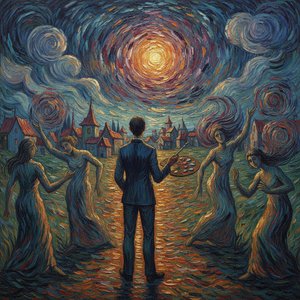
Beyond the Light: Capturing Emotion Through the Expressive Soul of Post-Impressionism
Explore the profound emotional depth of Post-Impressionism. Discover how masters like Van Gogh and Cézanne moved beyond light to capture raw feeling through color and texture. A journey into art history for the true connoisseur.
Temalara, stillere ve özelliklere göre gruplandırılmış sanat eserlerini keşfedin.


