

Görüntülenen: · Çerçevesiyle birlikte:
 Gerçek Boyutta Önizle
 Paylaş
 Paylaş
 Detayları Gör
 Rehber

 İndir
İndir
 Benzer ürünler
 X-Işını
 Slayt Gösterisi
 Soru & Cevap
 İstatistikler
- 110.0 x 101.0 cm


₺ 13277
El Yapımı Yağlı Boya Reproduksiyon
Sanatçılarımız tarafından sipariş üzerine hazırlanan; istediğiniz boyut ve çerçevede, tuval üzerine el boyaması yağlı boya. ( Baskı Satışına Geç Dijital Görsele Geç)
Boyut Seçimi
·Standart
özel boyutlu
CM
INCH
Eserin orijinal oranlarıyla uyumlu, önceden belirlenmiş boyutlarımız arasından seçim yapın.
Boyutlar yükleniyor...

genişlik
yükseklik
Çerçevenize veya duvarınıza uygun olması için ihtiyacınız olan genişlik ve yüksekliği yazın. Bu eser el boyamasıdır; bu nedenle farklı bir formdaki boyutlar için sanatçı, resmin etrafına biraz daha fazla boya ekleyebilir veya kenarlardan biraz kırpabilir — seçim sizin. Boyama işlemi başlamadan önce onaylamanız için size bir dijital taslak gönderiyoruz. Bu sayfada gösterilen resim gerçek sonucu yansıtmamaktadır; gerçek sonucu yalnızca taslak göstermektedir.
 Daha fazla bilgi edinin
Bitir
·
Beyaz kenar bitişi ₺1

Bulanık kenar bitişi ₺1

Kenar boyalı ₺1

P118B ₺10

P118H ₺10

P118W ₺10

P438Z ₺10

P508JH ₺12

P508YH ₺12

P805H ₺10

P805Z ₺10

P919BZ ₺10

P919G ₺10

P919XJ ₺10

P959ZH ₺10

P968JZ ₺12

W106C ₺8

W218G ₺10

W218JH ₺8

W218Y ₺10

W307PJ ₺10

W316G ₺10

W316PJ ₺8

W316Y ₺10

W398PJ ₺8

W4111J ₺10

W500HY ₺15

W500JH ₺15

W692G ₺12

W849H ₺8

W940BG ₺15

W953PJ ₺8

H24-GOLD ₺30

H24-SILVER ₺30

H36-GOLD ₺45

H36-SILVER ₺45
Koruyucu bir tüp içerisinde gönderilir, kendi çerçeveletmeniz için hazırdır.
Ekstralar
isteğe bağlıEkstralar neleri içeriyor?
Değiştirilebilecek örneklere göz atın: Yüzü müşteri fotoğrafıyla değiştirme; Evcil hayvan ekleme (örneğin, kediyi köpek ile değiştirme); Arka plana gizli bir mesaj dahil etme; Arka plan manzarasını veya öğelerini değiştirme.
Siparişten sonra, TopImpressionists.com ekibi talimatlar için müşteriye e-posta gönderecek ve bir taslak önizleme sunacaktır
Siparişten sonra, TopImpressionists.com ekibi talimatlar için müşteriye e-posta gönderecek ve bir taslak önizleme sunacaktır
Dünya Çapında Teslimat (); standart 5 hafta yerine 3/4 haftada. (10 Kasım). Kaliteden ödün verilmez.
Koruyucu Vernik Katmanı
Eser Etiketi
İşlemeli Bronz Plaka Detayları
This elegant plaque features the artist's name and the title of the artwork, finely engraved for a timeless presentation.
It is made from bronze with a refined, elegant finish. The text is precisely laser-engraved for a sharp and permanent result. Measuring 9x2 cm, the plaque is compact yet easy to read. It's built to be durable and scratch-resistant, offering a professional, museum-quality look. Mounting is simple thanks to the included adhesive backing.
Şeffaf Akrilik Plaka Detayları
The plaque includes essential engraved details such as the artist's name, the title of the artwork, the date it was created, the type of media used-like oil on canvas or watercolor-a brief description of the piece, and a QR code that links to the complete artwork information.
It is crafted from clear acrylic, offering a sleek, modern appearance. The text is UV-engraved in black to ensure strong visual contrast. With a size of 10x15 cm, it ensures optimal readability. It comes equipped with two metal hooks for secure wall mounting. The plaque is designed to be weather-resistant, making it suitable for various environments, and it includes interactive features that work seamlessly with smartphone scanning.
Siyah Akrilik Plaka Detayları
This elegant plaque includes engraved information such as the artist's name, the title of the artwork, the date it was created, the type of media used (like oil on canvas or watercolor), a short description of the artwork, and a QR code for quick access to more information.
The plaque itself is made from refined black acrylic with a premium finish. The text is laser-engraved in white for high contrast and readability. Its size is 10x15 cm, designed to be easy to read. It comes with two metal hooks for professional mounting. The design is sleek and fits any interior style. It is also weather-resistant and durable, with built-in digital integration for mobile compatibility.
Cam seçeneği yalnızca 110 cm altındaki boyutlar için mevcuttur.
 Cam seçeneği yalnızca 110 cm altındaki boyutlar için mevcuttur.
- Dünya Çapında Ücretsiz Ekspres Kargo
- Yüksek Kaliteli Keten Kanvas
- Tam Nakliye Sigortası
- Gümrük Vergisi İadesi Garantisi
- Gerçek Renk Uyumu Garantisi
- 100 Günlük İade Politikası (Sadece Kusurlu Ürünler İçin)
- %100 Para İade Garantisi
- Toplu Alım İndirimi


Eser Açıklaması
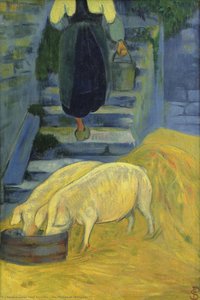
Paul Sérusier's 'Celtic Tale' (1894) is a vibrant Synthetist masterpiece, showcasing bold forms and nature’s harmony within a lush forest setting. Explore this Cloisonnism-inspired artwork.
Sanatçı Biyografisi
Paul Sérusier (1864-1927), Fransız Post-Empresyonist ressam ve soyut sanatın öncüsü. 'Talisman' gibi önemli eserleriyle tanınan, Nabis hareketini etkileyen ve Kloazonizm tarzını benimseyen bir sanatçı.
Tablo hakkında
Paul Sérusier’s “Celtic Tale”: A Window into Synthetist Vision
Paul Sérusier's "Celtic Tale," painted in 1894, isn’t merely a depiction of a forest scene; it’s a profound exploration of light, color, and the nascent principles of abstract art. This oil on canvas, now residing within the Dallas Museum of Art, offers a captivating glimpse into the artist's innovative approach to capturing the essence of nature – a style he would later define as Synthetism. Born in Paris in 1864, Sérusier’s artistic journey was marked by a restless pursuit of new forms of expression, culminating in his groundbreaking work with the Nabis movement and his pioneering experiments with Cloisonnism.
The painting immediately draws the eye with its vibrant palette. Bold swathes of emerald green, sapphire blue, and ochre yellow dominate the composition, creating a sense of luminous intensity. These colors aren’t applied realistically; instead, Sérusier employs them in a flattened, almost geometric manner – a hallmark of Synthetism. He deliberately rejects traditional perspective, opting for simplified forms and strong contours that delineate shapes rather than mimicking their three-dimensional appearance. This technique, reminiscent of the decorative art of cloisonné enamelwork (hence “Cloisonnism”), creates an arresting visual effect, pulling the viewer into the heart of the scene.
The Spirit of Pont-Aven: Synthetism and its Roots
Sérusier’s artistic evolution was profoundly shaped by his summer sojourn in 1888 to Pont-Aven, a small village in Brittany. There, he encountered Paul Gauguin, who became a mentor and introduced him to the principles of Synthetism. Gauguin encouraged Sérusier to abandon academic realism and instead focus on capturing the *feeling* of a subject – its essence rather than its literal representation. This shift is powerfully evident in "Celtic Tale," where the forest itself becomes a symbolic entity, imbued with an almost mystical quality.
The painting’s composition echoes the work of Seurat and Signac, key figures in Pointillism and Neo-Impressionism, both movements that influenced Sérusier's development. However, unlike their meticulous application of tiny dots of color, Sérusier utilizes broader brushstrokes and bolder blocks of pigment to achieve a similar effect – creating an impression of light and atmosphere through the manipulation of color itself. The figures within the scene are deliberately simplified, almost dissolving into the surrounding landscape, further emphasizing the painting’s abstract qualities.
Symbolism Within the Scene: Nature, Community, and Mystery
Beyond its formal innovations, “Celtic Tale” is rich in symbolic meaning. The gathering of individuals amidst the forest evokes a sense of community and shared experience – a celebration of life and connection with nature. The two dogs present add to this feeling of warmth and conviviality. However, there’s also an underlying current of mystery and perhaps even melancholy. The cloaked figures, their faces obscured, suggest a ritualistic gathering, hinting at ancient Celtic traditions and the enduring power of myth.
The dappled sunlight filtering through the trees creates a sense of ethereal beauty, while the dark, rocky outcrop in the background provides a stark contrast, representing both obstacles and hidden depths. The painting’s overall mood is one of serene contemplation – an invitation to lose oneself in the beauty of the natural world and reflect on its timeless mysteries. It's a testament to Sérusier's ability to translate complex emotions and ideas into a visually arresting and deeply resonant work of art.
A Legacy of Innovation: Paul Sérusier’s Enduring Influence
Paul Sérusier’s “Celtic Tale” stands as a pivotal work in the history of modern art. It represents a crucial step towards abstraction, demonstrating the power of color and form to convey emotion and meaning independently of representational accuracy. His pioneering use of Synthetism paved the way for subsequent movements such as Fauvism and Cubism, solidifying his place as one of the most important figures in the development of 20th-century art. Reproductions of this captivating painting continue to inspire artists and collectors alike, offering a window into the visionary world of Paul Sérusier.
Soru ve Cevaplar
"Celtic Tale" için önerilen kullanım alanı ve amacı nedir?
"Celtic Tale" eseri Reflective için önerilmektedir; kullanım için en uygun alan ise bir Living Room'dur.
Paul Sérusier imzalı "Celtic Tale" eserinde hangi konular işleniyor?
"Celtic Tale" eserinin konuları forest, figures, sunlight, community, breton, landscape, synthetism şeklindedir.
Paul Sérusier imzalı "Celtic Tale" aydınlık bir eser mi yoksa karanlık mı?
Paul Sérusier imzalı "Celtic Tale" eserinin algılanan parlaklığı shadow düzeyindedir. Bu değer, kullanılacağı mekanın ışığıyla uyumlu hale getirilebilir.
Kısa bilgiler ve sanat testi
Paul Sérusier Hakkında

Paul Sérusier
1864 - 1927, Fransa
Sanatçı Özgeçmişi
Erken Yaşamı ve Eğitim Dönemi
9 Kasım 1864’te Paris’te doğan Paul Sérusier, Fransız resim sanatının çalkantılı ve yenilikçi dönemlerine tanıklık eden bir figürdür. Sanat yolculuğu, Académie Julian’da başladığında şekillenmeye başladı. Burada sadece teknik becerilerini geliştirmekle kalmadı, aynı zamanda dönemin önde gelen avangart düşünceleriyle de tanıştı. Sérusier'in erken dönem eğitimleri, onu daha sonraki yaşamında izleyeceği soyut sanatın öncü hareketlerine hazırlayan bir temel oluşturdu.
Pont-Aven ve Gauguin’in Etkisi
Sérusier’in sanatsal dönüşümünün en kritik anlarından biri, 1888 yazında Pont-Aven kasabasını ziyaret etmesiyle yaşandı. Burada Paul Gauguin liderliğindeki küçük bir sanatçı grubuyla bir araya geldi. Gauguin'in etkisi, Sérusier’in resim anlayışını derinden etkiledi ve onu daha önce denenmemiş yollar keşfetmeye teşvik etti. Bu dönemde tamamladığı “Talisman” adlı eser, Cloisonnism akımının en belirgin örneklerinden biri olarak kabul edilir. Resimde görülen yoğun renkler, düz formlar ve belirgin hatlar, soyut sanata doğru atılan cesur bir adımdı. Gauguin’in rehberliğinde Sérusier, geleneksel perspektiflerden uzaklaşarak, duygusal ifadeyi ön plana çıkaran yeni bir estetik anlayış geliştirdi.
Nabis Hareketi ve Synthetism
Sérusier, Post-Empresyonist hareketin önemli temsilcilerinden biri olarak Les Nabis grubunun aktif bir üyesi oldu. Pierre Bonnard, Édouard Vuillard ve Maurice Denis gibi sanatçılarla birlikte, geleneksel sanatsal normlara meydan okuyan yenilikçi yaklaşımlar benimsediler. Nabis’in temel amacı, doğayı birebir taklit etmek yerine, öznel deneyimleri ve sembolik anlamları resimlerine yansıtmaktı. Bu doğrultuda Sérusier, Synthetism (Sentetizm) akımının gelişiminde önemli bir rol oynadı. Sentetizm, renkleri ve formları basitleştirerek, nesnelerin temel yapılarını vurgulamayı amaçlıyordu. Sérusier’in eserlerinde görülen bu yaklaşım, modern sanatın soyutlama eğilimlerini güçlendirdi.
Önemli Eserler ve Mirası
Sérusier'in sanatsal kariyeri boyunca yarattığı birçok önemli eser bulunmaktadır. Bunlardan bazıları şunlardır:
- L’Averse (1893), Paris Musée d’Orsay
- Paul Ranson'ın Portresi (1890), Paris Musée d’Orsay
- Melankoli (1890)
- Yılan Yiyenler (1894), Varşova Muzeum Narodowe
Sérusier’in son dönemleri, Académie Ranson’da öğretmenlik yapması ve 1921 yılında yayınladığı “Boyacılığın ABC’si” adlı kitabıyla geçti. Bu kitapta, genç sanatçılara kendi sanatsal felsefesini aktarmaya çalıştı. 7 Ekim 1927’de Morlaix’de hayatını kaybeden Sérusier, soyut sanatın öncülerinden biri olarak tarihe geçmiştir. Onun Cloisonnism ve Sentetizm akımlarındaki çalışmaları, modern sanatın gelişimine önemli katkılar sağlamış ve sonraki nesil sanatçılara ilham kaynağı olmuştur.
Sanatsal Akımlar ve Etkileri
Cloisonnism, kalın hatlarla ayrılmış düz renk alanlarını kullanan bir stil olup, Sérusier’in eserlerinde belirgin şekilde görülür. Bu akım, modern sanatın temelini oluşturan birçok yeniliği beraberinde getirmiştir. Sérusier'in sanatı, sadece teknik açıdan değil, aynı zamanda felsefi ve sembolik derinliğiyle de dikkat çeker. Onun resimleri, izleyiciyi duygusal bir yolculuğa çıkarır ve geleneksel sanat anlayışlarını sorgulamaya teşvik eder.
Paul Sérusier hakkında kısa bilgiler
- Bu Sanatı Etkileyenler: ['Paul Gauguin']
- Doğum Tarihi: 9 Kasım 1864
- Doğum Yeri: Paris, Fransa
- Etkilediği Sanatçılar:
- Pierre Bonnard
- Édouard Vuillard
- Sanatsal Akım: Post-Empresyonizm
- Tam Adı: Louis-Paul-Henri Sérusier
- Uyruğu: Fransız
- Ölüm Tarihi: 7 Ekim 1927
- Önemli Eserleri:
- Talisman
- L'Averse
- Melankoli
Benzer Eserler




Paul Sérusier
Celtic Tale
() ·
Çerçevesiyle birlikte: · Keten üzerine yağlı boya ile el yapımı
Toplam