

Görüntülenen: · Çerçevesiyle birlikte:
 Gerçek Boyutta Önizle
 Paylaş
 Paylaş
 Detayları Gör
 Rehber

 İndir
İndir
 Benzer ürünler
 X-Işını
 Slayt Gösterisi
 Soru & Cevap
 İstatistikler


₺ 13240
El Yapımı Yağlı Boya Reproduksiyon
Sanatçılarımız tarafından sipariş üzerine hazırlanan; istediğiniz boyut ve çerçevede, tuval üzerine el boyaması yağlı boya. ( Baskı Satışına Geç Dijital Görsele Geç)
Boyut Seçimi
·Standart
özel boyutlu
CM
INCH
Eserin orijinal oranlarıyla uyumlu, önceden belirlenmiş boyutlarımız arasından seçim yapın.
Boyutlar yükleniyor...

genişlik
yükseklik
Çerçevenize veya duvarınıza uygun olması için ihtiyacınız olan genişlik ve yüksekliği yazın. Bu eser el boyamasıdır; bu nedenle farklı bir formdaki boyutlar için sanatçı, resmin etrafına biraz daha fazla boya ekleyebilir veya kenarlardan biraz kırpabilir — seçim sizin. Boyama işlemi başlamadan önce onaylamanız için size bir dijital taslak gönderiyoruz. Bu sayfada gösterilen resim gerçek sonucu yansıtmamaktadır; gerçek sonucu yalnızca taslak göstermektedir.
 Daha fazla bilgi edinin
Bitir
·
Beyaz kenar bitişi ₺1

Bulanık kenar bitişi ₺1

Kenar boyalı ₺1

P118B ₺10

P118H ₺10

P118W ₺10

P438Z ₺10

P508JH ₺12

P508YH ₺12

P805H ₺10

P805Z ₺10

P919BZ ₺10

P919G ₺10

P919XJ ₺10

P959ZH ₺10

P968JZ ₺12

W106C ₺8

W218G ₺10

W218JH ₺8

W218Y ₺10

W307PJ ₺10

W316G ₺10

W316PJ ₺8

W316Y ₺10

W398PJ ₺8

W4111J ₺10

W500HY ₺15

W500JH ₺15

W692G ₺12

W849H ₺8

W940BG ₺15

W953PJ ₺8

H24-GOLD ₺30

H24-SILVER ₺30

H36-GOLD ₺45

H36-SILVER ₺45
Koruyucu bir tüp içerisinde gönderilir, kendi çerçeveletmeniz için hazırdır.
Ekstralar
isteğe bağlıEkstralar neleri içeriyor?
Değiştirilebilecek örneklere göz atın: Yüzü müşteri fotoğrafıyla değiştirme; Evcil hayvan ekleme (örneğin, kediyi köpek ile değiştirme); Arka plana gizli bir mesaj dahil etme; Arka plan manzarasını veya öğelerini değiştirme.
Siparişten sonra, TopImpressionists.com ekibi talimatlar için müşteriye e-posta gönderecek ve bir taslak önizleme sunacaktır
Siparişten sonra, TopImpressionists.com ekibi talimatlar için müşteriye e-posta gönderecek ve bir taslak önizleme sunacaktır
Dünya Çapında Teslimat (); standart 5 hafta yerine 3/4 haftada. (5 Kasım). Kaliteden ödün verilmez.
Koruyucu Vernik Katmanı
Eser Etiketi
İşlemeli Bronz Plaka Detayları
This elegant plaque features the artist's name and the title of the artwork, finely engraved for a timeless presentation.
It is made from bronze with a refined, elegant finish. The text is precisely laser-engraved for a sharp and permanent result. Measuring 9x2 cm, the plaque is compact yet easy to read. It's built to be durable and scratch-resistant, offering a professional, museum-quality look. Mounting is simple thanks to the included adhesive backing.
Şeffaf Akrilik Plaka Detayları
The plaque includes essential engraved details such as the artist's name, the title of the artwork, the date it was created, the type of media used-like oil on canvas or watercolor-a brief description of the piece, and a QR code that links to the complete artwork information.
It is crafted from clear acrylic, offering a sleek, modern appearance. The text is UV-engraved in black to ensure strong visual contrast. With a size of 10x15 cm, it ensures optimal readability. It comes equipped with two metal hooks for secure wall mounting. The plaque is designed to be weather-resistant, making it suitable for various environments, and it includes interactive features that work seamlessly with smartphone scanning.
Siyah Akrilik Plaka Detayları
This elegant plaque includes engraved information such as the artist's name, the title of the artwork, the date it was created, the type of media used (like oil on canvas or watercolor), a short description of the artwork, and a QR code for quick access to more information.
The plaque itself is made from refined black acrylic with a premium finish. The text is laser-engraved in white for high contrast and readability. Its size is 10x15 cm, designed to be easy to read. It comes with two metal hooks for professional mounting. The design is sleek and fits any interior style. It is also weather-resistant and durable, with built-in digital integration for mobile compatibility.
Cam seçeneği yalnızca 110 cm altındaki boyutlar için mevcuttur.
 Cam seçeneği yalnızca 110 cm altındaki boyutlar için mevcuttur.
- Dünya Çapında Ücretsiz Ekspres Kargo
- Yüksek Kaliteli Keten Kanvas
- Tam Nakliye Sigortası
- Gümrük Vergisi İadesi Garantisi
- Gerçek Renk Uyumu Garantisi
- 100 Günlük İade Politikası (Sadece Kusurlu Ürünler İçin)
- %100 Para İade Garantisi
- Toplu Alım İndirimi


Eser Açıklaması
Paul Sérusier (1864-1927) emerged as a key figure in the Symbolist movement, profoundly impacting the development of Synthetism and cloisonnism. His collaboration with Gauguin at Pont-Aven solidified his reputation as an innovator, establishing him as one of France’s foremost artists.
Sanatçı Biyografisi
Paul Sérusier (1864-1927), Fransız Post-Empresyonist ressam ve soyut sanatın öncüsü. 'Talisman' gibi önemli eserleriyle tanınan, Nabis hareketini etkileyen ve Kloazonizm tarzını benimseyen bir sanatçı.
Tablo hakkında
A Primal Encounter in Breton Color
In the vibrant tapestry of late nineteenth-century French art, few works capture the raw, unbridled energy of folk tradition quite like Paul Sérusier's La Lutte bretonne. Completed in 1890, this masterpiece serves as a profound window into the soul of Brittany, moving far beyond a mere depiction of a wrestling match to become an evocative exploration of human struggle and cultural identity. The scene unfolds with an immediate, visceral intensity, placing the viewer directly within a circle of onlookers gathered to witness a physical altercation between two men. As they grapple in the center of the frame, the surrounding crowd—composed largely of women adorned in the iconic, intricate white coifs of Breton tradition—stands as a silent, watchful collective, their presence grounding the chaotic movement of the fighters in a sense of communal ritual.
The painting is a triumph of Cloisonnism, a bold stylistic departure from the soft, atmospheric nuances of traditional Impressionism. Heavily influenced by the mentorship of Paul Gauguin, Sérusier utilized thick, dark outlines to encase patches of saturated color, much like the leaded glass of a cathedral window. This technique strips away unnecessary anatomical detail in favor of a powerful, flattened graphic impact. The artist’s palette is particularly striking; he employs energetic bursts of reds and yellows that seem to pulse against the canvas, mirroring the heat and exertion of the wrestling match itself. For the discerning collector or interior designer, this use of pigment offers a dynamic focal point, capable of injecting a sense of rhythmic vitality and warmth into any sophisticated space.
Symbolism and the Spirit of the Nabis
Beyond its surface-level action, La Lutte bretonne is steeped in the symbolic preoccupations of the Nabis movement. During this era, artists sought to reject the polished, artificial perfection of the Parisian salons, turning instead toward what they perceived as the "primitive" and authentic beauty of rural life. The wrestling match serves as a potent metaphor for opposing forces—the tension between strength and vulnerability, or perhaps the struggle of tradition against the encroaching modernity of the Belle Époque. Every brushstroke is an intentional step away from realism and toward Synthetism, where the goal is to synthesize the external observation of nature with the internal emotional response of the artist.
To possess a reproduction of this work is to invite a piece of art history into one's home that celebrates the beauty of the unadorned and the profound depth of folk heritage. The painting does not merely decorate a wall; it commands attention through its structural boldness and its ability to evoke a sense of timelessness. Whether placed in a contemporary gallery setting or a classic study, Sérusier’s work continues to resonate with anyone moved by the intersection of raw human emotion and the deliberate, masterful application of color and form.
Soru ve Cevaplar
Paul Sérusier imzalı "La lutte bretonne" eserinin renk kompozisyonu nasıl kurgulanmıştır?
Paul Sérusier imzalı "La lutte bretonne" eserinin renk kompozisyonu, Bold bir kontrast ile Unified Palette bir uyumu bir araya getiriyor.
Paul Sérusier imzalı "La lutte bretonne" eserinin atmosferi nasıl tanımlanıyor?
"La lutte bretonne" Serene bir atmosfere sahip.
Paul Sérusier imzalı "La lutte bretonne" eserinde hakim olan temel renk tonu nedir?
Paul Sérusier imzalı "La lutte bretonne" eserinde Green to Violet Spectrum bir ton hakimdir.
Kısa bilgiler ve sanat testi
Paul Sérusier Hakkında

Paul Sérusier
1864 - 1927, Fransa
Sanatçı Özgeçmişi
Erken Yaşamı ve Eğitim Dönemi
9 Kasım 1864’te Paris’te doğan Paul Sérusier, Fransız resim sanatının çalkantılı ve yenilikçi dönemlerine tanıklık eden bir figürdür. Sanat yolculuğu, Académie Julian’da başladığında şekillenmeye başladı. Burada sadece teknik becerilerini geliştirmekle kalmadı, aynı zamanda dönemin önde gelen avangart düşünceleriyle de tanıştı. Sérusier'in erken dönem eğitimleri, onu daha sonraki yaşamında izleyeceği soyut sanatın öncü hareketlerine hazırlayan bir temel oluşturdu.
Pont-Aven ve Gauguin’in Etkisi
Sérusier’in sanatsal dönüşümünün en kritik anlarından biri, 1888 yazında Pont-Aven kasabasını ziyaret etmesiyle yaşandı. Burada Paul Gauguin liderliğindeki küçük bir sanatçı grubuyla bir araya geldi. Gauguin'in etkisi, Sérusier’in resim anlayışını derinden etkiledi ve onu daha önce denenmemiş yollar keşfetmeye teşvik etti. Bu dönemde tamamladığı “Talisman” adlı eser, Cloisonnism akımının en belirgin örneklerinden biri olarak kabul edilir. Resimde görülen yoğun renkler, düz formlar ve belirgin hatlar, soyut sanata doğru atılan cesur bir adımdı. Gauguin’in rehberliğinde Sérusier, geleneksel perspektiflerden uzaklaşarak, duygusal ifadeyi ön plana çıkaran yeni bir estetik anlayış geliştirdi.
Nabis Hareketi ve Synthetism
Sérusier, Post-Empresyonist hareketin önemli temsilcilerinden biri olarak Les Nabis grubunun aktif bir üyesi oldu. Pierre Bonnard, Édouard Vuillard ve Maurice Denis gibi sanatçılarla birlikte, geleneksel sanatsal normlara meydan okuyan yenilikçi yaklaşımlar benimsediler. Nabis’in temel amacı, doğayı birebir taklit etmek yerine, öznel deneyimleri ve sembolik anlamları resimlerine yansıtmaktı. Bu doğrultuda Sérusier, Synthetism (Sentetizm) akımının gelişiminde önemli bir rol oynadı. Sentetizm, renkleri ve formları basitleştirerek, nesnelerin temel yapılarını vurgulamayı amaçlıyordu. Sérusier’in eserlerinde görülen bu yaklaşım, modern sanatın soyutlama eğilimlerini güçlendirdi.
Önemli Eserler ve Mirası
Sérusier'in sanatsal kariyeri boyunca yarattığı birçok önemli eser bulunmaktadır. Bunlardan bazıları şunlardır:
- L’Averse (1893), Paris Musée d’Orsay
- Paul Ranson'ın Portresi (1890), Paris Musée d’Orsay
- Melankoli (1890)
- Yılan Yiyenler (1894), Varşova Muzeum Narodowe
Sérusier’in son dönemleri, Académie Ranson’da öğretmenlik yapması ve 1921 yılında yayınladığı “Boyacılığın ABC’si” adlı kitabıyla geçti. Bu kitapta, genç sanatçılara kendi sanatsal felsefesini aktarmaya çalıştı. 7 Ekim 1927’de Morlaix’de hayatını kaybeden Sérusier, soyut sanatın öncülerinden biri olarak tarihe geçmiştir. Onun Cloisonnism ve Sentetizm akımlarındaki çalışmaları, modern sanatın gelişimine önemli katkılar sağlamış ve sonraki nesil sanatçılara ilham kaynağı olmuştur.
Sanatsal Akımlar ve Etkileri
Cloisonnism, kalın hatlarla ayrılmış düz renk alanlarını kullanan bir stil olup, Sérusier’in eserlerinde belirgin şekilde görülür. Bu akım, modern sanatın temelini oluşturan birçok yeniliği beraberinde getirmiştir. Sérusier'in sanatı, sadece teknik açıdan değil, aynı zamanda felsefi ve sembolik derinliğiyle de dikkat çeker. Onun resimleri, izleyiciyi duygusal bir yolculuğa çıkarır ve geleneksel sanat anlayışlarını sorgulamaya teşvik eder.
Paul Sérusier hakkında kısa bilgiler
- Bu Sanatı Etkileyenler: ['Paul Gauguin']
- Doğum Tarihi: 9 Kasım 1864
- Doğum Yeri: Paris, Fransa
- Etkilediği Sanatçılar:
- Pierre Bonnard
- Édouard Vuillard
- Sanatsal Akım: Post-Empresyonizm
- Tam Adı: Louis-Paul-Henri Sérusier
- Uyruğu: Fransız
- Ölüm Tarihi: 7 Ekim 1927
- Önemli Eserleri:
- Talisman
- L'Averse
- Melankoli
Benzer Eserler


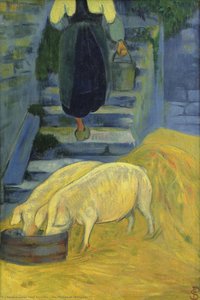


Paul Sérusier
La lutte bretonne
() ·
Çerçevesiyle birlikte: · Keten üzerine yağlı boya ile el yapımı
Toplam