


 Önizle
 Gönder
 Paylaş
 Detaylar
 Rehber

 Dosyayı İndir
 Benzerleri
 X-Işını
 Slayt Gösterisi
 İstatistikler
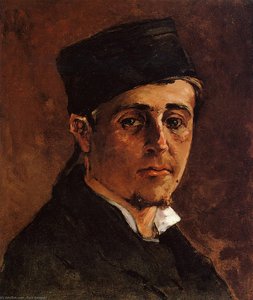
Self Portrait
 Acrylic On Canvas
- WallArt
- British Impressionism
 1920
1920 74.0 x 59.0 cm
 Fitzwilliam Koleji
Philip Wilson Steer's "The President Woodrow Wilson House" captures a contemplative man in a suit, showcasing his signature Impressionistic style and masterful use of light & shadow. Explore this evocative portrait.
 Devamını Oku
Philip Wilson Steer (1860-1942), İngiliz Empresyonizminin önde gelen isimlerinden biriydi. Manet ve Whistler'dan etkilenen sanatçı, ışık ve atmosferi ustalıkla yansıttığı deniz manzaralarıyla tanınır. Eserleri Tate ve Uffizi gibi önemli koleksiyonlarda yer almaktadır.
El Yapımı Yağlı Boya Reproduksiyon
Sanatçılarımız tarafından sipariş üzerine hazırlanan; istediğiniz boyut ve çerçevede, tuval üzerine el boyaması yağlı boya. ( Baskı Satışına Geç Dijital Görsel Satışına Geç)




P118B ₺10

P118H ₺10

P118W ₺10

P438Z ₺10

P508JH ₺12

P508YH ₺12

P805H ₺10

P805Z ₺10

P919BZ ₺10

P919G ₺10

P919XJ ₺10

P959ZH ₺10

P968JZ ₺12

W106C ₺8

W218G ₺10

W218JH ₺8

W218Y ₺10

W307PJ ₺10

W316G ₺10

W316PJ ₺8

W316Y ₺10

W398PJ ₺8

W4111J ₺10

W500HY ₺15

W500JH ₺15

W692G ₺12

W849H ₺8

W940BG ₺15

W953PJ ₺8




Standart Boyutlar
özel boyutlu
CM
INCH
Eserin orijinal oranlarıyla uyumlu, önceden belirlenmiş boyutlarımız arasından seçim yapın.
Loading sizes...

genişlik
yükseklik
Belirli bir çerçeveye veya alana uyması için kendi boyutlarınızı girebilirsiniz. Seçtiğiniz boyut orijinal görüntünün oranlarıyla eşleşmiyorsa, sanat eserini kırparak veya ek el boyaması öğelerle resmi uzatarak ayarlayacağız. Üretim başlamadan önce onayınız için dijital bir taslak gönderilecektir.
Lütfen ekrandaki önizlemenin gerçek kırpmayı veya uzatmayı yansıtmadığını unutmayın. Nihai kompozisyonu yalnızca hazırlanan taslak doğru şekilde gösterecektir.
Özel boyutlar mevcut olsa da, orijinal oranları korumak adına önceden tanımlanmış listeden bir boyut seçmenizi öneririz.
Değiştirilebilecek örneklere dair: Yüzün müşteri fotoğrafıyla değiştirilmesi; Evcil hayvan eklenmesi (örneğin kedinin köpek ile değiştirilmesi); Arka plana gizli bir mesaj dahil edilmesi; Arka plan manzarasının veya öğelerinin değiştirilmesi.
Siparişten sonra, TopImpressionists.com ekibi talimatlar için müşteriye e-posta gönderecek ve bir taslak önizleme sunacaktır
Siparişten sonra, TopImpressionists.com ekibi talimatlar için müşteriye e-posta gönderecek ve bir taslak önizleme sunacaktır
Dünya Çapında Teslimat (); standart 5 hafta yerine 3/4 haftada. (7 Ekim). Kaliteden ödün verilmez.

Dünya Çapında Ücretsiz Ekspres Kargo

Yüksek Kaliteli Keten Tuval

Tam Nakliye Sigortası

Gümrük Vergisi İadesi Garantisi

Gerçek Renk Uyumu Garantisi

100 Günlük İade Koşulları (Sadece Üretim Hatalı Ürünler İçin)

%100 Para İade Garantisi

Toplu Alım Avantajı
 Cam seçeneği yalnızca 110 cm altındaki boyutlar için mevcuttur.

Self Portrait
Baskı Tekniği
Baskı Boyutu
-


Toplam Fiyat
₺ 13039
A Portrait of Quiet Intensity: Philip Wilson Steer’s “The President Woodrow Wilson House”
Philip Wilson Steer's "The President Woodrow Wilson House," painted in 1920, isn’t merely a depiction of a building; it’s a carefully constructed tableau brimming with subtle symbolism and imbued with the melancholic beauty characteristic of the artist. This oil-on-canvas work, measuring 74 x 59 cm, transports us to a moment suspended between formality and introspection – a visual poem reflecting on leadership, memory, and the quiet dignity of American history. Steer, a pivotal figure in British Impressionism, masterfully employs a muted palette dominated by greys, blues, and browns, creating an atmosphere of subdued light and contemplative stillness. The composition itself is deliberately restrained, focusing intently on the imposing façade of the Wilson House in Washington D.C., rendered with a remarkable sensitivity to texture and light.
The Impressionist’s Lens: Technique and Style
Steer's approach aligns closely with the tenets of Impressionism, yet he transcends simple replication. He doesn’t strive for photographic accuracy but rather captures an *impression* – a fleeting moment imbued with feeling. Notice how he utilizes broken brushstrokes to suggest the play of light on the stone walls and the subtle shifts in shadow. The artist's layering technique is particularly evident in the rendering of the building’s surface, where individual strokes coalesce to create a sense of depth and volume. Steer was deeply influenced by John Constable and J.M.W. Turner, artists known for their atmospheric landscapes and masterful use of light and color. This influence is palpable in Steer's ability to evoke a specific mood through his manipulation of tone and texture – a feeling of quiet contemplation and perhaps even a touch of wistful nostalgia.
Symbolism Within the Frame: Leadership and Reflection
The choice of subject matter—the Wilson House—is rich in symbolic potential. Woodrow Wilson, the 28th President of the United States, was a complex figure – lauded for his leadership during World War I but also criticized for his handling of racial issues at home. Steer’s painting doesn't offer a straightforward portrait of Wilson himself, instead focusing on the building that housed him and, by extension, representing the weight of responsibility and the enduring legacy of power. The muted colors and the solitary nature of the scene suggest a reflection on leadership itself – its burdens, its triumphs, and its inevitable passage of time. The composition’s stillness invites viewers to contemplate the unseen narratives contained within those walls.
A Legacy of Light: Steer's Influence and Artistic Context
Philip Wilson Steer was a significant figure in British art, bridging the gap between Impressionism and a more traditional English style. His work gained recognition during his time as a painting tutor at the Slade School of Fine Art, where he profoundly influenced generations of young artists. His exploration of coastal scenes, particularly those along the Suffolk coast, cemented his reputation for capturing the ethereal beauty of the British landscape. “The President Woodrow Wilson House” stands as a testament to Steer’s ability to imbue seemingly simple subjects with profound emotional resonance. It's a poignant reminder that even in grand architectural settings, moments of quiet contemplation and subtle symbolism can hold immense artistic value. Reproductions of this piece offer a captivating glimpse into the artist’s world and invite viewers to engage with the complexities of American history through the lens of Impressionist artistry.
Soru ve Cevaplar
"Self Portrait" (1920), Philip Wilson Steer kariyerinin hangi dönemine ait?
1920 tarihi, "Self Portrait" eserini Philip Wilson Steer'in gelişiminin Late Period dönemine yerleştirmektedir.
Philip Wilson Steer, "Self Portrait" eserini kaç yaşında yaptı?
"Self Portrait" adlı eser 1920 yılında yaratıldığında, 1860 yılında doğan Philip Wilson Steer, 60 yaşındaydı.
Philip Wilson Steer imzalı "Self Portrait" eserini hangi teknik ve üslup tanımlıyor?
"Self Portrait", Acrylic On Canvas tekniğiyle British Impressionism üslubunda hazırlanmıştır.
Philip Wilson Steer imzalı "Self Portrait", British Impressionism akımı içerisinde nasıl bir duygu ifade ediyor?
"Self Portrait" eserinin Reflective duygusu, British Impressionism üslubuyla birleşiyor.
Philip Wilson Steer imzalı "Self Portrait" hangi yılda yapıldı?
Philip Wilson Steer imzalı "Self Portrait", 1920 yılında yaratılmıştır.
"Self Portrait" adlı eser hangi sanatçıya atfediliyor?
"Self Portrait" eserinin arkasındaki sanatçı Philip Wilson Steer'tir. Eser, Philip Wilson Steer adına kataloglanmıştır.
Philip Wilson Steer imzalı "Self Portrait" hangi sanat akımına dahildir?
"Self Portrait", British Impressionism akımına ait bir eserdir. Bu akım, eserin parçası olduğu sanatsal geleneği ifade eder.
İlgili Eserler


Sanatçı Biyografisi
Erken Yaşam ve Sanatsal Temeller
Philip Wilson Steer, 1860 yılında Birkenhead’de dünyaya geldi. Ailesi sanatla derinden içliydi; babası hem portre ressamı hem de kendini sanata adamış bir öğretmendi. Bu erken dönemdeki etkileşimler, hayatının yolunu şekillendirecek bir duyarlılığı besledi. Üç yaşındayken Monmouth yakınlarındaki Whitchurch’e taşınması, eserlerinde yankılanacak olan İngiliz kırsalına dair bir bağ kurmasını sağladı. Formal eğitimi Hereford Katedral Okulu'nda başladı ve sanatsal tutkularını tümüyle takip etmeden önce sağlam bir temel oluşturdu. Eğitimi Gloucester Sanat Okulu ve South Kensington Çizim Okulları’nda devam etti, ancak 1880 ile 1884 yılları arasındaki Paris macerası gerçekten dönüştürücü oldu. Académie Julian'da ve daha sonra École des Beaux Arts'ta Alexandre Cabanel atölyesinde okuyarak, yeni fikirler ve resim yaklaşımlarıyla dolu bir dünya ile karşılaştı.Empresyonizmin Kucaklanması ve Özgün Bir Stil
Paris, Steer’in sanatsal gelişiminin kazanı olduğu gibiydi. Édouard Manet ve James McNeill Whistler'ın eserlerinden derinden etkilendi; ışığı, rengi ve atmosferi yakalamadaki yenilikçi tekniklerini özümsedi. Bu deneyim, içinde Empresyonizm tutkusunu ateşledi, ancak onu basitçe taklit etmekten kaçındı. Steer, bu Fransız etkilerini doğuştan gelen İngiliz duyarlılığıyla ustaca harmanlayarak eşsiz bir stil yarattı. Resimleri, güneş ışığının sudaki yansıması, kıyı havasının geçici niteliği gibi anlıkları yakalama konusunda olağanüstü bir yeteneğe sahip. Sahne tasvir etmekten ziyade duyguları uyandırmak ve sürükleyici bir canlılık hissi yaratmak için gevşek fırça darbeleri ve canlı renkler kullandı. Eserlerinde plaj sahneleri ve deniz manzaraları tekrar eden temalar olarak karşımıza çıkar; genellikle gümüşi, saydam ışıkla yıkanmış olup bu ortamların tazeliğini ve parlaklığını tasvir etme ustalığını gösterir. Kariyerinin başlarındaki The Music Room eseri, kompozisyon ve ışık konusundaki gelişen becerisini sergilerken, Girls Running: Walberswick Pier gibi eserler bir Suffolk sahil kasabasının enerjisi ve canlılığıyla doludur.Modern Sanatın Şampiyonu ve Etaples Etkisi
Steer sadece resim yapmakla yetinmedi; aynı zamanda İngiliz sanat ortamını aktif olarak şekillendirdi. Modern sanatsal ifadeyi desteklemeye kendini adamış bir kuruluş olan New English Art Club'ı kurmada önemli bir rol oynadı—geleneksel zevklerin hala baskın olduğu bir dönemde cesur bir hamleydi. Bu platform aracılığıyla ve 1889 Londra Empresyonist Sergisi gibi çığır açan sergilere katılarak, yeni fikirleri tanıtmaya ve geleneksel normlara meydan okumaya yardımcı oldu. 1887'de Etaples sanat kolonisinde geçirdiği süre, sanatsal vizyonunu daha da geliştirdi. Bu canlı sanatçı topluluğu, deneyimleme ve işbirliği için uyarıcı bir ortam sağladı; ışığı ve atmosferi giderek artan nüans ve beceriyle yakalama yeteneğini pekiştirdi. Steer, John Constable, J.M.W. Turner ve hatta François Boucher gibi çeşitli ustalardan ilham aldı; ancak bu etkileri her zaman kendi benzersiz bakış açısıyla filtreledi.Mirası, Tanınması ve Kalıcı Etkisi
Philip Wilson Steer, sağlığı sorunları nedeniyle 1940'ta resim yapmayı bırakana kadar üretken bir şekilde çalışmaya devam etti ve iki yıl sonra 81 yaşında hayatını kaybetti. Hayatı boyunca katkıları geniş çapta tanındı ve Merit Nişanı ile onurlandırıldı. Bugün eserleri, Tate Gallery ve hatta Uffizi Galerisi de dahil olmak üzere dünya çapındaki prestijli koleksiyonlarda yer almaktadır—uluslararası ününün bir kanıtıdır. Resimlerinin ötesinde Steer’in mirası, uzun yıllar boyunca Slade Sanat Okulu'nda resim öğretmeni olarak geçirdiği süre aracılığıyla uzanır. Birçok yıl boyunca genç nesil sanatçıları derinden etkiledi; sadece teknik beceriler değil, aynı zamanda gözlem ve sanatsal dürüstlüğe dair derin bir takdir aşıladı. İngiliz Empresyonizminin gelişimine ve kabulüne yaptığı katkı yadsınamazdır; geleneği modernlikle başarıyla köprüleyen ve İngiliz sanat ortamında kalıcı bir iz bırakan önemli bir figür olarak yerini sağlamlaştırmıştır. Convalescent gibi zengin dokuları ve çağrıştırıcı bakışları olan eserler ve huzurlu güzelliği ve ustalıkla işlenmiş fırça darbelerini vurgulayan The Teme at Ludlow, sanatçı vizyonunun zamansız kalitesini göstererek bugün de izleyicileri büyülemeye devam ediyor.
Philip Wilson Steer
1860 - 1942 , Birleşik Krallık
Kısa Bilgiler
- Doğum Tarihi: 1860
- Doğum Yeri: Birkenhead, Birleşik Krallık
- Etkilediği Sanatçılar: ['İngiliz Empresyonizmi']
- Sanatsal Akım: Empresyonizm
- Sanatçıları Etkileyenler:
- Manet
- Whistler
- Constable
- Tam Adı: Philip Wilson Steer
- Uyruğu: İngiliz
- Ölüm Tarihi: 1942
- Önemli Eserleri:
- The Music Room
- Girls Running
- Convalescent
İlgili Yazılar

Beyond the Light: Discovering the Soul and Emotional Depth of Post-Impressionism
Embark on a cultural journey through Post-Impressionism. Discover the profound emotional depth of masters like Van Gogh and Cézanne, exploring how they moved beyond light to capture the very soul of human experience through vibrant color and symbolic form.

Capturing the Light: A Journey Through the Ethereal Magic of Impressionism and Post-Impressionism
Embark on a cultural journey through the luminous world of Impressionism. Discover the profound beauty of Monet, Van Gogh, and Cézanne through expert art history insights and explore how to bring these timeless masterpieces into your home with museum-quality hand-painted reproductions.
Temalara, stillere ve özelliklere göre gruplandırılmış sanat eserlerini keşfedin.
