


 Önizle
 Gönder
 Paylaş
 Detaylar
 Rehber

 Dosyayı İndir
 Benzerleri
 X-Işını
 Slayt Gösterisi
 İstatistikler
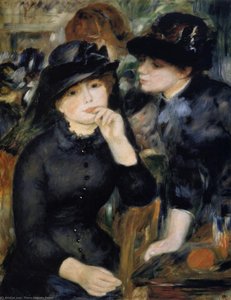
At the Cafe


Experience Renoir’s "At the Cafe" – a quintessential Impressionist masterpiece capturing Parisian leisure. Soft brushstrokes & serene beauty evoke nostalgia. Explore this iconic work and its reproduction at TopImpressionists.com!
 Devamını Oku
Pierre-Auguste Renoir (1841-1919), İzlenimci akımın önde gelen temsilcisi! 'Moulin de la Galette' dansı ve büyüleyici portreleriyle tanınan, ışık ve neşe dolu resimleri keşfedin.
Giclée / Sanat Baskısı
Hızlı üretim ve esnek bitiş seçenekleriyle müze kalitesinde giclée veya kanvas baskı. ( El Yapımı Tablo Satın Al Dijital Görsel Satışına Geç)




P118B ₺10

P118H ₺10

P118W ₺10

P438Z ₺10

P508JH ₺12

P508YH ₺12

P805H ₺10

P805Z ₺10

P919BZ ₺10

P919G ₺10

P919XJ ₺10

P959ZH ₺10

P968JZ ₺12

W106C ₺8

W218G ₺10

W218JH ₺8

W218Y ₺10

W307PJ ₺10

W316G ₺10

W316PJ ₺8

W316Y ₺10

W398PJ ₺8

W4111J ₺10

W500HY ₺15

W500JH ₺15

W692G ₺12

W849H ₺8

W940BG ₺15

W953PJ ₺8




Standart Boyutlar
özel boyutlu
CM
INCH
Eserin orijinal oranlarıyla uyumlu, önceden belirlenmiş boyutlarımız arasından seçim yapın.
Loading sizes...

genişlik
yükseklik
Çerçevenize veya duvarınıza uygun olması için ihtiyacınız olan genişlik ve yüksekliği yazın. Bir baskı yalnızca kesilebilir, görselden daha büyük hale getirilemez; bu nedenle farklı bir formdaki boyut seçimi, görselin bir kısmının kaybına neden olur. Herhangi bir baskı yapmadan önce onaylamanız için size bir dijital taslak gönderiyoruz. Bu sayfada gösterilen resim gerçek kesimi göstermez — bunu yalnızca taslak gösterir.
Dünya Çapında Teslimat (); standart 4/5 hafta yerine 2 haftada. (24 Ekim)

Dünya Çapında Ücretsiz Ekspres Kargo

Yüksek Kaliteli Keten Tuval

Tam Nakliye Sigortası

Gümrük Vergisi İadesi Garantisi

Gerçek Renk Uyumu Garantisi

100 Günlük İade Koşulları (Sadece Üretim Hatalı Ürünler İçin)

%100 Para İade Garantisi

Toplu Alım Avantajı
 Cam seçeneği yalnızca 110 cm altındaki boyutlar için mevcuttur.

At the Cafe
Giclée / Sanat Baskısı
Baskı Boyutu
-


Toplam Fiyat
₺ 3375
A Glimpse into Parisian Life: Unveiling Renoir’s “At the Cafe”
Pierre-Auguste Renoir's "At the Cafe," painted in 1877, is more than just a depiction of leisurely social interaction; it’s an embodiment of the *joie de vivre* that defined Impressionism. This captivating oil on canvas offers a window into late 19th-century Parisian society, inviting viewers to share in a moment of quiet intimacy and refined enjoyment.Subject & Composition: A Study in Social Grace
The painting centers around three figures – two women deeply engaged in conversation and a gentleman observing them with subtle interest. Seated at a table within what appears to be an outdoor cafe, the arrangement feels deliberately intimate, fostering a sense of relaxed companionship. Two cups on the table hint at shared refreshments and prolonged conversation. The composition isn’t rigidly structured; instead, it flows naturally, mirroring the unposed quality of everyday life. Renoir masterfully uses the figures to create a focal point within a softly blurred background suggesting the bustling energy of Parisian cafe culture.Impressionistic Style & Technique: Capturing Fleeting Moments
“At the Cafe” is a quintessential example of Impressionist technique. Renoir’s signature style is immediately recognizable through his use of loose, feathery brushstrokes and an emphasis on capturing the ephemeral effects of light and color. He doesn't aim for photographic realism but rather seeks to convey the *impression* of a moment – the way light dances on surfaces, the subtle shifts in hue, and the overall atmosphere of serenity. The visible brushwork isn’t haphazard; it’s deliberate, contributing to the painting’s sense of movement and vitality. Impasto, or thickly applied paint, adds texture and depth, particularly noticeable in areas where light catches the figures' clothing and faces.Historical Context: The Rise of Impressionism
Created during a period of artistic revolution, “At the Cafe” reflects the core tenets of Impressionism. Rejecting the rigid conventions of academic painting, artists like Renoir sought to depict modern life – not grand historical narratives or mythological scenes, but the everyday experiences of ordinary people. This shift was radical at the time, challenging established norms and paving the way for new artistic expressions. The late 19th century in Paris was a period of rapid social change, and Impressionism served as a visual record of this transformation, capturing the vibrancy and dynamism of urban life.Symbolism & Emotional Impact: A Celebration of Modernity
While seemingly straightforward, “At the Cafe” carries subtle symbolic weight. The cafe itself represents a new kind of public space – a place for social interaction, intellectual exchange, and leisurely enjoyment. The fashionable attire of the figures speaks to the growing consumer culture and the increasing importance of personal style. More broadly, the painting evokes feelings of nostalgia, warmth, and contentment. It reminds us of the simple pleasures in life – good company, stimulating conversation, and a moment of respite from the demands of modern existence.Bringing Renoir Home: High-Quality Reproductions
For those captivated by the beauty of “At the Cafe,” TopImpressionists.com offers meticulously crafted, handmade oil painting reproductions. These reproductions are created with exceptional attention to detail, ensuring that the essence and vibrancy of Renoir’s original masterpiece are faithfully preserved. Explore “At the Cafe” and other Impressionist treasures at TopImpressionists.com.Related Works & Further Exploration
- Discover Renoir’s playful depiction of leisure in The Boating Party Lunch, available at TopImpressionists.com.
- Delve deeper into the Impressionist movement by visiting the Rhode Island School of Design Museum of Art, which houses an extensive collection of works by Renoir and his contemporaries.
- Explore other masterpieces like “The Swing” to understand Renoir’s fascination with light, color, and social interaction.
Soru ve Cevaplar
"At the Cafe" bir hediye olarak kimlere önerilir ve ne amaçla kullanılabilir?
"At the Cafe", Mood göz önünde bulundurularak Anniversary için bir hediye olarak önerilmektedir.
Pierre Auguste Renoir imzalı "At the Cafe" eserinin baskın rengi nedir?
Pierre Auguste Renoir imzalı "At the Cafe" eserinde Amber to Saffron bir ton hakimdir.
"At the Cafe" eserini hangi palet ve baskın renk tanımlıyor?
"At the Cafe", Espresso (#6b433c) tarafından yönetilen Earthy bir palet ile tanımlanmaktadır."
İlgili Eserler


Sanatçı Biyografisi
Pierre-Auguste Renoir: Işığın ve Neşenin Resmedicisi
Pierre-Auguste Renoir, 1841 yılında Fransa’nın Limoges kentinde doğmuş, empresyonist akımın en parlak temsilcilerinden biri olarak sanat tarihine adını altın harflerle yazdırmıştır. Sanat yolculuğu, mütevazı bir porselen ressamı olarak başlayan Renoir'ın hikayesi, azmi ve sanatsal vizyonu sayesinde zirveye ulaşmasının çarpıcı bir örneğidir. Ailesiyle birlikte ekonomik fırsatlar arayışı içinde Paris’e taşınması, onun sanatsal gelişimini derinden etkilemiştir. Hareketli şehir hayatı, renkli sokakları ve çeşitli karakterleri, eserlerinin büyük bir ilham kaynağı olmuştur. Porselen boyama ile geçimini sağlama zorunluluğu onu erken yaşta mesleğe bağlamış olsa da, Louvre Müzesi’ne sık ziyaretler sırasında eski ustaları inceleyerek güzelliğe dair takdirini geliştirmiş ve içindeki tutkuyu ateşlemiştir. Charles Gleyre atölyesindeki eğitimi sırasında Claude Monet, Alfred Sisley ve Frédéric Bazille gibi geleceğin empresyonistleriyle kurduğu dostluklar, sanat dünyasında bir dönüm noktası olmuş ve Empresyonizm akımının temellerini atmıştır.Realizmden Işıl Işıl Empresyonlara: Sanatsal Evrim
Renoir’ın sanatsal gelişimi, Gustave Courbet ve Édouard Manet gibi realizm ustalarından etkilenerek başlamış, çağdaş yaşamı dürüstçe ve doğrudan betimlemeye olan bağlılıklarını takdir etmiştir. Ancak Peter Paul Rubens ve Jean-Antoine Watteau'nun ışık dolusu paletleri ve duyusal formları onu daha çok büyülemiş, eserlerine güzelliğe dair derin bir takdir ve neşe ve eğlence sahnelerini tasvir etme yönünde bir eğilim kazandırmıştır. Bu erken etkiler, Renoir’ın kendine özgü stilini şekillendirirken canlı renkler, gevşek fırça darbeleri ve ışığın geçici etkilerini yakalama konusundaki odak noktası belirlemiştir. 1874 yılında düzenlenen ilk Empresyonist sergideki katılımı bir dönüm noktası olmuş, geleneksel sanat çevrelerinden eleştiriler almasına rağmen yeni bir sanatsal vizyonun sinyalini vermiştir – gözün gördüğü şeyleri değil, belirli bir anda yaşamanın nasıl *hissettirdiğini* yakalamayı amaçlayan bir vizyon. Moulin de la Galette'de Dans (1876) gibi eserler, zikzak güneş ışığı ve neşeli figürlerle Paris gece hayatının canlı atmosferine izleyiciyi dahil ederek bu yaklaşımı örneklendirir.Yaşamın Geçici Anlarını Yakalamak: Başlıca Eserler ve Temalar
Renoir’ın yapıtları, yaşamın basit zevklerinin bir kutlamasıdır – samimi toplantılar, güneşli manzaralar ve insan formunun ışıltılı güzelliği. Botcularda Öğle Yemeği (1880-81), belki de en ikonik eserlerinden biri olarak karşımıza çıkar; burada Seine Nehri’nde keyifli bir öğleden sonra geçiren samimi bir grup tasvir edilmiştir. Tablo, ışığı ve hareketi yakalama konusundaki ustalığını sergileyerek figürleri sıcak güneş ışığında ve suya yansıyan ışıltılarla banyo ettirir. Banyodan Sonra (1885-87), Renoir’ın kadın nakdini tasvir etme konusundaki olağanüstü becerisini vurgulayarak hassas cilt tonlarını ve zarif pozları ön plana çıkarır. Eserleri sadece gerçekliğin temsilleri değil, aynı zamanda izleyicilerde derin yankı uyandıran sıcaklık, samimiyet ve neşeyle dolu bir duyguyla yüklüdür. Renoir, büyük tarihi anlatılara veya dramatik alegorilere ilgi duymamış; bunun yerine sıradan anları sanata yükselterek gündelik yaşamın özünde yatan güzelliği yakalamaya odaklanmıştır. Bougival'da Dans gibi bir diğer kutlanan eser, geçici izlenimleri ve atmosferik etkileri yakalama yeteneğini göstererek hareket ve doğaçlama hissi yaratır.Forma ve Yapıya Doğru Bir Dönüşüm: Son Yıllar ve Miras
1890'larda Renoir’ın stili önemli bir dönüşüme uğramıştır. Empresyonist köklerinden tamamen vazgeçmemiş olsa da, İtalya seyahatlerinden ve form ve yapı konusundaki yeniden canlanan ilgisinden etkilenerek daha heykelsi ve klasik bir yaklaşıma doğru yönelmiştir. Bu değişim kısmen fiziksel sınırlamalarından kaynaklanmıştır – artrit yavaş yavaş hareket kabiliyetini kısıtlamış, tekniğini uyarlamasını gerektirmiştir. Bu zorluklara rağmen Renoir, sarsılmaz bir özveriyle resim yapmaya devam etmiş ve daha dolgun figürler ve daha sıcak bir paletle karakterize edilen eserler üretmiştir. Daha sonraki tabloları genellikle daha düşünceli bir ruh hali yansıtırken, sanat tarihine damgasını vuran aynı temel güzellik kutlamasını korur. Sanatsal başarılarının ötesinde Renoir’ın mirası ailesi aracılığıyla devam eder; oğlu Jean Renoir ünlü bir film yönetmeni olmuş ve yaratıcı bir ruhu nesiller arasında taşımıştır. Pierre-Auguste Renoir, 1919 yılında hayata veda etmiş, dünya çapında izleyicileri büyülemeye ve ilham vermeye devam eden kalıcı bir eser bırakmıştır. Sanat tarihinde en sevilen figürlerden biri olarak kabul edilir; sanatı, yaşamın neşesini ve insan deneyiminin güzelliğini eşsiz bir hassasiyet ve zarafetle yakalama yeteneğiyle kutlanır.Süregelen Etki
- Renoir’ın sonraki nesillerdeki sanatçılar üzerindeki etkisi yadsınamaz. Işık, renk ve geçici anları yakalamaya verdiği önem birçok modern sanatsal akıma zemin hazırlamıştır.
- Güzelliği ve duyusallığı kutlaması günümüzde de izleyicilerle yankı uyandırmaya devam ederek yapıtlarını evrensel olarak çekici kılmaktadır.
- Sanat tarihinde Empresyonizmi önemli bir güç olarak kurmada çok önemli bir rol oynamış, geleneksel normlara meydan okumuş ve sanatsal ifade için yeni olanaklar açmıştır.
- Yapıtlarının sayısız posterde, takvimde ve diğer ürünlerde yeniden üretilmesi, sanatının zamansız niteliğinin kanıtıdır.

Pierre Auguste Renoir
1841 - 1919 , Fransa
Kısa Bilgiler
- Artistic Movement Or Style: İzlenimcilik
- Artists Or Movements Influenced By This Artist: ['İzlenimcilik']
- Artists Who Influenced This Artist:
- Rubens
- Watteau
- Courbet
- Manet
- Date Of Birth: 25 Şubat 1841
- Date Of Death: 3 Aralık 1919
- Full Name: Pierre-Auguste Renoir
- Nationality: Fransız
- Notable Artworks:
- La Balançoire
- Yaz Mevsimi
- Luncheon of the Boating Party
- Dance at Le Moulin de la Galette
- Place Of Birth: Limoges, Fransa
İlgili Yazılar

The Luminous World of Pierre-Auguste Renoir: An Exploration of Impressionism's Sensuous Embrace
Explore the captivating world of Pierre-Auguste Renoir! Discover his life, iconic Impressionist masterpieces & enduring legacy with our expert guide. High-quality reproductions available.

Pierre-Auguste Renoir'ın En İyi 25 Eseri: Işık ve Güzellik Sanatçısı | TopImpressionists
Pierre-Auguste Renoir'ın en ikonik 25 eserini keşfedin! İzlenimci stilin büyüsü, renkli tabloları ve unutulmaz portreleri ile sanatçının dünyasına adım atın. Ev dekorasyonunuz için lüks baskılar TopImpressionists'ta. Koleksiyonu şimdi keşfedin!

İzlenimci Sanatı Tanımlayan 10 Başyapıt: Renklerin ve Işığın Büyüsü
İzlenimci Sanat'ın zirvesi! Monet, Renoir ve daha fazlasıyla 10 başyapıtı keşfedin. Renklerin büyüsüyle evinizi dönüştürün. TopImpressionists.com’da sanatla yaşamı deneyimleyin.

İzlenimci Sanatın 10 Başyapıtı: Evlerinize Tarihi Getirin | TopImpressionists
Monet, Renoir ve Degas gibi izlenimci sanatçıların ölümsüz eserlerini keşfedin! 19. yüzyılın renkli dünyasına yolculuk yapın, teknikleri öğrenin ve evinizi TopImpressionists'ta museum kalitesinde tablolarla süsleyin. Koleksiyonu şimdi keşfedin!

19th Century Masterpieces: 10 Paintings That Defined an Era | TopImpressionists
Journey through 19th century art with TopImpressionists! Explore 10 iconic paintings – from Monet & Renoir to Courbet – and discover the stories behind Romanticism, Realism & Impressionism. Find museum-quality reproductions for your home decor. Explore the full collection online!
Temalara, stillere ve özelliklere göre gruplandırılmış sanat eserlerini keşfedin.


