

 Gerçek Boyutta Önizle
 Paylaş
 Paylaş
 Detayları Gör
 Rehber

 İndir
İndir
 Benzer ürünler
 X-Işını
 Slayt Gösterisi
 Soru & Cevap
 İstatistikler
Self portrait


Raymond McIntyre’s 1915 self-portrait: An expressive oil painting blending Expressionism & Impressionism. Explore this unique work by a New Zealand artist.
 Tümünü Gör
Discover Raymond Francis McIntyre (1879-1933), a New Zealand artist & art critic known for Pre-Raphaelite influence, portraiture & European modernism. View his paintings on TopImpressionists!
Giclée / Sanat Baskısı
Hızlı üretim ve esnek bitiş seçenekleriyle müze kalitesinde giclée veya kanvas baskı. ( El Yapımı Tablo Satın Al Dijital Görsele Geç)




































Standart
özel boyutlu
CM
INCH
Eserin orijinal oranlarıyla uyumlu, önceden belirlenmiş boyutlarımız arasından seçim yapın.
Loading sizes...

genişlik
yükseklik
Çerçevenize veya duvarınıza uygun olması için ihtiyacınız olan genişlik ve yüksekliği yazın. Bir baskı yalnızca kesilebilir, görselden daha büyük hale getirilemez; bu nedenle farklı bir formdaki boyut seçimi, görselin bir kısmının kaybına neden olur. Herhangi bir baskı yapmadan önce onaylamanız için size bir dijital taslak gönderiyoruz. Bu sayfada gösterilen resim gerçek kesimi göstermez — bunu yalnızca taslak gösterir.
Dünya Çapında Teslimat (); standart 4/5 hafta yerine 2 haftada. (6 Kasım)

Dünya Çapında Ücretsiz Ekspres Kargo

Yüksek Kaliteli Keten Kanvas

Tam Nakliye Sigortası

Gümrük Vergisi İadesi Garantisi

Gerçek Renk Uyumu Garantisi

100 Günlük İade Politikası (Sadece Kusurlu Ürünler İçin)

%100 Para İade Garantisi

Toplu Alım İndirimi
 Cam seçeneği yalnızca 110 cm altındaki boyutlar için mevcuttur.

Self portrait
Giclée / Sanat Baskısı
Reproduksiyon Boyutu
-


Toplam Tutar
₺ 3449
Raymond McIntyre arrived in England from New Zealand in 1909 and soon threw himself into the London art world. He joined the progressive London Group, exhibited with the prestigious New English Art Club and secured the leading Goupil Gallery as his dealer.This self-portrait comes from the height of McIntyre
Soru ve Cevaplar
"Self portrait" neyi betimliyor?
"Self portrait" eserinin konuları self-portrait, early 20th century, expressionist portrait, muted color palette, introspective art, new zealand artist, european modernism şeklindedir.
Te Papa bünyesindeki "Self portrait" eserinin çoğaltma hakları nelerdir?
"Self portrait" adlı eserin aslı Te Papa koleksiyonunda yer almakta olup eser kamu malıdır - telif hakkı süresi dolmuştur statüsündedir.
Raymond Francis Mcintyre imzalı "Self portrait" portre, manzara mı yoksa kare kompozisyon mu?
"Self portrait" eserinin formatı Portrait şeklindedir. Bu bilgi, bir reprodüksiyonun nereye yerleştirileceğini planlarken faydalıdır.


Sanatçı Özgeçmişi
A Visionary Between Worlds: The Life and Legacy of Raymond Francis McIntyre
The story of Raymond Francis McIntyre is one of quiet brilliance and the profound tension between a sheltered upbringing and the vibrant, often turbulent, currents of European modernism. Born in Christchurch, New Zealand, in 1879, McIntyre’s early years were shaped by a delicate balance of physical fragility and immense creative potential. Though his health often necessitated a life of introspection, he found solace in the rich textures of music and literature, becoming an accomplished cellist and a frequent companion to the intellectual circles of his youth. This early period of isolation did not stifle him; rather, it cultivated a deep, observant eye—a quality that would later define his ability to capture the subtle nuances of light and human emotion.
His formal journey into the world of fine art began at the Canterbury School of Art, where he studied under the watchful eyes of Herdman Smith and Alfred Walsh. These early mentors provided him with a rigorous foundation in draughtsmanship, yet McIntyre’s spirit was too expansive for the provincial boundaries of New Zealand alone. After a brief hiatus from formal training, he returned to his studies with renewed vigor in 1906, eventually making the life-altering decision to relocate to London in 1909. This move marked his transition from a local talent to a participant in the global dialogue of early twentieth-century art. Settling into a studio on Cheyne Walk, he immersed himself in the heart of the British art scene, seeking out the masters who could help him bridge the gap between traditional technique and the emerging modern aesthetic.
The Convergence of Tradition and Modernity
In London, McIntyre found himself at a crossroads of influential styles. Enrolling at the Westminster Technical Institute, he studied under the legendary William Nicholson and Walter Sickert, figures who were instrumental in shaping the trajectory of British painting. It was during this period that his fascination with the Pre-Raphaelite movement began to coalesce with a keen awareness of contemporary European trends. He possessed a unique ability to synthesize the meticulous, almost reverent detail of the Pre-Raphaelites with the loose, atmospheric qualities of Impressionism and the experimental spirit of Art Nouveau.
His work often reflected a "Whistlerian" temperament—a term used by his contemporaries to describe his subtle, tonal approach and his ability to imbue a canvas with a sense of poetic stillness. While some local critics in New Zealand initially dismissed him as a mere decorator or an overly experimental Impressionist, the international stage offered a different verdict. McIntyre’s paintings were characterized by:
- Luminous Color Palettes: An acute sensitivity to how light interacts with surfaces, particularly in his landscapes and still lifes.
- Understated Elegance: A mastery of portraiture that captured the psychological depth of his subjects without resorting to melodrama.
- Structural Precision: A foundation of strong draughtsmanship that allowed him to experiment with modern textures while maintaining classical integrity.
A Lasting Impression on the Artistic Canon
Despite his self-effacing nature and a tendency toward privacy, McIntyre’s presence in the art world was undeniably significant. He exhibited extensively at prestigious venues such as the Goupil Gallery, the New English Art Club, and the Thames Valley Art Club. His inclusion in the Royal Academy served as a testament to his technical prowess and his standing among the elite of British painters. Even as he navigated the complexities of being an expatriate artist, his work remained deeply connected to the evolving zeitgeist of the early 1900s, blending elements of Japanese aesthetics with the burgeoning movements of European modernism.
Though his life was tragically short, ending in 1933, the impact of Raymond Francis McIntyre continues to resonate. He remains a pivotal figure for those studying the flow of artistic influence from the colonies to the metropole. His oeuvre stands as a beautiful, complex bridge between the romanticism of the nineteenth century and the bold experimentation of the twentieth. Today, his works are cherished not only for their aesthetic beauty but as historical windows into a period of profound transition, reminding us of an artist who, despite his quietude, spoke volumes through every brushstroke.

Raymond Francis Mcintyre
1879 - 1933 , New Zealand
Kısa Bilgiler
- Full Name: Raymond Francis McIntyre
- Nationality: New Zealander
- Date Of Birth: 1879
- Date Of Death: 1933
- Place Of Birth: Unknown, New Zealand
- Notable Artworks: ['Self portrait']
- Artistic Movement Or Style: Pre-Raphaelite influence; European modernism
- Artists Who Influenced This Artist:
- Herdman Smith
- Alfred Walsh
- William Nicholson
- Walter Sickert
- Artists Or Movements Influenced By This Artist:
- Goupil Gallery
- New English Art Club
- Royal Academy
Benzer Yazılar

Capturing the Soul: The Ethereal Magic and Timeless Technique of Impressionist Portraiture
Discover the ethereal beauty of Impressionist portraiture. Explore how masters like Monet and Renoir captured light and soul through brushwork, and learn how to bring this timeless magic into your home with exquisite, hand-painted oil reproductions from TopImpressionists.com.
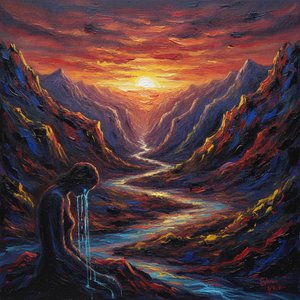
Capturing Emotion: A Journey Through the Soul of Expressionist Landscapes
Explore the profound emotional depth of Expressionist landscapes. Discover how Post-Impressionist masters moved beyond light to capture the soul through vibrant color and form. A curated journey for true art lovers seeking the beauty of expressive mastery.

Capturing the Drama: How Impressionist Light and Shadow Transform Your Living Space
Discover how the luminous light and dramatic shadows of Impressionist masterpieces can transform your home. Explore expert insights on using Renoir, Monet, and Cézanne to create a serene, culturally rich sanctuary through museum-quality, hand-painted oil reproductions.

Dining Room Elegance: Transforming Your Space with Impressionist Masterpieces
Elevate your dining room with the luminous beauty of Impressionist masterpieces. Discover how hand-painted Claude Monet and Renoir reproductions can transform your space into a sanctuary of light, color, and timeless elegance for your home.

Capturing the Light of Amsterdam: A Journey Through Impressionist Masterpieces of the Dutch Canals
Embark on a visual journey through the luminous Amsterdam canals. Discover how Impressionist masters captured the fleeting light of the Dutch landscape through evocative brushwork and color. Explore the timeless beauty of these masterpieces for your private art collection.