


 Önizle
 Gönder
 Paylaş
 Detaylar
 Rehber

 Dosyayı İndir
 Benzerleri
 X-Işını
 Slayt Gösterisi
 İstatistikler
Under the Hammer
 Oil On Canvas
- WallArt
- Early Modernism
 1913
1913 64.0 x 92.0 cm
 Walker Art Gallery
Explore Robert Bevan's 'Under the Hammer,' a poignant depiction of rural life and auction anticipation from 1913, housed at Liverpool’s Walker Art Gallery. Discover its stylistic nuances & browse handmade reproductions.
 Devamını Oku
Robert Polhill Bevan (1865-1925): İngiliz ressam ve Camden Town Group kurucusu. Fauvizmin öncüsü; canlı manzaraları ve günlük yaşam sahneleriyle tanınır.
Giclée / Sanat Baskısı
Hızlı üretim ve esnek bitiş seçenekleriyle müze kalitesinde giclée veya kanvas baskı. ( El Yapımı Tablo Satın Al Dijital Görsel Satışına Geç)




P118B $10

P118H $10

P118W $10

P438Z $10

P508JH $12

P508YH $12

P805H $10

P805Z $10

P919BZ $10

P919G $10

P919XJ $10

P959ZH $10

P968JZ $12

W106C $8

W218G $10

W218JH $8

W218Y $10

W307PJ $10

W316G $10

W316PJ $8

W316Y $10

W398PJ $8

W4111J $10

W500HY $15

W500JH $15

W692G $12

W849H $8

W940BG $15

W953PJ $8




Standart Boyutlar
özel boyutlu
CM
INCH
Eserin orijinal oranlarıyla uyumlu, önceden belirlenmiş boyutlarımız arasından seçim yapın.
Loading sizes...

genişlik
yükseklik
Belirli bir çerçeveye veya alana uyması için kendi ölçülerinizi girebilirsiniz. Seçtiğiniz boyut orijinal görüntünün oranlarıyla eşleşmiyorsa, sanat eserini kırpacağız veya görüntüyü aynalanmış ya da düz dolgulu bir kenarlıkla genişleteceğiz. Üretim başlamadan önce onayınız için bir dijital taslak gönderilecektir.
Lütfen ekrandaki önizlemenin gerçek kırpma veya genişletmeyi yansıtmadığını unutmayın. Nihai kompozisyonu yalnızca taslak doğru bir şekilde gösterecektir.
Özel boyutlar mevcut olsa da, orijinal oranları korumak için önceden tanımlanmış listeden bir boyut seçmenizi öneririz.
Dünya Çapında Teslimat (); standart 4/5 hafta yerine 2 haftada. (27 Eylül)

Dünya Çapında Ücretsiz Ekspres Kargo

Yüksek Kaliteli Keten Tuval

Tam Nakliye Sigortası

Gümrük Vergisi İadesi Garantisi

Gerçek Renk Uyumu Garantisi

100 Günlük İade Koşulları (Sadece Üretim Hatalı Ürünler İçin)

%100 Para İade Garantisi

Toplu Alım Avantajı
 Cam seçeneği yalnızca 110 cm altındaki boyutlar için mevcuttur.

Under the Hammer
Giclée / Sanat Baskısı
Baskı Boyutu
-


Toplam Fiyat
$ 69
A Snapshot of Everyday Life Captured in Robert Bevan’s Under the Hammer
Robert Bevan's “Under the Hammer,” completed in 1913, stands as a testament to British Modernism and a remarkable achievement in capturing the quiet dignity of ordinary moments. Housed within The Walker Art Gallery in Liverpool, this oil on canvas painting offers more than just visual beauty; it invites contemplation about time, ritual, and the subtle complexities inherent in human interaction.
Artist and Style: Bevan’s Earthy Vision
Robert Bevan (1865-1925) emerged from a Quaker upbringing—a lineage marked by intellectual rigor and social conscience—to become one of Britain's foremost innovators in the burgeoning artistic landscape of the early 20th century. Influenced profoundly by Impressionism yet decisively rejecting its fleeting effects, Bevan championed a style characterized by muted earth tones – ochre, umber, Sienna – reflecting a deliberate focus on materiality and grounding the scene in tangible reality. This stylistic choice wasn’t merely aesthetic; it mirrored Bevan's belief that art should illuminate the human condition through observation of commonplace subjects.
Painting Description: The Auctioneer’s Vigil
The painting depicts a tableau vivant – a living picture – centered around a horse awaiting auction. A group of individuals, rendered with meticulous detail, surround the animal in what appears to be a stable or similar setting. Bevan's masterful use of oil paint allows for an astonishing depth and luminosity, capturing not just the physical appearance of the scene but also conveying the palpable anticipation hanging in the air. Notice the careful positioning of figures—some closer to the foreground, others receding into the background—creating a sense of spatial recession that draws the viewer’s eye inwards.
Technique and Material Considerations
Bevan's technique is notable for its restraint and precision. He employs a layering process typical of Impressionism but tempered by a commitment to tonal harmony, resulting in an image imbued with subtle nuances of color and texture. The canvas itself—likely linen—provides a robust support for the pigment load, ensuring that the painting retains its vibrancy and integrity over time. Furthermore, the artist’s meticulous attention to detail – evidenced by the depiction of clothing textures, facial expressions, and even individual hairs – underscores his dedication to realism.
Importance and Legacy: Beyond Decoration
"Under the Hammer" transcends mere decorative appeal; it serves as a window into British cultural life during a period of significant social and artistic transformation. The Walker Art Gallery’s selection of this artwork speaks volumes about its enduring value as a symbol of British heritage and artistic ambition. Its influence can be seen in subsequent generations of artists who sought to portray the human experience with honesty and sensitivity. For those wishing to experience Bevan's vision firsthand, high-quality reproductions are available at https://TopImpressionists.com – preserving this masterpiece for future appreciation.
İlgili Eserler


Sanatçı Biyografisi
İngiliz Modernizminin Öncüsü: Robert Polhill Bevan'ın Yaşamı ve Sanatı
1865 yılında Hove'de dünyaya gelen Robert Polhill Bevan, 20. yüzyıl başı İngiliz sanat anlatısında kilit ancak çoğu zaman geri planda kalmış bir konuma sahiptir. Bankacılık bağlantılarıyla örülü bir Quaker geçmişinden gelen —ebeveynleri Richard Alexander Bevan ve Laura Maria Polhill idi— sanatçı, yerleşik beklentilere meydan okuyarak cesur bir yenilikçi haline geldi; İzlenimcilikten renk ve formun daha radikal keşiflerine geçişte temel bir figür oldu. Yolculuğu, Avrupa'nın dört bir yanından gelen etkileri özümserken, Britanya'daki modern sanatın gelişimini derinden etkileyecek son derece kişisel bir sanatsış vizyon inşa ettiği sürekli bir deneyim süreciydi. Bevan’ın Fred Brown yönetimindeki Westminster Sanat Okulu'ndaki eğitimi sağlam bir temel sağladı, ancak yaratıcı kıvılcımı asıl Paris'teki Académie Julian'daki çalışmalarıyla parladı. Orada, akademik geleneklere meydan okuyan ve resme yeni yaklaşımlar getiren Paul Sérusier, Pierre Bonnard, Édouard Vuillard ve Maurice Denis gibi yükselen yıldızlardan oluşan bir takımyıldızıyla karşılaştı. Bu karşılaşmalar, Bevan'ı sentetizm ilkeleriyle tanıştırarak gelecekteki keşiflerinin temelini atan biçimlendirici deneyimler oldu.Brittany, Fovizm ve Saf Renk Arayışı
Brittany'nin Bevan'ın sanatsal gelişimi üzerindeki etkisi hafife alınamaz. 1890 ve 1891 yıllarındaki iki önemli yolculuk, onu Paris salon kültürüne bir alternatif arayan sanatçılar için bir mıknatıs haline gelen küçük bir kıyı kasabası olan Pont-Aven'in atmosferine daldırdı. Gauguin gibi sanatçıların savunduğu cesur renkler ve basitleştirilmiş formlar Bevan'da derin yankılar uyandırarak ilk çizimlerini ve baskılarını etkiledi. Ancak, Bevan asıl farkını 1dan sonra ortaya koymaya başladı; kıtada Fovizm'in ortaya çıkışını önceden haber veren saf renk denemelerine girişti. “Courtyard” (Avlu) adlı tablosu, doğal temsili terk ederek dışavurumcu bir kromatik yoğunluğu tercih etme isteğini gösteren, bu proto-Fovist yaklaşımın olağanüstü bir örneği olarak durmaktadır; bu cesaret onu İngiliz çağdaşlarının birçoğundan ayırmıştır. Bu arayış durağan kalmadı; Bevan daha sonra “Ploughing on the Downs” ve “The Turn-Rice Plough” gibi eserlerinde görülen bölüntücü (divisionist) veya noktacılık (pointillist) tekniğini benimseyerek, rengi uygulama ve ışığı yakalama konusundaki farklı yöntemleri keşfetme kararlılığını sergiledi. Bu dönem boyunca Velázquez ve Goya gibi ustaların etkisi hissedilirken, Renoir'dan at tasvirleri konusunda aldığı doğrudan rehberlik de sanatçının geniş sanatsal merakının ve farklı kaynaklardan öğrenmeye olan açık yürekliliğinin bir kanıtıydı.Kolektif Vizyonlar: Camden Town Group ve Ötesi
Bevan, tek başına çalışan bir sanatçı değildi. Benzer düşünen bireylerle bağ kurmaya aktif olarak çabaladı ve birkaç etkili sanat grubunun oluşumunda kritik bir rol oynadı. Camden Town Group'un kurucu üyelerinden biri olarak, modern şehir hayatını betimlemeye ve yerleşik sanatsal normlara meydan okumaya kararlı sanatçılarla güçlerini birleştirdi. Bu kolektif ruh, London Group ve Cumberland Market Group'taki katılımıyla da devam ederek ilerici sanatsal hareketlere olan bağlılığını daha da kanıtladı. 1908 yılında Bevan'ın Walter Sickert’ın Fitzroy Street grubuna katılmasıyla özellikle önemli bir ilişki kuruldu. Sickert'ın günlük konulara odaklanma konusundaki teşviki paha biçilemez oldu ve Bevan'ı sanata karşı daha ayakları yere basan ve toplumsal açıdan etkileşimli bir yaklaşıma yönlendirdi. 1908'deki ilk Allied Artists’ Association sergisi, Bevan için başka bir önemli platform sağladı ve onu Wassily Kandinsky ile karşılaşması aracılığıyla uluslararası modernizmin gelişen dünyasıyla tanıştırdı. Bu birliktelikler sadece sosyal değildi; Bevan'ın sanatsal rotasını şekillendiren ve İngiliz sanatının daha geniş evrimine katkıda bulunan dinamik bir fikir alışverişini besledi.Manzaralar, Şehir Sahneleri ve Kalıcı Miras
Bevan’ın konu yelpazesi oldukça çeşitliydi; eşi Stanislawa de Karłowska'nın dikkat çekici tasvirlerini içeren portrelerden, atlı araba ticaretinin çöküşünü belgeleyen şehir sahnelerine (“The Cab Horse”) kadar uzanıyordu; ancak o en çok manzaralarıyla tanınır. Sussex ve Brittany tabloları, dışavurumcu fırça darbeleri ve cesur renk paletleri aracılığıyla kırsal yaşamın özünü yakalayarak canlı bir enerjiyle doludur. “In the Downs near Lewens”, “The Chestnut Tree” ve “Landscape in the Blackdown Hills, Devon” gibi eserler bu ustalığı örnekleyerek, doğal dünyanın hem fiziksel güzelliğini hem de duygusal yankısını iletme yeteneğini sergiler. Robert Polhill Bevan'ın mirası bireysel tablolarının çok ötesine uzanır. Özellikle Fovist ilkeleri erken benimsemesi ve renk konusundaki korkusuz denemeleri nedeniyle haklı olarak modern İngiliz sanatının bir öncüsü olarak kabul edilir. Sonraki nesil ressamlar üzerindeki etkisi yadsınamaz ve Camden Town Group'a katkısı, İngiltere'deki modern sanatın gelişimini şekillendirmede çok önemli olmuştur. 1961 yılında Colnaghi’de düzenlenen bir retrospektif sergi, onun sanat tarihindeki yerini sağlamlaştırarak tanınırlığı için kritik bir an oldu ve yenilikçi ruhunun bugün bile sanatçılara ilham vermeye devam etmesini sağladı. O, yirminci yüzyılın başındaki İngiliz resminin karmaşık evrimini anlamak için hayati bir figür olmaya devam etmektedir.
Robert Polhill Bevan
1865 - 1925
Kısa Bilgiler
- Artistic Movement Or Style: Fovizm, Bölmecilik
- Artists Or Movements Influenced By This Artist: ['Modern Britanya Sanatı']
- Artists Who Influenced This Artist:
- Paul Gauguin
- Velázquez
- Goya
- Renoir
- Date Of Birth: 1865
- Date Of Death: 1925
- Full Name: Robert Polhill Bevan
- Nationality: Britanyalı
- Notable Artworks:
- Çiftlik Evi
- Tepelerde Pulluk Sürümü
- Kraliçe Korusu
- Fayton Atı
- Place Of Birth: Hove, Birleşik Krallık
İlgili Yazılar

Robert Bevan: Pioneering British Post-Impressionism & the Camden Town Group's Intimate Vision
Explore the life & work of Robert Bevan, a pioneer of British Post-Impressionism and founding member of the Camden Town Group. Discover his vibrant landscapes and lasting impact on early 20th-century art.

Hubert Robert: Picturing Ruins, Preserving Memory – A Study of Romantic Antiquarianism & Artistic Innovation
Explore the captivating world of Hubert Robert, master of Romantic landscape painting & 'capriccio' ruins. Discover his historical context, artistic innovations, and collecting insights with TopImpressionists.

David Roberts: A Scottish Pioneer of Topographical Art & Orientalist Vision
Explore the captivating world of David Roberts, a pioneering Scottish painter renowned for his detailed Orientalist scenes & stunning Egyptian landscapes. Discover his legacy and find museum-quality reproductions at TopImpressionists.
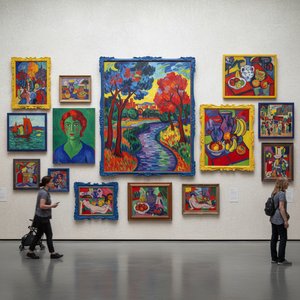
Fauvizm'i Yükselten 10 Başyapıt: Sanat ve Ev Dekorasyonunda Renk Devrimi
Fauvizm'in en etkileyici 10 başyapıtını keşfedin! Matisse, Derain ve Vlamink gibi ustaların renkli dünyasına dalın. Sanat tarihi, ifadeci sanat ve ev dekorasyonunda fauvist esintiler... TopImpressionists.com’da tüm eserleri inceleyin!

Fauvism's Boldest Visions: 10 Masterpieces That Revolutionized Modern Art | TopImpressionists
Explore 10 Fauvist masterpieces by Matisse, Derain & Vlaminck that ignited Modern Art! Discover bold colors, expressionist landscapes & the history of this revolutionary movement. Find museum-quality prints at TopImpressionists.com.
Temalara, stillere ve özelliklere göre gruplandırılmış sanat eserlerini keşfedin.


