

Shown: · With its frame:
 Önizle
 Gönder
 Paylaş
 Detaylar
 Rehber

 Dosyayı İndir
 Benzerleri
 X-Işını
 Slayt Gösterisi
 Q&A
Q&A İstatistikler


₺ 13213
El Yapımı Yağlı Boya Reproduksiyon
Sanatçılarımız tarafından sipariş üzerine hazırlanan; istediğiniz boyut ve çerçevede, tuval üzerine el boyaması yağlı boya. ( Baskı Satışına Geç Dijital Görsel Satışına Geç)
Size
·Standart Boyutlar
özel boyutlu
CM
INCH
Eserin orijinal oranlarıyla uyumlu, önceden belirlenmiş boyutlarımız arasından seçim yapın.
Loading sizes...

genişlik
yükseklik
Çerçevenize veya duvarınıza uygun olması için ihtiyacınız olan genişliği ve yüksekliği yazın. Bu eser el boyamasıdır; bu nedenle farklı bir formdaki boyutlar için sanatçı, resmin etrafına biraz daha fazla boya ekleyebilir veya biraz daha kırpabilir — seçim sizin. Boyama işlemi başlamadan önce onaylamanız için size bir dijital taslak gönderiyoruz. Bu sayfada gösterilen resim gerçek sonucu yansıtmamaktadır — gerçek sonucu yalnızca taslak göstermektedir.
 Devamını oku
Finish
·
White ₺1

Blurside ₺1

Extended ₺1

P118B ₺10

P118H ₺10

P118W ₺10

P438Z ₺10

P508JH ₺12

P508YH ₺12

P805H ₺10

P805Z ₺10

P919BZ ₺10

P919G ₺10

P919XJ ₺10

P959ZH ₺10

P968JZ ₺12

W106C ₺8

W218G ₺10

W218JH ₺8

W218Y ₺10

W307PJ ₺10

W316G ₺10

W316PJ ₺8

W316Y ₺10

W398PJ ₺8

W4111J ₺10

W500HY ₺15

W500JH ₺15

W692G ₺12

W849H ₺8

W940BG ₺15

W953PJ ₺8

H24-GOLD ₺30

H24-SILVER ₺30

H36-GOLD ₺45

H36-SILVER ₺45
Shipped in a protective tube, ready for your own framer.
Above 105 cm the frame is shipped as a kit for a professional framer — read the details.
Extras
optionalWhat do the extras include?
Examples of what can be changed: Replace face with customer photo; Add pet (e.g., replace cat with dog); Include hidden message in background; Change background landscape or elements.
After order, TopImpressionists.com team will email client for instructions and provide a mockup preview
After order, TopImpressionists.com team will email client for instructions and provide a mockup preview
Dünya Çapında Teslimat (); standart 5 hafta yerine 3/4 haftada. (31 Ekim). Kaliteden ödün verilmez.
Koruyucu Vernik
İsimlik
İşlemeli Bronz Plaka Detayları
This elegant plaque features the artist's name and the title of the artwork, finely engraved for a timeless presentation.
It is made from bronze with a refined, elegant finish. The text is precisely laser-engraved for a sharp and permanent result. Measuring 9x2 cm, the plaque is compact yet easy to read. It's built to be durable and scratch-resistant, offering a professional, museum-quality look. Mounting is simple thanks to the included adhesive backing.
Şeffaf Akrilik Plaka Detayları
The plaque includes essential engraved details such as the artist's name, the title of the artwork, the date it was created, the type of media used-like oil on canvas or watercolor-a brief description of the piece, and a QR code that links to the complete artwork information.
It is crafted from clear acrylic, offering a sleek, modern appearance. The text is UV-engraved in black to ensure strong visual contrast. With a size of 10x15 cm, it ensures optimal readability. It comes equipped with two metal hooks for secure wall mounting. The plaque is designed to be weather-resistant, making it suitable for various environments, and it includes interactive features that work seamlessly with smartphone scanning.
Siyah Akrilik Plaka Detayları
This elegant plaque includes engraved information such as the artist's name, the title of the artwork, the date it was created, the type of media used (like oil on canvas or watercolor), a short description of the artwork, and a QR code for quick access to more information.
The plaque itself is made from refined black acrylic with a premium finish. The text is laser-engraved in white for high contrast and readability. Its size is 10x15 cm, designed to be easy to read. It comes with two metal hooks for professional mounting. The design is sleek and fits any interior style. It is also weather-resistant and durable, with built-in digital integration for mobile compatibility.
Cam seçeneği yalnızca 110 cm altındaki boyutlar için mevcuttur.
 Cam seçeneği yalnızca 110 cm altındaki boyutlar için mevcuttur.
- Dünya Çapında Ücretsiz Ekspres Kargo
- Yüksek Kaliteli Keten Tuval
- Tam Nakliye Sigortası
- Gümrük Vergisi İadesi Garantisi
- Gerçek Renk Uyumu Garantisi
- 100 Günlük İade Koşulları (Sadece Üretim Hatalı Ürünler İçin)
- %100 Para İade Garantisi
- Toplu Alım Avantajı


Koleksiyon Açıklaması
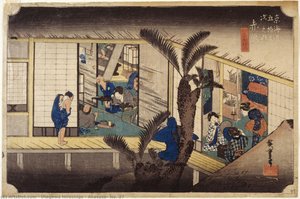
Experience Utagawa Hiroshige's "Asakusa River" – a stunning woodblock print capturing a serene night scene with boats and figures, reflecting Edo Japan’s poetic beauty.
Sanatçı Özgeçmişi
Japonya'nın son büyük ukiyo-e ustası Utagawa Hiroshige'yi (1797-1858) keşfedin. 'Tōkaidō'nun Elli Üç İstasyonu' gibi ikonik manzaralarını, şiirsel tarzını ve Empresyonizm ile Van Gogh üzerindeki derin etkisini inceleyin.
About the painting
The Essence of a Nighttime Journey
Utagawa Hiroshige’s “Asakusa River” isn't merely a depiction of a scene; it’s an immersion into the heart of Edo-era Tokyo. Painted in 1857, during a period of profound transformation for Japan – grappling with Western influence while clinging fiercely to its traditions – this woodblock print captures a fleeting moment of serenity amidst bustling urban life. The image unfolds like a carefully orchestrated memory: a lone boat glides along the Sumida River under a velvet night sky, reflecting the distant glow of lanterns and the subtle shimmer of water. It’s a scene imbued with a quiet melancholy, a poignant awareness of time's passage, characteristic of Hiroshige’s signature style.
Technique and the Art of *Ukiyo-e*
Hiroshige’s mastery lies in his meticulous application of *ukiyo-e*, or “pictures of the floating world.” This technique, perfected over centuries, involved carving intricate designs onto wooden blocks – one block for each color – then painstakingly printing them onto paper. “Asakusa River” exemplifies this process brilliantly. The artist employs a delicate gradation of Prussian blue and grey to render the sky, creating an atmospheric depth that belies the relatively flat surface of the print. Notice how subtle variations in tone suggest movement within the water and the gentle sway of the boat. The use of *nagashi-zuri*, or loose-ink washes, adds a sense of fluidity and spontaneity, mimicking the ephemeral nature of light and shadow. The composition itself is carefully balanced – the boat’s trajectory draws the eye across the scene, while the distant trees and buildings provide grounding elements.
A Window into Edo Life
Asakusa in 1857 was a vibrant hub, a crossroads of commerce, religion, and entertainment. The temple of Sensō-ji, visible faintly in the background, stood as a focal point for pilgrims and locals alike. The river served as a vital artery for trade and transportation, connecting the city to its surrounding regions. Hiroshige’s choice to depict a simple boat journey – a commonplace activity for many Edo residents – elevates it into something profound. It speaks to the everyday rhythms of life, the quiet moments of contemplation amidst the constant flow of urban activity. The inclusion of figures in the boat, though largely obscured, hints at the human element within this landscape.
Symbolism and a Poetic Mood
Beyond its realistic depiction, “Asakusa River” is rich with symbolic meaning. The lone boat can be interpreted as representing the journey of life itself – a solitary voyage through an uncertain world. The river, a recurring motif in Hiroshige’s work, symbolizes both passage and transformation. The muted colors and soft lighting evoke a sense of nostalgia and melancholy, reflecting the artist's awareness of the fleeting nature of beauty and the inevitable decline of traditional Japan. It is a testament to Hiroshige’s ability to capture not just a scene, but an entire mood – a poignant meditation on time, memory, and the enduring spirit of Edo.
Collecting and Displaying This Masterpiece
Reproductions of “Asakusa River” are available in various sizes and mediums, offering collectors a chance to bring this iconic image into their homes. Consider framing it with simple, natural wood to complement the print’s understated elegance. Its calming aesthetic would be particularly well-suited for spaces seeking tranquility – bedrooms, libraries, or meditation rooms. The print's subtle color palette also harmonizes beautifully with a range of interior design styles, from minimalist to traditional Japanese.
Soru ve Cevaplar
"Asakusa River:" eseri telif hakkından muaf mı?
Telif hakkı konusunda, "Asakusa River:" eseri kamu malıdır - telif hakkı süresi dolmuştur statüsündedir.
Utagawa Hiroshige imzalı "Asakusa River:" açık tonlu bir sanat eseri mi yoksa koyu tonlu mu?
Utagawa Hiroshige imzalı "Asakusa River:", deep_shadow parlaklık ve Soft Shadow düzeyinde bir lüminans ile kaydedilmiştir.
Tarihi göz önüne alındığında, "Asakusa River:" adlı eser Utagawa Hiroshige'in kariyerinin hangi dönemine denk gelmektedir?
1857 tarihli olması sebebiyle "Asakusa River:", Utagawa Hiroshige'in Late Period dönemine ait bir eserdir.
Quick facts and art quiz
About Utagawa Hiroshige

Utagawa Hiroshige
1797 - 1858
Sanatçı Biyografisi
Edo Japonya'sının Şiirsel Bir Vizyonu: Utagawa Hiroshige'nin Yaşamı ve Sanatı
1797 yılında Edo'nun (modern Tokyo) hareketli sokaklarında Andō Tokutarō adıyla dünyaya gelen Utagawa Hiroshige, ukiyo-e, yani "yüzen dünyanın resimleri" dünyasının en kilit figürlerinden biri olarak durmaktadır. Japon ahşap baskı geleneklerine derinden kök salmış olsa da Hiroshige, basit bir kopyalamanın ötesine geçerek manzaralarını hem Japonya'da hem de daha sonra Batı sanat dünyasında derin yankı uyandıran şiirsel bir duyarlılıkla donatmıştır. Hayatı, Tokugawa şogunluğu dönemindeki göreceli barış ve refah içinde şekillenirken, aynı zamanda artan sosyal değişimler ve nihayetinde gelen Batılılaşma ile damgalanmış bir süreçte geçmiştir; bu güçler, Hiroshagie'nin kalıcı mirasını yüceltirken ukiyo-e geleneğinin gerilemesine de katkıda bulunmuştur. Başlangıçta bir samuray ailesinin içinde, babasının bir itfaiye denetçisi olarak görev yaptığı daha geleneksel bir yola mahkum edilmiş olsa da Hiroshige'nin sanatsal eğilimleri onu Utagawa okulunun ustası Utagawa Toyohiro'nun yanına çırak olarak yönlendirmiştir. Bu durum, onu birçok ukiyo-e sanatçısının tercih ettiği popüler kurtizan ve aktör tasvirlerinden uzaklaştırarak, nihayetinde yeniden tanımlayacağı bir tür olan manzara resmine odaklanmasını sağlayan çok önemli bir dönüm noktası olmuştur.Tür Sahnelerinden Etkileyici Manzaralara
Hiroshige'nin ilk çalışmaları, portreler ve günlük yaşamdan sahneler içeren okulunun geleneklerine bağlı kalıyordu. Ancak onu asıl farklı kılan, manzarayı kucaklamasıydı. Fuji Dağı'nın Otuz Altı Görünümü ile izleyicileri zaten büyülemiş olan Hokusai gibi önceki ustaların etkisinde kalan Hiroshige; atmosferik perspektif, ince renk paletleri ve değişen mevsimlere karşı derin bir hassasiyetle karakterize edilen eşsiz bir stil geliştirdi. O, sadece yerleri tasvir etmiyordu; zamanın belirli bir anının özünü yakalayarak o mekanların ruhunu çağrıştırıyordu. Belki de en ünlü başarısı olan Tōkaidō'nun Elli Üç İstasyonu serisi (1833–1834), bu yaklaşımın en güzel örneğidir. Bu anıtsal eser, Edo'yu Kyoto'ya bağlayan ana güzergah olan Tōkaidō yolu boyunca yapılan yolculuğu düz bir gezi günlüğü olarak değil, etkileyici birer kesit olarak belgeledi: Shono'da ani bir sağanak yağmur, Kanaya'dan Fuji Dağı'nın uzak manzarası, Odawara'daki hareketli yaşam. Her bir baskı, izleyiciyi gezginlerle birlikte yolculuğu deneyimlemeye davet eden bir geçicilik duygusu ve sessiz bir güzellik ile doludur. Renklerde ince geçişler yaratarak kompozisyonlarına derinlik ve atmosfer katan bokashi tekniğini ustalıkla kullanmıştır.Atmosfer ve Tekniğin Ustası
Hiroshige'nin teknik becerisi, sanatsal vizyonu kadar olağanüstüydü. O, sadece doğru bir temsil ile ilgilenmiyordu; bir yerin hissini yakalamayı amaçlıyordu. Renk kullanımı, çağdaşlarının bazılarına kıyasla genellikle ölçülü olsa da bu etkiyi elde etmede hayati bir rol oynuyordu. Tek bir renk için sık sık birden fazla blok kullanarak, taklit edilmesi inanılmaz derecede zor olan nüanslı tonlar ve atmosferik etkiler yaratabiliyordu. Yağmur veya sis tasvirlerindeki narin mavi yıkamalar, sonbahar yapraklarının sıcak tonları; bunlar tesadüf değildi; belirli duyguları ve duyumları uyandırmak için dikkatle düşünülmüş unsurlardı. Bokashi'nin ötesinde Hiroshige, Japon estetiğinin merkezinde yer alan boşluk kullanımı – ma – konusunda da yetenekliydi; bu sayede baskının belirli alanlarının "nefes almasına" izin veriyor ve genel huzur duygusunu artırıyordu. Edo'nun Yüz Ünlü Manzarası serisi (1856–1858), sevdiği şehrin yaşamına ve manzaralarına dair samimi bakışlar sunarak ustalığını bir kez daha kanıtladı.Kalıcı Miras: Japonizm ve Ötesi
Hiroshige'nin 1858'deki ölümünden sonra ukiyo-e geleneği zayıflamaya başlasa da – Meiji Restorasyonu ve ardından gelen Batı kültürü akınıyla hızlanan bir gerileme olsa da – sanat dünyası üzerindeki etkisi inanılmaz derecede kalıcı oldu. 19 yüzyılın sonlarında Japon baskıları Avrupa'yı istila ederek Japonizm olarak bilinen bir fenomeni tetikledi. Édouard Manet, Claude Monet ve Edgar Degas gibi sanatçılar ukiku-e'nin cesur kompozisyonlarından, düzleştirilmiş perspektiflerinden ve alışılmadık renk şemalarından büyülenerek bu unsurları kendi çalışmalarına dahil ettiler. Vincent van Gogh, Hiroshige'nin baskılarına özellikle hayran kalmış; "Kameido'da Erik Parkı" da dahil olmaklı birkaçının kopyalarını oluşturarak Japon ustanın renk ve kompozisyon kullanımına duyduğu derin hayranlığı göstermiştir. Hiroshige'nin etkisi resmin ötesine geçti; mimaride, tasarımda ve hatta edebiyatta görülebilir. Bugün Utagawa Hiroshige, sadece parlak bir sanatçı olarak değil, aynı zamanda Doğu ile Batı arasındaki boşluğu doldurmaya yardımcı olan ve sanat tarihine silinmez bir iz bırakan bir kültürel elçi olarak hatırlanmaktadır. Onun dingin manzaraları, bize doğal dünyanın güzelliğini ve geçiciliğini hatırlatarak hayranlık ve tefekkür uyandırmaya devam ediyor.Önemli Eserler
- Tōkaidō'nun Elli Üç İstasyonu: Hiroshige'nin en ünlü serisi, Edo ile Kyoto arasındaki ana yol boyunca yapılan yolculuğu tasvir eder.
- Edo'nun Yüz Ünlü Manzarası: Sevdiği şehirdeki yaşamın ve manzaraların büyüleyici bir portresi.
- <Vincent van Gogh'un Japonizm Serisi Üzerindeki Etkisi: "Hiroshige'den Sonra Çiçek Açan Erik Ağacı" da dahil olmak üzere, Van Gogh'un Japon ustaya duyduğu derin hayranlığı gösteren eserler.
Quick facts about Utagawa Hiroshige
- Artistic Movement Or Style: Ukiyo-e
- Artists Or Movements Influenced By This Artist:
- Manet
- Monet
- Van Gogh
- Empresyonizm
- Artists Who Influenced This Artist: ['Hokusai']
- Date Of Birth: 1797
- Date Of Death: 1858
- Full Name: Utagawa Hiroshige
- Nationality: Japon
- Notable Artworks:
- Tōkaidō'nun Elli Üç İstasyonu
- Edo'nun Yüz Ünlü Manzarası
- Place Of Birth: Tokyo, Japonya
Temalara, stillere ve özelliklere göre gruplandırılmış sanat eserlerini keşfedin.




Utagawa Hiroshige
Asakusa River:
() ·
With its frame: · Hand-painted in oil on linen
Total