


 Önizle
 Gönder
 Paylaş
 Detaylar
 Rehber

 Dosyayı İndir
 Benzerleri
 X-Işını
 Slayt Gösterisi
 İstatistikler
The Green Car


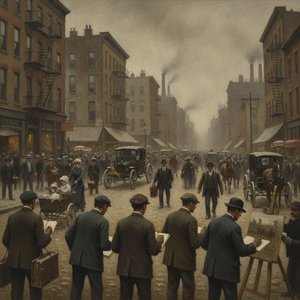
Experience William Glackens' 'The Green Car,' a stunning Ashcan School masterpiece depicting a bustling winter trolley scene in New York City. Explore its vibrant colors and detailed realism at TopImpressionists.
 Devamını Oku
William James Glackens (1870-1938), Ashcan Okulu’nun öncülerinden. New York ve Paris sokaklarını canlı renklerle resmeden gerçekçi tablolarıyla tanınır. 'Alışverişçiler' gibi ikonik eserleriyle dönemin günlük yaşamını yansıtır.
Giclée / Sanat Baskısı
Hızlı üretim ve esnek bitiş seçenekleriyle müze kalitesinde giclée veya kanvas baskı. ( El Yapımı Tablo Satın Al Dijital Görsel Satışına Geç)




P118B ₺10

P118H ₺10

P118W ₺10

P438Z ₺10

P508JH ₺12

P508YH ₺12

P805H ₺10

P805Z ₺10

P919BZ ₺10

P919G ₺10

P919XJ ₺10

P959ZH ₺10

P968JZ ₺12

W106C ₺8

W218G ₺10

W218JH ₺8

W218Y ₺10

W307PJ ₺10

W316G ₺10

W316PJ ₺8

W316Y ₺10

W398PJ ₺8

W4111J ₺10

W500HY ₺15

W500JH ₺15

W692G ₺12

W849H ₺8

W940BG ₺15

W953PJ ₺8




Standart Boyutlar
özel boyutlu
CM
INCH
Eserin orijinal oranlarıyla uyumlu, önceden belirlenmiş boyutlarımız arasından seçim yapın.
Loading sizes...

genişlik
yükseklik
Çerçevenize veya duvarınıza uygun olması için ihtiyacınız olan genişlik ve yüksekliği yazın. Bir baskı yalnızca kesilebilir, görselden daha büyük hale getirilemez; bu nedenle farklı bir formdaki boyut seçimi, görselin bir kısmının kaybına neden olur. Herhangi bir baskı yapmadan önce onaylamanız için size bir dijital taslak gönderiyoruz. Bu sayfada gösterilen resim gerçek kesimi göstermez — bunu yalnızca taslak gösterir.
Dünya Çapında Teslimat (); standart 4/5 hafta yerine 2 haftada. (27 Ekim)

Dünya Çapında Ücretsiz Ekspres Kargo

Yüksek Kaliteli Keten Tuval

Tam Nakliye Sigortası

Gümrük Vergisi İadesi Garantisi

Gerçek Renk Uyumu Garantisi

100 Günlük İade Koşulları (Sadece Üretim Hatalı Ürünler İçin)

%100 Para İade Garantisi

Toplu Alım Avantajı
 Cam seçeneği yalnızca 110 cm altındaki boyutlar için mevcuttur.

The Green Car
Giclée / Sanat Baskısı
Baskı Boyutu
-


Toplam Fiyat
₺ 3377
The Green Car: A Snapshot of Urban Life in Early Twentieth Century New York
William James Glackens’ “The Green Car,” painted in 1910, isn't merely a depiction of a winter scene; it’s a crystallized moment of American modernity. Currently residing at the Metropolitan Museum of Art, this oil on canvas captures the bustling energy and gritty realism championed by the Ashcan School—a movement that deliberately rejected the idealized beauty favored by the National Academy of Design.
Artist & Style: Glackens’ approach aligns closely with Frederick Childe Hassam's own winter landscapes, demonstrating a shared fascination for portraying everyday life against a backdrop of atmospheric conditions. However, unlike Hassam’s softer brushstrokes and romanticized vistas, Glackens employs a darker palette—primarily muted greens and yellows—to convey the chill of the season and imbue his subject matter with palpable emotion.
Composition & Technique: The painting's composition is deceptively simple. A prominent green trolley car dominates the center frame, transporting passengers amidst a throng of pedestrians traversing Washington Square Park. Glackens’ masterful technique utilizes thick impasto—a textured surface created by applying paint thickly—to build up volume and capture the subtle nuances of light and shadow. This method lends an immediacy to the scene, inviting viewers into the wintry tableau.
- Key Elements: Notice the careful placement of figures – some huddled under umbrellas, others strolling leisurely – reflecting the social dynamics of the era.
- Background Details: The inclusion of a bus and a truck reinforces the sense of urban activity, grounding the scene in the tangible realities of New York City life.
Historical Context & Symbolism: Painted during the burgeoning industrial age, “The Green Car” speaks to anxieties about urbanization and social change. The trolley car itself symbolizes progress—albeit a somewhat uncomfortable one—while the snow-covered landscape serves as a visual metaphor for hardship and resilience. Glackens’ intention wasn't to celebrate beauty but to confront viewers with an honest portrayal of human experience.
Emotional Impact: Ultimately, “The Green Car” succeeds in transporting us back to 1910. The painting evokes feelings of solitude amidst the crowd, capturing a fleeting glimpse into the lives of ordinary people navigating the complexities of modern life. It’s a testament to Glackens' ability to distill emotion and atmosphere onto canvas—a skill that continues to resonate with audiences today.
For more information on William James Glackens and his artistic vision, visit TopImpressionists.com. Explore similar works by Gustave Klimt – “Portrait of Serena Lederer” – to appreciate the distinctive stylistic explorations of Art Nouveau.
Soru ve Cevaplar
William James Glackens imzalı "The Green Car" eseri bugün nerede sergileniyor?
Orijinal "The Green Car" eserini Metropolitan Sanat Müzesi, New York, United States of America bünyesinde görebilirsiniz.
William James Glackens imzalı "The Green Car" bir iç mekana nasıl bir atmosfer katar?
William James Glackens imzalı "The Green Car", Serene bir atmosfere sahiptir ve Living Room için önerilir. Ruh hali, eserin çevresindeki mekana kattığı duygudur.
William James Glackens imzalı "The Green Car", güçlü kontrastlar mı yoksa yumuşak uyumlar mı kullanıyor?
"The Green Car" eserinde, Statement bir kontrast, Softly Mixed Palette bir uyumla eşleşiyor.
İlgili Eserler


Sanatçı Biyografisi
William James Glackens: Amerikan Gerçekçiliğinin Öncüsü
William James Glackens, 1870 yılında Philadelphia, Pensilvanya’da doğmuş ve Amerikan sanat tarihinde unutulmaz bir iz bırakmış etkileyici bir gerçekçi ressamdır. Günlük yaşamın özünü yakalama tutkusundan ödün vermeyen sanatsal yolculuğu, onu dönemin en önemli figürlerinden biri haline getirmiştir. Glackens'in erken yılları, doğal bir sanat eğilimiyle damgalanmış ve bu durum onu Pennsylvania Güzel Sanatlar Akademisi’ne yönlendirmiştir. Burada, ünlü gerçekçi Thomas Anshutz’un rehberliğinde becerilerini geliştirmiş ve sonunda Ashcan Okulu’nun kurucularından biri olmuştur. Bu hareket, geleneksel sanatsal güzellik anlayışını reddetmiş ve bunun yerine metropol yaşamının acımasız gerçeklerine odaklanmıştır.Erken Yaşamı ve Etkileri
Glackens’in gençliği, doğuştan gelen bir sanat merakıyla şekillenmiştir. Bu merak onu Pennsylvania Güzel Sanatlar Akademisi'ne götürmüştür. Thomas Anshutz gibi tanınmış bir gerçekçinin gözetiminde yeteneklerini geliştirmiş ve sonunda Ashcan Okulu'nun kurucularından biri olmuştur. Bu okul, geleneksel sanatsal güzellik normlarını reddederek büyük şehir yaşamının ham gerçekliğini yansıtmayı amaçlamıştır. Glackens’in ilk dönem eserleri, Philadelphia sokaklarının canlı tasvirlerini ve dönemin işçi sınıfının günlük hayatını konu almıştır. Anshutz'un etkisiyle figüratif çalışmalarda ustalaşmış, kompozisyonlarında detaylara ve gerçekçiliğe büyük önem vermiştir. Aynı zamanda Robert Henri gibi diğer Ashcan Okulu sanatçılarıyla yakın ilişkiler kurmuş ve onların da sanatsal gelişimine katkıda bulunmuştur.Sanatsal Kariyeri ve Gelişimi
Glackens’in eserleri, I. Dünya Savaşı öncesi New York ve Paris'teki günlük yaşamın canlı sokak sahneleri ve tasvirleriyle karakterizedir. Resimlerinde genellikle karanlık tonlar ve parlak renkler kullanmış, şehir hayatının dinamizmini ve karmaşıklığını yansıtmıştır. Daha sonraki eserleri ise Renoir’dan etkilenerek daha aydınlık bir tona sahip olmuş, sanatçı olarak büyümesini göstermiştir. Glackens aynı zamanda Philadelphia ve New York'taki gazeteler ve dergiler için illüstratör olarak da çalışmıştır. Bu deneyim, gözlem yeteneğini geliştirmiş ve eserlerine farklı bir perspektif katmasına yardımcı olmuştur. Özellikle “The Shoppers” (Alışverişçiler) adlı eseri, şehir yaşamının özünü yakalama becerisini sergileyen önemli bir örnektir. Glackens’in sanatsal yolculuğu boyunca hem gerçekçi hem de empresyonist öğeleri harmanlayarak kendine özgü bir stil yaratmıştır.Mirası ve Etkisi
Glackens'in Amerikan sanatına katkıları çok yönlüdür ve sadece kendi eserleriyle sınırlı değildir. Albert C. Barnes’ın Philadelphia’daki Barnes Vakfı için Avrupa resimleri satın almasına önemli bir rol oynamıştır. Bu koleksiyon, Amerikan sanat tarihinin temel taşlarından biri haline gelmiştir. Glackens'in eserleri, dönemin sosyal gerçeklerini yansıtması ve şehir yaşamının dinamizmini yakalama becerisiyle öne çıkar. Onun çalışmaları, daha sonraki nesil sanatçılar için ilham kaynağı olmuş ve Amerikan gerçekçiliğinin gelişimine önemli katkılar sağlamıştır. Glackens’in sanatsal mirası, günümüzde de birçok müzede sergilenen eserleriyle yaşamaya devam etmektedir.Önemli Eserleri ve Koleksiyonlar
* The Shoppers (Alışverişçiler) (Yeni Gerçekçilik, tuval üzerine yağlı boya, Chrysler Müzesi) * View of Haarlem with Bleaching Grounds (Haarlem’in Çamaşır Alanı Manzarası) (Jacob Isaakszoon van Ruisdael (Ruysdael), Sforza Kalesi, Milano, İtalya). Bu eser, Glackens'in detaylara verdiği önemi ve kompozisyon becerisini gösteren önemli bir örnektir. * Anahtar Çalışmalar ve Koleksiyonlar: * The Shoppers (Yeni Gerçekçilik, tuval üzerine yağlı boya, Chrysler Müzesi) * View of Haarlem with Bleaching Grounds (Ruysdael, Sforza Kalesi, Milano, İtalya).Önerilen Kaynaklar
- https://TopImpressionists.com/@/william-james-glackens - TopImpressionists.com'da Glackens’in kapsamlı eserlerini keşfedin.
- https://en.wikipedia.org/wiki/William_Glackens - Wikipedia’da William James Glackens’in detaylı biyografisine göz atın.

William James Glackens
1870 - 1938 , Amerika Birleşik Devletleri
Kısa Bilgiler
- Doğum Tarihi: Philadelphia, ABD (1870)
- Doğum Yeri: Philadelphia, Amerika Birleşik Devletleri
- Etkilendiği Sanatçılar: ['Pierre Auguste Renoir']
- Etkilenen Sanatçılar: ['Thomas Anshutz']
- Sanatsal Akım: Ashcan Okulu
- Tam Adı: William James Glackens
- Uyruğu: Amerikalı
- Ölüm Tarihi: Westport, Connecticut (1938)
- Önemli Eserler: ['The Shoppers']
İlgili Yazılar
The Ashcan School: Capturing the Raw, Unfiltered Soul of Urban Life through American Realism
Discover the raw beauty of the Ashcan School. Explore how masters like Bellows and Henri captured the gritty, vibrant soul of early 20th-century New York through profound American Realism and evocative urban landscapes.

The Unvarnished Truth: A Cultural Journey Through the Soul of American Realism
Explore the profound beauty of American Realism. From the Ashcan School's urban grit to intimate portraits, discover how artists captured the authentic soul of a nation through unvarnished truth and masterful observation.
Temalara, stillere ve özelliklere göre gruplandırılmış sanat eserlerini keşfedin.
