

المعروض: · بالإطار:
 معاينة الحجم الواقعي

 مشاركة
 مشاركة
 التفاصيل
 بطاقة المعلومات


 تحميل الملف
 قطع مشابهة
 الأشعة السينية
 عرض شرائح
 الأسئلة والأجوبة

 الإحصائيات
The Elements (ألبرت جوزيف مور, 1866)


لوحات كانفاس ومطبوعات فنية تبدأ من E£2686 بمقاس 24 x 41 cm
لوحة زيتية مرسومة يدوياً تبدأ من E£14802
- شحن مجاني لجميع أنحاء العالم خلال 3 إلى 4 أسابيع
- تُسلم المطبوعات الملفوفة خلال 3 إلى 4 أسابيع
- إرجاع خلال 100 يوم مع ضمان استرداد كامل للمال
- تقييم 4.9/5 بناءً على 241 من العملاء على ArtShopReviews.com
E£ 4166
طباعة جيلي / مطبوعات فنية
طباعة جيكلي أو كانفاس بجودة المتاحف، مع سرعة في التنفيذ وخيارات متنوعة للتشطيب. ( لوحة زيتية انطباعية نسخة رقمية
)
الوسيط الفني
 للمزيد من المعلومات
خيارنا الاقتصادي: نفس الصورة مطبوعة على كانفاس بوليستر بوزن 260 جم/م² بدلاً من القطن، تُسلم ملفوفة في أنبوب عبر البريد العادي خلال 3 إلى 4 أسابيع. تُسلم ملفوفة فقط (بدون إطار خشبي أو إطار خارجي) ولا تخضع للإنتاج المستعجل، وذلك للمقاسات التي يبلغ طول أحد أضلاعها 80 سم أو أقل. أرخص بنسبة 30% تقريباً من طباعة الكانفاس القطني.
غير متوفر لهذا المقاس: يجب أن يكون طول أحد الجانبين 80 سم أو أقل.
للملفات الملفوفة فقط: اختر خيار "لوحة كانفاس ملفوفة في أنبوب" لتتمكن من تحديد هذه الطباعة.
متاح للمقاسات التي لا يتجاوز طول ضلعها 110 سم. أما بالنسبة للمقاسات الأكبر، فيتم طباعة العمل على قماش قطني مطفي.
لا يتوفر خيار الكانفاس الأرشيفي المطفي لهذا المقاس: يجب أن يكون طول كلا الجانبين 110 سم أو أقل. سيتم طباعة عملك على كانفاس قطني مطفي بدلاً من ذلك.
خيار الزجاج متاح فقط للمقاسات التي تقل عن 110 سم
المقاس
·اختر من بين أحجامنا المُعدّة مسبقاً والتي تتوافق مع النسب الأصلية للعمل الفني.
جاري تحميل المقاسات...

العرض
الارتفاع
أدخل العرض والارتفاع المطلوبين ليتناسب المقاس مع إطارك أو جدارك. يرجى الملاحظة أن المطبوعة يمكن قصها فقط ولا يمكن تكبيرها لتتجاوز أبعاد الصورة الأصلية، لذا فإن اختيار مقاس بأبعاد مختلفة سيؤدي إلى فقدان جزء من الصورة. سنرسل لك نموذجاً رقمياً تجريبياً لاعتماده قبل البدء في عملية الطباعة. الصورة المعروضة في هذه الصفحة لا توضح شكل القص الفعلي — النموذج التجريبي فقط هو ما يظهر ذلك بدقة.
قياسي
حسب الطلب
سنتيمتر
بوصة
إنهاء
·
أبيض E£1

حواف ضبابية E£1

ممتد الحواف E£1

P118B E£10

P118H E£10

P118W E£10

P438Z E£10

P508JH E£12

P508YH E£12

P805H E£10

P805Z E£10

P919BZ E£10

P919G E£10

P919XJ E£10

P959ZH E£10

P968JZ E£12

W106C E£8

W218G E£10

W218JH E£8

W218Y E£10

W307PJ E£10

W316G E£10

W316PJ E£8

W316Y E£10

W398PJ E£8

W4111J E£10

W500HY E£15

W500JH E£15

W692G E£12

W849H E£8

W940BG E£15

W953PJ E£8
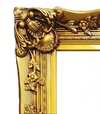
H24-GOLD E£30
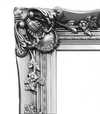
H24-SILVER E£30
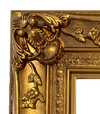
H36-GOLD E£70
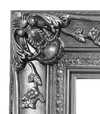
H36-SILVER E£70
تُشحن في أنبوب واقٍ، لتكون جاهزة للتأطير لدى فني الإطارات الخاص بك.
للقطع التي يتجاوز طولها ١٠٥ سم، يتم شحن الإطار كمجموعة مخصصة لخبراء التأطير — اقرأ التفاصيل.
خدمات إضافية
اختياريماذا تشمل الإضافات؟
توصيل عالمي إلى خلال أسبوعين بدلاً من المدة القياسية البالغة 4/5 أسابيع. (27 ديسمبر)
لا تتوفر خدمة الإنتاج العاجل أو الشحن السريع مع طباعة البولي كانفاس الاقتصادية، حيث يتم شحنها عبر البريد العادي.
ورنيش واقٍ
بطاقة التعريف
تفاصيل اللوحة البرونزية المحفورة
تتميز هذه اللوحة الأنيقة باسم الفنان وعنوان العمل الفني، وهي محفورة بدقة لتمنح العمل عرضاً يتسم بالخلود.
مصنوعة من البرونز بلمسات نهائية راقية وأنيقة. النص محفور بدقة متناهية باستخدام الليزر لضمان نتيجة حادة ودائمة. تأتي اللوحة بمقاس 9×2 سم، مما يجعلها مدمجة وسهلة القراءة في آن واحد. صُممت لتكون متينة ومقاومة للخدش، مما يمنحها مظهراً احترافياً بجودة المتاحف. عملية التركيب بسيطة بفضل اللاصق الخلفي المرفق.
تفاصيل اللوحة الأكريليكية الشفافة
تتضمن اللوحة تفاصيل أساسية محفورة، مثل اسم الفنان، وعنوان العمل الفني، وتاريخ إنجازه، ونوع الوسائط المستخدمة -كالزيت على القماش أو الألوان المائية- بالإضافة إلى وصف موجز للقطعة، ورمز استجابة سريعة (QR code) يربطك بالمعلومات الكاملة عن العمل الفني.
مصنوعة من الأكريليك الشفاف، مما يمنحها مظهراً عصرياً وأنيقاً. النص محفور بتقنية الأشعة فوق البنفسجية (UV) باللون الأسود لضمان تباين بصري قوي. وبفضل أبعادها التي تبلغ 10×15 سم، تضمن اللوحة وضوحاً فائقاً للقراءة. تأتي مزودة بخطافين معدنيين لضمان تثبيتها بإحكام على الحائط. صُممت هذه اللوحة لتكون مقاومة للعوامل الجوية، مما يجعلها مناسبة لمختلف البيئات، كما تتضمن ميزات تفاعلية تعمل بسلاسة عند مسحها عبر الهاتف الذكي.
تفاصيل اللوحة الأكريليكية السوداء
تتضمن هذه اللوحة الأنيقة معلومات محفورة تشمل اسم الفنان، وعنوان العمل الفني، وتاريخ إنجازه، ونوع الوسائط المستخدمة (مثل الزيت على القماش أو الألوان المائية)، ووصفاً موجزاً للعمل، بالإضافة إلى رمز استجابة سريعة (QR code) للوصول السريع إلى مزيد من المعلومات.
تُصنع اللوحة من الأكريليك الأسود الفاخر بلمسات نهائية راقية، حيث يتم حفر النص بالليزر باللون الأبيض لضمان تباين عالٍ ووضوح تام في القراءة. تأتي اللوحة بمقاس 10×15 سم، وقد صُممت لتكون سهلة القراءة، وتتضمن خطافين معدنيين لتركيبها بشكل احترافي. يتميز تصميمها بالأناقة ليتناسب مع أي نمط من أنماط الديكور الداخلي، كما أنها متينة ومقاومة للعوامل الجوية، مع ميزة التكامل الرقمي المدمج للتوافق مع الهواتف المحمولة.
خيار الزجاج متاح فقط للمقاسات التي تقل عن 110 سم
 خيار الزجاج متاح فقط للمقاسات التي تقل عن 110 سم
- شحن مجاني لجميع أنحاء العالم خلال 3 إلى 4 أسابيع
- قماش كتان عالي الجودة
- تأمين شامل على الشحن
- ضمان استرداد الرسوم الجمركية
- ضمان مطابقة الألوان الحقيقية
- إرجاع خلال 100 يوم مع ضمان استرداد كامل للمال
- ضمان استرداد نقدي بنسبة 100%
- خصم عند طلب كميات


The Elements: ألبرت جوزيف مور ولحظة الـ Aestheticism
Four figures in flowing robes gather around a smoking cauldron in this serene, neo-classical scene rendered in rich earthy tones.
ألبرت جوزيف مور: السيرة الذاتية
استكشف اللوحات الأثيرية لألبرت جوزيف مور (1841-1893)، رائد الحركة الجمالية. اشتهر بتصوير الشخصيات النسائية المترهلة، والأقمشة الكلاسيكية الجديدة، والزخارف النباتية. اكتشف فنه وإرثه!
حول العمل الفني
The Elements by Albert Joseph Moore
In this 1866 work, The Elements by Albert Joseph Moore unfolds as a quiet, ritualistic gathering. Four figures sit in a balanced square around a central cauldron, their presence steady and calm. Wisps of smoke rise from the vessel, drifting into a background that feels like aged, textured plaster. The scene carries a sense of mystery, as if we are witnessing a private moment of alchemy or ancient ceremony. The figures are draped in flowing robes, their graceful poses suggesting a deep, contemplative stillness.
Albert Joseph Moore, born in York, United Kingdom, on September 4, 1841, brings a distinct sense of harmony to this composition. The figures appear almost flat against their backdrop, emphasizing a decorative quality that prioritizes pattern and form. Earthy tones of ochre, beige, and terracotta dominate the space, while small accents of blue and gold catch the eye. This palette creates a muted, serene atmosphere that wraps around the central subject.
The lighting remains soft and diffused, casting no harsh shadows across the scene. Instead, a gentle glow illuminates the smooth skin of the figures and the curvilinear lines of their drapery. There is a profound sense of unity in the way the characters are arranged, creating a world that feels both structured and organic. This work reflects the artist's ability to capture a sense of tranquil, symbolic existence through carefully rendered forms.
Composition and Visual Elements
Four figures sit in a steady square formation, encircling a central cauldron that anchors the entire scene. This arrangement creates a sense of profound balance and symmetry, drawing the eye inward toward the heart of the gathering. The figures are draped in flowing robes that ripple with soft, curvilinear lines, their graceful poses lending a sense of quietude to the ritual. Each face remains serene and contemplative, lost in a moment of stillness as wisps of smoke rise from the vessel below. The background offers a textured surface, reminiscent of aged plaster, which keeps the focus firmly on the figures and their harmonious arrangement.
The color palette breathes with warmth, dominated by earthy tones of ochre, beige, and terracotta. These grounded hues provide a stable foundation for the more luminous accents of blue and gold that dance across the composition. These touches of color add a layer of richness to the muted landscape, catching the light amidst the soft, diffused glow that permeates the space. The shallow perspective keeps the figures close to the surface, emphasizing the decorative quality of the scene and the rhythmic interplay of their forms.
Style and Artistic Technique
The canvas breathes with the precision of an academic style, where every stroke of oil paint works to honor classical themes and intricate decorative patterns. There is a profound sense of order in the way the forms are rendered, as if the artist sought to capture a moment of eternal stillness. The drapery flows around the figures with a careful, deliberate touch, tracing the contours of the body through layers of pigment that suggest both weight and lightness. It is a scene where the physical world meets a stylized, rhythmic grace.
Softness governs the visual language here. Lines do not cut sharply through the space; instead, they curve and wander in a gentle, flowing motion. These curvilinear shapes dominate the composition, mirroring the organic rhythms of the human form and the swirling wisps of smoke rising from the central cauldron. The edges of the figures and the textures of the background blend with a quiet harmony, avoiding any jarring angles that might disrupt the serenity of the arrangement. The surface itself carries a tactile quality, reminiscent of aged plaster, which grounds the ethereal subject matter in a sense of antiquity.
Related Works by the Artist
The artist's hand moves through various themes, often returning to the grace of the human form. In 1863, the canvas captures the weight of Elijah's Sacrifice, a work that carries the influence of Ford Madox Brown and Edward Armitage. This piece emerges from a period where the artist begins to find a specific, neo-classical voice. Nearby in time, the year 1865 brings us to The Marble Seat, a work that begins a long series of purely decorative compositions. These early explorations set the stage for a career defined by a search for harmony in pose and color.
As the years pass, the imagery shifts and matures. Around 1866, the notes of A Musician drift through the studio, capturing a different kind of rhythm. The artist continues to refine this aesthetic, moving toward the more elaborate and painstaking compositions of later years. By 1883, the vision settles into the forms seen in Kingcups, where the focus remains on the delicate balance of the figure and the surrounding space. Each work reflects a persistent devotion to the Hellenic spirit and the subtle textures of drapery.
الأسئلة والأجوبة
هل هذه النسخة من The Elements مرسومة يدوياً أم مطبوعة؟
الطباعة: يتم إعادة إنتاج The Elements كطباعة جيكليه (giclée) على قماش قطني أو على ورق إبسون (Epson) الأرشيفي.
ما الحجم الذي يجب أن أختاره لـ The Elements؟
تتراوح المقاسات من 24.3 x 41.1 cm (E£2686) إلى 143.8 x 243.2 cm (E£18804)؛ ويوضح الجدول الموجود في هذه الصفحة الخيارات المتاحة وأسعارها.
كم تستغرق عملية التوصيل؟
تُشحن المطبوعات الملفوفة في أنبوب مجانًا عبر البريد العادي وتصل خلال 3 إلى 4 أسابيع؛ أما المطبوعات المشدودة أو المؤطرة فتستغرق من 4 إلى 5 أسابيع. تتوفر خدمة التوصيل عبر البريد السريع فقط عند اختيار خدمة التوصيل السريع المدفوعة المتاحة في هذه الصفحة. يمكنك إرجاع المنتج خلال 100 يوم واسترداد كامل المبلغ دون أي شروط.
ما هي الوسائط التي استخدمها ألبرت جوزيف مور في عمله The Elements؟
Oil On Canvas
حقائق سريعة واختبار فني
عن ألبرت جوزيف مور

ألبرت جوزيف مور
1841 - 1893, المملكة المتحدة
عن ألبرت جوزيف مور: حياته وأعماله وسيرته الذاتية
حقائق سريعة عن ألبرت جوزيف مور
- Artistic Movement Or Style: الحركة الجمالية
- Artists Who Influenced This Artist:
- روسكين
- فورد مادوكس براون
- إدوارد أرميتاج
- Date Of Birth: 4 سبتمبر 1841
- Date Of Death: 25 سبتمبر 1893
- Full Name: ألبرت جوزيف مور
- Nationality: بريطاني
- Notable Artworks:
- المقعد الرخامي
- ذبيحة إيليا
- أهواء الفصول
- Place Of Birth: يورك، المملكة المتحدة

ألبرت جوزيف مور
The Elements
() ·
بالإطار: ·
الإجمالي