


 معاينة الحجم الواقعي
 إرسال
إرسال مشاركة
 عرض التفاصيل
 دليل الأعمال الفنية للطلاب

 تحميل
تحميل
 قطع مشابهة
 الأشعة السينية
 عرض شرائح متتابع
 الإحصائيات
Trees, winter
 Oil On Canvas
- WallArt
- Post-Impressionism
 1883
1883- 19th Century
 15.0 x 25.0 cm
Experience Georges Pierre Seurat’s "Trees, Winter," a stunning post-impressionist masterpiece showcasing Pointillism's luminous precision and captivating winter forest scene. Discover this iconic artwork and bring its beauty into your space.
 اقرأ المزيد
"جورج سور، رائد تقنية النيو إمبراسيونيزم ونقطة البداية لتشكيل الفنون الحديثة، يُعرف بأعماله الكلاسيكية مثل اللوحة الشهيرة "إلى الغداء الأحدي على جزيرة لا غراند جيتيه"، وتأثيره العلمي على استخدام الألوان الذي أحدث ثورة في التصوير."
طباعة جيلي / مطبوعات فنية
طباعة جيكلي أو كانفاس بجودة المتاحف، مع سرعة في التنفيذ وخيارات متنوعة للتشطيب. ( اطلب نسخة مرسومة يدويًا التحويل إلى الصورة الرقمية)




P118B E£10

P118H E£10

P118W E£10

P438Z E£10

P508JH E£12

P508YH E£12

P805H E£10

P805Z E£10

P919BZ E£10

P919G E£10

P919XJ E£10

P959ZH E£10

P968JZ E£12

W106C E£8

W218G E£10

W218JH E£8

W218Y E£10

W307PJ E£10

W316G E£10

W316PJ E£8

W316Y E£10

W398PJ E£8

W4111J E£10

W500HY E£15

W500JH E£15

W692G E£12

W849H E£8

W940BG E£15

W953PJ E£8




مقاس قياسي
مخصص
CM
INCH
اختر من بين أحجامنا المُعدّة مسبقاً والتي تتوافق مع النسب الأصلية للعمل الفني.
Loading sizes...

العرض
الارتفاع
أدخل العرض والارتفاع اللذين تحتاجهما، ليتناسب مع إطارك أو جدارك. يمكن قص المطبوعة فقط، ولا يمكن أبداً جعلها أكبر من الصورة الأصلية، لذا فإن أي مقاس بشكل مختلف سيؤدي إلى فقدان جزء من الصورة. سنرسل لك نموذجاً رقمياً تجريبياً لاعتماده قبل البدء في عملية الطباعة. الصورة المعروضة في هذه الصفحة لا توضح القص الفعلي — النموذج التجريبي فقط هو ما يظهر ذلك.
توصيل عالمي إلى خلال أسبوعين بدلاً من المدة القياسية البالغة 4/5 أسابيع. (24 أكتوبر)

شحن سريع ومجاني لجميع أنحاء العالم

قماش كتان فاخر

تأمين شامل على الشحن

ضمان استرداد الرسوم الجمركية

ضمان دقة مطابقة الألوان

سياسة الإرجاع خلال 100 يوم (في حالات العيوب فقط)

ضمان استرداد نقدي بنسبة 100%

عرض خصم الكميات
 خيار الزجاج متاح فقط للمقاسات التي تقل عن 110 سم

Trees, winter
طباعة جيلي / مطبوعات فنية
مقاس النسخة المطبوعة
-


إجمالي السعر
E£ 3567
Georges Pierre Seurat’s “Trees, Winter”: A Symphony of Light and Precision
“Trees, Winter,” painted in 1883 by Georges Pierre Seurat stands as a cornerstone of Post-Impressionism—a movement that irrevocably altered the course of artistic expression. More than just a depiction of a snowy forest landscape, this artwork embodies Seurat’s groundbreaking approach to painting: Pointillism, a method rooted in scientific observation and driven by an unwavering desire to capture the essence of visual perception.
Seurat's journey toward artistic innovation began amidst the intellectual ferment of Parisian life. Born in 1859, he benefited from a privileged upbringing fostered by his father’s legal profession and subsequent foray into property speculation—allowing him access to formative art education. Early influences included Impressionism, particularly Monet and Renoir, yet Seurat swiftly recognized limitations within Impressionistic techniques, prioritizing instead the pursuit of optical accuracy.
The Science Behind Brilliance: Pointillist Technique
Unlike Impressionists who blended colors on canvas to create an illusion of luminosity, Seurat meticulously applied tiny dots of pure pigment—primarily complementary hues—onto the surface. This seemingly simple technique demanded exhaustive mathematical calculations and a profound understanding of color theory. Seurat’s meticulous process aimed to stimulate retinal cells, triggering a phenomenon known as chromoluminarism – essentially recreating the way light interacts with surfaces to produce color perception.
- Mathematical Precision: Seurat employed hexagonal grids overlaid on his canvas to ensure consistent spacing and distribution of pigment dots.
- Complementary Color Harmony: The artist skillfully utilized complementary colors—such as yellow and violet—to maximize visual impact and create a vibrant, balanced composition.
- Optical Mixing: Rather than blending pigments physically, Seurat relied on the eye’s ability to fuse adjacent dots of color, resulting in an astonishingly luminous effect.
A Landscape Steeped in Symbolism
"Trees, Winter" transcends mere topographical representation; it speaks to themes of solitude and contemplation amidst the austere beauty of nature. The stark white snow serves as a canvas for Seurat’s masterful rendering of bare branches—a visual metaphor for resilience and enduring strength during periods of dormancy. Furthermore, the muted earth tones contribute to an atmosphere of quiet introspection, inviting viewers to pause and appreciate the subtle nuances of winter light.
Emotional Resonance: Capturing Atmosphere
Despite its seemingly objective depiction, “Trees, Winter” possesses a palpable emotional depth. Seurat’s unwavering dedication to scientific rigor—combined with his sensitivity to color and texture—creates an artwork that resonates with viewers on a visceral level. It's a testament to the artist’s ability to transform observation into profound artistic expression, securing its place as a timeless masterpiece of Post-Impressionism.
الأسئلة والأجوبة
ما مدى سطوع "Trees, winter" للفنان جورج سيوْرا؟
تُظهر ألوان "Trees, winter" سطوعاً بمستوى Gentle Luminance.
ما هي أبعاد "Trees, winter" للفنان جورج سيوْرا وحجمها؟
تأتي لوحة "Trees, winter" للفنان جورج سيوْرا بتنسيق Panoramic وبمقاس 15 x 25 cm.
ما هي التقنية المستخدمة في "Trees, winter" للفنان جورج سيوْرا؟
تعتمد التقنية المستخدمة في "Trees, winter" للفنان جورج سيوْرا على Oil On Canvas. وتهدف النسخ المطبوعة إلى محاكاة مظهر هذه التقنية.
أعمال فنية مشابهة


نبذة عن الفنان
جورج سيوارت: رائد الدقة الضوئية ونافذة على الحياة الحديثة
في قلب باريس، في الثاني من ديسمبر عام 1859، بزغ نجم جورج بيير سيوارت، الفنان الذي أحدث ثورة في عالم الفن، ليس فقط بتقنياته المبتكرة بل برؤيته الفريدة للحياة العصرية. لم يكن سيوارت مجرد رسام، بل كان باحثًا دقيقًا، وعالمًا للألوان، وفنانًا يسعى إلى ترجمة العالم المرئي إلى لغة بصرية جديدة تمامًا. نشأ في كنف أسرة ميسورة الحال، أتاح له ذلك الحصول على تعليم فني جيد، بدءًا من دروس النحت والتصوير، وصولًا إلى دراسته في أكاديمية الفنون الجميلة، حيث اكتسب أساسًا متينًا في الرسم التقليدي. لكن سيوارت لم يكتفِ بالتقاليد الأكاديمية؛ بل سرعان ما بدأ في التساؤل عن القيود المفروضة عليها، وبحث عن طريقة أكثر علمية للتعبير عن رؤيته الفنية.من الجذور الأكاديمية إلى كرومولومينارزم
لم يكن التحول نحو أسلوبه المميز مفاجئًا، بل كان تطورًا تدريجيًا نابعًا من شغفه بالمعرفة والبحث العلمي. انغمس سيوارت في دراسة نظريات الألوان، مستلهمًا من أعمال علماء مثل ميشال شيفريول وأوجدن رود، اللذين استكشافا التأثيرات البصرية للألوان المتجاورة. هذا الغوص العميق في علم الألوان قاده إلى تطوير تقنية كرومولومينارزم – علم الألوان – وتطبيقها العملي من خلال النقطية. الفكرة بسيطة ظاهريًا: تطبيق نقاط صغيرة منفصلة من الألوان النقية على القماش، بحيث يدمجها عين المشاهد بصريًا لخلق تأثير متوهج وحيوي. لم يكن هذا مجرد أسلوب فني جديد، بل كان محاولة لفهم كيفية إدراك العين البشرية للضوء والألوان، وتسخير هذه المعرفة لإنشاء تجربة بصرية أكثر ديناميكية وجاذبية.محطات الابتكار: أعمال رئيسية ورؤية فنية
تجسدت قمة هذا البحث والتجريب في عمله الضخم "أحد الأحد بعد ظهرًا في جزيرة غراند جاتيه (1884-1886)"، وهو تحفة فنية أعلنت عن ميلاد الواقعية الجديدة. يصور هذا العمل الشهير باريسيين يستمتعون ببعد ظهر مشمس على ضفاف نهر السين، ويُظهر سيوارت تقنية النقطية بأبهى صورها. تبدو الشخصيات وكأنها تتلألأ وتنبض بالحياة، مما يخلق جوًا من السكون والهدوء. "حوريات في أسنيير (1884)"، عمل آخر مهم، استكشف موضوعات الراحة والحياة العصرية بأسلوبه المميز، مسبقًا النهج الأكثر دقة الذي نراه في *غراند جاتيه*. حتى تصويره للحياة الباريسية الحديثة، مثل "برج إيفل (1889)"، تحول من خلال تقنيته الفريدة، مما يجمع بين الحداثة الصناعية والابتكار الفني. هذه الأعمال لم تكن مجرد تمثيلات للمشاهد؛ بل كانت تجارب بصرية مدروسة بعناية، مصممة لاستكشاف إمكانات اللون والإدراك.إرث دائم: التأثير والأهمية التاريخية
على الرغم من حياته القصيرة – توفي سيوارت في سن مبكرة تبلغ 31 عامًا – كان تأثيره على عالم الفن عميقًا وواسع النطاق. تحدى عمله الأعراف الفنية التقليدية، ومهد الطريق أمام العديد من الحركات اللاحقة. أثرت رؤيته في الفنانين الانطباعيين الجدد، الذين تبنوا الألوان الجريئة والضربات الواضحة، وفي الفنانين التكعيبيين، الذين فككوا الأشكال إلى عناصر هندسية، وفي فنانين التعبيرية التجريدية، الذين أولوا الأولوية للكثافة العاطفية والإيماءات العفوية. لم يقتصر تأثيره على الجانب التقني فحسب؛ بل ترك وراءه مجموعة من الأعمال التي تلتقط جوهر الحياة الحديثة بدقة وجمال لا مثيل لهما، مما رسخ مكانته كواحد من رواد الفن الحديث. إن لوحاته تظل شهادة على قوة الملاحظة والتجريب والرغبة الإنسانية الدائمة في فهم العالم من خلال عدسة التعبير الفني.
جورج سيوْرا
1859 - 1891 , فرنسا
لمحة سريعة
- أعمال فنية بارزة:
- بعد ظهر أحد في جزيرة غراند جاتيه
- حوريات أسنيير
- البرج الحديدي
- الاسم الكامل: جورج بيير سورا
- الجنسية: فرنسي
- الحركة الفنية: الانطباعية الجديدة، النقطوية
- تاريخ الميلاد: 2 ديسمبر 1859
- فنانون أثروا فيه:
- ميشيل شيفريول
- أوجدن رود
- فنانون أو حركات تأثرت به:
- الفوفية
- التكعيبية
- التعبيرية التجريدية
- مكان الميلاد: باريس، فرنسا
مقالات ذات صلة

Beyond the Light: Discovering the Soul and Emotional Depth of Post-Impressionism
Embark on a cultural journey through Post-Impressionism. Discover the profound emotional depth of masters like Van Gogh and Cézanne, exploring how they moved beyond light to capture the very soul of human experience through vibrant color and symbolic form.
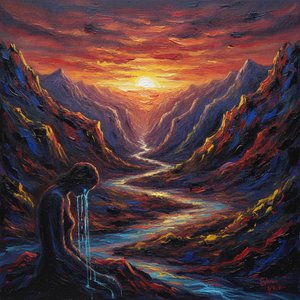
Capturing Emotion: A Journey Through the Soul of Expressionist Landscapes
Explore the profound emotional depth of Expressionist landscapes. Discover how Post-Impressionist masters moved beyond light to capture the soul through vibrant color and form. A curated journey for true art lovers seeking the beauty of expressive mastery.
استكشف الأعمال الفنية المصنفة حسب الموضوعات والأنماط والخصائص.


