

المعروض: · بالإطار:
 معاينة الحجم الواقعي

 مشاركة
 مشاركة
 التفاصيل
 بطاقة المعلومات


 تحميل الملف
 قطع مشابهة
 الأشعة السينية
 عرض شرائح
 الأسئلة والأجوبة

 الإحصائيات
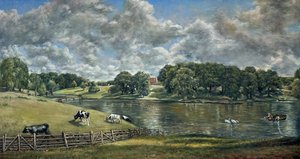
Flatford Mill (جون كونستابل, 1817)

- 50.0 x 60.0 cm


لوحات كانفاس ومطبوعات فنية تبدأ من E£2686 بمقاس 28 x 36 cm
لوحة زيتية مرسومة يدوياً تبدأ من E£10690
- شحن مجاني لجميع أنحاء العالم خلال 3 إلى 4 أسابيع
- تُسلم المطبوعات الملفوفة خلال 3 إلى 4 أسابيع
- إرجاع خلال 100 يوم مع ضمان استرداد كامل للمال
- تقييم 4.9/5 بناءً على 241 من العملاء على ArtShopReviews.com
E£ 4166
طباعة جيلي / مطبوعات فنية
طباعة جيكلي أو كانفاس بجودة المتاحف، مع سرعة في التنفيذ وخيارات متنوعة للتشطيب. ( لوحة زيتية انطباعية نسخة رقمية
)
الوسيط الفني
 للمزيد من المعلومات
خيارنا الاقتصادي: نفس الصورة مطبوعة على كانفاس بوليستر بوزن 260 جم/م² بدلاً من القطن، تُسلم ملفوفة في أنبوب عبر البريد العادي خلال 3 إلى 4 أسابيع. تُسلم ملفوفة فقط (بدون إطار خشبي أو إطار خارجي) ولا تخضع للإنتاج المستعجل، وذلك للمقاسات التي يبلغ طول أحد أضلاعها 80 سم أو أقل. أرخص بنسبة 30% تقريباً من طباعة الكانفاس القطني.
غير متوفر لهذا المقاس: يجب أن يكون طول أحد الجانبين 80 سم أو أقل.
للملفات الملفوفة فقط: اختر خيار "لوحة كانفاس ملفوفة في أنبوب" لتتمكن من تحديد هذه الطباعة.
متاح للمقاسات التي لا يتجاوز طول ضلعها 110 سم. أما بالنسبة للمقاسات الأكبر، فيتم طباعة العمل على قماش قطني مطفي.
لا يتوفر خيار الكانفاس الأرشيفي المطفي لهذا المقاس: يجب أن يكون طول كلا الجانبين 110 سم أو أقل. سيتم طباعة عملك على كانفاس قطني مطفي بدلاً من ذلك.
خيار الزجاج متاح فقط للمقاسات التي تقل عن 110 سم
المقاس
·اختر من بين أحجامنا المُعدّة مسبقاً والتي تتوافق مع النسب الأصلية للعمل الفني.
جاري تحميل المقاسات...

العرض
الارتفاع
أدخل العرض والارتفاع المطلوبين ليتناسب المقاس مع إطارك أو جدارك. يرجى الملاحظة أن المطبوعة يمكن قصها فقط ولا يمكن تكبيرها لتتجاوز أبعاد الصورة الأصلية، لذا فإن اختيار مقاس بأبعاد مختلفة سيؤدي إلى فقدان جزء من الصورة. سنرسل لك نموذجاً رقمياً تجريبياً لاعتماده قبل البدء في عملية الطباعة. الصورة المعروضة في هذه الصفحة لا توضح شكل القص الفعلي — النموذج التجريبي فقط هو ما يظهر ذلك بدقة.
قياسي
حسب الطلب
سنتيمتر
بوصة
إنهاء
·
أبيض E£1

حواف ضبابية E£1

ممتد الحواف E£1

P118B E£10

P118H E£10

P118W E£10

P438Z E£10

P508JH E£12

P508YH E£12

P805H E£10

P805Z E£10

P919BZ E£10

P919G E£10

P919XJ E£10

P959ZH E£10

P968JZ E£12

W106C E£8

W218G E£10

W218JH E£8

W218Y E£10

W307PJ E£10

W316G E£10

W316PJ E£8

W316Y E£10

W398PJ E£8

W4111J E£10

W500HY E£15

W500JH E£15

W692G E£12

W849H E£8

W940BG E£15

W953PJ E£8
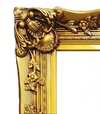
H24-GOLD E£30
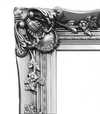
H24-SILVER E£30
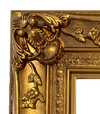
H36-GOLD E£70
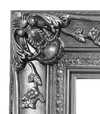
H36-SILVER E£70
تُشحن في أنبوب واقٍ، لتكون جاهزة للتأطير لدى فني الإطارات الخاص بك.
للقطع التي يتجاوز طولها ١٠٥ سم، يتم شحن الإطار كمجموعة مخصصة لخبراء التأطير — اقرأ التفاصيل.
خدمات إضافية
اختياريماذا تشمل الإضافات؟
توصيل عالمي إلى خلال أسبوعين بدلاً من المدة القياسية البالغة 4/5 أسابيع. (27 ديسمبر)
لا تتوفر خدمة الإنتاج العاجل أو الشحن السريع مع طباعة البولي كانفاس الاقتصادية، حيث يتم شحنها عبر البريد العادي.
ورنيش واقٍ
بطاقة التعريف
تفاصيل اللوحة البرونزية المحفورة
تتميز هذه اللوحة الأنيقة باسم الفنان وعنوان العمل الفني، وهي محفورة بدقة لتمنح العمل عرضاً يتسم بالخلود.
مصنوعة من البرونز بلمسات نهائية راقية وأنيقة. النص محفور بدقة متناهية باستخدام الليزر لضمان نتيجة حادة ودائمة. تأتي اللوحة بمقاس 9×2 سم، مما يجعلها مدمجة وسهلة القراءة في آن واحد. صُممت لتكون متينة ومقاومة للخدش، مما يمنحها مظهراً احترافياً بجودة المتاحف. عملية التركيب بسيطة بفضل اللاصق الخلفي المرفق.
تفاصيل اللوحة الأكريليكية الشفافة
تتضمن اللوحة تفاصيل أساسية محفورة، مثل اسم الفنان، وعنوان العمل الفني، وتاريخ إنجازه، ونوع الوسائط المستخدمة -كالزيت على القماش أو الألوان المائية- بالإضافة إلى وصف موجز للقطعة، ورمز استجابة سريعة (QR code) يربطك بالمعلومات الكاملة عن العمل الفني.
مصنوعة من الأكريليك الشفاف، مما يمنحها مظهراً عصرياً وأنيقاً. النص محفور بتقنية الأشعة فوق البنفسجية (UV) باللون الأسود لضمان تباين بصري قوي. وبفضل أبعادها التي تبلغ 10×15 سم، تضمن اللوحة وضوحاً فائقاً للقراءة. تأتي مزودة بخطافين معدنيين لضمان تثبيتها بإحكام على الحائط. صُممت هذه اللوحة لتكون مقاومة للعوامل الجوية، مما يجعلها مناسبة لمختلف البيئات، كما تتضمن ميزات تفاعلية تعمل بسلاسة عند مسحها عبر الهاتف الذكي.
تفاصيل اللوحة الأكريليكية السوداء
تتضمن هذه اللوحة الأنيقة معلومات محفورة تشمل اسم الفنان، وعنوان العمل الفني، وتاريخ إنجازه، ونوع الوسائط المستخدمة (مثل الزيت على القماش أو الألوان المائية)، ووصفاً موجزاً للعمل، بالإضافة إلى رمز استجابة سريعة (QR code) للوصول السريع إلى مزيد من المعلومات.
تُصنع اللوحة من الأكريليك الأسود الفاخر بلمسات نهائية راقية، حيث يتم حفر النص بالليزر باللون الأبيض لضمان تباين عالٍ ووضوح تام في القراءة. تأتي اللوحة بمقاس 10×15 سم، وقد صُممت لتكون سهلة القراءة، وتتضمن خطافين معدنيين لتركيبها بشكل احترافي. يتميز تصميمها بالأناقة ليتناسب مع أي نمط من أنماط الديكور الداخلي، كما أنها متينة ومقاومة للعوامل الجوية، مع ميزة التكامل الرقمي المدمج للتوافق مع الهواتف المحمولة.
خيار الزجاج متاح فقط للمقاسات التي تقل عن 110 سم
 خيار الزجاج متاح فقط للمقاسات التي تقل عن 110 سم
- شحن مجاني لجميع أنحاء العالم خلال 3 إلى 4 أسابيع
- قماش كتان عالي الجودة
- تأمين شامل على الشحن
- ضمان استرداد الرسوم الجمركية
- ضمان مطابقة الألوان الحقيقية
- إرجاع خلال 100 يوم مع ضمان استرداد كامل للمال
- ضمان استرداد نقدي بنسبة 100%
- خصم عند طلب كميات


Flatford Mill: جون كونستابل ولحظة الـ Romanticism
A tranquil river scene with boats and a horse by the water's edge, rendered with thick impasto to capture the shifting light of the Stour Valley.
جون كونستابل: السيرة الذاتية
دفعته وفاة ماريا بالسل إلى ارتداء الأسود ورسم المناظر الطبيعية التعبيرية في سنواته الأخيرة.
حول العمل الفني
Identification of Flatford Mill by John Constable
Flatford Mill is an 1817 landscape painting by the British artist John Constable. This work offers a view of the mill located in East Bergholt on the River Stour. It is also known by the subtitle Scene on a Navigable River. The scene captures a specific moment in the rural landscape of the Stour Valley, focusing on the quiet activity surrounding the water's edge.
The painting was first presented to the public when it was displayed at the Royal Academy's Summer Exhibition at Somerset House in 1817. At that time, it established the artist's interest in the specific topography of his home region. The composition centers on the mill and the river, providing a detailed look at the relationship between the water and the surrounding land.
The Composition and Visual Elements
The composition pulls you into a world of lush greens and reflective waters. At the heart of the scene, the calm, reflective waters of the river act as a mirror to the lush, verdant banks. This interplay of light and liquid creates a sense of depth that draws the eye toward the center of the work. A moored boat and distant figures provide a gentle human connection to the vastness of the Suffolk countryside, grounding the landscape in a quiet, lived-in reality.
Several individuals stand near the water's edge, their presence adding a subtle layer of activity to the peaceful scene. On the left side of the image, a horse is positioned near the bank, its form integrated into the pastoral setting. Two boats are visible in the water; one is situated towards the center, while another rests slightly to the right. These elements, combined with the rhythmic presence of the river, establish a sense of harmony within the rural environment.
Technique and Artistic Materials
In this oil on canvas, one can sense the methodical preparation that preceded the final application of paint. Before committing to the large-scale composition, the artist relied on a foundation of oil sketches, graphite drawings, and watercolour studies. This disciplined approach allowed for a careful arrangement of the landscape's complexities. The resulting work possesses a physical weight, achieved through the use of thick impasto to build up texture across the surface. This tactile quality gives the river and the earth a sense of movement and life.
There is a particular luminosity in the way the light interacts with the water and the sky. This effect is achieved through the painstaking layering of thin glazes of paint. Such a technique allows light to penetrate the surface, creating an illusion of shimmering luminescence that mimics the shifting atmosphere of the Stour Valley. It is a quiet, deliberate mastery of light and shadow.
Historical Ownership and Collections
The provenance of this work is deeply connected to the artist's own legacy. It was eventually included as part of the Constable Bequest in 1888, ensuring its place within the public consciousness. This transition from private hands to a permanent collection secured its survival for future generations to study.
Today, the painting is held within the collection of Tate Britain. It is also part of the holdings at the Tate Gallery in London. These institutions maintain the work as a significant part of their English landscape holdings. Additionally, the National Trust holds a connection to the work through its stewardship of the surrounding landscapes and properties.
Related Works by John Constable
To understand the evolution of this artist, one might look toward his earlier explorations of the Stour Valley. In 1815, he produced Boat-building near Flatford Mill, a work that captures the rhythmic sounds of craftsmanship against a quiet river setting. This piece reflects his deep connection to the local landscape and the dignity of rural labor. It is a quiet study of the textures found in the Suffolk countryside.
His later compositions often expanded in scale and ambition. He moved toward larger canvases, such as The Hay Wain from 1821, which remains one of his most recognized depictions of the river. Other significant works include The Cornfield (1826) and The Lock (1824), both of which continue his investigation into the interplay of light and water. He also turned his attention to more architectural subjects, such as Salisbury Cathedral from the Meadows in 1831.
- Boat-building near Flatford Mill (1815)
- The Hay Wain (1821)
- The Lock (1824)
- The Cornfield (1826)
- Salisbury Cathedral from the Meadows (1831)
Where to See This Masterpiece Today
If you wish to experience the subtle shifts of light and the texture of the River Stour in person, you will find this work held within the collections of the Tate Gallery in London. It is part of the permanent collection at Tate Britain, where the painting is kept for public viewing. The work remains a significant part of the Tate Britain collection, allowing visitors to observe the specific impasto and the atmospheric perspective that Constable achieved in 1817.
The painting is situated in London, United Kingdom. It is housed within the Tate Gallery, London, providing a quiet space to study the relationship between the water and the sky. Being part of the Tate Britain collection, it is accessible to those who appreciate the nuances of the Romantic tradition in a museum setting.
الأسئلة والأجوبة
هل هذه النسخة من Flatford Mill مرسومة يدوياً أم مطبوعة؟
الطباعة: يتم إعادة إنتاج Flatford Mill كطباعة جيكليه (giclée) على قماش قطني أو على ورق إبسون (Epson) الأرشيفي.
ما الحجم الذي يجب أن أختاره لـ Flatford Mill؟
أبعاد العمل الأصلي هي 50 x 60 cm. تتراوح المقاسات من 28.2 x 35.5 cm (E£2686) إلى 192.6 x 242.9 cm (E£24341)؛ ويوضح الجدول الموجود في هذه الصفحة الخيارات المتاحة وأسعارها.
كم تستغرق عملية التوصيل؟
تُشحن المطبوعات الملفوفة في أنبوب مجانًا عبر البريد العادي وتصل خلال 3 إلى 4 أسابيع؛ أما المطبوعات المشدودة أو المؤطرة فتستغرق من 4 إلى 5 أسابيع. تتوفر خدمة التوصيل عبر البريد السريع فقط عند اختيار خدمة التوصيل السريع المدفوعة المتاحة في هذه الصفحة. يمكنك إرجاع المنتج خلال 100 يوم واسترداد كامل المبلغ دون أي شروط.
ما هي الوسائط التي استخدمها جون كونستابل في عمله Flatford Mill؟
Oil On Canvas
حقائق سريعة واختبار فني
عن جون كونستابل

جون كونستابل
1776 - 1837, المملكة المتحدة
عن جون كونستابل: حياته وأعماله وسيرته الذاتية
حقائق سريعة عن جون كونستابل
- أعمال فنية بارزة:
- عربة القش
- قلعة هادلي
- كاتدرائية سالزبوري من المروج
- دير نيتلي
- الاسم الكامل: جون كونستابل
- الجنسية: بريطاني
- الحركة الفنية أو الأسلوب: الرومانسية
- الفنانون أو الحركات التي تأثرت بهذا الفنان: ['مدرسة باربيزون']
- الفنانون الذين أثروا في هذا الفنان: ['كلود لورين']
- تاريخ الميلاد: 1776
- تاريخ الوفاة: 1837
- مكان الميلاد: إيست بيرغهولت، المملكة المتحدة
أعمال فنية ذات صلة
لوحات فنية تشبه هذه اللوحة في الضوء، والألوان، والأجواء.


استكشف الأعمال الفنية المصنفة حسب الموضوعات والأنماط والخصائص.




جون كونستابل
Flatford Mill
() ·
بالإطار: ·
الإجمالي