

المعروض: · بالإطار:
 معاينة الحجم الواقعي

 مشاركة
 مشاركة
 التفاصيل
 بطاقة المعلومات


 تحميل الملف
 قطع مشابهة
 الأشعة السينية
 عرض شرائح
 الأسئلة والأجوبة

 الإحصائيات
Found (ماكس كلينغر)


لوحات كانفاس ومطبوعات فنية تبدأ من E£2662 بمقاس 36 x 28 cm
لوحة زيتية مرسومة يدوياً تبدأ من E£13310
- شحن مجاني لجميع أنحاء العالم خلال 3 إلى 4 أسابيع
- تُسلم المطبوعات الملفوفة خلال 3 إلى 4 أسابيع
- إرجاع خلال 100 يوم مع ضمان استرداد كامل للمال
- تقييم 4.9/5 بناءً على 241 من العملاء على ArtShopReviews.com
E£ 4129
طباعة جيلي / مطبوعات فنية
طباعة جيكلي أو كانفاس بجودة المتاحف، مع سرعة في التنفيذ وخيارات متنوعة للتشطيب. ( لوحة زيتية انطباعية نسخة رقمية
)
الوسيط الفني
 للمزيد من المعلومات
خيارنا الاقتصادي: نفس الصورة مطبوعة على كانفاس بوليستر بوزن 260 جم/م² بدلاً من القطن، تُسلم ملفوفة في أنبوب عبر البريد العادي خلال 3 إلى 4 أسابيع. تُسلم ملفوفة فقط (بدون إطار خشبي أو إطار خارجي) ولا تخضع للإنتاج المستعجل، وذلك للمقاسات التي يبلغ طول أحد أضلاعها 80 سم أو أقل. أرخص بنسبة 30% تقريباً من طباعة الكانفاس القطني.
غير متوفر لهذا المقاس: يجب أن يكون طول أحد الجانبين 80 سم أو أقل.
للملفات الملفوفة فقط: اختر خيار "لوحة كانفاس ملفوفة في أنبوب" لتتمكن من تحديد هذه الطباعة.
متاح للمقاسات التي لا يتجاوز طول ضلعها 110 سم. أما بالنسبة للمقاسات الأكبر، فيتم طباعة العمل على قماش قطني مطفي.
لا يتوفر خيار الكانفاس الأرشيفي المطفي لهذا المقاس: يجب أن يكون طول كلا الجانبين 110 سم أو أقل. سيتم طباعة عملك على كانفاس قطني مطفي بدلاً من ذلك.
خيار الزجاج متاح فقط للمقاسات التي تقل عن 110 سم
المقاس
·اختر من بين أحجامنا المُعدّة مسبقاً والتي تتوافق مع النسب الأصلية للعمل الفني.
جاري تحميل المقاسات...

العرض
الارتفاع
أدخل العرض والارتفاع المطلوبين ليتناسب المقاس مع إطارك أو جدارك. يرجى الملاحظة أن المطبوعة يمكن قصها فقط ولا يمكن تكبيرها لتتجاوز أبعاد الصورة الأصلية، لذا فإن اختيار مقاس بأبعاد مختلفة سيؤدي إلى فقدان جزء من الصورة. سنرسل لك نموذجاً رقمياً تجريبياً لاعتماده قبل البدء في عملية الطباعة. الصورة المعروضة في هذه الصفحة لا توضح شكل القص الفعلي — النموذج التجريبي فقط هو ما يظهر ذلك بدقة.
قياسي
حسب الطلب
سنتيمتر
بوصة
إنهاء
·
أبيض E£1

حواف ضبابية E£1

ممتد الحواف E£1

P118B E£10

P118H E£10

P118W E£10

P438Z E£10

P508JH E£12

P508YH E£12

P805H E£10

P805Z E£10

P919BZ E£10

P919G E£10

P919XJ E£10

P959ZH E£10

P968JZ E£12

W106C E£8

W218G E£10

W218JH E£8

W218Y E£10

W307PJ E£10

W316G E£10

W316PJ E£8

W316Y E£10

W398PJ E£8

W4111J E£10

W500HY E£15

W500JH E£15

W692G E£12

W849H E£8

W940BG E£15

W953PJ E£8
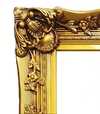
H24-GOLD E£30
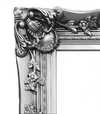
H24-SILVER E£30
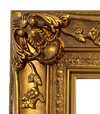
H36-GOLD E£70
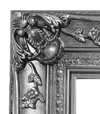
H36-SILVER E£70
تُشحن في أنبوب واقٍ، لتكون جاهزة للتأطير لدى فني الإطارات الخاص بك.
للقطع التي يتجاوز طولها ١٠٥ سم، يتم شحن الإطار كمجموعة مخصصة لخبراء التأطير — اقرأ التفاصيل.
خدمات إضافية
اختياريماذا تشمل الإضافات؟
توصيل عالمي إلى خلال أسبوعين بدلاً من المدة القياسية البالغة 4/5 أسابيع. (23 ديسمبر)
لا تتوفر خدمة الإنتاج العاجل أو الشحن السريع مع طباعة البولي كانفاس الاقتصادية، حيث يتم شحنها عبر البريد العادي.
ورنيش واقٍ
بطاقة التعريف
تفاصيل اللوحة البرونزية المحفورة
تتميز هذه اللوحة الأنيقة باسم الفنان وعنوان العمل الفني، وهي محفورة بدقة لتمنح العمل عرضاً يتسم بالخلود.
مصنوعة من البرونز بلمسات نهائية راقية وأنيقة. النص محفور بدقة متناهية باستخدام الليزر لضمان نتيجة حادة ودائمة. تأتي اللوحة بمقاس 9×2 سم، مما يجعلها مدمجة وسهلة القراءة في آن واحد. صُممت لتكون متينة ومقاومة للخدش، مما يمنحها مظهراً احترافياً بجودة المتاحف. عملية التركيب بسيطة بفضل اللاصق الخلفي المرفق.
تفاصيل اللوحة الأكريليكية الشفافة
تتضمن اللوحة تفاصيل أساسية محفورة، مثل اسم الفنان، وعنوان العمل الفني، وتاريخ إنجازه، ونوع الوسائط المستخدمة -كالزيت على القماش أو الألوان المائية- بالإضافة إلى وصف موجز للقطعة، ورمز استجابة سريعة (QR code) يربطك بالمعلومات الكاملة عن العمل الفني.
مصنوعة من الأكريليك الشفاف، مما يمنحها مظهراً عصرياً وأنيقاً. النص محفور بتقنية الأشعة فوق البنفسجية (UV) باللون الأسود لضمان تباين بصري قوي. وبفضل أبعادها التي تبلغ 10×15 سم، تضمن اللوحة وضوحاً فائقاً للقراءة. تأتي مزودة بخطافين معدنيين لضمان تثبيتها بإحكام على الحائط. صُممت هذه اللوحة لتكون مقاومة للعوامل الجوية، مما يجعلها مناسبة لمختلف البيئات، كما تتضمن ميزات تفاعلية تعمل بسلاسة عند مسحها عبر الهاتف الذكي.
تفاصيل اللوحة الأكريليكية السوداء
تتضمن هذه اللوحة الأنيقة معلومات محفورة تشمل اسم الفنان، وعنوان العمل الفني، وتاريخ إنجازه، ونوع الوسائط المستخدمة (مثل الزيت على القماش أو الألوان المائية)، ووصفاً موجزاً للعمل، بالإضافة إلى رمز استجابة سريعة (QR code) للوصول السريع إلى مزيد من المعلومات.
تُصنع اللوحة من الأكريليك الأسود الفاخر بلمسات نهائية راقية، حيث يتم حفر النص بالليزر باللون الأبيض لضمان تباين عالٍ ووضوح تام في القراءة. تأتي اللوحة بمقاس 10×15 سم، وقد صُممت لتكون سهلة القراءة، وتتضمن خطافين معدنيين لتركيبها بشكل احترافي. يتميز تصميمها بالأناقة ليتناسب مع أي نمط من أنماط الديكور الداخلي، كما أنها متينة ومقاومة للعوامل الجوية، مع ميزة التكامل الرقمي المدمج للتوافق مع الهواتف المحمولة.
خيار الزجاج متاح فقط للمقاسات التي تقل عن 110 سم
 خيار الزجاج متاح فقط للمقاسات التي تقل عن 110 سم
- شحن مجاني لجميع أنحاء العالم خلال 3 إلى 4 أسابيع
- قماش كتان عالي الجودة
- تأمين شامل على الشحن
- ضمان استرداد الرسوم الجمركية
- ضمان مطابقة الألوان الحقيقية
- إرجاع خلال 100 يوم مع ضمان استرداد كامل للمال
- ضمان استرداد نقدي بنسبة 100%
- خصم عند طلب كميات


Found: ماكس كلينغر ولحظة الـ Symbolism
Two figures kneel in despair beneath a suspended form in this dramatic monochromatic etching filled with dense, swirling cross-hatching.
ماكس كلينغر: السيرة الذاتية
استلهم عمله "التعليق على العثور على قفاز" من حلم؛ تتبع ظهور القفاز في كل لوحة.
حول العمل الفني
The Artwork Found by Max Klinger
In the quiet tension of Found, the viewer encounters a scene of profound emotional distress. Max Klinger, born in 1857 in Leipzig, Germany, presents a vision that feels caught in a moment of sudden, sharp anguish. The composition draws the eye upward through a pyramidal arrangement, where two figures kneel in supplication at the base. Above them, a third figure remains suspended on a rigid rectangular plane, creating a sense of unsettling verticality. The atmosphere is heavy with a feeling of helplessness, as if the figures are trapped within a swirling chaos of lines that refuse to settle.
The imagery suggests a narrative of torment or judgment, though the exact nature of the suffering remains a mystery. Shadows and highlights dance across the forms, emphasizing the intensity of the facial expressions and the physical strain of the subjects. There is a palpable sense of unease in the way the figures interact with the space around them. The scene does not offer the comfort of a clear light source, leaving the viewer to navigate the deep shadows and the turbulent, textured background that seems to pulse with internal turmoil.
Composition and Visual Elements
A heavy, pyramidal structure dictates the movement of the scene, pulling the eye upward through a tense arrangement of forms. At the base, two figures kneel in a state of supplication, their bodies anchoring the bottom of the triangle. Above them, a third figure remains suspended on a rigid, rectangular plane, creating a jarring contrast between the organic curves of the human forms and the unyielding geometry of the platform. This vertical tension holds the viewer in a state of suspended animation, caught between the grounded suffering below and the hovering presence above.
The background refuses to remain still. Dense, swirling lines churn through the space, suggesting a world in a state of constant, chaotic turmoil. These lines wrap around the figures, blurring the distinction between the subjects and the atmosphere surrounding them. Light and shadow dance unevenly across the scene, with deep, heavy blacks clashing against pale highlights to emphasize the emotional weight of the figures. The perspective feels strangely flattened, yet the layering of these dark, textured shapes creates a sense of depth that pulls the viewer into the center of the struggle.
Technique and Artistic Materials
The scene emerges from a monochromatic world, where every shadow and highlight relies on a careful dance of gray tones. This is the result of a meticulous printmaking process, likely an etching or an engraving. One can almost feel the physical resistance of the metal plate as the artist uses sharp etching needles to incise deep, deliberate lines into the surface. These marks do not merely outline forms; they build a dense, textured landscape through heavy cross-hatching that catches the light and holds the darkness in place.
The materials used in this creation speak to a tactile, hands-on labor. A metal plate, perhaps zinc or copper, receives the initial wounding of the needle, creating the channels that will eventually hold the ink. Once the incised lines are ready, ink is pressed into these grooves, transferring the soul of the plate onto paper. This method allows for a staggering level of detail, where the swirling, chaotic lines of the background and the sharp, angular contours of the figures emerge from the interplay of ink and fiber.
Style and Artistic Movement
The work breathes with the heavy, restless energy of late 19th-century Expressionism. Every line seems to vibrate with an internal tension, pushing beyond mere representation to capture a raw, psychological state. This approach finds a striking kinship with the visual language of Edvard Munch, where the external world bends and twists to mirror the turbulence of the human spirit. The figures do not simply exist in space; they appear caught in a moment of profound emotional upheaval, their forms shaped by the weight of what they feel rather than the strict rules of anatomy.
At its core, the piece is deeply rooted in the Symbolist movement. It moves away from the literalism of the natural world to explore the shadowy, subjective realms of the subconscious. Rather than depicting a clear, objective reality, the imagery functions through a language of signs and metaphors that point toward deeper, unseen truths. The atmosphere is thick with the sense of a dream or a nightmare, where the boundaries between the physical self and the internal psyche begin to dissolve into a swirl of dark, textured lines.
Emotional and Symbolic Themes
Anguish and fear pulse through the scene, casting a heavy shadow over the figures. A profound sense of desperation grips the viewer as the subject matter unfolds, depicting a moment of intense emotional distress and torment. The two kneeling figures at the base of the composition seem trapped in a state of supplication, their bodies conveying a deep-seated helplessness. Above them, a third figure remains suspended on a rigid rectangular plane, watching the suffering below. This triangular arrangement creates a palpable tension, suggesting a heavy power dynamic or the weight of an inevitable judgment.
Chaos swirls in the background, where dense, agitated lines churn like a storm. These movements suggest a state of inner turmoil or perhaps the presence of overwhelming external forces acting upon the souls depicted. The darkness and light do not merely define form; they heighten the psychological weight of the moment. Every line contributes to an atmosphere of unease, as if the very air around the figures is thick with their collective despair. The struggle feels immediate, caught in a perpetual state of spiritual or emotional crisis.
Related Works by Max Klinger
The shadows of the artist's imagination stretch into other graphic cycles, where the boundaries between reality and the subconscious continue to blur. In the series Paraphrase on the Finding of a Glove, a single lost object transforms into a potent fetish, triggering a sequence of dreamlike visions and unsettling encounters. This narrative exploration of desire and loss finds a musical counterpart in the Brahms Fantasies from 1894, where the artist translates the spirit of composition into visual form. These works reveal a mind preoccupied with the hidden currents of human longing and the irrational forces that govern our inner lives.
Other explorations move through the realms of myth and movement. The artist's hand traces the tension found in The Rape of Prometheus and the rhythmic energy of Preparation for the dance. Each piece acts as a window into a world where the physical and the psychological are inseparable. Whether through the meticulous lines of an etching or the heavy presence of a sculpture, the artist's vision remains fixed on the tension between the seen world and the unseen impulses that drive it.
الأسئلة والأجوبة
هل هذه النسخة من Found مرسومة يدوياً أم مطبوعة؟
الطباعة: يتم إعادة إنتاج Found كطباعة جيكليه (giclée) على قماش قطني أو على ورق إبسون (Epson) الأرشيفي.
ما الحجم الذي يجب أن أختاره لـ Found؟
تتراوح المقاسات من 36.3 x 27.5 cm (E£2662) إلى 248.4 x 188.4 cm (E£24121)؛ ويوضح الجدول الموجود في هذه الصفحة الخيارات المتاحة وأسعارها.
كم تستغرق عملية التوصيل؟
تُشحن المطبوعات الملفوفة في أنبوب مجانًا عبر البريد العادي وتصل خلال 3 إلى 4 أسابيع؛ أما المطبوعات المشدودة أو المؤطرة فتستغرق من 4 إلى 5 أسابيع. تتوفر خدمة التوصيل عبر البريد السريع فقط عند اختيار خدمة التوصيل السريع المدفوعة المتاحة في هذه الصفحة. يمكنك إرجاع المنتج خلال 100 يوم واسترداد كامل المبلغ دون أي شروط.
ما هي الوسائط التي استخدمها ماكس كلينغر في عمله Found؟
Etching
حقائق سريعة واختبار فني
عن ماكس كلينغر

ماكس كلينغر
1857 - 1920, ألمانيا
عن ماكس كلينغر: حياته وأعماله وسيرته الذاتية
حقائق سريعة عن ماكس كلينغر
- الأعمال البارزة:
- إيجاد قفاز
- تمثال بيتهوفن
- الاسم الكامل: ماكس كلينغر
- الجنسية: ألماني
- الحركة الفنية: الرمزية
- الفنانون المؤثرون:
- مينزل
- غوا
- الفنانون المتأثرون: ['علم الهرمنوطيكا الطبي']
- تاريخ الميلاد: 1857
- تاريخ الوفاة: 1920
- مكان الميلاد: لايبزيغ، ألمانيا
استكشف الأعمال الفنية المصنفة حسب الموضوعات والأنماط والخصائص.


ماكس كلينغر
Found
() ·
بالإطار: ·
الإجمالي