


 Önizleme yap
 Paylaş
 Paylaş
 Detayları Gör
 Rehber

 İndir
İndir
 Benzerlerini gör
 X-Işını
 Slayt Gösterisi
 İstatistikler
Evler Auvers
 Yağlı boya pigmenti
- Duvar Sanatı
- Post-Impressionizm
 1890
1890- 19. Yüzyıl
 73.0 x 60.0 cm
 Toledo Sanat Müzesi
Auvers'teki Evler Van Gogh’un Auers-sur-Oise ikametinde gelişen vizyonunu yansıtıyor; İmpresyonizm renkleriyle ve Japon estetiğiyle sadeleştirilmiş bir manzara. 1890 yılında yapılmış, doğayla olan derin bağlantısını içsel düşünceye karşı koyarak göstermiş
 Tümünü Gör
Vincent van Gogh: 'Yıldızlı Gece' ve 'Ayçiçekleri' gibi ikonik eserleriyle tanınan Hollandalı post-empresyonist ressam. Düşkünlüğü ve tutkulu fırça darbeleriyle modern sanata damgasını vurdu.
Çevrimiçi önizlemeden çok daha üstün, yüksek çözünürlüklü ve iyileştirilmiş bir dijital görüntü satın alın.
Her dosya, uzman ekibimiz tarafından gelişmiş araçlar ve titiz manuel rötuş teknikleri kullanılarak özenle hazırlanır. Her görüntünün olağanüstü netliğe, kusursuz renk doğruluğuna ve ince ayrıntılara sahip olduğundan emin oluruz.
Son dosya; profesyonel, editoryal ve baskı süreçlerinde anında kullanıma uygun şekilde optimize edilerek 72 saat içinde e-posta yoluyla teslim edilir. Bu, seçkin tasarım stüdyoları, yayıncılar ve galerilerin güvendiği aynı kalite standartlarındadır.
Dijital Görsel
Kişisel sergileme, baskı ve yaratıcı projeleriniz için yüksek çözünürlüklü bir dosya indirin. ( Baskı Moduna Geç El yapımı tablo satın al)
Her Dijital Görüntü Siparişinde Dahil Olanlar
Uzman Dijital Teslimat, Garantili
TopImpressionists.com seçtiğinizde, sadece bir görsel edinmekle kalmaz; titizlikle hazırlanmış, profesyonelce iyileştirilmiş dijital bir sanat eserine sahip olur ve memnuniyet garantisiyle güvence altına alınırsınız. Siparişinizle birlikte otomatik olarak sunulan her şey şunlardır:

Hızlı E-posta ile Teslimat
Yüksek çözünürlüklü dijital görüntü dosyanız, siparişinizin üzerinden en geç 72 saat geçmeden e-posta ile size gönderilecektir; hemen kullanıma hazırdır.

Yapay Zeka İle İyileştirilmiş Dijital Dosya
Sanat eseriniz; maksimum detay, netlik ve renk doğruluğu sağlamak amacıyla gelişmiş yapay zeka araçları ve manuel düzenleme kullanılarak profesyonelce optimize edilmektedir.

Ömür Boyu Ücretsiz Yeniden Gönderim
Dosyanızı yanlışlıkla mı sildiniz yoksa kayıp mı oldu? Endişelenmeyin; dosyanızı dilediğiniz zaman size ücretsiz olarak tekrar göndereceğiz.

Hiçbir Zaman İthalat Ücreti Ödemeyin
Sanat eserinizin tadını gümrük vergisi, harç veya teslimat ücreti ödemeden anında çıkarın; dijital indirmeler her zaman vergiden muaftır.

Renk Doğruluğu Garantisi
Profesyonel araçlar ve renk yönetimi kullanarak dijital görselinizin orijinal renklere mümkün olduğunca yakın yansıtılmasını sağlıyoruz.

100 Günlük Memnuniyet Garantisi
If you're not satisfied with your digital image, we'll revise it or refund 100% within 100 days - no questions asked.

100% Para İadesi Garantisi
Memnun kalmadınız mı? Dijital dosyanızı teslim aldıktan sonraki 100 gün içinde, hiçbir soru sorulmaksızın tam para iadesi alabilirsiniz.

Toplu Sipariş İndirimleri
Buy 3 images, save 10% - Buy 5, save 15% - Buy 10+, save 20%. Great for creative projects, galleries, and agencies.
The Quiet Intensity of Rural Life
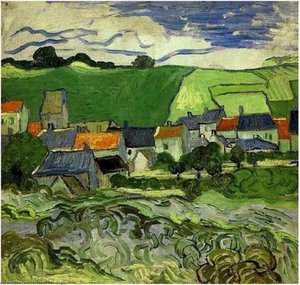
Vincent van Gogh’s “Houses in Auvers,” painted in the summer of 1890, is more than just a depiction of a small village scene; it's a poignant window into the artist’s evolving psyche and his profound connection to the natural world. Created during a pivotal period of his life – shortly after relocating to Auvers-sur-Oise following a difficult period in an asylum at Saint-Rémy – the painting captures a moment of relative calm amidst a storm of internal struggle. The scene unfolds with a deceptively simple composition: a modest, whitewashed house with its characteristic chimneys nestled amongst a tapestry of trees and greenery. Yet, within this apparent tranquility lies a remarkable intensity, born from Van Gogh’s unique vision and his deeply felt emotions.

A Shift in Artistic Direction
Following his time at Saint-Rémy, Van Gogh embarked on a period of intense introspection and experimentation, marked by a return to the subjects that had initially captivated him – rural life and humble dwellings. “Houses in Auvers” represents a significant departure from his earlier, more turbulent works. While echoes of his Dutch roots are present—a subtle yearning for the familiar—the painting is distinctly informed by his experiences in France, particularly his exposure to Impressionism and Japanese woodblock prints. The flattened perspective, simplified forms, and vibrant color palette reflect these influences, creating a visual harmony that belies the underlying emotional complexity.
- Context: Painted at the end of May or beginning of June 1890, this period coincided with Van Gogh’s move to Auvers-sur-Oise, seeking respite and a new creative direction.
- Influence: The painting draws upon his memories of the Netherlands while incorporating elements of French Impressionism and Japanese aesthetics.
- Subject Matter: It showcases a range of social domains through depictions of dwellings in Auvers, moving beyond his earlier focus on peasant life.
The Language of Color and Brushstroke
Van Gogh’s masterful use of color is immediately arresting. He employs a vibrant palette—a dazzling array of blues, greens, yellows, and whites—to imbue the scene with an almost palpable energy. The dominant white roof of the house stands out against the lush greenery, drawing the eye and creating a sense of lightness and hope. However, it’s not merely color that defines this painting; it's Van Gogh’s distinctive brushwork. Thick, impasto strokes—applied directly from the tube with visible energy and movement—create a textured surface that seems to vibrate with life. These forceful brushstrokes convey both the solidity of the buildings and the artist’s own passionate engagement with his subject matter.
A Reflection of Inner Turmoil
Despite its outwardly peaceful appearance, “Houses in Auvers” is deeply imbued with Van Gogh's emotional state. The painting was created during a period of intense personal struggle, marked by depression and uncertainty. Some art historians interpret the scene as a reflection of his own yearning for stability and connection—a desire to find solace amidst the chaos of his life. The small figures scattered throughout the image may represent the villagers of Auvers, or perhaps Van Gogh himself, seeking refuge in the simple pleasures of rural life. Ultimately, “Houses in Auvers” is a testament to Van Gogh’s ability to transform personal pain into enduring beauty—a poignant reminder of the power of art to capture both the external world and the depths of human experience.
Benzer Eserler





Sanatçı Özgeçmişi
Tutkunun Fırça Darbeleriyle Boyanmış Bir Yaşam: Vincent van Gogh
Vincent Willem van Gogh, canlı renklerin ve ham duyguların eş anlamlısı olarak anılan bir isim; sanat tarihinin en tanınmış ve sevilen figürlerinden biri olmaya devam ediyor. 30 Mart 1853’te Hollanda'nın Zundert kentinde doğan Van Gogh’un, sıkıntılı gençlikten sanatsal vizyona uzanan yolculuğu, bağlılık, mücadele ve nihayetinde kalıcı bir mirasın dokunaklı bir öyküsüdür. Hayatının sonuna kadar yalnızca bir tablo (*Kırmızı Bağ*) satmış olmasına rağmen, Van Gogh’un modern sanat üzerindeki etkisi ölçülemez; Ekspresyonizmin önünü açarak onu takip eden sayısız sanatçıyı etkilemiştir. Onun hikayesi sadece fırça darbeleri ve tuvallerden ibaret değildir; zorlukların üstesinden gelen insan ifadesinin gücünün bir kanıtıdır.Erken Yıllar ve Sanatsal Uyanış
Van Gogh’un ilk yıllarında, gerçekleşmeyen arzularla dolu bir dizi deneyim yaşandı. Resme adanmadan önce sanat simsarı, öğretmen ve hatta misyoner gibi çeşitli mesleklerle uğraştı. Bu erken dönem deneyimleri onun dünya görüşünü derinden etkiledi ve sanatsal çalışmalarına yansıdı. Kırsal Belçika’daki köylü yaşamını tasvir eden ilk eserleri, işçi sınıfına derin bir empati ve zorluklarını yansıtan kasvetli bir paletle birlikte ortaya kondu. Jean-François Millet gibi sanatçılardan etkilenen Van Gogh, bu bireylerin onurunu ve dayanıklılığını sert gerçeklikle yakalamaya çalıştı. Ancak sanatsal ufuklarının genişlemesi 1886’da Paris’e taşınmasıyla gerçekleşti. Burada İzlenimcilik ve Post-İzlenimcilik ile tanışarak Monet, Renoir ve Pissarro gibi ustaların tekniklerini özümsedi. Bu maruziyet sanatsal ufuklarını genişletti, daha parlak renkler ve daha gevşek fırça darbeleriyle denemeler yapmasına yol açtı; ancak birçok çağdaşında bulunmayan farklı bir duygusal yoğunluğu korudu. Kardeşi Theo, bu dönemde sanat simsarı olarak önemli bir rol oynadı; finansal destek sağlayarak ve Paris sanat dünyasıyla hayati bir bağ kurdu. İkisi arasındaki kapsamlı yazışmalar, Van Gogh’un sanatsal gelişimi ve kişisel mücadeleleri hakkında paha biçilmez bilgiler sunar.Güney Işıkları ve Patlayıcı Yaratıcılık
Daha canlı bir manzara ve yenilenme hissi arayan Van Gogh, 1888'de güney Fransa’daki Arles’e taşındı. Bu hareket, renklerin patlaması ve yüzeyin enerjiyle titreşen bir doku yaratan kalınca boya uygulama tekniği – impasto – ile karakterize edilen yoğun bir yaratıcı çıktı dönemi işaret etti. İşte *Güneş Çiçekleri*, *Gece Kafesi* ve *Yıldızlı Gece* gibi en ikonik eserlerini ortaya koyduğu yer burasıydı. Provence’un yoğun güneş ışığı, hayal gücünü ateşlerken manzaraları ve natürmortları eşsiz bir canlılıkla tasvir etmesine yol açtı. Sanatsal işbirliği arzusu onu Paul Gauguin'i Arles'e davet etmeye yöneltti; burada bir sanatçı kolonisi kurmayı umuyordu. Ancak ilişkileri gerginleşti ve Van Gogh’un kendi kulağının bir kısmını mutilasyonuna yol açan dramatik bir çatışmayla sonuçlandı. Bu olay, zihinsel durumunun kırılganlığını vurguladı ve tıbbi müdahale ve artan psikolojik sıkıntı döneminin başlangıcını işaret etti.Son Yıllar ve Kalıcı Miras
Kırılmasının ardından Van Gogh gönüllü olarak Saint-Rémy’deki bir sığınağa girdi; burada hem güzellik hem de çalkantı ile çevresindeki manzaraları yakalayan üretken bir şekilde resim yapmaya devam etti. Bu dönemde yaratılan *Yıldızlı Gece* gibi eserler, kozmik bir harika ve derin duygusal derinlik hissiyle dolu. Daha sonra Dr. Paul Gachet’nin gözetimi altında Auvers-sur-Oise’ye taşındı; ancak mücadeleleri devam etti. 29 Temmuz 1880'de 37 yaşında, kendine zarar vermekten kaynaklanan bir silah yarası sonucu trajik bir şekilde hayatını kaybetti. Hayatında pek tanınmamış olmasına rağmen, çalışmaları özellikle eşi Johanna van Gogh-Bonger’in sarsılmaz çabaları sayesinde ölümünden sonra büyük bir takdir kazanmaya başladı; o, mirasını teşvik etmek için kendini adamış ve sanat eserlerini korumuştu. Bugün Van Gogh'un tabloları duygusal yoğunlukları, yenilikçi teknikleri ve kalıcı güzellikleriyle dünya çapında kutlanıyor. Onun mirası tuvalin çok ötesine geçiyor; sanatsal tutkunun, zorlukların üstesinden gelmenin ve sanatın en derin insan duygularını ifade etme gücünün bir sembolü haline geldi.Temel Etkiler ve Sanatsal Gelişim
- Erken Gerçekçilik: Jean-François Millet’nin köylü yaşamı tasvirleri, Van Gogh'un ilk eserlerini etkiledi.
- İzlenimcilik & Post-İzlenimcilik: Paris'te Monet, Renoir, Pissarro ve diğerlerine maruz kalmak paletini ve tekniğini genişletti.
- Japon Baskıları: Van Gogh, canlı bir şekilde koleksiyon yaptığı Japon ahşap baskılarından derinden etkilendi. Cesur kompozisyonları ve düz renk alanları kendi tarzını etkiledi.
- Duygusal İfade: Her şeyden önce Van Gogh sanatı aracılığıyla duyguyu aktarmaya çalıştı; nesnel temsilden ziyade öznel deneyime öncelik verdi. Bu duygusal yoğunluğa odaklanma, Ekspresyonizm’in yolunu açan işinin tanımlayıcı bir özelliği haline geldi.

Vincent Van Gogh
1853 - 1890 , Hollanda
Kısa Bilgiler
- Artistic Movement Or Style: Ard-izlenimci
- Artists Or Movements Influenced By This Artist:
- Expressionizm
- Fauvizm
- Artists Who Influenced This Artist:
- Jean-François Millet
- Rembrandt van Rijn
- Date Of Birth: 30 Mart 1853
- Date Of Death: 29 Temmuz 1890
- Full Name: Vincent Willem van Gogh
- Nationality: Hollandalı
- Notable Artworks:
- Patates Yiyenler
- Ayçiçekleri
- Yıldızlı Gece
- Gece Kafesi
- Place Of Birth: Zundert, Hollanda